


 Damage
  Loss
Loss  Theft
Theft 


Mountain Bike Buyer's Guide
With so many different mountain bikes flooding the market today, picking the right one can feel overwhelming. Whether you're planning to tackle rocky descents, cruise smooth fire roads, or send it at the local bike park, this guide will walk you through every essential detail — from frame geometry and wheel sizes to budget considerations and riding style — so you can ride away with confidence on the perfect bike.
Where Will You Be Riding?
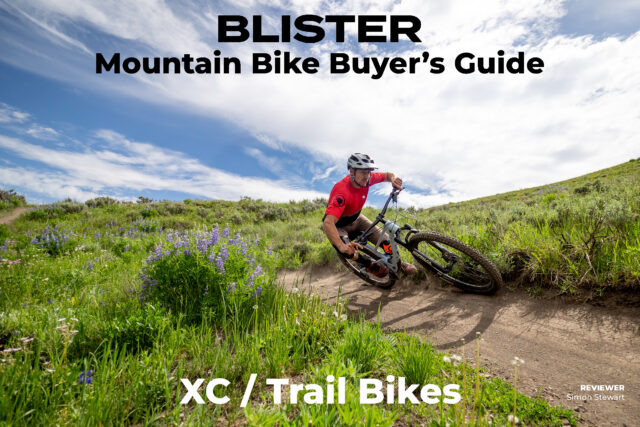
Before anything else, think about the terrain you'll be conquering most often. Are you drawn to rugged alpine singletrack, mellow cross-country trails, or adrenaline-pumping downhill runs? Maybe you're eyeing the local bike park or simply want something versatile for weekend adventures. The kind of riding you do determines the style of bike that will serve you best.
It's worth being realistic about your typical ride. If most of your time is spent on rolling cross-country terrain with occasional rock gardens, you don't need a full-blown downhill rig. But if you're regularly dropping into steep, technical trails, a lightweight hardtail probably won't cut it. Match the bike to your riding — not the other way around.
Setting Your Budget
Mountain bikes range from a few hundred dollars to well over ten thousand, so it helps to know your ballpark before you start shopping. Here's a general breakdown of what each price tier gets you:
Beginner — Under $1,000
At this level, expect entry-level components on an aluminum frame. These bikes are perfect for riders just getting started or those who ride casually on weekends. You'll get basic front suspension, mechanical disc brakes, and reliable drivetrain parts that handle light trail riding without issue.
Enthusiast — $1,000 to $3,000
This is where things get exciting. You'll notice a jump in component quality — better suspension forks, hydraulic disc brakes, and smoother-shifting drivetrains. Bikes in this range are built to handle more demanding terrain and will reward you with better performance and durability on the trail.
Advanced — $3,000 to $6,000
Spending in this bracket unlocks carbon fiber frames, premium suspension, and top-tier components. These bikes deliver exceptional ride quality and are designed for serious trail riders and racers who demand lightweight, responsive performance on technical terrain.
Pro Level — $6,000+
At the top end, you're getting race-proven technology, ultra-light carbon construction, electronic shifting, and the finest suspension systems available. These machines are engineered for competitive racing and riders who want the absolute best performance money can buy.
What Bike Frame Size Is Right for You?
Getting the correct frame size is arguably the single most important decision you'll make. A bike that's too large will feel sluggish and unwieldy, while one that's too small will cramp your style and leave you fighting for control. Almost every manufacturer publishes a sizing chart on their website — use it as your starting point.
Frame size is typically measured from the center of the bottom bracket to the top of the seat tube, though reach and stack measurements are increasingly used for a more accurate fit picture. Reach describes the horizontal distance from the bottom bracket to the head tube, giving you a sense of how stretched-out or compact the riding position will feel.
Keep in mind that sizing isn't one-size-fits-all. Riders often fall between two sizes, and your preference for a more agile or more stable ride can influence which way you go. A smaller frame turns quicker and feels more nimble, while a larger frame offers more high-speed stability. You can also fine-tune your fit with adjustable components like stem length, handlebar width, and saddle position.
Understanding Mountain Bike Types
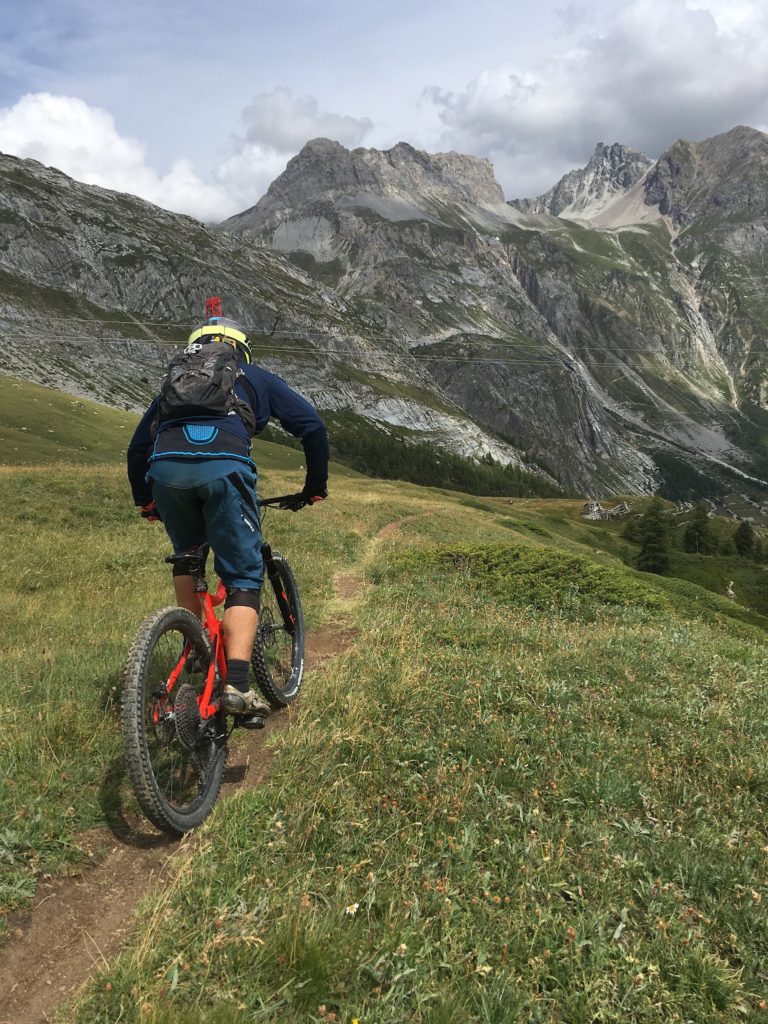
Not all mountain bikes are created equal. Each category is purpose-built for a specific style of riding, so understanding the differences will help you narrow down your search significantly.
Wheel Size Matters
Once upon a time, every mountain bike rolled on 26-inch wheels. Today, the landscape has shifted dramatically, and you'll primarily encounter two sizes: 27.5-inch and 29-inch. Some bikes even run a mixed "mullet" setup — 29 in front, 27.5 in the rear — for a blend of rollover speed and rear-end agility.
Quicker acceleration, snappier handling, and more playful on tight, twisting trails. Preferred by smaller riders or anyone who values agility and a nimble feel over straight-line speed.
Roll over obstacles with less effort, maintain momentum better, and deliver more traction thanks to a larger contact patch. The go-to choice for cross-country, trail riding, and taller riders.
Best of both worlds — a 29-inch front wheel smooths out rough terrain while a 27.5-inch rear keeps the bike playful and easy to maneuver through tight corners and technical sections.
What About E-Mountain Bikes?
Electric mountain bikes have exploded in popularity, and for good reason. A pedal-assist motor lets you cover more ground, climb with less fatigue, and extend your ride time — all while still getting a solid workout. They're especially appealing for riders returning from injury, those who want to keep up with fitter friends, or anyone who simply wants to explore farther.
Keep in mind that e-MTBs are heavier than their analog counterparts, which affects handling, and battery range varies based on assist level, terrain, and rider weight. Modern e-bikes, however, have come a long way — many look and feel remarkably close to traditional mountain bikes, with sleek battery integration and refined motor systems.

Key Components to Pay Attention To
Beyond the frame and wheels, a few critical components will shape your riding experience more than anything else. Here's what to look for:
Suspension
Your suspension system absorbs bumps and keeps your tires glued to the ground. Look for adjustable rebound, compression damping, and lockout features. Higher-end forks and shocks offer more tunability and better small-bump sensitivity, transforming rough trails into smooth riding.
Brakes
Hydraulic disc brakes are the standard for mountain biking and offer powerful, consistent stopping power in all conditions. Pay attention to rotor size — larger rotors provide more braking force and better heat dissipation, which matters on long, steep descents.
Drivetrain
Modern mountain bikes have mostly transitioned to single-chainring (1x) drivetrains, which simplify shifting and reduce weight. A wide-range cassette in the rear gives you plenty of gearing for both steep climbs and fast descents without the complexity of a front derailleur.
Dropper Seatpost
A dropper seatpost lets you lower your saddle on the fly for descents, then raise it back up for climbing — all with the push of a lever. Once you ride with one, you'll never go back. It's one of the most impactful upgrades you can make for trail confidence and versatility.
Final Tips Before You Buy
Test ride whenever possible. Numbers and specs only tell part of the story — nothing replaces the feel of a bike beneath you on actual trail. Visit your local bike shop and try a few options before committing.
Don't blow your entire budget on the bike. Set aside funds for essentials like a quality helmet, gloves, pedals, and basic tools. A slightly less expensive bike with proper gear and accessories will serve you far better than a top-end frame with nothing left over for safety equipment.
Consider buying used or last year's model. Mountain bike technology evolves quickly, and last season's bikes offer incredible value. A one-year-old model often features 90% of the performance at a significant discount.
Invest in a proper bike fit. Even the perfect bike can feel wrong if it isn't set up correctly. A professional bike fit adjusts saddle height, handlebar position, and suspension settings to match your body — transforming a good ride into a great one.
Ready to Hit the Trails? Check Out Our Pick:
GT Zaskar FS Comp 29Choosing the right mountain bike is a personal journey that depends on your riding style, budget, and the terrain you love. Take your time, do your research, and remember — the best bike is the one that gets you outside and on the trail with a smile on your face.
Happy trails from the Backyard Provider team!