


 Damage
  Loss
Loss  Theft
Theft 


Hardtail vs Full Suspension Mountain Bikes
Choosing between a hardtail and a full suspension mountain bike is one of the most important decisions you'll make as a rider. Both have their place on the trail — and understanding the difference could save you money, improve your skills, and make every ride far more enjoyable.
Walk into any bike shop or scroll through any mountain biking forum and you'll find people passionately defending one side or the other. The truth? Neither bike is universally better. The right choice comes down to your riding style, your terrain, your budget, and honestly — what makes you excited to get out and pedal.
In this guide, we break down both options in plain language so you can make a decision that genuinely fits your life on two wheels.
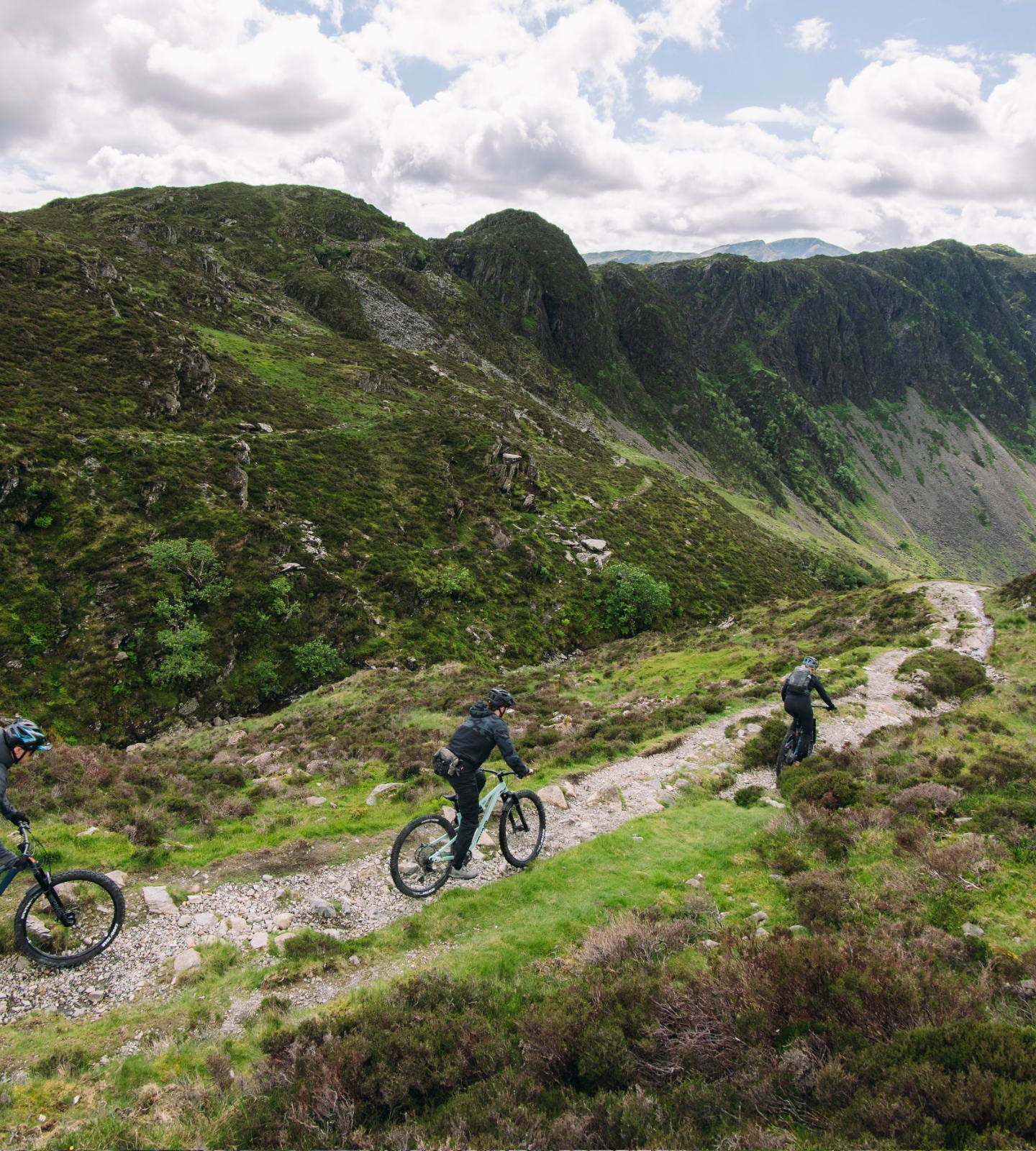
What Is a Hardtail Mountain Bike?
A hardtail mountain bike has front suspension — a fork — but a completely rigid rear end. The frame itself absorbs no trail impact; that's left to your body, your tyres, and your technique. It's the traditional setup that most riders start on, and for good reason.
Hardtails are simpler machines. Fewer moving parts means less to go wrong, less to maintain, and often a significantly lower price tag for an equivalent level of componentry. The frame is typically stiffer, which translates more of your pedalling energy directly into forward motion — making hardtails genuinely efficient climbers.
- Lower cost for better components
- Lighter weight overall
- Efficient power transfer when climbing
- Minimal maintenance required
- Builds better riding technique
- Easier to transport and store
- Less control on rough descents
- More physically demanding on technical terrain
- Rear wheel can skip on loose rock
- Less confidence-inspiring for beginners on steep trails
Many experienced riders credit time on a hardtail for dramatically improving their trail-reading skills. When every bump hits you directly, you learn fast where to look and how to position your body. That knowledge transfers to every bike you ever ride.

What Is a Full Suspension Mountain Bike?
A full suspension mountain bike — often called a "full sus" or "FS" — adds a rear shock to the equation. The rear end of the frame pivots through a linkage system, allowing the back wheel to move independently of the rider. The result is dramatically more traction, control, and comfort on demanding terrain.
Modern full suspension designs have become remarkably efficient thanks to sophisticated linkage systems that largely eliminate pedal bob — the unwanted bobbing motion that once made FS bikes feel sluggish on climbs. Today's FS bikes climb nearly as well as hardtails while descending in a completely different league.
- Superior traction and control on descents
- Much more comfortable over rough terrain
- Rear wheel tracks the ground better
- Greater confidence on technical trails
- Modern designs are efficient climbers too
- Better suited to aggressive riding styles
- Higher purchase price
- More components to maintain and service
- Heavier than comparable hardtails
- Can mask poor technique for newer riders
Head-to-Head Comparison
Let's look at how the two setups stack up across the key categories that matter most to trail riders.
Trail Performance
- Hardtail excels on smooth, flowy XC trails
- Full sus dominates technical, rocky descents
- Hardtail sharpens your line choice
- Full sus forgives mistakes on loose terrain
Budget Reality
- Same money buys better components on a hardtail
- Full sus servicing adds ongoing cost
- Entry FS bikes can feel cheap; invest more
- Hardtails hold value well on the used market
Maintenance
- Hardtail: basic fork service once a year
- Full sus: fork + rear shock both need servicing
- Pivot bearings require periodic replacement
- Hardtail wins for low-effort ownership
Who Should Buy
- New riders → hardtail to build skills
- Budget-conscious → hardtail every time
- Frequent technical trails → full sus
- Enduro / aggressive riders → full sus

Understanding Suspension Travel
Suspension travel refers to how far the suspension can compress — measured in millimetres. This number has a huge impact on what kind of riding each bike is built for. It's worth understanding before you start shopping.
Short Travel (80–120mm)
Typically found on cross-country and trail bikes. Lightweight, efficient, and fast. Ideal for riders who prioritise climbing performance and long-distance endurance over aggressive descending.
Mid Travel (120–140mm)
The sweet spot for most trail riders. Enough cushion to take on technical singletrack confidently, without the bulk of a downhill machine. This is where a huge number of riders live — it handles everything from smooth flow trails to chunky rock gardens.
Long Travel (150mm+)
Enduro and all-mountain territory. Built to descend hard and fast. These bikes can still climb, but their priority is clearly pointed downhill. If you're riding bike park laps or rowdy natural terrain regularly, this is your range.
Don't assume more travel is always better. Longer travel bikes are heavier and slacker in geometry — great for going down, but they'll tire you out on long climbs. Match the travel to the terrain you actually ride, not the terrain you dream about.
Geometry: Why It Matters More Than You Think
Suspension type is just one part of how a bike handles. Geometry — the angles and dimensions of the frame — shapes your riding position, your confidence on descents, and how the bike steers through corners.
Modern mountain bikes have moved toward slacker head angles and longer wheelbases. A slacker head tube angle (around 65–67°) pushes the front wheel further out, creating stability at speed. Paired with a shorter stem and wider bars, the result is a bike that feels planted and controlled on steep terrain.
Reach — the horizontal distance from the bottom bracket to the top of the head tube — has increased significantly on modern bikes. Longer reach gives you more room to move around on the bike, which is especially valuable on technical trails where body positioning is everything.

Wheel Size: 29er, 27.5, or Mixed?
Wheel size adds another layer to the decision. The two dominant options today are 29-inch and 27.5-inch wheels, and both have genuine merit depending on your riding and your body.
29ers roll over obstacles more easily and maintain momentum better at speed. They've become dominant in XC racing and are increasingly popular across all mountain biking disciplines. Taller riders in particular benefit from the larger contact patch and stability a 29er provides.
27.5-inch wheels are lighter and more nimble. The smaller diameter allows quicker direction changes and a more playful, flickable feeling underfoot. They suit shorter riders better proportionally and are popular in the enduro world where precise handling in tight terrain is valued.
Some bikes now run a "mullet" setup — 29-inch front, 27.5-inch rear. The idea is to combine the rollover advantage of the big front wheel with the agility of the smaller rear. It's a genuine real-world solution, not just marketing, and many riders who've tried it never go back.
Which One Should You Choose?
There's no single right answer — but here's a straightforward framework to help you decide.
Start on a hardtail. It'll teach you more, cost less, and you won't outgrow it as fast as you think.
Hardtail wins. Your money goes further on components that actually matter — wheels, drivetrain, brakes.
Full suspension. If your local trails are rocky, rooty, and technical, the rear shock earns its keep every single ride.
Either works — but full sus may give you the confidence to push into more challenging terrain sooner.
GT Bikes Zaskar FS Comp 29 — 2024
A capable full suspension 29er built for trail riders who want performance without compromise. Indigo colourway. In stock now.
Final Thoughts
The hardtail versus full suspension debate has been running as long as mountain biking itself — and it's never going to produce a clean winner, because the right bike genuinely depends on the rider asking the question.
What we can say with confidence is this: both types of bike are capable of delivering extraordinary trail experiences in the right hands. A well-set-up hardtail in the hands of a skilled rider will out-perform a full suspension bike ridden poorly. Buy something you understand, set it up correctly, and get out on the trails regularly.
The best mountain bike is the one that makes you grin from the moment you clip in to the moment you roll back into the car park. Choose the bike that fits your terrain, respects your budget, and most importantly — the one that makes you want to ride it every single weekend.
"The right mountain bike isn't the most expensive one or the most technically advanced — it's the one that makes you excited every single time you pull it off the wall."