


 Damage
  Loss
Loss  Theft
Theft 


GT Zaskar FS Comp 29 Review: A Trail Legend Returns
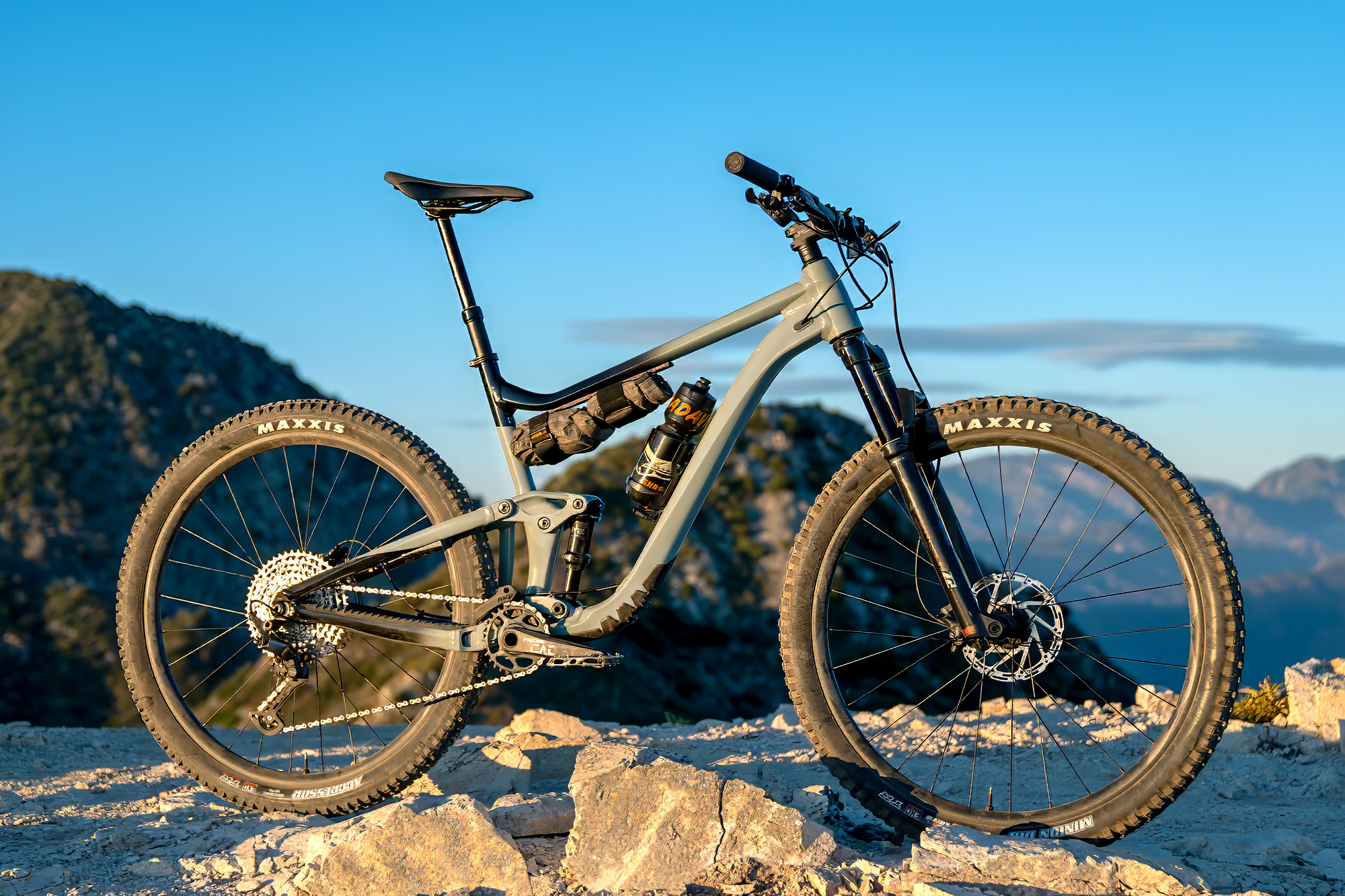
Every once in a while, a mountain bike comes along that makes you pause and reconsider what you thought you knew about a brand. The GT Zaskar FS Comp 29 in Indigo is one of those bikes. We spent several weeks putting this full-suspension trail machine through its paces on everything from mellow singletrack to aggressive rocky descents. What we found was a thoughtfully designed ride with modern geometry, capable suspension, and a build kit that punches well above its price point. It could use a few refinements in the braking department, but honestly, that says more about how good the rest of the package is.
The Zaskar name carries serious weight in mountain biking history. For decades, GT was synonymous with hardtail performance, and the Zaskar badge was at the center of it all. When GT eventually evolved the Zaskar into a full-suspension platform, expectations were enormous. That transition happened over multiple generations of refinement, and the current FS Comp 29 represents the accumulated wisdom of all those iterations. The aluminum frame is paired with GT's signature suspension design, delivering the kind of pedaling efficiency and descending composure that used to require a significantly larger investment.

Suspension technology across the industry has advanced dramatically, and the performance gap between top-tier and mid-range platforms has narrowed considerably. Thanks to modern shock tunes, progressive leverage curves, and updated geometry, most well-engineered full-suspension bikes offer solid comfort and reasonable efficiency. Where GT's suspension design truly separates itself is under pedaling loads on rough climbs. The rear end stays remarkably active and composed without wasting energy through unwanted bobbing. It delivers a balanced blend of traction and efficiency exactly when the terrain demands it most.

When recommending affordable full-suspension bikes to new riders, we try to keep things simple and focused. There are so many variables to weigh when you are just getting started that climbing performance alone should not dictate your purchase. But when we are recommending full-suspension trail bikes to experienced riders who know what they want, the conversation changes entirely. Pedaling efficiency, suspension quality, and component reliability all matter more. Our usual go-to suggestions tend to start around the three-thousand-dollar mark. So when we saw what the Zaskar FS Comp 29 was offering at its price point, we knew it deserved a closer look.
| S | M | L | XL | |
|---|---|---|---|---|
| Seat Tube Length (mm) | 400 | 430 | 460 | 490 |
| Head Tube Angle | 66.5° | 66.5° | 66.5° | 66.5° |
| Seat Tube Angle | 76.5° | 76.5° | 76.5° | 76.5° |
| Chainstay Length (mm) | 437 | 437 | 437 | 437 |
| Wheelbase (mm) | 1155 | 1195 | 1230 | 1270 |
| Reach (mm) | 430 | 455 | 480 | 510 |
| Stack (mm) | 610 | 620 | 635 | 645 |
| BB Drop (mm) | 35 | 35 | 35 | 35 |
| Wheel Size | 29" | 29" | 29" | 29" |
Zaskar FS Comp 29 — Quick Hits
The Zaskar FS Comp 29 is a composed, well-mannered trail bike. It is not a short-travel shredder built for bike-park laps, and it is not a cross-country racer stripped down for speed. It is designed to be efficient enough to cover real distance, forgiving enough to handle whatever the trail throws at you, and versatile enough to appeal to both weekend warriors and committed trail riders. That makes it an outstanding full-suspension option for anyone who wants one bike that does it all without breaking the bank.
We tested the Comp build, which slots into a competitive price bracket. The value on offer is impressive, even when stacked against direct-to-consumer brands that cut costs by eliminating the traditional retail chain. GT still makes this bike available at local shops, which is a meaningful advantage if you value test rides, professional assembly, and ongoing service relationships. That combination of accessibility and quality is increasingly rare at this end of the market.

Regardless of which specific build you are considering, this review should help inform your decision. GT offers the Zaskar FS across several trim levels, including higher-end carbon options with upgraded suspension and components. After our time on the Comp, though, we believe the alloy-frame builds represent the sweetest spot in the lineup. The alloy frame paired with a solid Shimano drivetrain and competent suspension delivers a riding experience that does not feel like a compromise. It feels like a deliberate, well-considered package.
The current mountain bike market is filled with aggressive discounting and shifting availability. Inventory levels change rapidly, and particular sizes can appear and disappear seemingly overnight. The 2024 model year Zaskar lineup has been available for some time now, and while certain sizes sell quickly, the overall lineup remains accessible. If this bike catches your eye, do not wait too long. Market conditions like these do not last forever, and the Zaskar FS Comp 29 is exactly the type of bike that moves fast once word gets out about its capabilities.
Design Details
One of the first things we noticed on the Zaskar FS was the inclusion of a proper accessory port on the frame. Plenty of bikes at higher price points skip this detail entirely, so it was a welcome discovery. GT positioned it thoughtfully on the frame, out of the way of water bottles and cable routing, which means you can run accessories without compromising anything else. The frame also features generous downtube protection and rear-stay guards that appear to be well-adhered and durable. Most brands struggle with rubber panels that begin peeling after a few weeks of real riding, but the Zaskar's protection felt solid from day one. It is a small detail, but it speaks to the overall care GT put into this design.

Another thoughtful touch is how the lower shock mount integrates with the pivot hardware. The concentric design reduces the number of individual bearings and bolts required, which means fewer parts to maintain and fewer potential creak points down the road. GT also routed all cables internally through well-designed port covers, keeping the frame looking clean while still allowing straightforward maintenance access. And the internal lines come equipped with foam dampeners to eliminate rattling from the start — no aftermarket fixes needed right out of the box.
Zaskar FS Comp 29 Spec
The component spec on this bike is a strong example of what modern budget-tier groupsets can accomplish. The Shimano drivetrain delivers crisp, reliable shifts that feel remarkably close to higher-end units. The rear hub provides access to the wider-range cassette, which makes a noticeable difference on steep climbs and fast descents alike. Having that expanded gear range means you are never caught without the right ratio, whether you are grinding up a technical switchback or spinning out on a paved road connector between trails. GT matched the drivetrain with a well-sized front chainring that keeps the overall gearing balanced and versatile.

The rear shock is a capable air unit with a multi-position lever that functions as a compression-damping adjustment. At this price point, a rear lockout feature is a genuine luxury. The Zaskar does not strictly need one for most trail riding, but it is a welcome addition for riders who spend time on mixed terrain and appreciate the ability to firm up the rear end on smoother sections or road transfers. It is the kind of detail that makes a bike feel considered rather than cost-engineered.
If we had to pick nits, we would have loved to see a slightly longer dropper post and perhaps a quicker-engaging house-brand rear hub. The tire combination is oriented toward grip and durability rather than outright speed, but that honestly suits this bike well. The tires help extend the Zaskar's capability envelope beyond what you might expect from its travel numbers alone. Everything else on the spec sheet, from the fork to the cockpit to the wheels, feels appropriately chosen for the bike's intended purpose.

Let us set expectations here. This is a moderate-tempered trail bike, not a gravity machine built for massive sends. If it were, it would have sacrificed much of what makes it so enjoyable for everyday riding. Most riders shopping at this price point are not charging the gnarliest lines on the mountain — they are looking for a bike that can grow with them as their skills develop. An important part of choosing an affordable mountain bike is finding one that will not hold you back as you progress. Before we get to the part where we heap praise on the Zaskar's ride quality, we want to briefly address why the fork and brakes on this particular build may be the first things riders look to upgrade.

The front fork runs a proven air spring that can be tuned with volume spacers, and it features adjustable compression damping for fine-tuning support under predictable loads. It handles the majority of trail conditions beautifully. However, during extended runs through sustained rough terrain, we occasionally noticed the fork wallowing in the middle of its travel, struggling to recover quickly enough between successive hard impacts. This was only apparent when pushing the bike hard at the edges of its intended envelope, and it should not be a concern unless your favorite trails are consistently steep and rocky. If they are, the next model up will deliver noticeably improved front-end performance.

We have a similar note about the brakes. The stock stoppers produce good power overall, but the lever blades feel a bit long and the engagement point could be crisper. Positioning them for single-finger braking while maintaining easy access to the shifter and dropper lever requires some patience during setup. Most importantly, the overall stopping power felt adequate for trail riding but left us wanting more during aggressive descents. We addressed this during testing by upgrading to larger rotors, which made a meaningful difference. The bike deserved that upgrade, and we suspect most serious riders will make the same call eventually.
Descending

We debated whether to even break this review into separate descending and climbing sections, given how well-rounded this bike is. The 120/130 travel category is packed with capable all-rounders, and the Zaskar fits squarely in that family. On some of our faster, chunkier descents, we were genuinely surprised by how secure the bike felt, even accounting for the fork and brake observations mentioned above.
While other 120mm trail bikes tend to lean into their more energetic, poppy tendencies, the Zaskar feels noticeably more grounded and planted. Compared to similarly-traveled competitors, it seems to hover slightly deeper into its rear travel, providing a layer of extra composure without feeling sluggish. We added a small rear-shock volume spacer to build in a bit more bottom-out resistance but did not want to fight the bike's natural character. The Zaskar was never intended to be a gravity machine. We ended up riding it lighter on our feet, flowing with the trail rather than forcing our way through it. The sensation was remarkably smooth — a kind of effortless float that makes you feel like you have more travel than the numbers suggest. That quality is a direct result of GT's refined suspension kinematics working exactly as intended.

We rode the Zaskar with its geometry adjusted to the lower setting, producing a relaxed head angle and a relatively tall stack height on our test frame. The front end felt what we would describe as comfortable — not just because we could sit more upright, but because it felt natural at the speeds this bike is designed to carry. On overforked, aggressive short-travel bikes, the idea is to lean forward so the front tire bites harder in steep, fast turns. The Zaskar takes a different approach entirely. It does not need to be ridden at race pace or in an attack position to feel responsive. It is about comfort and confidence, and it delivers both in generous measure.
Part of that planted feeling comes from the generous bottom-bracket drop, which sits the rider slightly lower than what you find on some competing platforms. In some situations, the low setting can feel a touch too deep, and we would have liked to experiment more with the alternate geometry position. But for the vast majority of our test rides, the lower configuration delivered exactly the kind of stable, confidence-inspiring platform that makes you want to ride longer and push a little further into unfamiliar terrain.

This review reflects our independent testing and editorial assessment. Product availability and pricing may vary.