


 Damage
  Loss
Loss  Theft
Theft 


Your Complete Guide to Selecting the Perfect Fishing Kayak
Master the art of choosing a fishing kayak that matches your style, waters, and angling ambitions—from sit-on-top stability to specialized fishing features
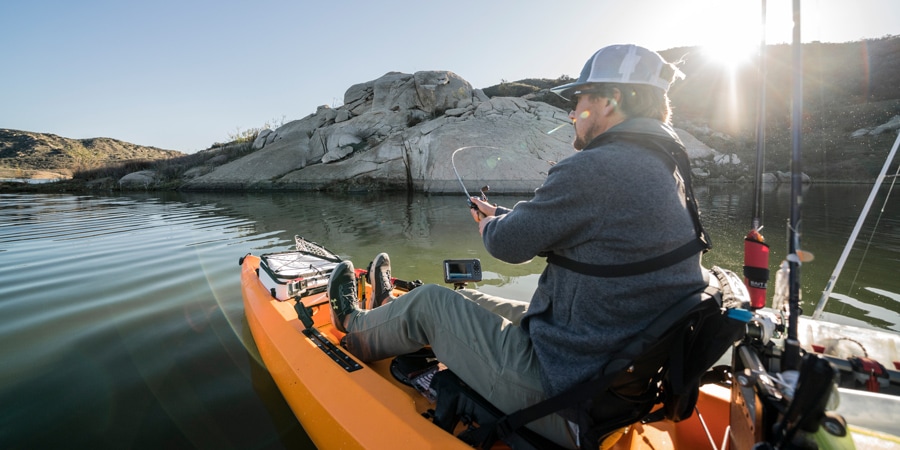
There's nothing quite like the tranquility of gliding across calm water in your kayak—cruising past secluded coves and exploring hidden fishing spots inaccessible by larger boats. Whether you're a seasoned angler seeking a specialized fishing platform or a recreational paddler ready to add fishing capabilities to your kayak adventures, selecting the right vessel requires careful consideration of numerous factors that impact your on-water experience.
This comprehensive guide breaks down everything you need to know about choosing a fishing kayak that perfectly matches your fishing style, target waters, skill level, and budget. From understanding different kayak types and essential features to evaluating stability and storage options, we'll help you navigate the decision-making process with confidence.
Essential Questions Before Buying Your Fishing Kayak
Before diving into specific kayak models and features, ask yourself these fundamental questions that will guide your selection process and ensure you invest in the right vessel for your needs:
Where Will You Fish Most Frequently?
Your primary fishing environment dramatically influences which kayak design works best. Calm lakes and protected bays allow for wider, more stable platforms with extensive storage, while coastal waters and rivers with currents demand narrower, more maneuverable designs with superior tracking capabilities. Consider where you'll spend 80% of your fishing time when making this critical decision.
What's Your Fishing Style and Target Species?
Different fishing techniques require different kayak features. Fly fishing demands clear deck space for line management, bass fishing needs rod holder configurations for multiple presentations, and offshore species hunting requires stability for standing and sight-casting. Match your kayak's features to your preferred fishing methods for optimal success on the water.
How Far Will You Travel to Launch Points?
Transportation logistics matter significantly when choosing a fishing kayak. Longer, heavier models offer more features and stability but require roof racks or trailers and potentially assistance for loading. Shorter, lighter kayaks sacrifice some features but offer solo transport convenience. Honestly assess your vehicle capabilities and physical ability to handle your kayak repeatedly throughout the fishing season.
What's Your Experience Level and Comfort on Water?
Beginner kayak anglers benefit from wider, more stable platforms that inspire confidence while learning kayak fishing techniques. Experienced paddlers comfortable with secondary stability can handle narrower, faster designs that sacrifice initial stability for performance. Be honest about your skill level—choosing a kayak beyond your abilities leads to frustration rather than fishing enjoyment.
Should You Choose Pedal or Paddle Power?
Pedal-powered kayaks keep your hands free for fishing while moving, offering tremendous advantages when working structure or fighting fish. However, they add weight, cost, and mechanical complexity. Paddle-powered kayaks remain simpler, lighter, and more affordable while still providing excellent fishing platforms. Consider whether hands-free propulsion justifies the additional investment for your fishing style.
Understanding Fishing Kayak Categories
Sit-on-Top Fishing Kayaks
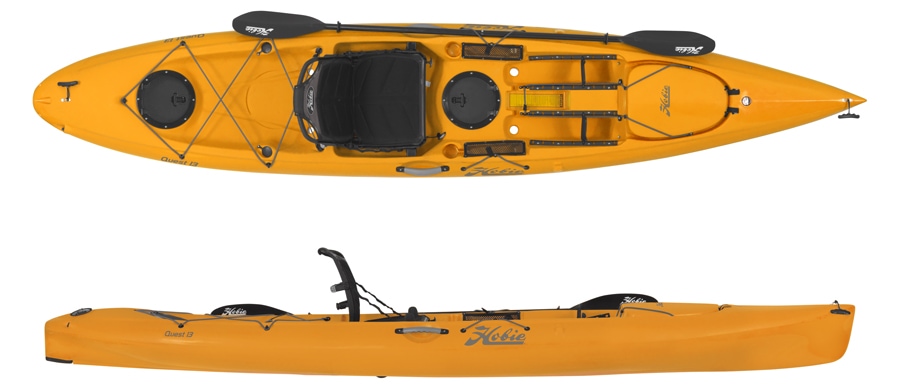
Sit-on-top kayaks reign as the most popular choice among fishing enthusiasts, and for excellent reasons. These open-deck designs position you on top of the hull rather than inside a cockpit, offering easy entry and exit, superior stability, and exceptional fishing-friendly features that make them ideal platforms for anglers of all skill levels.
The elevated seating position provides better visibility for spotting fish and navigating waters, while the self-bailing design means water that splashes aboard drains automatically through scupper holes. This feature proves particularly valuable when fishing in choppy conditions or dealing with splashing fish. Most sit-on-top fishing kayaks offer molded-in rod holders, tank wells for gear storage, and accessory mounting points for fish finders and other electronics.
These kayaks typically measure 10-14 feet long, with wider beams providing rock-solid primary stability that allows comfortable standing for sight-casting and fighting fish. The trade-off for this stability comes in slightly reduced speed and tracking compared to narrower designs, but most anglers gladly accept this compromise for the enhanced fishing platform capabilities.
Sit-Inside Fishing Kayaks
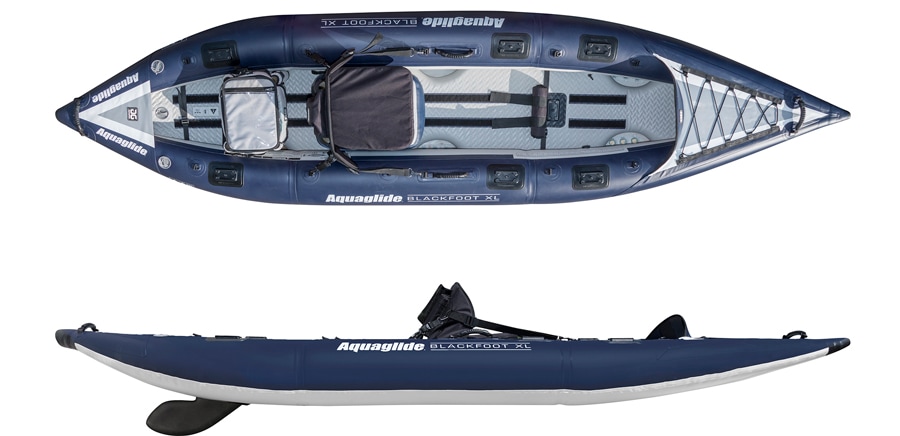
Sit-inside kayaks feature traditional cockpit designs where you sit inside the hull with your legs beneath the deck. While less common among dedicated fishing kayaks, these designs offer distinct advantages for certain fishing environments and paddling conditions that make them worth considering for specific applications.
The enclosed cockpit provides superior protection from wind, waves, and weather—particularly valuable when fishing in colder climates or during shoulder seasons. Your lower center of gravity creates excellent secondary stability, and the sleeker profile cuts through wind more efficiently than sit-on-top designs. These kayaks generally paddle faster and track straighter, making them efficient choices for covering long distances to reach fishing spots.
However, sit-inside kayaks present fishing challenges including limited deck space for gear, more difficult entry and exit when launching from shore, and reduced storage accessibility while on the water. They work best for anglers prioritizing paddling efficiency and weather protection over maximum fishing features, particularly those fishing rivers, streams, or making long-distance coastal runs.
Inflatable Fishing Kayaks
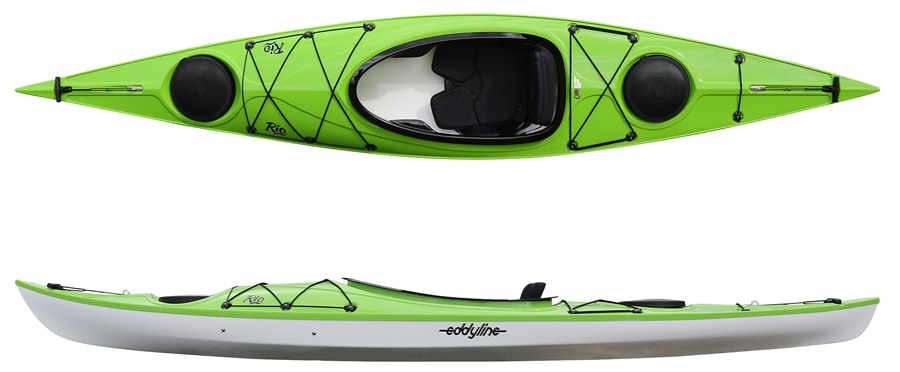
Modern inflatable kayaks have evolved dramatically from pool toys into legitimate fishing platforms constructed from military-grade materials with drop-stitch technology creating rigid, board-like surfaces. These kayaks solve storage and transportation challenges that stop many potential kayak anglers from entering the sport.
Inflatable fishing kayaks pack down into surprisingly compact bags that fit in closets, car trunks, or RV storage compartments—eliminating the need for roof racks or garage space. They're perfect for anglers who live in apartments, travel frequently, or fish remote waters requiring long hikes to access. Setup typically takes 10-15 minutes with a quality pump, and deflation proves equally quick for packing up after fishing sessions.
Quality inflatable fishing kayaks offer impressive stability, comfortable seating systems, and fishing-specific features including rod holders and mounting points. They handle rocks and shallow water fearlessly thanks to their forgiving materials. However, they typically cost more than comparable hard-shell kayaks, paddle less efficiently due to increased drag, and require careful maintenance to prevent punctures and extend lifespan.
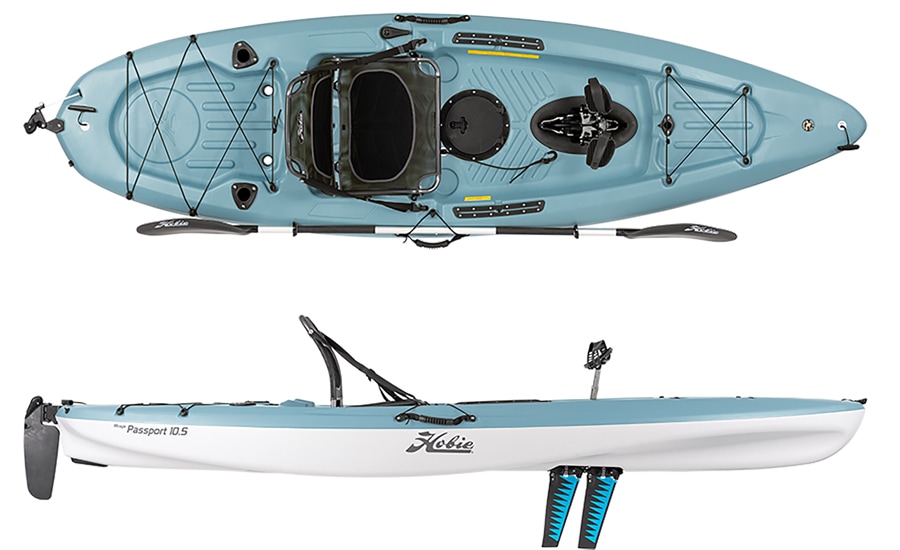
Paddle Power vs. Pedal Drive: Making the Right Choice
The paddle versus pedal decision represents one of the most significant choices when selecting a fishing kayak, with each propulsion system offering distinct advantages that suit different fishing styles and environments. Understanding these differences helps you make an informed investment decision.
Pedal-powered kayaks revolutionized kayak fishing by freeing your hands for continuous fishing while moving. You can work a shoreline methodically while casting repeatedly, maintain precise positioning in current or wind while fighting fish, and cover water efficiently without setting down your rod. Modern pedal systems deliver impressive speed and maneuverability through forward and reverse capability.
Advantages of Pedal-Powered Kayaks
Hands-Free Operation
Keep both hands available for rod handling, casting, fighting fish, and working lures while maintaining forward momentum or holding position against current and wind.
Superior Speed and Efficiency
Pedal systems typically propel kayaks faster than paddling, using your powerful leg muscles rather than upper body strength to cover water efficiently and reach distant fishing spots.
Precise Boat Control
Advanced pedal drives offer instant forward and reverse capability, allowing pinpoint positioning when working structure, maintaining depth contours, or approaching wary fish in shallow water.
Reduced Upper Body Fatigue
Leg power proves less tiring than paddling for all-day fishing sessions, letting you stay on productive water longer without exhausting your casting arm and shoulder muscles.
Advantages of Paddle-Powered Kayaks
Significantly Lower Cost
Paddle kayaks cost hundreds or even thousands less than comparable pedal models, making kayak fishing accessible to more anglers and leaving budget for other fishing gear and accessories.
Lighter Overall Weight
Without heavy pedal drive mechanisms, paddle kayaks weigh 20-40 pounds less, making them easier to car-top, launch, retrieve, and store—especially important for solo anglers without assistance.
Minimal Maintenance Requirements
Paddle kayaks have no complex mechanical systems requiring maintenance, repair, or eventual replacement. Simple rinses after saltwater use constitute the only regular maintenance needed for years of reliable service.
Shallow Water Access
Paddle kayaks navigate extremely shallow water, rocky areas, and vegetation-choked flats where pedal drive systems would snag, break, or require constant raising—critical for backwater bass fishing and flats fishing applications.
Silent Stealth Approach
Paddles make virtually no noise when used properly, allowing whisper-quiet approaches to spooky fish in clear, shallow water where any sound sends fish scattering—perfect for sight-fishing applications.
Must-Have Fishing Kayak Features
Stability for Standing and Casting
Stability ranks as the most critical feature for fishing kayaks, particularly if you plan to stand while casting or fighting fish. Wide beams (32+ inches) and flat hull bottoms provide rock-solid primary stability that lets you move confidently, cast accurately, and handle unexpected lunges from hooked fish without capsizing concerns.
Abundant Storage Solutions
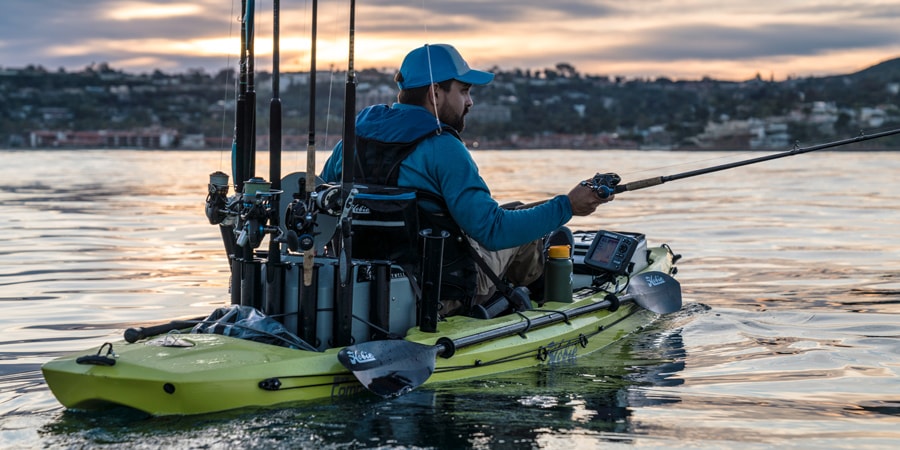
Fishing kayaks need ample storage for tackle, safety gear, food, water, and your catch. Look for sealed hatches protecting electronics and valuables, open tank wells for bulky items like coolers and extra rods, and deck bungees for securing frequently-accessed gear. Dedicated rod storage within the hull prevents breakage during transport and keeps backup rods ready for quick changes.
Comfortable Seating Systems
You'll spend hours sitting while fishing, making seat comfort critically important. Premium seats offer adjustable backrests, lumbar support, breathable mesh panels, and multiple positioning options. High-low seats that raise for better visibility and casting leverage while standing have become increasingly popular among serious kayak anglers.
Multiple Rod Holder Configurations
Versatile rod holder systems let you troll multiple lines, keep backup rods rigged and ready, or secure your rod while paddling or handling fish. Look for flush-mount rod holders, vertical rocket launchers for rod storage, and adjustable rod holders that accommodate various rod angles for different fishing techniques.
Electronics Mounting and Power
Modern kayak fishing increasingly relies on fish finders and GPS units for locating productive water and navigating safely. Quality fishing kayaks include mounting tracks or dedicated spaces for electronics, along with battery storage for powering devices through long fishing days. Consider models with pre-installed transducer mounting systems if you plan to use sonar.
Anchor System Compatibility
Anchoring capabilities let you maintain position on productive structure, work an area thoroughly, or hold steady in current while fishing. Look for anchor trolley systems that allow positioning the anchor from bow or stern for optimal boat positioning, along with sturdy anchor cleats and storage for anchor and line.
Choosing the Right Size and Dimensions
Kayak Length Considerations
Kayak length significantly impacts performance characteristics, with longer kayaks tracking straighter and paddling faster but sacrificing maneuverability, while shorter kayaks turn easily and fit on smaller vehicles but require more paddling effort to cover distance.
Fishing kayaks typically range from 10 to 14 feet, with 12-13 feet offering the sweet spot for most anglers—long enough for decent speed and tracking while remaining maneuverable in tight spots and manageable for car-topping and storage.
Width and Stability Trade-offs
Width directly correlates with stability—wider kayaks feel more stable initially and allow comfortable standing, while narrower designs paddle more efficiently and cut through wind more easily. Most fishing kayaks measure 30-36 inches wide, with 34+ inches providing excellent standing stability for most anglers.
Consider your fishing style when choosing width. Anglers who stand frequently for sight-fishing or casting should prioritize width for stability, while those who remain seated can accept narrower designs that paddle more efficiently for covering water to reach fishing spots.
Understanding Weight Capacity Requirements
Weight capacity ratings indicate the maximum load a kayak can safely carry, but smart anglers stay well below these limits for optimal performance and comfort. Calculate your body weight plus gear weight (tackle, rods, cooler, anchor, safety equipment, water, food), then add 20-30% buffer for safety and performance.
Overloaded kayaks sit lower in the water, reducing speed and tracking while increasing instability and making paddling exhausting. They also lose freeboard (height above waterline), increasing the risk of swamping in waves or rough water. Choose a kayak rated for at least 100 pounds more than your total anticipated load.
Fishing kayaks typically offer 350-550 pound capacity ratings, with higher capacities providing more comfortable performance for larger anglers or those carrying extensive gear for multi-day fishing trips or camping expeditions.
Ready to Start Your Kayak Fishing Journey?
Discover the perfect combination of stability, features, and fishing performance in a kayak designed to help you catch more fish
Sea Ghost 130Matching Your Kayak to Your Waters
Calm Lakes and Protected Bays
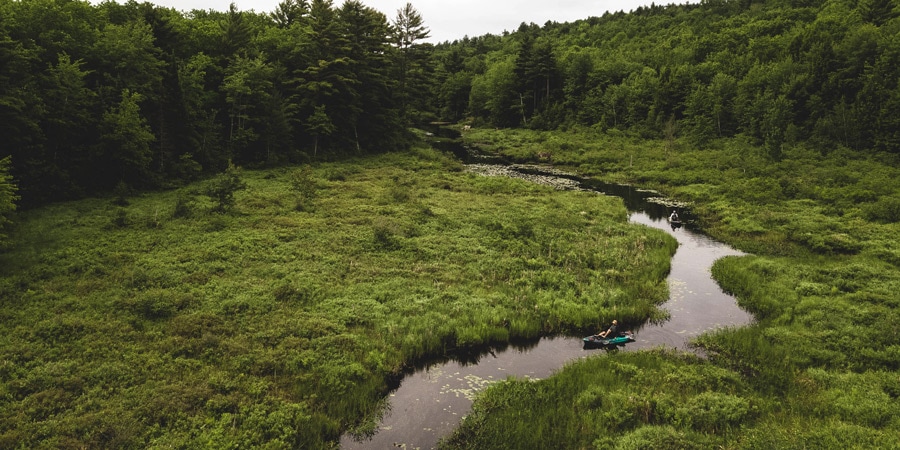
Calm water environments allow maximum flexibility in kayak selection. Prioritize features over performance characteristics—wider platforms for standing stability, extensive storage for gear, and comfortable seating for long days. These conditions let you focus on fishing features rather than worrying about challenging conditions.
Rivers and Moving Water
River fishing demands maneuverable kayaks with good tracking that respond quickly to steering inputs. Shorter lengths (10-12 feet) turn easily in tight spots, while keels or skegs improve straight-line tracking in current. Prioritize sit-on-top designs with good secondary stability for handling waves and wakes from boat traffic.
Coastal and Open Water
Ocean and large lake fishing requires kayaks designed for waves, wind, and potentially rough conditions. Choose longer lengths (13-14 feet) for better speed and wave handling, adequate freeboard to shed water, and sealed hatches protecting gear from spray. Prioritize safety features including strong deck lines for self-rescue and re-entry capabilities.
Shallow Flats and Backwaters
Skinny water fishing favors sit-on-top designs with minimal draft that float in inches of water. Paddle power works better than pedal drives in vegetation and over oyster bars or rocky bottoms. Standing capability becomes crucial for sight-fishing, making stability paramount even if it compromises paddling efficiency.
Budget Planning and Value Considerations
Fishing kayak prices span an enormous range from budget-friendly recreational models under $500 to premium pedal-drive tournament kayaks exceeding $4,000. Understanding what drives these price differences helps you make value-focused decisions that match your needs and budget.
Entry-level fishing kayaks ($400-$800) offer basic fishing functionality including molded-in rod holders, tank wells, and comfortable seating. They work perfectly for beginners learning kayak fishing basics or casual anglers fishing occasionally. Don't dismiss these options—many anglers enjoy years of successful fishing from affordable kayaks.
Mid-range models ($800-$2,000) provide enhanced features including better seating systems, more storage options, accessory mounting tracks, and improved hull designs. These kayaks represent the sweet spot for serious recreational anglers who fish regularly and want quality without premium pricing.
Premium fishing kayaks ($2,000-$4,000+) feature pedal drive systems, advanced hull designs, premium materials, extensive accessory integration, and top-tier components throughout. Tournament anglers and those fishing frequently in challenging conditions benefit most from these investments.
Remember that your initial kayak purchase represents only part of total investment. Budget for essential accessories including paddle ($100-$300), PFD ($75-$150), anchor system ($50-$100), and safety equipment. Many anglers also add fish finders ($200-$800), upgraded seats ($100-$300), and specialized fishing accessories that quickly add to total costs.
Essential Safety Considerations
Safety must remain your top priority when kayak fishing, regardless of your experience level or the waters you fish. Always wear a properly-fitted personal flotation device (PFD)—kayak-specific fishing PFDs offer comfortable low-profile designs with pockets for tackle and tools while meeting Coast Guard requirements.
Carry essential safety equipment including a whistle for signaling, waterproof flashlight for visibility, first aid kit for treating injuries, and communication device (VHF radio or cell phone in waterproof case) for emergencies. Know your local boating regulations regarding required safety equipment and lighting for kayaks.
Practice self-rescue techniques including re-entering your kayak from deep water before you actually need these skills in an emergency. Many kayak shops and paddling clubs offer safety courses teaching essential techniques for handling capsizing, assisted rescues, and emergency procedures.
Check weather forecasts before every trip and respect changing conditions. Tell someone your planned location and expected return time, especially when fishing alone or in remote areas. Start conservatively in calm conditions near shore until you develop skills and confidence for venturing into more challenging waters.
Launch Your Kayak Fishing Adventure
Selecting the perfect fishing kayak represents an exciting step toward countless memorable days on the water, chasing fish in places larger boats can't reach and experiencing the unique satisfaction that kayak fishing delivers. By carefully considering your fishing style, target waters, budget, and feature priorities, you'll find a kayak that serves you faithfully for years of fishing adventures. At Backyard Provider, we're passionate about helping anglers discover the ideal kayak that matches their needs, skills, and ambitions—turning kayak fishing dreams into reality one paddle stroke at a time. The waters are calling, and your perfect fishing kayak awaits.