


 Damage
  Loss
Loss  Theft
Theft 


How Does a Ductless AC System Work?
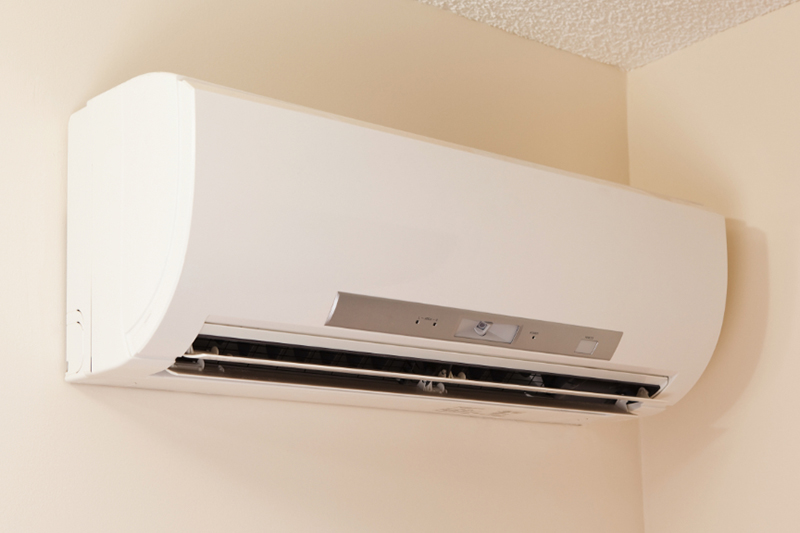
If you're searching for a flexible, energy-smart way to heat and cool your home, garage, or backyard living space without the headache of ductwork, a ductless AC system — also known as a mini-split — could be exactly what you need. These systems are growing in popularity for their quiet operation, room-by-room control, and impressive efficiency.
But how exactly do they work, and what makes them different from conventional HVAC setups? Here's a complete breakdown — what ductless systems are, how they operate, and whether one is right for your space.
What Is a Ductless AC System?
True to the name, a ductless system heats and cools without relying on air ducts to move conditioned air. Rather than forcing air through a central network of vents, ductless units deliver comfort directly into individual rooms or zones — no ductwork required.
A standard ductless system includes two core components:
- An indoor unit (one or several) mounted on a wall or ceiling inside the space.
- An outdoor condenser unit, similar to what you'd find with a traditional central AC system.
The two components connect through a slim conduit carrying refrigerant lines, electrical wiring, and a drainage tube. Because no ductwork is involved, installation is far quicker and less invasive — a major advantage for older homes, garages, backyard studios, and additions where extending ductwork isn't practical.
How Does a Ductless System Actually Work?
Despite being simpler to install, ductless systems rely on the same core principles as traditional air conditioners and heat pumps. Here's the process, step by step:
Refrigerant-Based Heat Transfer
At the heart of every ductless system is a heat pump — a device that can reverse its direction based on whether you want to heat or cool the space.
This heat exchange is powered by refrigerant lines running between the indoor and outdoor units. No fuel is burned in the process, making ductless systems one of the most energy-efficient heating and cooling options available.
Zoned Comfort Control
Every indoor unit in a ductless setup operates independently. That means you can set a different temperature in your home office, living room, and garage — or switch off zones you're not using entirely. This concept, known as HVAC zoning, is one of the biggest advantages of going ductless.
Whether you want your backyard workshop cooled down before you start a project, or your sunroom kept warm on a chilly evening, a ductless system gives you that precise control.
Quiet, Direct Air Delivery
Because conditioned air is delivered straight from the wall- or ceiling-mounted unit, there's no noise from rattling ducts, rushing vents, or a distant furnace. Ductless indoor units are engineered to run near-silently — ideal for bedrooms, home offices, or peaceful backyard retreats.
Where Do Ductless Systems Work Best?
Ductless mini-splits are incredibly versatile. Here are the spaces where they truly shine:
Homes Without Ductwork
Older homes, or those with boiler or radiator-based heating, that never had central air installed.
Room Additions & Garages
Spaces where extending existing ductwork would be too costly or structurally complex.
Backyard Structures
Workshops, pool houses, she-sheds, and guest studios that need their own independent climate control.
Multi-Family & Rental Units
Properties where individual room-by-room comfort control is non-negotiable.
The Advantages of Going Ductless
There's a lot to appreciate about ductless systems, especially when it comes to efficiency and flexibility. Here are the key benefits:
- Lower energy bills: Because air isn't lost through leaky ducts and you're only conditioning occupied rooms, ductless systems often use significantly less energy than central AC.
- Faster, less invasive installation: Without extensive ductwork, setup is quicker and causes far less disruption to your home or space.
- Room-by-room temperature control: Customize comfort in every zone to match exactly how you use each space.
- Improved air quality: Many mini-split systems include multi-stage filtration that reduces dust, allergens, and airborne particles.
- Whisper-quiet performance: Both the indoor and outdoor units operate far more quietly than traditional HVAC systems.
Is a Ductless System Right for You?
Ductless systems are outstanding — but they're not a one-size-fits-all solution. Here are a few things to keep in mind before deciding:
- Upfront Cost While installation is often cheaper than adding ductwork, the per-unit cost of a ductless system can be higher than a traditional central AC unit. Think of it as a long-term investment in efficiency.
- Aesthetics Some homeowners aren't fond of the visible wall-mounted indoor unit. That said, modern designs have become far sleeker and more discreet than earlier generations.
- Maintenance To maintain peak performance, you'll need to clean or replace filters on a regular schedule and arrange occasional professional servicing — just like any HVAC system.