


 Damage
  Loss
Loss  Theft
Theft 


Ultimate Guide to Dual Zone Mini Split Systems for 110V Homes
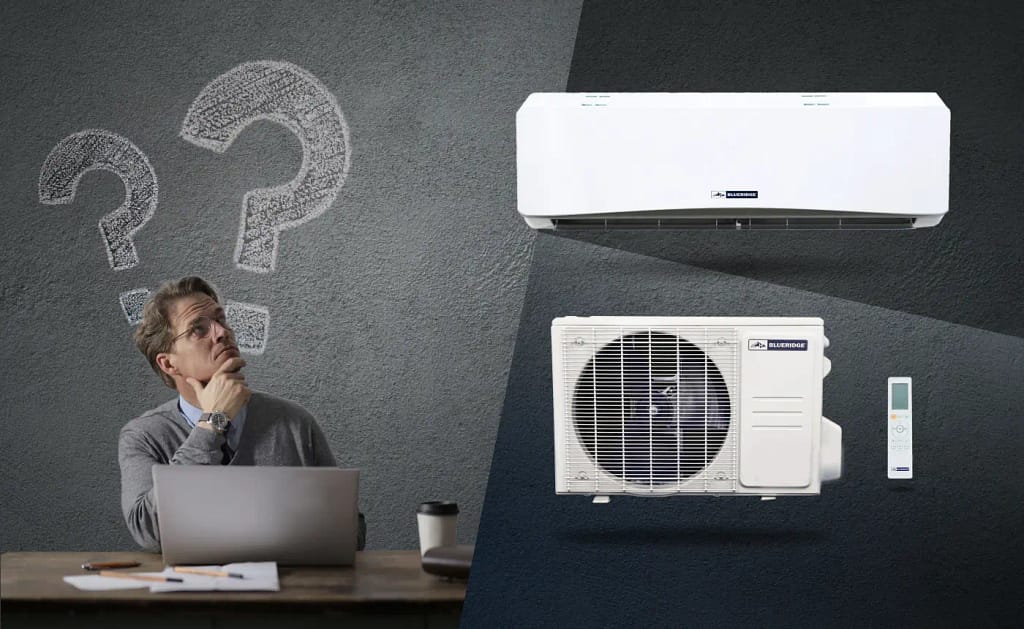
Are you considering adding a ductless cooling and heating solution to your residence or workspace without expensive electrical upgrades? A dual zone mini split running on standard 110V household current might be exactly what you need. These versatile climate control systems allow you to maintain different temperatures in separate areas, all while connecting to your existing electrical infrastructure.
In this comprehensive guide, we explore everything you need to understand about dual zone mini split systems—from their fundamental operation to installation requirements and the advantages they provide over conventional HVAC solutions.
Key Takeaways
Dual zone mini splits provide independent temperature control for two distinct areas, offering customized comfort throughout your space
Energy-efficient inverter technology delivers consistent temperatures while minimizing electricity consumption
Certain compact models operate on standard 110V circuits, eliminating the need for costly electrical modifications
Installation is straightforward compared to ducted systems, requiring only a small wall penetration for refrigerant lines
What Exactly Are Dual Zone Mini Splits?
Dual zone mini splits represent an advanced category of ductless heating and cooling systems engineered to regulate temperatures in two separate rooms or areas simultaneously. These systems feature one outdoor compressor unit connected to two independent indoor air handlers, each capable of maintaining its own temperature setting.
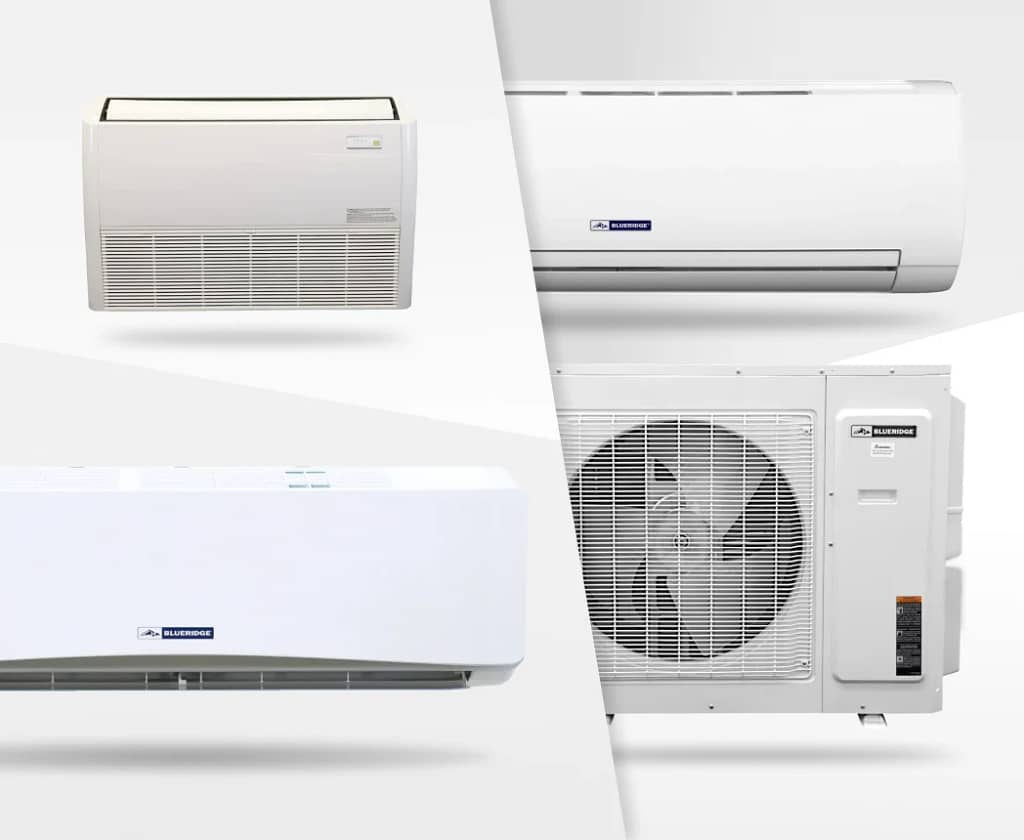
Unlike central air conditioning that pushes conditioned air through extensive ductwork, mini splits transfer refrigerant directly between outdoor and indoor components. This direct approach eliminates the energy losses typically associated with duct systems, where up to 30% of cooling capacity can dissipate through leaky or poorly insulated ducts.
The indoor units come in various configurations—wall-mounted, ceiling cassette, floor-standing, and concealed ducted styles—allowing you to select the option that best complements your interior design and spatial requirements.
Is a Dual Zone Mini Split the Right Choice for You?
Homeowners and business operators frequently seek more economical and ecological climate solutions without compromising personalized comfort. Dual zone systems address these needs by enabling different temperature preferences across multiple spaces.
Consider whether you frequently experience temperature disagreements within your household, need to condition spaces that your current system cannot reach, or want the flexibility to heat and cool different areas independently. If any of these situations apply, a dual zone configuration could be your ideal solution.
Find Your Perfect Climate Solution
Explore our selection of high-performance dual zone mini splits designed for comfort and efficiency
Exploring the Benefits of Dual Zone Systems
The standout feature of any dual zone mini split system is the capacity to establish two distinct climate zones. Consider how this flexibility enhances your daily comfort and operational efficiency.
Room-by-Room Control
Each zone operates independently with dedicated thermostatic control, allowing family members to enjoy their preferred temperatures without compromise.
Space Conservation
With one exterior unit powering two indoor components, dual zone systems minimize outdoor equipment footprint while maximizing interior climate coverage.
Superior Energy Efficiency
Inverter-driven compressors modulate output based on actual demand, consuming substantially less electricity than conventional on/off cycling systems.
Streamlined Installation
Without extensive ductwork requirements, installation proceeds faster and causes minimal structural disruption to your property.
Versatile Placement
Indoor unit mounting options accommodate virtually any room layout, from compact apartments to expansive commercial spaces.
Year-Round Performance
Heat pump functionality provides both cooling and heating capabilities, delivering complete climate control across all seasons.
Dual Zone Ductless vs. Traditional HVAC: Understanding the Differences
How does a dual zone ductless mini split compare with conventional central heating and cooling? The distinctions extend beyond simple installation differences—they fundamentally affect daily operation, energy consumption, and long-term comfort.
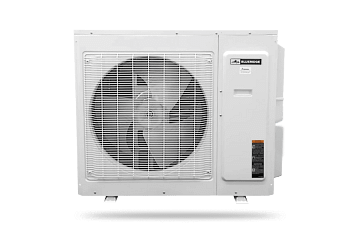
A dual zone ductless configuration removes the need for air distribution channels entirely. Traditional forced-air systems push conditioned air through sheet metal pathways that often run through unconditioned attics or crawlspaces, resulting in significant thermal losses.
Each indoor unit permits tailored temperature configurations for its zone. Many households discover that certain rooms consistently run warmer or cooler—dual zone systems address this reality by allowing customized settings that match each area's unique thermal characteristics.
Additionally, ductless systems utilize advanced condenser technology that combines both heating and cooling capabilities within compact, efficient packages. This dual functionality eliminates the need for separate furnace and air conditioning equipment, simplifying maintenance while reducing equipment costs.
Can You Purchase a Dual Zone System for 110V Operation?
Absolutely. While many larger capacity systems require 220V electrical connections, manufacturers offer dual zone mini splits specifically designed for standard 110/120V household circuits.
What capacity range works with 110V?
Dual zone mini splits operating on 110V typically provide combined cooling capacity between 18,000 and 24,000 BTU. This output level adequately conditions small to medium-sized spaces while remaining within standard circuit limitations.
The primary advantage of 110V compatibility is installation simplicity. Most existing electrical panels include available 110V circuits, meaning you can often connect the system without running new dedicated wiring or upgrading your electrical service panel.
Featured Dual Zone Mini Split
High-efficiency heating and cooling for two zones with advanced inverter technology
Senville 36000 BTU Dual ZoneOperating a Ductless Mini Split System with 110V Wiring
When running a mini split system on 110V wiring, several critical considerations ensure safe, reliable operation. Understanding your system's electrical requirements prevents circuit overloads and optimizes performance.
Important Electrical Considerations
Dedicated Circuit Requirement: Mini splits draw considerable amperage during startup and peak operation. Installing a dedicated 20-amp circuit prevents interference with other household devices and reduces tripping risks.
Voltage Verification: Before installation, confirm your outlet delivers consistent voltage. Fluctuations outside the manufacturer's specified range can damage sensitive electronic components.
Professional installation by a licensed electrician ensures code compliance and warranty protection. Many manufacturers require professional installation documentation to validate warranty claims.
Selecting the Correct BTU Capacity
Proper sizing determines whether your dual zone system delivers optimal comfort and efficiency. Undersized units struggle to maintain temperatures during extreme weather, while oversized systems cycle excessively, reducing humidity control and increasing wear.
| Room Size (sq ft) | Recommended BTU |
|---|---|
| 150 - 300 | 6,000 - 9,000 |
| 300 - 500 | 9,000 - 12,000 |
| 500 - 700 | 12,000 - 18,000 |
| 700 - 1,000 | 18,000 - 24,000 |
| 1,000 - 1,500 | 24,000 - 36,000 |
Environmental factors also influence capacity requirements. High ceilings, extensive window areas, poor insulation, and extreme climate conditions may necessitate selecting a system with additional capacity beyond basic square footage calculations.
Understanding the Installation Process
Installing a dual zone mini split involves several coordinated steps. While some homeowners with mechanical aptitude tackle DIY installation, professional setup typically yields better results and maintains warranty coverage.
Site Assessment and Planning
Evaluate mounting locations for indoor units, outdoor condenser placement, and refrigerant line routing to minimize line length.
Indoor Unit Mounting
Secure mounting plates to wall studs, drill through-wall holes for line sets, and attach indoor air handlers at appropriate heights.
Line Set Connection
Connect refrigerant tubing, condensate drain lines, and communication wiring between indoor and outdoor components.
System Commissioning
Evacuate line sets, release refrigerant charge, verify electrical connections, and test heating and cooling operations.
Maintaining Your Dual Zone Mini Split
Regular maintenance preserves efficiency, extends equipment lifespan, and ensures consistent comfort. Most maintenance tasks require minimal technical skill and only basic tools.
Filter Cleaning
Wash or vacuum air filters every 2-4 weeks during heavy use seasons to maintain airflow and indoor air quality.
Coil Inspection
Check evaporator and condenser coils seasonally for debris accumulation that restricts heat transfer.
Condensate Drainage
Verify drain lines remain clear and properly pitched to prevent water backup and potential damage.
Professional Service
Schedule annual professional inspections to verify refrigerant levels, electrical connections, and overall system health.
Ready to Upgrade Your Climate Control?
Explore our complete selection of dual zone mini split systems engineered for efficiency, comfort, and reliability. Our team is here to help you find the perfect solution for your space.
Senville 36000 BTU Dual ZoneThis guide provides general information about dual zone mini split systems. Always consult qualified HVAC professionals for specific installation requirements and local code compliance. Individual results may vary based on installation conditions and climate factors.