


 Damage
  Loss
Loss  Theft
Theft 


Mini Split Air Conditioner Installation Guide
When summer temperatures soar, a mini split air conditioner offers an elegant solution for maintaining indoor comfort without the complexity of traditional ducted systems. These versatile units deliver efficient cooling and heating directly where you need it most, making them ideal for additions, garages, workshops, and rooms that existing HVAC systems struggle to reach. This comprehensive guide walks you through everything necessary to successfully install your mini split system, from site selection to final testing.

5 Critical Factors to Consider Before Installation
Selecting the Perfect Installation Location
The placement of your indoor unit significantly impacts both performance and aesthetics. Mount the unit at least seven feet above floor level to optimize air distribution throughout the room. Keep it away from heat-generating appliances, direct sunlight exposure, and locations where furniture might obstruct airflow. The outdoor compressor requires adequate ventilation space and should be positioned on a stable, level surface with protection from debris accumulation.
Commercial and industrial environments demand extra attention to installation height and accessibility for maintenance. Higher ceilings may require specialized mounting solutions to ensure proper air circulation reaches occupied zones effectively.
Handling Refrigerant Lines with Care
Refrigerant piping serves as the vital link between your indoor and outdoor components. These copper lines must be handled with extreme caution to prevent kinks, dents, or contamination that could compromise system efficiency. Avoid bending pipes beyond their recommended radius and never allow moisture or debris to enter the line connections during installation.
Professional-grade installation practices call for keeping line sets sealed until the moment of connection. Any exposure to atmospheric moisture can introduce contaminants that degrade refrigerant performance over time.

Proper Bundling of Pipeline Components
When routing refrigerant lines, electrical cables, and condensate drainage together, proper bundling techniques protect all components while maintaining a clean installation appearance. Secure the bundle at regular intervals using appropriate strapping materials that won't damage insulation. Ensure the drain line maintains consistent downward slope to prevent water backup and potential leakage issues.
Protecting the Refrigerant Circuit
Maintaining refrigerant circuit integrity stands as one of the most critical installation requirements. Opening system valves prematurely or creating connection leaks allows atmospheric air and moisture to contaminate the sealed refrigerant system. This contamination reduces cooling efficiency and accelerates compressor wear.
Modern mini split systems ship pre-charged with refrigerant, meaning proper vacuum and leak-testing procedures must be followed before releasing the refrigerant charge into the complete system.
Ensuring Safe Electrical Connections
Mini split systems require dedicated electrical circuits sized according to unit specifications. Working with electrical components demands strict adherence to local building codes and safety protocols. Always disconnect power at the breaker before performing any wiring work, and verify connections with a multimeter before energizing the system.
Improper wire gauge selection or loose terminal connections create fire hazards and may void manufacturer warranties. When uncertain about electrical requirements, consulting a licensed electrician ensures compliance and safety.
Ready to upgrade your comfort? Explore our premium mini split selection.
Senville 36000 BTU Dual Zone Mini SplitComplete 8-Step Installation Process
Identify the Optimal Installation Site
Survey your space to determine the best mounting position for the indoor evaporator unit. Consider wall structural support, proximity to electrical access, and the path required for refrigerant lines to reach the outdoor unit. Mark mounting hole locations using a level to ensure perfectly horizontal installation.
Mount the Bracket and Create Wall Penetrations
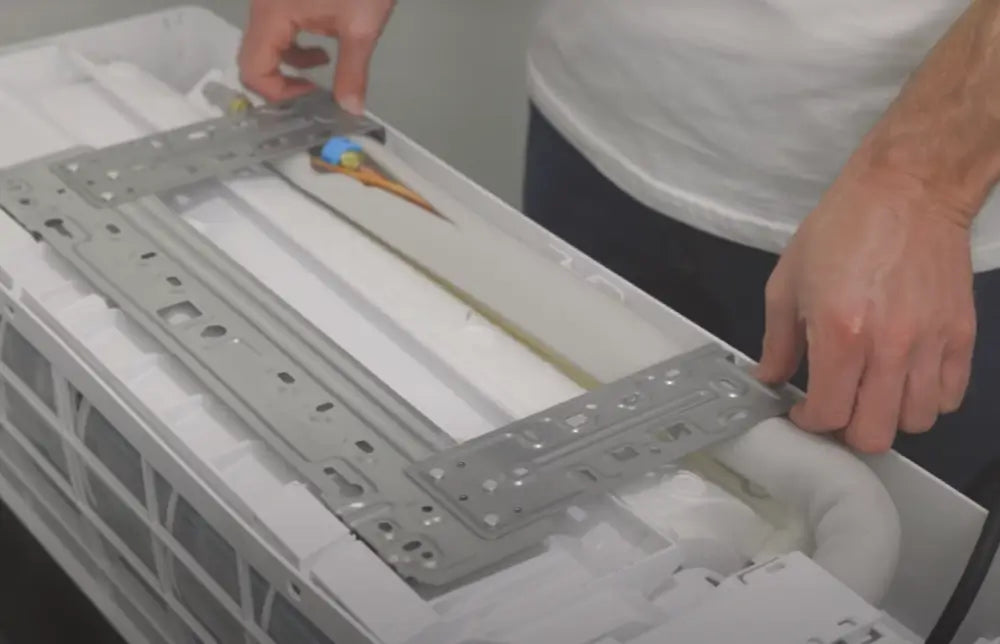
Secure the mounting plate firmly to wall studs using appropriate fasteners for your wall construction type. Drill a three-inch diameter hole through the exterior wall at a slight downward angle to facilitate condensate drainage. Position the hole behind where the indoor unit will hang to conceal the penetration.

Route the Refrigerant Lines, Wiring, and Drainage
Thread the pre-insulated copper line set, communication cable, and drain hose through the wall opening. Bundle these components together neatly, ensuring the drain line slopes continuously downward to prevent water accumulation. Apply weatherproof sealant around the wall penetration to prevent air and moisture infiltration.
Connect the Indoor Evaporator Unit
Hang the indoor unit securely on the mounting bracket, verifying it sits level and stable. Connect the refrigerant lines to the unit using proper flare fittings, tightening to manufacturer-specified torque values. Complete the electrical and communication wire connections according to the wiring diagram provided.
Position and Connect the Outdoor Condenser
Place the outdoor unit on a stable mounting pad or wall bracket, maintaining recommended clearances from walls and obstructions for adequate airflow. Connect the line set to the outdoor unit service valves, again using proper flare connections. Complete all electrical wiring according to specifications.
Evacuate the System and Check for Leaks
Connect a vacuum pump and manifold gauge set to remove all air and moisture from the refrigerant lines. Draw vacuum to manufacturer specifications and hold for the recommended duration to verify system integrity. Apply leak detection solution to all connection points and inspect carefully before releasing the refrigerant charge.
Energize and Test System Operation
With all connections verified, restore electrical power and allow the system to stabilize for a few minutes before operation. Use the remote control to initiate both cooling and heating modes, monitoring performance indicators. Check refrigerant pressures against expected values and verify proper condensate drainage during operation.
Final Inspection and Documentation
Complete a thorough visual inspection of all components, securing any loose elements and cleaning up installation debris. Document installation details including refrigerant charge, electrical measurements, and commissioning date for warranty records. Demonstrate system operation to the homeowner and explain maintenance requirements.
Frequently Asked Installation Questions
Does mini split installation require drilling through walls?
Yes, standard installations require a single three-inch diameter hole through an exterior wall to route the refrigerant lines, electrical connections, and condensate drain between indoor and outdoor components. This penetration is typically hidden behind the indoor unit and properly sealed against weather infiltration.
Is a separate indoor unit necessary for every room?
Not necessarily. Multi-zone mini split systems can condition multiple rooms using a single outdoor compressor connected to several indoor units. Smaller or adjacent spaces may share conditioning from a single well-placed indoor unit. System design depends on room sizes, layouts, insulation quality, and individual comfort requirements.
Can homeowners install mini splits themselves?
While DIY-friendly mini split kits exist with pre-charged line sets, most installations benefit from professional expertise. Refrigerant handling, electrical work, and proper vacuum procedures require specialized tools and knowledge. Improper installation can void warranties, reduce efficiency, and create safety hazards. Local codes may also require licensed contractor installation.
Which locations should be avoided for installation?
Avoid mounting indoor units near heat sources like stoves or radiators, in direct sunlight paths, or in locations with restricted airflow from furniture or curtains. Outdoor units should not be placed where snow accumulation, flooding, or debris from trees could interfere with operation. Ensure adequate service access space around both components.
How soon after installation can the system be operated?
After completing all connections and vacuum procedures, most systems can be operated immediately. However, allowing the unit to sit powered on in standby mode for several minutes before engaging the compressor helps stabilize oil distribution. Always verify proper drainage and electrical function before sustained operation.
Cooling Alternatives for Compact Spaces
Mini split air conditioners represent just one solution in the broader climate control landscape. For extremely small spaces, temporary cooling needs, or situations where permanent installation isn't feasible, portable air conditioners offer flexibility and mobility. Window-mounted units provide another cost-effective option for individual room cooling without requiring professional installation.
Evaluate your specific requirements including space size, usage patterns, budget constraints, and permanence needs when selecting the ideal cooling solution. Mini splits excel for long-term efficiency and quiet operation, while portable options offer convenience for renters or seasonal applications.
Final Thoughts
Installing a mini split air conditioner transforms your space into a year-round comfort zone with remarkable energy efficiency. While the process involves multiple technical steps requiring careful attention to detail, thorough preparation and methodical execution lead to successful outcomes. Whether tackling installation independently or working with professionals, understanding each phase empowers you to achieve optimal results.
Investing in quality equipment and proper installation pays dividends through years of reliable, efficient climate control. Your mini split system stands ready to deliver precise temperature management exactly where you need it most.
Start Your Installation Project Today
Discover premium mini split systems designed for effortless installation and exceptional performance.
Senville 36000 BTU Dual Zone Mini Split