


 Damage
  Loss
Loss  Theft
Theft 


Everything You Should Know About Multi-Zone Mini Split Systems
In This Article
What Is a Multi-Zone Mini Split? • How These Systems Distribute Air • Key Benefits and Features • Selecting the Right System • Top Recommendations for 2025 • Installation Insights • Common Questions Answered
Keeping your entire home at the perfect temperature can feel like an impossible task, especially when different rooms have vastly different heating and cooling needs. A multi-zone mini split system offers an elegant solution to this common problem. Rather than forcing every space to share the same temperature, these innovative systems let you customize comfort room by room. Whether you're dealing with a sun-drenched living room, a chilly basement office, or bedrooms with varying preferences, understanding how multi-zone mini splits work will help you make the smartest investment for your home comfort needs.
What Is a Multi-Zone Mini Split?
A multi-zone mini split is a ductless heating and cooling system designed to manage the climate in multiple rooms or areas from a single outdoor compressor unit. Unlike traditional HVAC systems that push conditioned air through extensive ductwork, mini splits deliver heating and cooling directly to each zone through individual indoor air handlers. This direct delivery method eliminates the energy losses commonly associated with ducted systems.
The "multi-zone" designation means the system supports two or more indoor units connected to that single outdoor compressor. Each indoor unit operates independently, giving occupants precise control over the temperature in their specific area. This zoned approach transforms how families experience home comfort, ending the thermostat battles that plague households with central air systems.
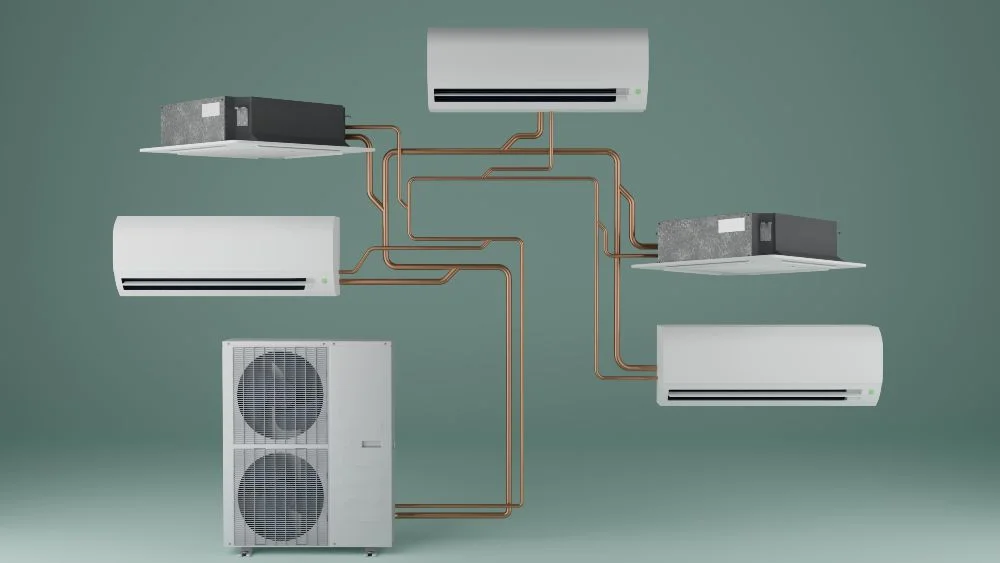
How Multi-Zone Mini Splits Distribute Conditioned Air
Multi-zone mini split systems employ a straightforward yet highly effective architecture. The outdoor condenser unit houses the compressor and serves as the central hub that processes refrigerant for the entire system. Refrigerant lines run from this outdoor unit to each indoor air handler installed throughout your home. These lines carry refrigerant that absorbs heat from indoor air during cooling mode or releases heat during heating mode.
Each indoor unit contains its own evaporator coil, fan, and filtration system. When you adjust the temperature in one room, only that specific unit responds—the others continue operating according to their own settings. This independent operation is what makes zoned comfort possible. Advanced inverter technology in modern systems allows the compressor to modulate its output based on total demand, running at lower speeds when only one or two zones need conditioning and ramping up when multiple areas call for maximum output.
Key Features and Benefits of Multi-Zone Mini Splits
Significant Energy Savings
Ductless systems eliminate the 20-30% energy loss typical of ducted HVAC. Zone control means you only condition spaces you're actually using.
Personalized Temperature Control
Every family member can set their preferred temperature. Keep bedrooms cool for sleeping while maintaining warmer temperatures in living areas.
Straightforward Installation
No need to tear open walls for ductwork. Installation typically requires only a small hole for refrigerant lines, minimizing disruption to your home.
Year-Round Climate Control
Heat pump technology provides both cooling and heating from a single system. Many models operate efficiently even in below-freezing temperatures.
Whisper-Quiet Operation
Indoor units operate at sound levels as low as 19 decibels—quieter than a library. Enjoy comfort without the constant drone of traditional systems.
Superior Air Quality
Multi-stage filtration in each unit captures dust, allergens, and contaminants. No ductwork means no accumulated dust being circulated throughout your home.
How to Select the Right Multi-Zone Mini Split System
Selecting the optimal multi-zone mini split requires careful consideration of several factors. Making the right choice ensures you get maximum efficiency and comfort for years to come.
Heating and Cooling Requirements
Calculate the BTU requirements for each zone based on room size, ceiling height, insulation quality, sun exposure, and typical occupancy. Undersized systems struggle to maintain temperature while oversized units cycle too frequently, wasting energy and creating humidity problems.
Number of Indoor Units Needed
Determine how many zones you truly need to control independently. Most residential applications work well with two to five zones. Consider which rooms have different temperature needs versus which can share conditioning from adjacent spaces.
Energy Efficiency Ratings
Look for high SEER (Seasonal Energy Efficiency Ratio) ratings for cooling and HSPF (Heating Seasonal Performance Factor) for heating. Modern high-efficiency units achieve SEER ratings above 20 and HSPF ratings above 10, translating to substantial long-term savings.
Noise Considerations
Indoor units typically range from 19 to 50 decibels. For bedrooms and home offices, prioritize units at the lower end of this spectrum. Also consider outdoor unit placement if you or neighbors are sensitive to compressor noise.
Budget Considerations
Initial costs vary based on capacity, efficiency rating, and brand reputation. Balance upfront investment against projected energy savings and expected system lifespan. Quality systems from reputable manufacturers typically last 15-20 years with proper maintenance.
Top Multi-Zone Mini Split Systems for 2025
After extensive research and real-world testing, these systems stand out for their performance, reliability, and value. Whether you need to condition two rooms or four, there's an option here that fits your requirements.
Editor's Choice
Senville Dual Zone Mini Split System
The Senville 36000 BTU Dual Zone system delivers exceptional performance for homes needing independent climate control in two areas. With both cooling and heat pump functionality, this system handles year-round comfort with impressive efficiency. The whisper-quiet indoor units maintain peaceful environments while powerful output ensures rapid temperature adjustment.

Key Features: 36,000 BTU total capacity • Dual-zone independent control • Heating and cooling modes • High-efficiency inverter compressor • WiFi-ready for smart home integration • Low-ambient operation down to -4°F
Senville 36000 BTU Dual ZoneTri-Zone Systems
Ideal for medium-sized homes with three distinct comfort zones. Perfect for conditioning main living areas plus two bedrooms or a home office.
Quad-Zone Systems
Comprehensive coverage for larger homes. Control four separate areas independently—living room, master suite, kids' rooms, and home office all at their ideal temperatures.
Installation Insights for Multi-Zone Mini Splits
Proper installation is crucial to achieving optimal performance from your multi-zone mini split system. While professional installation is recommended, understanding the process helps you prepare your home and communicate effectively with installers.
01
Strategic Indoor Unit Placement
Position indoor units high on walls where conditioned air can distribute evenly. Avoid locations near heat sources, direct sunlight, or obstructions that impede airflow.
02
Outdoor Unit Considerations
Select a location with adequate clearance for airflow and maintenance access. Protect from direct afternoon sun when possible, and ensure proper drainage for condensate.
03
Refrigerant Line Routing
Minimize line length between indoor and outdoor units for maximum efficiency. Professional installers ensure proper insulation and secure mounting to prevent vibration and condensation issues.
04
Electrical Requirements
Multi-zone systems require dedicated electrical circuits. Verify your electrical panel can accommodate the additional load and hire a licensed electrician for any necessary upgrades.
Frequently Asked Questions
Final Thoughts
Multi-zone mini split systems represent a significant advancement in residential climate control. By providing independent temperature management for multiple areas, these systems eliminate the compromise inherent in single-zone solutions. Whether you're building new, renovating, or simply seeking better comfort, a multi-zone mini split offers the flexibility, efficiency, and control that modern homeowners demand.
Take time to assess your home's specific needs, research efficiency ratings, and consult with qualified professionals. The investment in a quality multi-zone system pays dividends through lower energy bills, enhanced comfort, and a more peaceful home environment for years to come.
Ready to transform your home comfort?
Senville 36000 BTU Dual Zone