


 Damage
  Loss
Loss  Theft
Theft 


The Complete Guide to Mini Split AC Sizing
Selecting the ideal mini split air conditioner requires more than just picking a unit off the shelf. Proper sizing is the cornerstone of achieving peak performance and energy efficiency. Whether you're seeking enhanced comfort during scorching summers or looking to optimize your heating during colder months, this comprehensive guide provides the professional insights you need to make an informed decision.
Understanding Mini Split Air Conditioners
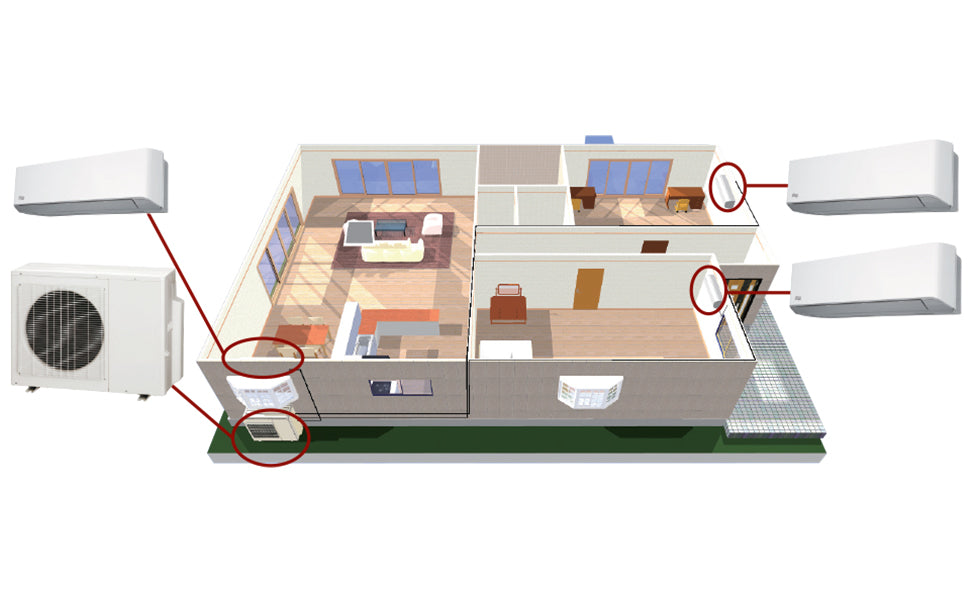
Mini split systems, commonly known as ductless air conditioners, represent a versatile and highly efficient approach to climate control. These innovative systems consist of an outdoor compressor unit paired with one or more indoor air handling units, connected by refrigerant lines rather than bulky ductwork.
The beauty of mini split technology lies in its flexibility. Unlike traditional central air systems that force conditioned air through extensive duct networks, mini splits deliver comfort directly where it's needed. This targeted approach eliminates the energy losses typically associated with ductwork while providing precise temperature control for individual rooms or zones.

Why Proper Sizing Is Critical
The dimensions and capacity of your mini split system directly influence its operational effectiveness and longevity. An undersized unit will struggle relentlessly to reach your desired temperature, leading to excessive energy consumption and premature wear on components. Conversely, an oversized system cycles on and off too frequently, preventing proper dehumidification and creating uncomfortable temperature fluctuations.
Consequences of Improper Sizing
- Undersized Units: Constant operation, higher utility bills, inadequate cooling/heating, shortened equipment lifespan
- Oversized Units: Short cycling, poor humidity control, uneven temperatures, wasted energy expenditure
- Properly Sized Units: Optimal efficiency, consistent comfort, lower operating costs, extended equipment life
Essential Factors for Choosing Your Size
Determining the appropriate capacity for your mini split involves evaluating several interconnected variables. Taking time to assess these factors thoroughly ensures you select a system that performs optimally for years to come.
Room Dimensions & Layout
The square footage of your space serves as the foundational calculation for BTU requirements. Larger areas naturally demand greater cooling and heating capacity, but room shape and ceiling height also play significant roles in determining the ideal unit size.
Insulation & Climate Zone
Well-insulated spaces retain conditioned air more effectively, potentially allowing for smaller capacity units. Meanwhile, homes in extreme climate regions—whether hot or cold—may require additional BTU capacity to maintain comfortable temperatures.
Window Exposure & Sunlight
Rooms with extensive windows, particularly those facing south or west, absorb significantly more solar heat. This thermal gain necessitates higher cooling capacity during warm months to counteract the greenhouse effect created by large glass surfaces.
Ceiling Height & Architecture
Standard BTU calculations assume typical eight-foot ceilings. Spaces featuring cathedral ceilings, lofted areas, or unconventional architectural designs contain greater air volume, requiring proportionally increased capacity for effective temperature management.
Mini Split Zone Configurations
Mini split systems offer remarkable flexibility through various zone configurations. Understanding these options helps you select the perfect setup for your specific needs and property layout.

Single Zone Systems
Perfect for individual rooms, additions, or supplementing existing HVAC. One outdoor unit connects to one indoor unit, providing targeted climate control for spaces up to 1,500 square feet.

Dual Zone Systems
Ideal for conditioning two separate areas independently. A single outdoor compressor powers two indoor units, allowing customized temperatures in each zone while sharing infrastructure costs.

Tri Zone Systems
Designed for medium-sized homes or commercial spaces requiring three distinct climate zones. Each indoor unit operates independently, delivering personalized comfort throughout multiple areas.
Quad Zone Systems
The ultimate solution for whole-home comfort without ductwork. Four indoor units connect to one powerful outdoor compressor, creating comprehensive climate control for larger residences.
Featured Multi-Zone Solution
Experience superior comfort with our premium dual-zone mini split system, delivering powerful heating and cooling for multiple areas.
Senville 36000 BTU Dual ZoneCalculating Your Ideal Mini Split Size
Arriving at the correct BTU rating involves a systematic approach that accounts for room characteristics and environmental factors. While professional assessments provide the most accurate results, these guidelines help you develop a reliable estimate.
Calculate Square Footage
Measure the length and width of each room you plan to condition. Multiply these figures to determine total square footage. For irregularly shaped spaces, divide the area into rectangular sections and sum the results.
Establish Base BTU Requirements
Apply the industry standard of 20 BTU per square foot as your starting point. A 500 square foot room would require approximately 10,000 BTU under typical conditions.
Apply Adjustment Factors
Modify your base calculation to reflect real-world conditions. Add 10% for high ceilings, 10% for sunny exposures, and 10% for kitchens. Subtract capacity for well-shaded or heavily insulated spaces.
Consider Occupancy Patterns
Rooms with heavy foot traffic or multiple occupants generate additional heat from body warmth and activity. Add 600 BTU for each person typically present beyond the first two occupants.
Sizing Mistakes to Avoid
Even experienced homeowners sometimes fall into common traps when selecting mini split capacity. Recognizing these pitfalls helps ensure your investment delivers the performance and efficiency you expect.
Critical Errors That Compromise Performance
- Overlooking Insulation Quality: Failing to account for poor insulation can leave you with an undersized system that struggles constantly to maintain temperature.
- Ignoring Room Configuration: Open floor plans, unusual layouts, and connected spaces affect airflow patterns and heat distribution beyond simple square footage calculations.
- Relying Solely on Square Footage: While room size provides a starting point, neglecting ceiling height, window coverage, and occupancy leads to inaccurate BTU estimates.
- Prioritizing Price Over Proper Sizing: Choosing a smaller, cheaper unit to save money upfront invariably costs more through higher energy bills and premature replacement.
The Value of Professional Assessment
While self-assessment provides helpful preliminary guidance, consulting with HVAC professionals delivers precision that calculations alone cannot achieve. Certified technicians perform comprehensive load analyses, evaluating factors including ductwork conditions, electrical capacity, and local climate data.
Professional installers also ensure proper placement of indoor and outdoor units, optimizing airflow patterns and minimizing noise transmission. Their expertise translates directly into enhanced system performance, reduced energy consumption, and extended equipment longevity—making professional involvement a worthwhile investment for most homeowners.
Frequently Asked Questions
Can a mini split be too powerful for a room?
Absolutely. Oversized units cycle on and off rapidly, preventing proper dehumidification and creating uncomfortable temperature swings. This short cycling also increases wear on components and reduces overall efficiency.
How does climate affect mini split sizing?
Regions experiencing extreme temperatures—whether hot summers or frigid winters—demand higher capacity systems to maintain comfort. Units rated for moderate climates may struggle to perform adequately in challenging environments.
Is professional installation necessary?
While some homeowners attempt DIY installation, professional setup ensures proper refrigerant charging, electrical connections, and unit placement. Improper installation can void warranties and significantly reduce system efficiency and lifespan.
Making Your Decision
Selecting the properly sized mini split air conditioner represents a critical step toward achieving lasting comfort and energy efficiency in your home. By carefully evaluating room dimensions, insulation quality, climate factors, and usage patterns, you position yourself to make an informed choice that delivers years of reliable performance. Remember that investing time in accurate sizing pays dividends through lower utility costs, consistent comfort, and extended equipment life.
Ready to Experience Superior Climate Control?
Discover our selection of premium mini split systems designed for optimal performance and efficiency.
Senville 36000 BTU Dual Zone