


 Damage
  Loss
Loss  Theft
Theft 


Adding Mini-Splits to an Existing HVAC System: A Guide for Contractors and Homeowners

For years, the HVAC industry relied on central air conditioning systems as the primary means of cooling and heating homes. While these traditional setups have served homeowners well, the landscape of climate control is evolving. Mini-split systems are rapidly gaining popularity as a versatile solution for temperature regulation in residential and commercial settings.
Unlike central air conditioning systems, mini-split systems operate without extensive ductwork. This characteristic makes them particularly appealing for older homes lacking existing infrastructure and for new additions where extending ductwork proves impractical or costly.
Advantages of Mini-Split Systems Over Central Air Conditioning
Incorporating a mini-split system into your existing HVAC arrangement presents numerous compelling benefits. These compact yet powerful units excel at delivering precise climate control while maintaining remarkable energy efficiency.
Installing a mini-split system can dramatically improve the comfort levels in spaces that your central unit struggles to adequately heat or cool. Additionally, you can enjoy independent temperature adjustment in each zone without affecting other areas of your property.
Reduced Energy Bills
According to the U.S. Department of Energy, mini-split systems can achieve up to 30% greater energy efficiency compared to traditional central systems, resulting in substantial cost savings on your monthly utility bills.
Zoned Climate Control
Mini-splits deliver personalized temperature settings for individual rooms or zones. This targeted approach eliminates the inefficiency of heating or cooling unoccupied spaces throughout your home.
Simple Maintenance
Maintaining mini-split systems proves remarkably straightforward. Regular filter cleaning and occasional professional inspections keep these units operating at peak performance for many years.
Types of Mini-Split Air Conditioning Systems
Before diving into the specifics of expanding the capacity of an existing mini-split system, understanding the fundamental configurations available in the market becomes essential. Mini-split systems primarily fall into two categories, each designed to address different cooling and heating requirements.
Multi-Zone Mini-Split Systems
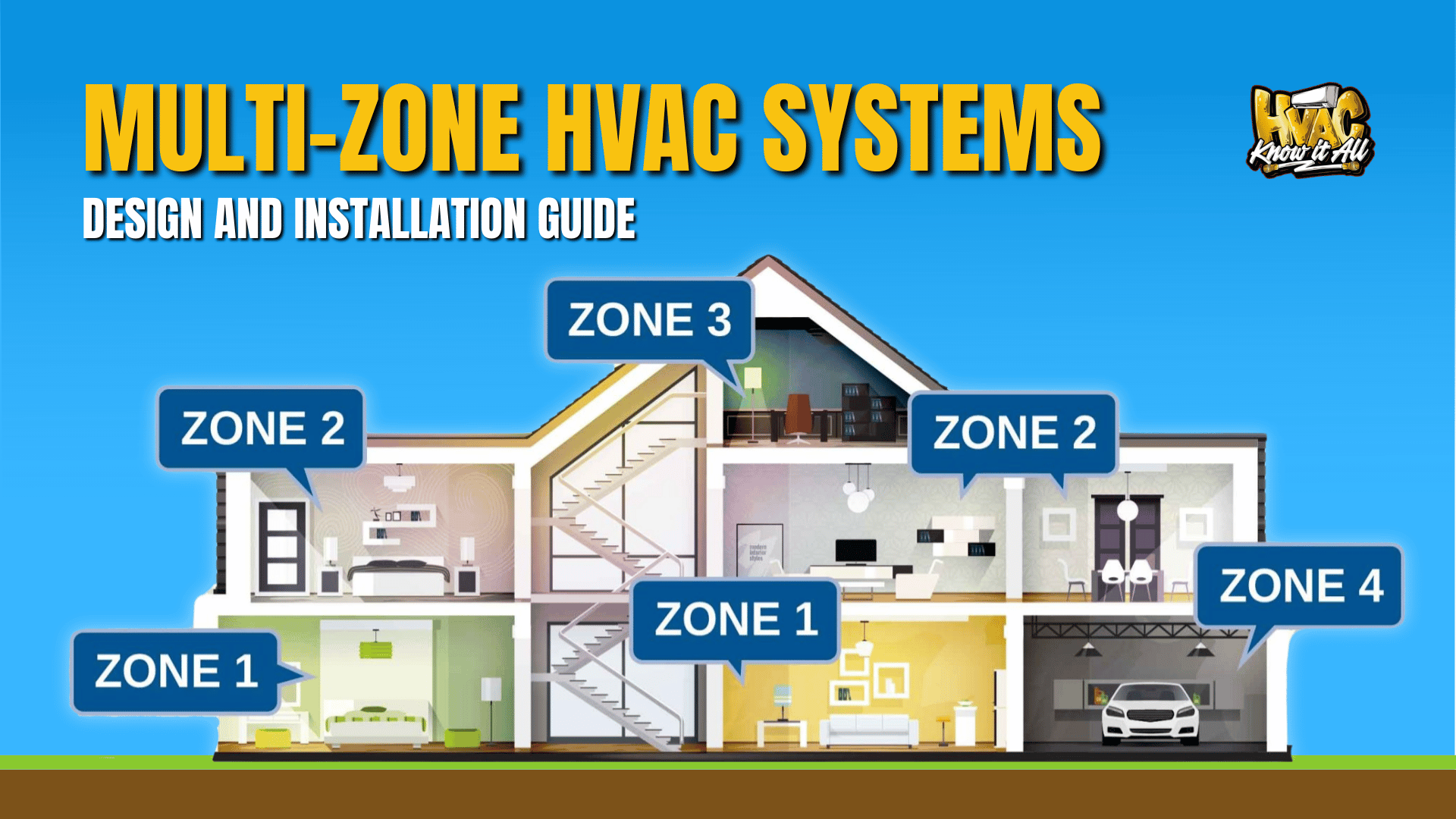
Multi-zone configurations connect multiple indoor air handlers to a single outdoor condenser unit. This arrangement proves ideal for properties requiring climate control across several distinct areas. The number of zones you can service depends on the outdoor unit's capacity and the thermal load requirements of each indoor space.
Indoor handlers can vary in style, including wall-mounted units, ceiling cassettes, and concealed ducted options. Each room operates independently with its own thermostat, providing customized comfort throughout your entire property.
Single-Zone Mini-Split Systems
Single-zone systems pair one indoor unit with one outdoor compressor, creating a dedicated climate control solution for a specific area. These configurations work exceptionally well for additions, converted garages, home offices, or any space requiring independent temperature management.
Single-zone systems offer remarkable simplicity in both installation and operation while delivering powerful cooling and heating capabilities. They represent an economical choice when addressing the climate needs of a single room or open floor plan area.
Ready to Upgrade Your Comfort?
Explore our selection of high-performance dual-zone mini-split systems designed for maximum efficiency and comfort.
Senville 36000 BTU Dual ZoneAdding Single-Zone Mini-Splits to Existing Central AC Systems
Integrating a single-zone mini-split into your existing central AC configuration provides an elegant solution for addressing problematic areas in your property. Perhaps you have a room that consistently runs too warm in summer or too cold in winter despite your central system's best efforts.
By positioning a mini-split unit in these challenging spaces, you create a dedicated climate zone that operates independently from your main system. This targeted approach resolves hot and cold spots without overburdening your central unit or requiring expensive ductwork modifications.
The installation process proves relatively straightforward compared to expanding central systems. A small hole through an exterior wall accommodates the refrigerant lines connecting the indoor and outdoor components, eliminating the need for extensive construction work.
Installation Considerations for Adding Single-Zone Mini-Splits
When contemplating the addition of a single-zone mini-split to a room with an existing central AC system, several factors warrant careful evaluation. First, assess whether the central system adequately serves the rest of your property. Adding the mini-split unit should complement, not replace, your existing infrastructure.
Consider the electrical requirements carefully. Most mini-split systems require a dedicated circuit, and your electrical panel must have capacity for this additional load. Consulting with a licensed electrician ensures your home's wiring can safely support the new equipment.
Placement of both indoor and outdoor units significantly impacts performance. Indoor handlers should mount on walls with adequate structural support and proper clearance for airflow. Outdoor condensers need sufficient ventilation and protection from direct sunlight when possible.
Adding Zones to an Existing Mini-Split System
Once homeowners experience the benefits of mini-split technology, many seek to expand their system's coverage. Whether you purchased a multi-zone outdoor unit with unused capacity or simply want to extend climate control to additional rooms, understanding the expansion process helps you plan effectively.
If your outdoor condenser already supports additional zones, adding indoor units becomes a straightforward process. Your existing outdoor unit may have unused connection ports designed for future expansion. In this case, a qualified technician can install new indoor handlers without replacing your outdoor equipment.
However, if your current outdoor unit operates at maximum capacity, adding zones requires either upgrading to a larger condenser or installing an entirely separate mini-split system for the new areas you wish to condition.
Can You Add More Indoor Air Handlers to a Single-Zone System?
Single-zone outdoor units are specifically engineered to power one indoor handler. Attempting to connect multiple indoor units to a single-zone condenser will result in inadequate performance, potential equipment damage, and voided warranties. If you need multiple zones, invest in a properly sized multi-zone system from the outset.
Adding to Multi-Zone Mini-Split Systems
Multi-zone mini-split systems are designed with expansion capabilities in mind. Many homeowners initially install fewer indoor units than their outdoor condenser can support, leaving room for future growth. This forward-thinking approach allows for gradual system expansion as needs evolve or budgets permit.
That said, you should evaluate whether your outdoor unit has remaining capacity before proceeding. Check the manufacturer specifications to determine the maximum number of zones supported and the total BTU capacity available. Each additional indoor handler draws from this shared pool of cooling and heating power.
Working with a qualified HVAC professional ensures proper load calculations and system balancing when adding new zones. Improper sizing or installation can compromise performance across all connected indoor units.
Installation Considerations for Expanding Multi-Zone Systems
Verify Compatibility
The new indoor unit must be compatible with your existing outdoor condenser. Using mismatched components from different manufacturers or product lines can cause operational issues and performance problems.
Calculate Refrigerant Requirements
Adding zones typically requires additional refrigerant charge. The amount depends on the length of line sets connecting new indoor units to the outdoor condenser. Only certified technicians should handle refrigerant adjustments.
Evaluate Electrical Capacity
Although indoor units draw minimal power individually, your electrical system must accommodate the cumulative load. Verify that existing circuits and breakers can handle additional equipment safely.
Professional Installation
As with any HVAC work, partnering with qualified professionals ensures optimal results. Certified technicians understand the nuances of system expansion, including proper vacuum procedures, leak testing, and commissioning requirements.
Making the Right Choice for Your Property
Whether you seek to supplement an existing central air system with targeted zone control or expand a current mini-split installation to cover additional areas, understanding your options empowers informed decision-making. Mini-split technology continues to advance, offering increasingly efficient and flexible solutions for residential and commercial climate control needs.
By carefully assessing your property's requirements, consulting with experienced HVAC professionals, and selecting appropriately sized equipment, you can create a comprehensive comfort system that delivers reliable performance for years to come.
Explore our complete selection of mini-split systems and find the perfect solution for your home.
Senville 36000 BTU Dual Zone