


 Damage
  Loss
Loss  Theft
Theft 


Heat Pump vs Mini Split: Essential Differences Every Homeowner Should Understand

Introduction
Selecting the right HVAC system can feel overwhelming, especially with so many options on the market today. As weather patterns become more unpredictable, heat pumps and mini splits have emerged as two of the most popular solutions for homeowners seeking reliable heating and cooling. Heat pumps are widely appreciated for their dual-function capability, handling both warming and cooling tasks with a single unit. Mini splits, on the other hand, stand out for their zone-based temperature control and ductless design. In this guide, we will break down how these two systems compare so you can make a well-informed decision for your home.
What Exactly Is a Heat Pump?
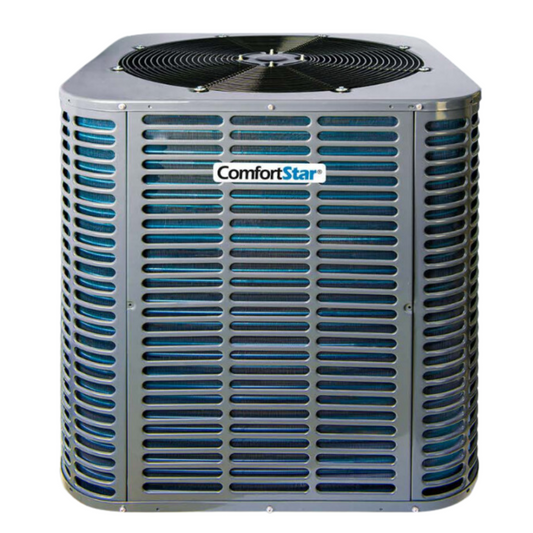
Heat pumps are adaptable, high-performance HVAC units designed to both heat and cool residential spaces. Rather than producing hot or cold air from scratch like conventional furnaces and air conditioners, heat pumps work by relocating thermal energy from one environment to another. During colder months, they capture warmth from the outdoor air and channel it indoors. When summer arrives, the cycle reverses—pulling excess heat out of your living space and venting it outside to keep things comfortable.
Several categories of heat pumps exist, each offering distinct characteristics:
Air Source Heat Pumps: Among the most prevalent varieties, these units draw thermal energy directly from the outdoor atmosphere. They perform exceptionally well in temperate climates and can significantly lower heating expenses when measured against traditional furnace systems.
Geothermal Heat Pumps: These systems tap into underground or water-based thermal sources for their energy. They deliver outstanding year-round heating and cooling regardless of outdoor conditions, though the need for ground or water loop infrastructure means higher upfront installation costs.
Ducted Heat Pump Systems: Designed to integrate with pre-existing duct networks, these units push conditioned air throughout the entire structure. They are an excellent fit for homes that already have ductwork in place, offering a cost-effective whole-home climate solution.
Ductless Heat Pumps: Commonly referred to as mini splits, these require no duct infrastructure at all. An outdoor compressor connects to one or multiple indoor air handlers without any ductwork between them, providing flexible, room-by-room temperature management—perfect for spaces that lack existing ducts.
Familiarizing yourself with these different categories will help you pinpoint the best match for your home's unique heating and cooling demands.
What Exactly Is a Mini Split?
Mini split systems, often referred to as ductless heat pumps, are highly practical and flexible climate control units tailored for individual rooms or designated areas of your residence. Unlike ducted setups, they eliminate the need for air duct infrastructure entirely. A mini split consists of an outdoor compressor linked to one or more indoor units through refrigerant tubing. This configuration lets you manage temperatures independently across different zones in your home, making them a superb choice for residences without existing ductwork.
There are multiple common types of mini split systems, each with its own set of strengths:
Single-Zone Mini Splits: These feature a single indoor unit paired with one outdoor compressor. They are ideal for conditioning a specific room or area, offering impressive energy efficiency with straightforward installation. They have become a go-to solution for homeowners looking to improve comfort in targeted spaces.
Multi-Zone Mini Splits: A single outdoor compressor serves multiple indoor air handlers simultaneously. Each indoor unit operates independently, enabling personalized temperature settings across various rooms. This makes them especially well-suited for larger homes where different zones require different climate conditions.
Ceiling Cassette Mini Splits: Mounted flush within the ceiling, these distribute air through multiple vents for uniform coverage. They are far less visually intrusive than wall-mounted alternatives and integrate seamlessly with room aesthetics. Ceiling cassettes work particularly well in spacious rooms or areas with limited wall space.
Floor-Mounted Mini Splits: Positioned near ground level, these are a practical option for rooms where wall or ceiling mounting is impractical—such as attics, basements, or spaces with low ceilings and restricted wall areas. They deliver effective heating and cooling from a convenient, accessible position.
Evaluating these mini split varieties will help you determine which type aligns best with your home's climate control requirements, balancing affordability with comfort.
Advantages and Disadvantages of Heat Pumps
Before committing to a heat pump for your property, it is wise to weigh both the benefits and the limitations. Heat pumps bring several compelling advantages to the table, though they are not without certain trade-offs. Here is a comprehensive look at what to expect.
Advantages
Energy Efficiency: Outstanding energy performance is a hallmark of heat pumps. Because they move thermal energy rather than generating it, they consume less power than conventional heaters, translating to meaningful savings on monthly utility bills.
Versatility: With the ability to both heat and cool, heat pumps serve as a complete year-round climate management solution. This dual capability eliminates the need for separate furnace and air conditioning units, streamlining your entire HVAC setup.
Environmentally Friendly: Since heat pumps rely on thermal transfer rather than combustion, they produce a smaller carbon footprint. By emitting fewer greenhouse gases, they present an eco-conscious option for homeowners committed to reducing their environmental impact.
Disadvantages
Higher Upfront Investment: The combined purchase and installation expenses for a heat pump can surpass those of conventional heating and air conditioning equipment.
Cold Weather Limitations: Air source heat pumps may struggle in regions with harsh winters, as their efficiency drops when outdoor temperatures plunge significantly. In these cases, a supplemental heating source might be necessary.
Advantages and Disadvantages of Mini Splits
Mini splits have become one of the most sought-after HVAC choices for homeowners thanks to their versatility and performance. Like all systems, however, they come with both merits and drawbacks. Here is a balanced overview to help you decide.
Advantages
Superior Efficiency: Mini splits frequently achieve higher SEER and COP ratings than traditional HVAC systems, meaning they deliver more cooling and heating output per unit of energy consumed—ultimately lowering your electricity costs.
Zone-Based Climate Control: By allowing independent temperature settings in individual rooms or zones, mini splits ensure that only occupied areas are being conditioned. This targeted approach can result in substantial energy savings over time.
No Ductwork Required: Mini splits bypass the need for air ducts entirely, making them a perfect fit for homes without existing duct infrastructure or for newly constructed additions. This simplifies the installation process and cuts costs related to duct modification or construction.
Disadvantages
Installation Expenses: While generally simpler to install than ducted alternatives, mini splits can still involve significant costs—particularly when multiple indoor units are needed to cover an entire home.
Visual Presence: The indoor air handling units are wall- or ceiling-mounted and may not complement every interior design style. In certain settings, they can appear bulky or difficult to blend with existing room decor.
Installation Process: Heat Pump vs Mini Split
Heat Pump Installation
Setting up a heat pump can be a detailed undertaking, particularly with ducted configurations. Here are the key phases typically involved:
Sizing and Selection
Choosing the correct size and model for your home is critical. Improper sizing leads to poor efficiency and inflated energy bills. Professionals perform load calculations based on square footage, insulation quality, window types, and regional climate to determine the ideal capacity.
Ductwork Evaluation
For ducted heat pump systems, existing ducts must be inspected for defects like leaks or blockages. Repairs or replacements may be needed to guarantee effective airflow throughout the entire conditioned air distribution network, which directly impacts system efficiency.
Outdoor Unit Positioning
The outdoor compressor is typically placed on a concrete pad or mounting brackets. It should be situated in an area with good ventilation while remaining shielded from debris and severe weather. Adequate clearance for maintenance access and distance from living areas to reduce noise are also important.
Indoor Unit Setup
In ducted systems, the indoor air handler is generally installed in a basement, attic, or utility room. It connects to the ductwork to circulate conditioned air throughout the home. Careful planning of unit placement is essential for maximizing operational efficiency.
Refrigerant and Wiring
Secure refrigerant line connections between the indoor and outdoor components, along with proper electrical wiring, are vital at this stage. This work must be handled by licensed technicians in compliance with local building codes. Well-sealed, insulated connections maintain system efficiency and prevent leaks.
Mini Split Installation
Installing a mini split system is generally quicker and less involved than setting up a ducted heat pump. The typical process includes:
Mounting Indoor Units
Indoor air handlers are secured to walls or ceilings in the rooms they will serve. They connect to the outdoor compressor via refrigerant lines that require only a small penetration through the wall. Strategic placement ensures even air distribution and optimized performance.
Outdoor Unit Installation
Similar to heat pumps, the outdoor compressor is mounted on brackets or a concrete slab. It needs adequate airflow, protection from the elements, and should be positioned away from high-traffic zones to minimize noise disruption while remaining accessible for servicing.
Refrigerant Line Connections
Refrigerant tubing runs between the indoor and outdoor units, enabling the system to transfer heat. These lines are typically enclosed in a protective conduit for added durability and a cleaner appearance. Proper insulation is essential to prevent energy loss.
Electrical Work
All indoor and outdoor components require electrical hookups. A certified electrician should handle this step, following all local regulations to ensure safe operation. Adequate power supply and correct wiring prevent electrical hazards and system malfunctions.
Gaining a clear picture of the installation requirements for both heat pumps and mini splits helps you plan more effectively and ensures your chosen system operates at peak efficiency from day one.
Heat Pump vs Mini Split: Pricing Breakdown and Budget Planning
Here is a thorough cost comparison of different heat pump and mini split system types to help you budget wisely. This side-by-side analysis covers unit prices and installation fees so you can clearly see what each option entails financially.
Heat Pump Price Overview
| Type | Unit Cost | Installation Cost | Total Cost |
|---|---|---|---|
| Air-Source Heat Pump | $2,000 – $5,500 | $1,300 – $2,000 | $3,300 – $7,500 |
| Geothermal Heat Pump | $3,000 – $6,000 | $10,000 – $30,000 | $13,000 – $36,000 |
| Ductless Mini Split | $1,000 – $3,500 | $500 – $1,500 | $1,500 – $5,000 |
| Gas-Fired Heat Pump | $3,000 – $6,000 | $1,300 – $2,000 | $4,300 – $8,000 |
Mini Split Price Overview by Brand
| Brand | System Only Cost | Installed Cost |
|---|---|---|
| Fujitsu | $6,040 | $7,180 |
| LG | $5,145 | $6,200 |
| Mitsubishi | $7,450 | $8,570 |
| Daikin | $5,690 | $6,950 |
| Samsung | $5,290 | $6,350 |
| Pioneer | $5,490 | $6,550 |
| Gree | $4,390 | $5,730 |
| Average | $5,400 | $6,790 |
Key Budget Considerations
Several important financial factors come into play when deciding between a heat pump and a mini split system:
Upfront Cost vs Long-Term Savings
Both heat pumps and mini splits may carry higher initial price tags compared to traditional HVAC systems, but their superior energy efficiency typically translates into lower monthly bills and meaningful long-term savings.
System Type Impact
The specific type of system you choose plays a major role in overall cost. Geothermal heat pumps demand expensive ground loop installations but deliver unmatched long-term efficiency. Ductless mini splits tend to be more affordable to install and are ideal for properties without existing ductwork.
Installation Complexity
The scope of installation work directly affects your bottom line. Ducted heat pumps may require extensive modifications to existing ductwork, while mini splits are less invasive and quicker to set up—especially in homes without pre-existing ducts.
Efficiency Ratings
Higher SEER (Seasonal Energy Efficiency Ratio) and HSPF (Heating Seasonal Performance Factor) ratings indicate better energy performance. Systems with top-tier ratings offer greater energy savings over time, though they may come with a higher purchase price.
Regional Climate
Your local weather conditions influence both system efficiency and operating costs. Air source heat pumps may underperform in extremely cold climates, where geothermal or gas-fired alternatives could be more practical and cost-effective choices.
By carefully weighing these factors, homeowners can select the most budget-friendly and efficient HVAC solution for their needs—one that ensures lasting comfort and energy savings.
Which System Is the Best Fit for You?
The right choice between a heat pump and a mini split hinges on several personal factors, including your home's layout, existing infrastructure, and specific heating and cooling requirements.
A Heat Pump May Be Right for You If:
✓ You require whole-home heating and cooling from a single system.
✓ Your property already has ductwork in place.
✓ You live in a moderate climate where air source models can run efficiently throughout the year.
✓ You want the convenience of a single unit that handles both heating and cooling.
A Mini Split May Be Right for You If:
✓ You want to heat or cool specific rooms or zones independently.
✓ Your home lacks ductwork, or you want to avoid the expense and hassle of duct installation.
✓ You prioritize high energy efficiency and precise temperature management.
✓ You are adding a new room or extension and need a flexible HVAC solution.
Final Thoughts
When comparing heat pumps and mini splits, the reality is that both systems offer distinct advantages and can serve as the ideal solution depending on your circumstances. Heat pumps provide a comprehensive, whole-home approach to climate control—perfect for properties with existing ductwork and moderate climates. Mini splits excel at delivering efficient, zone-based comfort without requiring any duct infrastructure, making them a top choice for homes without ducts or for targeted room-level control.
Ultimately, the best system for you depends on factors like your home's layout, your regional climate, your budget, and your specific comfort priorities. Take the time to assess these elements, and you will be well-positioned to make a confident, cost-effective decision that keeps your home comfortable all year long.

Looking for a Reliable Multi-Zone Mini Split Solution?
Senville AURA 18000 BTU Multi Zone