Damage
  Loss
Loss  Theft
Theft 


Understanding Multi-Zone Mini Split Systems: Your Complete Installation Guide
Discover how advanced climate control technology can transform your property's comfort while maximizing energy efficiency
When it comes to heating and cooling multiple spaces efficiently, multi-zone mini split systems have emerged as the premier solution for property owners seeking flexibility and performance. These sophisticated climate control units offer targeted temperature management across different areas, making them ideal for workshops, outbuildings, construction sites, and residential properties alike.
Unlike traditional HVAC systems that force a single temperature throughout your entire space, multi-zone mini splits provide independent climate control for each connected area. This comprehensive guide explores everything you need to know about these versatile systems, from their operational mechanics to installation considerations and long-term benefits.
Premium Multi-Zone Solution
Experience superior climate control with professional-grade equipment designed for demanding environments
Senville AURA 18000 BTU Multi-Zone

What Are Multi-Zone Mini Split Systems and How Do They Function?
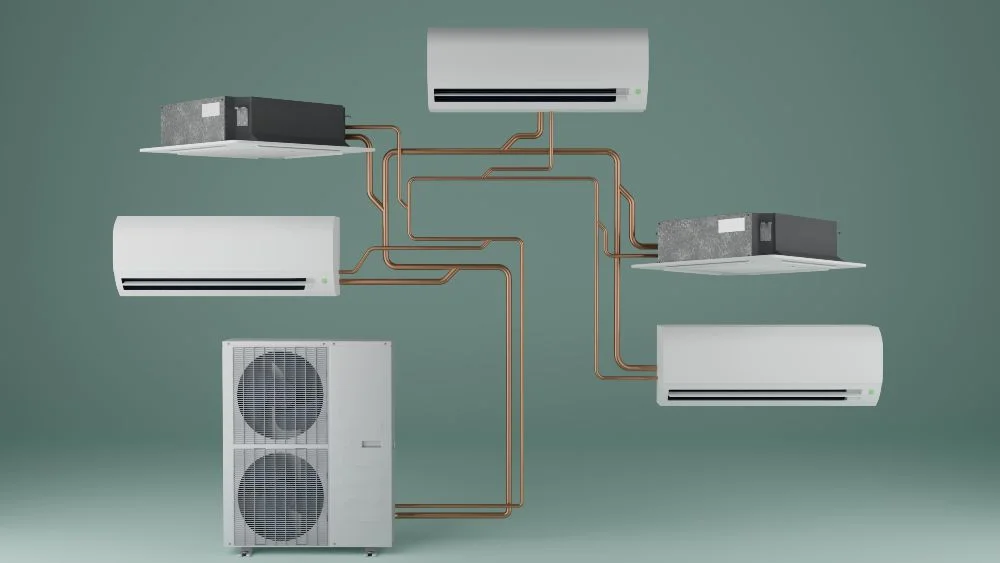
Multi-zone mini split systems represent an advanced approach to climate control, connecting a single outdoor compressor unit to multiple indoor air handlers. Each indoor unit operates independently, allowing you to maintain different temperatures in various rooms or buildings simultaneously.
The outdoor condensing unit houses the compressor and heat exchange components, while sleek indoor units distribute conditioned air exactly where needed. These components connect through refrigerant lines and electrical wiring, typically requiring only a small penetration through your exterior wall.
Key System Components
Outdoor Condenser Unit: Houses the compressor, condenser coil, and expansion valve. This rugged unit withstands outdoor conditions while efficiently managing heat transfer.
Indoor Air Handlers: Wall-mounted, ceiling-recessed, or floor-standing units that deliver conditioned air. Each operates independently with its own thermostat control.
Refrigerant Lines: Copper tubing that circulates refrigerant between outdoor and indoor units, facilitating heat transfer in both heating and cooling modes.
Operational Mechanics: The Science Behind Multi-Zone Comfort
The technology behind multi-zone mini splits leverages heat pump principles to transfer thermal energy rather than generate it through combustion. During cooling operation, indoor units extract heat from your space and transfer it outdoors. The process reverses for heating, pulling warmth from outdoor air even in cold conditions and delivering it inside.
What sets multi-zone systems apart is their ability to modulate compressor speed and direct refrigerant flow to active zones only. If you're heating your workshop but not your storage building, the system intelligently allocates resources where needed, maximizing efficiency and reducing energy waste.
Advanced inverter technology continuously adjusts compressor output to match demand precisely. Rather than cycling on and off repeatedly like conventional systems, the compressor runs at variable speeds, maintaining consistent temperatures while consuming less electricity and extending equipment lifespan.
Critical Factors to Consider Before Installation
Selecting the right multi-zone system requires careful evaluation of your specific requirements. Proper planning ensures optimal performance and prevents costly mistakes down the road.
Capacity and BTU Requirements
Accurately calculating heating and cooling loads prevents undersized or oversized installations. Consider square footage, insulation quality, ceiling heights, window placement, and local climate conditions. A system too small struggles to maintain comfort, while an oversized unit cycles inefficiently and fails to dehumidify properly.
Zone Configuration Planning
Determine which areas require independent climate control. Common configurations include separate zones for workshops, offices, storage areas, and living quarters. Each zone should have distinct usage patterns or thermal characteristics justifying individual control.
Installation Location Assessment
The outdoor unit requires adequate clearance for airflow and service access. Consider noise impact on neighboring properties, protection from extreme weather, and proximity to indoor units to minimize refrigerant line length. Indoor units need proper wall space, drainage access, and strategic positioning for optimal air distribution.
Electrical Requirements
Multi-zone systems typically require dedicated 240-volt circuits. Verify your electrical panel capacity and consult with a licensed electrician to ensure proper wiring, circuit protection, and compliance with local electrical codes.
Advantages of Multi-Zone Mini Split Technology
Multi-zone mini splits deliver compelling benefits that make them increasingly popular for diverse applications, from residential additions to commercial workshops and agricultural buildings.
Superior Energy Efficiency
By heating and cooling only occupied spaces and eliminating ductwork energy losses, multi-zone systems significantly reduce utility costs. Many models achieve SEER ratings exceeding 20, translating to substantial long-term savings compared to conventional systems.
Independent Zone Control
Each space maintains its ideal temperature regardless of other zones. Keep your workshop comfortably warm while leaving storage areas unheated, or cool your office without wasting energy on vacant spaces.
Simplified Installation
Without ductwork requirements, installation proves faster and less invasive than traditional HVAC systems. This advantage particularly benefits retrofit projects, outbuildings without existing duct infrastructure, and properties where ductwork installation would be prohibitively expensive.
Whisper-Quiet Operation
Modern mini splits operate remarkably quietly, with indoor units producing sound levels as low as 19 decibels. The outdoor compressor unit can be positioned away from sensitive areas, further minimizing noise disruption.
Enhanced Air Quality
Multi-stage filtration systems remove dust, pollen, and other airborne contaminants. Without ductwork accumulating debris, air quality remains consistently superior compared to ducted systems requiring regular duct cleaning.
Year-Round Climate Control
Heat pump technology delivers both cooling and heating from a single system, eliminating the need for separate furnaces or air conditioners. Many models maintain heating efficiency even when outdoor temperatures drop below freezing.

Professional Installation: What to Expect
While some experienced DIY enthusiasts tackle mini split installation, professional installation ensures optimal performance, maintains warranty coverage, and complies with local building codes. Understanding the process helps you prepare your property and set realistic expectations.
Pre-Installation Planning
Qualified technicians assess your property, verify electrical capacity, identify optimal equipment placement, and calculate precise heating and cooling loads. This planning phase proves critical for system success and typically occurs several days before installation begins.
Outdoor Unit Placement
The condenser unit mounts on a level pad or wall brackets with adequate clearance for airflow and maintenance access. Technicians ensure proper drainage, protection from extreme weather, and compliance with setback requirements from property lines and structures.
Indoor Unit Installation
Each indoor unit mounts securely to interior walls with proper backing support. Installation includes precise hole drilling for refrigerant lines and electrical connections, careful line routing to minimize visual impact, and proper condensate drainage configuration.
System Connection and Testing
After connecting all components, technicians evacuate air and moisture from refrigerant lines, charge the system with precise refrigerant amounts, verify electrical connections, test all zones independently, and demonstrate operation to ensure you understand system controls.
Maintenance Requirements for Optimal Performance
Multi-zone mini splits require minimal maintenance compared to traditional HVAC systems, but regular attention ensures peak efficiency and extends equipment lifespan significantly.
Monthly Tasks
Clean or replace indoor unit air filters every 30 days during peak usage seasons. Dirty filters restrict airflow, reduce efficiency, and strain system components. Most filters slide out easily for quick cleaning with mild soap and water.
Inspect outdoor unit area for debris accumulation, vegetation encroachment, or obstructions blocking airflow. Maintain recommended clearance around the condenser to ensure proper heat exchange.
Seasonal Maintenance
Before cooling season begins, clean indoor unit coils and drain pans. Check condensate drain lines for blockages that could cause water backup and damage. Verify outdoor unit fins remain straight and undamaged.
Prior to heating season, remove accumulated debris from outdoor unit, test system operation in heating mode, and inspect for any unusual sounds or performance issues requiring professional attention.
Annual Professional Service
Schedule yearly inspections with qualified HVAC technicians who verify refrigerant levels, test electrical connections, measure system performance, clean coils thoroughly, and identify potential issues before they become expensive repairs. Professional maintenance typically extends equipment life by years while maintaining efficiency.
Popular Applications for Multi-Zone Systems
The versatility of multi-zone mini splits makes them ideal for numerous scenarios where traditional HVAC systems prove impractical or inefficient.
Workshops and Garages
Maintain comfortable working conditions year-round without expensive ductwork installation. Independent zone control lets you heat or cool active work areas while leaving storage sections uncontrolled.
Residential Additions and Renovations
Adding climate control to new construction or converted spaces becomes straightforward without extending existing ductwork. Bonus rooms, finished basements, and converted attics benefit tremendously from dedicated mini split zones.
Agricultural and Livestock Buildings
Protect valuable equipment, maintain optimal storage conditions, or create comfortable spaces for livestock management. Multi-zone capability allows different temperature requirements across various building sections.
Commercial and Retail Spaces
Small businesses benefit from flexible climate control that adapts to varying occupancy levels and business hours. Operate only necessary zones during off-peak times to reduce overhead costs significantly.
Guest Houses and Accessory Dwelling Units
Provide independent climate control for separate living quarters without complex infrastructure requirements. Energy efficiency ensures minimal impact on utility costs even when both spaces operate simultaneously.
Investment and Long-Term Value Analysis
Understanding the complete financial picture helps you make informed decisions about multi-zone mini split systems. While upfront costs exceed basic window units, the long-term economics tell a compelling story.
Initial equipment and installation expenses vary based on system capacity, number of zones, brand selection, and installation complexity. A typical multi-zone system serving three to four areas ranges from moderate to significant investment depending on capacity requirements and equipment quality.
Operating Cost Advantages
Energy efficiency translates directly to reduced monthly utility bills. High SEER ratings mean less electricity consumption compared to conventional systems, while zone control prevents wasted energy conditioning unused spaces.
Many property owners report energy cost reductions of thirty to forty percent after switching from traditional systems. These savings accumulate substantially over the equipment's expected fifteen to twenty-year lifespan.
Maintenance costs remain minimal compared to conventional systems requiring regular duct cleaning and more frequent component replacement. The combination of lower operating expenses and reduced maintenance requirements typically delivers positive return on investment within five to seven years.
Common Issues and Troubleshooting Guidelines
While mini splits prove remarkably reliable, understanding common issues helps you address minor problems quickly and recognize when professional service becomes necessary.
Reduced Cooling or Heating Performance
Check air filters first—dirty filters cause most performance complaints. Verify outdoor unit fins remain clean and unobstructed. If performance issues persist after basic maintenance, refrigerant levels may require professional assessment.
Water Leakage from Indoor Unit
Condensate drainage problems typically stem from clogged drain lines or improper installation pitch. Clear blockages with compressed air or mild cleaning solution. Persistent drainage issues require professional evaluation to prevent water damage.
Unusual Noises During Operation
Some operational sounds prove normal, including refrigerant flow and occasional compressor cycling. However, grinding, squealing, or rattling indicates potential component problems requiring immediate professional attention to prevent system damage.
System Not Responding to Controls
Verify power supply at circuit breakers and check remote control batteries. Reset the system by turning off power for several minutes before restarting. Control communication issues may require technician diagnosis of electrical connections or control boards.
Environmental Benefits and Sustainability
Beyond personal comfort and cost savings, multi-zone mini splits contribute positively to environmental conservation through reduced energy consumption and modern refrigerant technology.
Heat pump operation requires significantly less energy than systems generating heat through combustion or electric resistance. By moving heat rather than creating it, mini splits achieve remarkable efficiency that translates to reduced carbon emissions from power generation.
Modern systems utilize environmentally responsible refrigerants with low global warming potential. Manufacturers continue advancing refrigerant technology, ensuring new systems minimize environmental impact while maintaining exceptional performance.
Zone control eliminates energy waste conditioning unoccupied spaces, amplifying environmental benefits beyond equipment efficiency alone. This intelligent resource allocation reduces overall electricity demand during peak periods, supporting grid stability while lowering your environmental footprint.
Ready to Transform Your Climate Control?
Invest in professional-grade multi-zone technology that delivers comfort, efficiency, and reliability for years to come
Explore Senville AURA 18000 BTU SystemMaking the Right Choice for Your Property
Multi-zone mini split systems represent proven technology delivering exceptional performance across diverse applications. Whether conditioning a workshop, upgrading your home comfort, or managing multiple outbuildings, these systems provide flexible solutions traditional HVAC cannot match.
The combination of energy efficiency, installation simplicity, and operational flexibility makes multi-zone mini splits increasingly popular among property owners prioritizing long-term value over short-term costs. Professional installation ensures optimal performance while maintaining warranty coverage and code compliance.
As climate control technology continues advancing, multi-zone mini splits remain at the forefront of efficient, effective, and environmentally responsible heating and cooling solutions. Investing in quality equipment and professional installation delivers comfort, savings, and reliability for decades ahead.