


 Damage
  Loss
Loss  Theft
Theft 


8 Steps to Install a Mini & Split Air Conditioner Easily
Table of Contents
- Tools You'll Need for Mini Split Installation
- 8 Steps to Install a Ductless Mini Split
- 5 Safety Tips for Split Air Conditioner Installation
- How Much Does It Cost to Install a New Mini Split AC?
- DIY Installation or Hiring a Professional?
- Choosing the Best Ductless Mini Split for Your Home
- Conclusion
- FAQ
During the warmer months, keeping your home at a comfortable temperature can feel like a challenge — especially if you're dealing with older cooling systems that hike up your energy bills. A mini split air conditioner offers a streamlined, energy-efficient alternative that doesn't require ductwork or complex renovations.
Whether you're upgrading an existing setup or installing climate control for the first time, this guide covers every tool, every step, and every safety measure you need to get the job done right.
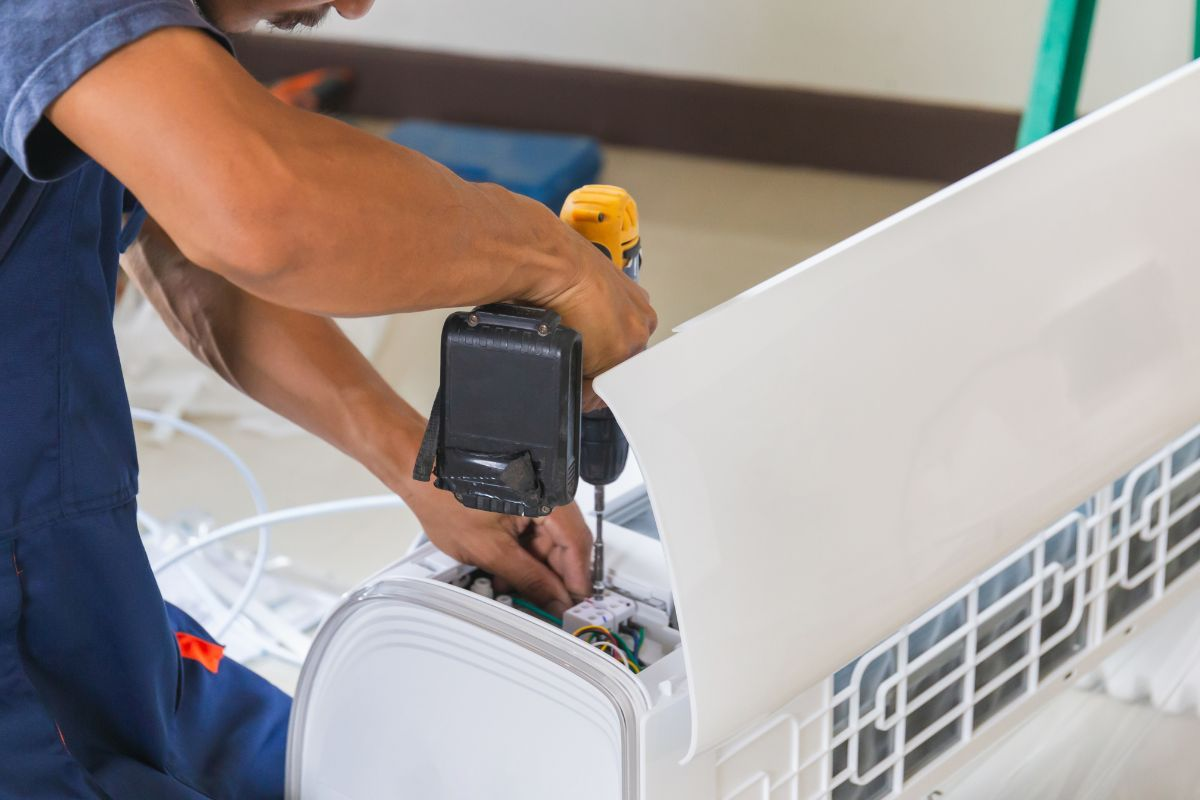
Prepare These Tools for Mini Split Air Conditioner Installation
Before you begin the installation, gather every tool and material you'll need so you can work through each step without unnecessary interruptions. Having everything within arm's reach keeps the process smooth and helps you avoid costly mistakes.
The essentials typically include:
Pro Tip: Many mini split kits ship with a mounting plate, refrigerant lines, and basic hardware — but you'll still need your own power tools and a vacuum pump for a proper installation.
8 Steps to Install a Ductless Mini Split Air Conditioner
Once you have your tools ready, it's time to walk through each phase of the installation process. These eight steps cover everything from picking the right wall to flipping the unit on for the first time. Let's go through them in order so nothing gets missed.

5 Safety Tips for Split Air Conditioner Installation
The urge to rush through an installation is understandable, but cutting corners with a split air conditioner can result in property damage, refrigerant exposure, or electrical injury. Keep these five safety guidelines front of mind from start to finish.
Cut Power at the Breaker
Always disconnect the circuit breaker before handling any wiring. Never assume a line is dead — test it with a voltage meter first.
Wear Proper Safety Gear
Safety glasses, gloves, and closed-toe shoes are non-negotiable. Refrigerant can cause frostbite on contact, and metal shavings from drilling can injure unprotected eyes.
Handle Refrigerant Carefully
Refrigerant lines are pressurized. Only open valves when the system is properly evacuated and follow the manufacturer's pressure specifications to the letter.
Verify Local Building Codes
Some regions require permits or licensed HVAC technician involvement for refrigerant work. Check your local requirements before starting to avoid fines or failed inspections.
Use a Stable Ladder or Platform
Indoor units mount high on the wall. Use a sturdy ladder on level ground and have a second person nearby to stabilize equipment and hand you tools.
How Much Does It Cost to Install a New Mini Split AC?
The total cost of a mini split installation can range from roughly $1,500 to $5,000+, depending on BTU capacity, brand, and whether you hire a professional or tackle it yourself. A single-zone DIY setup can land on the lower end of that spectrum, while multi-zone systems with professional installation can climb significantly higher.
Equipment Only
$700 – $2,500
Professional Labor
$800 – $2,500
Full Installed (Avg.)
$1,500 – $5,000+
Factors like line set length, electrical upgrades, and permitting fees also contribute. If you choose the DIY route and already own the necessary tools, your biggest expense will be the unit itself — which makes selecting the right system all the more critical.
DIY Installation or Hiring a Professional?
Deciding between DIY and professional installation comes down to your comfort level with electrical work, refrigerant handling, and wall modifications. If you have experience with home improvement projects and own the right tools, a DIY installation can save you anywhere from $800 to $2,500 in labor costs.
⚡ DIY Installation
Best for experienced homeowners who are comfortable working with power tools, refrigerant, and basic electrical connections. Significant cost savings but requires careful attention to manufacturer instructions.
Savings: $800 – $2,500 in labor
🛠️ Professional Installation
Recommended if you're unfamiliar with HVAC systems or your local codes require a licensed technician. Professionals ensure proper refrigerant charge, electrical safety, and warranty compliance.
Cost: $800 – $2,500 for labor
However, if you have any doubts about handling refrigerant or meeting code requirements, hiring a certified HVAC technician is the smarter and safer choice. Many manufacturers also require professional installation to keep your warranty valid.
How to Choose the Best Ductless Mini Split for Your Home
With so many options on the market, it helps to narrow down your search based on a few key factors:
Room Size & BTU Capacity: A general guideline is roughly 20 BTU per square foot. An 18,000 BTU unit comfortably covers a space of up to 900 square feet — making it ideal for larger living rooms, open-plan areas, or converted garages.
Energy Efficiency (SEER Rating): Look for units with a SEER rating of 18 or higher. Higher SEER numbers translate to lower electricity bills and a smaller environmental footprint over the life of the system.
Heating & Cooling: If you live in a region with cold winters, choose a heat pump model that provides both cooling and heating. This dual functionality eliminates the need for a separate heating system.
Brand Reliability & Warranty: Stick with established brands that offer solid warranties and accessible customer support. A longer compressor warranty is a strong indicator of manufacturer confidence in their product.
In Conclusion
Installing a mini split air conditioner is a manageable project for homeowners who are prepared with the right tools and a clear understanding of each step. From choosing the optimal wall location to running the final system test, every detail matters when it comes to achieving efficient, long-lasting climate control in your home.
Whether you decide to go the DIY route or bring in a professional, the most important thing is that the job gets done safely and correctly. A well-installed mini split will deliver reliable comfort for years to come — and noticeably lower energy bills along the way.
Frequently Asked Questions
Is It Necessary to Drill a Hole in the Wall for a Mini-Split Heat Pump?
Yes. A hole through the exterior wall is required to route the refrigerant lines, electrical wiring, and condensate drain between the indoor and outdoor units. The opening is typically around three inches in diameter and is sealed with putty or a wall sleeve after installation to prevent air leaks and moisture intrusion.
What Are the Key Advantages of a Mini Split Air Conditioner?
Mini splits offer exceptional energy efficiency because they avoid the duct losses common in traditional central air systems. They provide zone-based climate control, operate quietly, and are easier to install in spaces where ductwork would be impractical or prohibitively expensive — including garages, sunrooms, and older homes.
What Is the Best Temperature Setting for a Mini Split Air Conditioner?
For a balance of comfort and energy savings, most experts recommend setting your mini split to around 72–78 °F during summer and 68–72 °F during winter. Every degree you adjust can impact your electricity bill by roughly 1–3%, so finding the sweet spot that works for your household is worth the effort.
Can a Mini Split Cool More Than One Room?
Absolutely. Multi-zone mini split systems connect multiple indoor air handlers to a single outdoor compressor, allowing you to control the temperature independently in each room. This is a highly efficient solution for whole-home comfort without the need for traditional ductwork.
You May Also Enjoy
• Can One Mini Split Cool an Entire Home?
• Best Time to Replace Your Mini Split: Key Signs to Watch
• The Pros and Cons of Ductless Mini Splits
• Why Is My Mini Split Not Cooling? Troubleshooting Tips