


 Damage
  Loss
Loss  Theft
Theft 


Mini Split Systems Explained: How They Work & Why They Matter

Mini split systems are a category of heat pump designed to deliver both heating and cooling without the need for ductwork. They're highly efficient, won't clutter your home with bulky vents, and keep every room at the perfect temperature year-round. Although the upfront investment can be higher than traditional HVAC units, the energy savings and the ability to create independent climate zones throughout your living space make mini splits a smart, long-term choice for any homeowner.
At a Glance
✓ Top-rated mini splits are significantly more energy-efficient than conventional HVAC — they transfer heat instead of creating it.
✓ A single system handles both heating and cooling, cutting down on equipment and utility costs.
✓ Zone-based climate control lets you condition individual rooms, reducing energy waste and lowering your bills.
What Exactly Are Mini Splits?
If you've been researching HVAC upgrades, chances are you've come across the terms "mini split" or "ductless air conditioner." These systems are growing in popularity thanks to their flexibility and impressive efficiency. Unlike traditional central air setups, mini splits don't rely on a network of ducts to distribute conditioned air. Instead, they can be installed virtually anywhere, providing both warm and cool air wherever it's needed.
Sometimes referred to as ductless mini-split systems or mini-split heat pumps, these units use the same fundamental principles as standard air conditioning — but with important differences. Rather than generating hot or cold air on their own, mini splits extract thermal energy from the surrounding air and redirect it. They don't need ductwork, which makes them more adaptable and efficient. Typically wall-mounted, each indoor unit serves a specific room, giving you the power to heat or cool only the spaces you're actually using.
How Do Mini Split Systems Actually Work?
The secret behind a mini split's performance is heat transfer. Instead of burning fuel or using electric coils to create warmth or coolness, the system moves existing heat from one place to another. During hot months, it pulls heat out of your indoor air and sends it outside, effectively cooling your rooms. When temperatures drop, it reverses the cycle — drawing heat from the outdoor air and channeling it inside.
This dual-direction capability makes mini splits up to three times more efficient than conventional heating and cooling equipment. Modern units take this even further with variable-speed compressor technology. Rather than running at full blast and cycling on and off, these compressors adjust their output in real time to match the exact demand of your home — delivering consistent comfort while using less electricity.

The Benefits of Mini Split Heating & Cooling
Lower Energy Consumption
Since mini splits move heat rather than generate it, they naturally consume less electricity than traditional systems. The absence of ductwork also eliminates the energy losses — often up to 30% — that come with forced-air setups.
All-in-One Versatility
One mini split system can heat, cool, dehumidify, and purify the air in your home. That's fewer appliances to buy, fewer units to maintain, and a simpler overall approach to indoor comfort.
Room-by-Room Control
With independent temperature settings for each zone, mini splits let you keep every area of your home exactly the way you like it — no more fighting over the thermostat or paying to condition empty rooms.
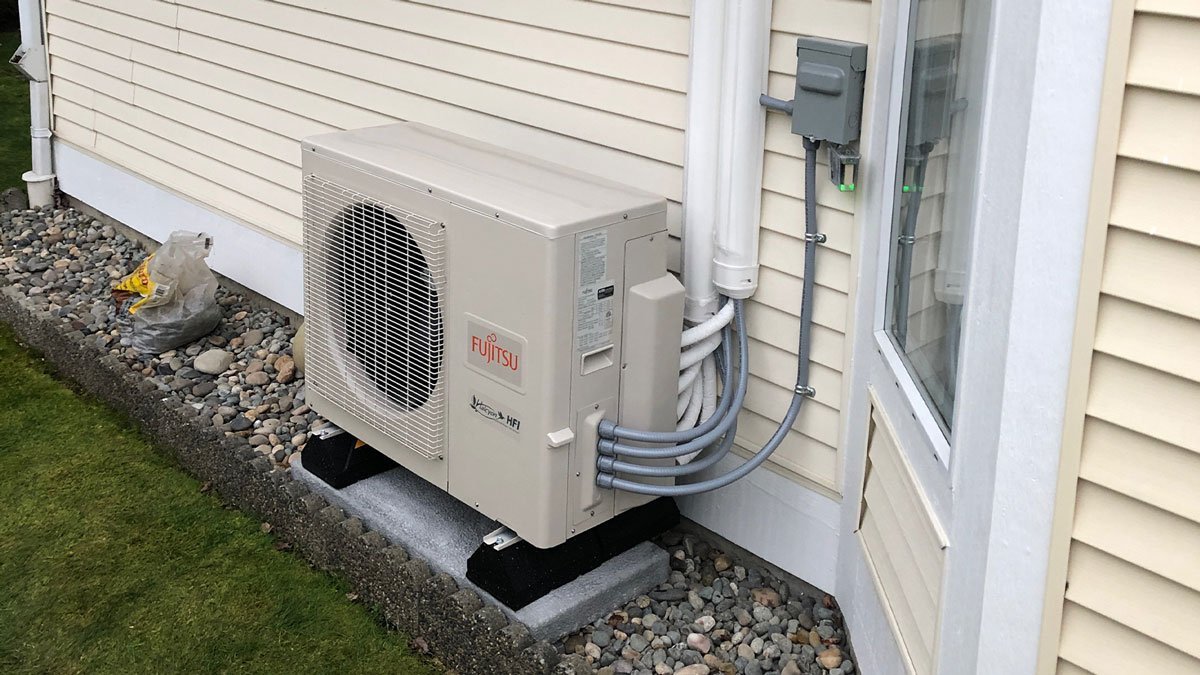
Potential Drawbacks to Keep in Mind
Higher Initial Investment
There's no getting around it — purchasing and installing a mini split system costs more upfront than many conventional alternatives. That said, the ongoing energy savings and reduced maintenance expenses can recoup that investment over time, making it a financially sound decision in the long run.
Indoor Unit Visibility
Unlike hidden ductwork vents, mini split indoor units are mounted on the wall and are more noticeable. While manufacturers have made significant strides in creating sleeker, more modern-looking designs, some homeowners still find them less visually appealing than a traditional setup.
Is a Mini Split Right for You?
Mini splits are an excellent match for homes that lack existing ductwork, older properties where adding ducts would be impractical or too costly, and spaces like additions, converted garages, or sunrooms that need independent climate control. They're also a top pick for environmentally conscious homeowners who want to cut their energy consumption and reduce their overall carbon footprint.
If you're considering making the switch, the best approach is to work with a qualified HVAC professional who can assess your home's specific needs. A properly sized and installed system will deliver maximum efficiency and comfort for years to come — and with the right unit, you'll wonder why you didn't make the change sooner.