


 Damage
  Loss
Loss  Theft
Theft 


Ductless Mini Split Maintenance & Cleaning: The Complete Guide
Ductless AC and mini split systems have quickly become a go-to solution for homeowners who want reliable, energy-efficient comfort without the hassle of traditional ductwork. But like every HVAC system, they need routine care to keep delivering that cool breeze in summer and cozy warmth in winter. Staying on top of mini split maintenance on a regular basis is a smart, budget-friendly way to catch small problems early — before they snowball into expensive repairs.
If you enjoy tackling projects around the house, you may already have a good handle on how to maintain a ductless split system yourself. While everyday tasks like filter cleaning are straightforward enough for most people, the more involved work — such as deep coil cleaning or refrigerant checks — is best left to a certified HVAC professional. A trained technician will follow factory-recommended procedures, keep your system properly updated, and spot potential issues before they become serious headaches.
Do Mini Splits Need Annual Maintenance?
Absolutely — and in many ways, their maintenance needs mirror those of conventional ducted air systems. Most manufacturers and HVAC professionals recommend scheduling a thorough inspection and cleaning at least once a year. Think of it like an annual health check for your home comfort setup.
Keeping up with regular servicing helps your mini split work smarter, not harder. A well-maintained unit delivers consistent comfort, runs more efficiently, and can serve your household dependably for many years. And since the system involves both indoor and outdoor components, each side deserves equal attention during those yearly checkups.

Mini Split Cleaning How-To
Understanding how to clean a mini split system is something every homeowner should have in their toolkit. Below you'll find practical cleaning tips for both homeowners and an overview of what an experienced HVAC technician would handle during a deeper service visit.
For regular homeowner maintenance, your cleaning checklist should include:
Wipe down the outer cabinet of your indoor unit using a soft cloth or handheld vacuum to keep dust and buildup at bay.
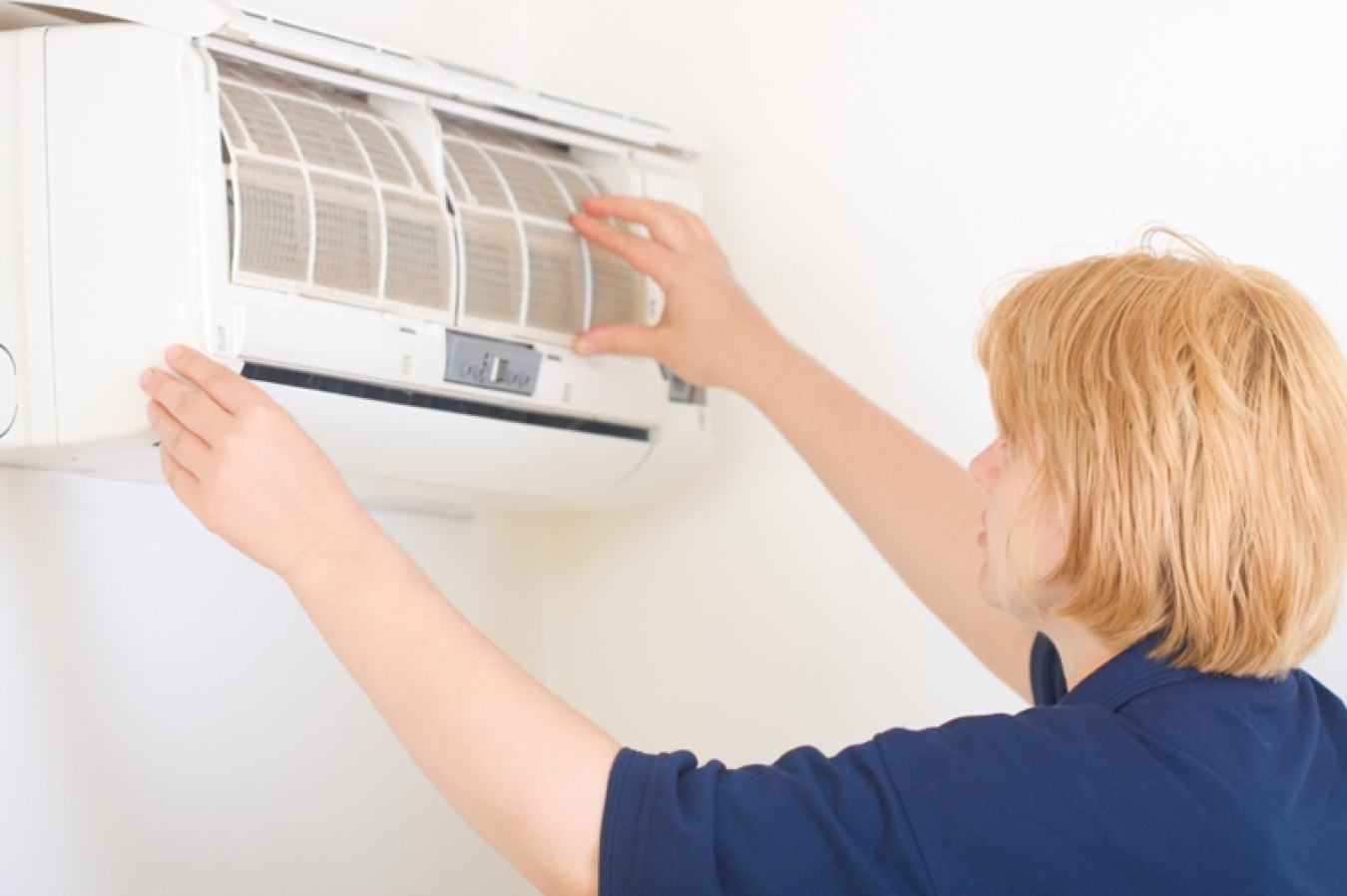
Every four to six weeks, remove and clean the indoor air filter per the manufacturer's instructions. Always turn the system off before opening the cabinet.
When the power is off, carefully dust and vacuum inside the cabinet to remove any trapped dirt or debris.
Check the outdoor condenser regularly — clear away accumulated leaves, sticks, and other debris from around and beneath the unit. Verify the drain line for clogs.
With the system powered down, you can gently rinse the outdoor coils with a garden hose — never use a high-pressure washer, as this can damage the delicate fins.
When you bring in a qualified HVAC technician for a deeper service, they'll typically:
Inspect, clean, or replace the air filters. The best cleaning method depends on the filter type and your specific system model.
Clean and flush all removable internal parts, including the blower fan, evaporator coil, and condensate drain pan.
Apply a professional-grade coil cleaner to the indoor coil, which may also involve a specialized fungicidal or antibacterial solution to prevent mold and bacteria growth.
Thoroughly clean both the indoor evaporator and outdoor condenser units using commercial-grade cleaning solutions and rinses.
Examine all system components — including mounting hardware, wiring connections, and refrigerant lines. They'll check for ice formation, unusual discharge, or signs of a refrigerant leak.
Mini Split Coil Cleaning Tips
Occasionally, the coils inside your mini split heat pump or air conditioning system need more attention than a standard maintenance session provides. If you're thinking about tackling coil cleaning yourself, it's important to know when it's better to step back and call a professional instead. Here are some clear signals that a technician should handle it:
⚠️ You notice excessive condensation, ice buildup, or frosting on the coil surfaces.
⚠️ A component appears cracked or damaged and you're unsure how to safely repair or replace it.
⚠️ You see signs of water or condensate leaking from or near the indoor unit.
⚠️ There's no airflow or noticeably reduced airflow coming from the indoor head.
⚠️ Unusual sounds — grinding, rattling, or buzzing — are coming from the indoor or outdoor unit.
How To Clean Mini Split Filters
A quick step-by-step you can follow at home
Power off the system completely.
Open the front cabinet door on the indoor unit.
Gently slide out the air filters — they usually detach easily, so pay attention to how they sit in the cabinet.
Wash the filters using a light vacuum or rinse with lukewarm water, following what the manufacturer recommends.
Reinstall the dry, clean filters carefully — making sure they're positioned exactly as they were originally.
Close the cabinet door and restore power to the unit.
Learning how to clean your mini split filters is one of the simplest and most impactful things you can do to protect your system's performance and efficiency. It takes just a few minutes, requires no special tools, and can make a noticeable difference in air quality and energy consumption. Making this part of your regular routine will pay off in comfort and savings over time.
Professional Mini Split Maintenance Service
Naturally, the most reliable way to ensure your ductless heating and cooling system is performing at its absolute best is to partner with a qualified HVAC professional. Certified technicians have the training, tools, and experience to handle both routine maintenance and more complex repair work across virtually all HVAC system types — including ductless mini splits, central air conditioners, and full heating and cooling setups.
For routine mini split maintenance, a professional will typically follow a comprehensive cleaning protocol. They'll clean the outer unit cabinet using a soft cloth or low-suction vacuum to remove surface dust. The indoor air filter will be inspected and cleaned per factory guidelines — and every four to six weeks is the standard recommendation for most systems. They'll also remove and clean internal components, clearing away accumulated dirt and residue using a gentle vacuum or dry cloth.
On the outdoor side, a technician will clear away leaves, debris, and obstructions while checking for proper drainage. If needed, they'll carefully clean the condenser coils with a garden hose — always avoiding high-pressure streams that could bend or damage the fins. They'll also run a complete system diagnostic, checking for unusual sounds, ice formation, or signs of refrigerant loss.
Featured Product
Senville AURA 24000 BTU Concealed Duct Mini Split
A powerful and efficient concealed duct air conditioner and heat pump — perfect for discreet, whole-room climate control.
Senville AURA 24000 BTU Mini Split