


 Damage
  Loss
Loss  Theft
Theft 


How to Pick the Perfect Heat Pump Size for Your Home
Introduction
A heat pump is one of the most versatile climate-control appliances you can own. It heats your living space in winter, cools it in summer, and does both while using significantly less electricity than traditional systems. But none of those benefits matter if the unit is the wrong size for your home.
An oversized system will cycle on and off too quickly, creating uncomfortable temperature swings, excess humidity, and higher utility bills. An undersized unit will run nonstop without ever reaching the temperature you set. Either way, you lose comfort and money.
This guide walks you through everything you need to know — from BTU ratings and tonnage to room-by-room recommendations — so you can confidently select the right heat pump for your property.
Key Takeaways at a Glance
- ✓ Heating capacity matters more than cooling capacity in cold climates.
- ✓ BTU needs are determined by your home's square footage, insulation quality, and climate zone.
- ✓ A unit that is too large causes short cycling, which increases wear and inflates energy costs.
- ✓ Single-zone, multi-zone, and central models each serve different needs and budgets.
- ✓ Rebates and incentive programs can lower the upfront investment substantially.
- ✓ Professional installation and regular maintenance are essential for peak efficiency.
Why Heating Capacity Matters More Than Cooling
The Demand for Heat in Cold Climates
In regions that experience harsh winters, homeowners spend far more energy heating their home than cooling it. That makes heating capacity the single most important specification to evaluate when shopping for a heat pump. Winters that regularly dip below freezing demand a system engineered to maintain warmth without relying on expensive backup resistance heaters.
Why Correct Sizing Is Non-Negotiable
Choosing the proper size ensures your heat pump covers your actual heating load. When a system matches your home's requirements, it runs longer, steadier cycles — extracting more heat from outdoor air while consuming less electricity. The result is lower bills, even temperatures in every room, and a unit that lasts years longer because it avoids the mechanical stress of constant start-stop cycling. A professional load calculation that factors in square footage, insulation levels, window area, and local climate data is the most reliable way to determine the capacity you need.
How to Determine the Ideal Heat Pump Size
Square Footage and Required Capacity
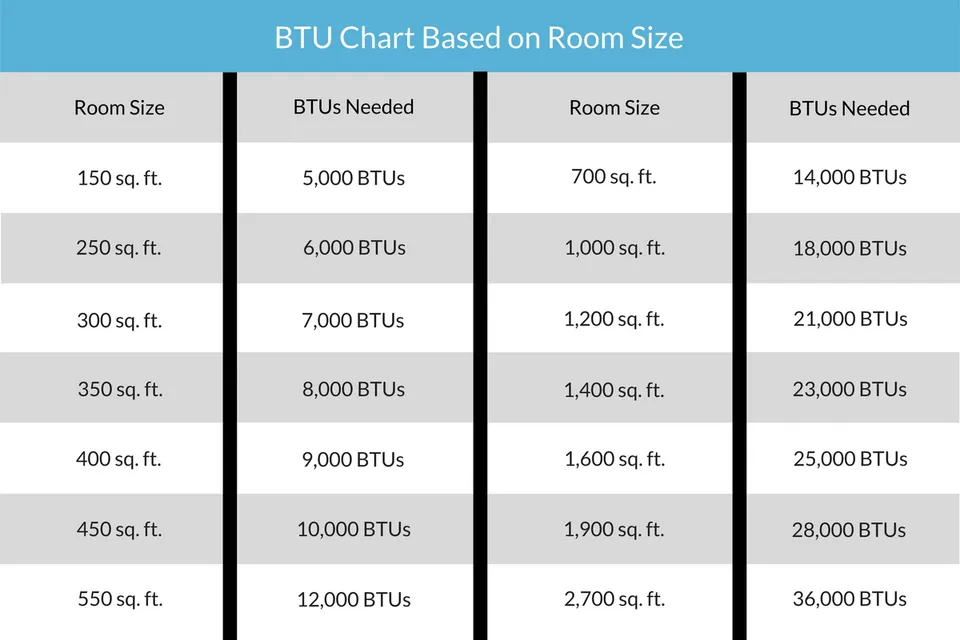
A commonly used rule of thumb suggests approximately 1,000 BTU per hour for every 100 square feet of conditioned space. A 1,200-square-foot bungalow, for example, would typically need a system rated near 12,000 BTU/h. However, this estimate is only a starting point — ceiling height, insulation age, number of occupants, and local temperature extremes can shift the requirement up or down significantly.
Wall-Mounted Units: BTU Sizing
Wall-mounted (ductless mini-split) heat pumps are ideal for condos, small homes, open-concept rooms, and additions. Their capacity typically ranges from 9,000 to 36,000 BTU/h. A standard 400-square-foot room with average insulation and an eight-foot ceiling would usually pair well with a 9,000 to 12,000 BTU unit. Rooms with large windows, vaulted ceilings, or poor insulation may need to step up.
Central Heat Pumps: Sizing in Tons
For larger homes, central (ducted) heat pumps are measured in tons — one ton equals 12,000 BTU/h. A typical 2,000-square-foot house may need a 2.5-to-3-ton system. Homes with above-average insulation in moderate climates can sometimes go smaller, while older homes with drafty windows may require a larger unit. A professional Manual J load calculation removes the guesswork and accounts for all variables at once.

Recommended Sizes by Home Type
Every home is different, but the guidelines below offer a solid starting framework based on dwelling type and typical square footage.
- Condo / Apartment: 12,000 – 24,000 BTU/h (1 – 2 tons), depending on layout and sun exposure.
- Single-Story Home: 24,000 – 48,000 BTU/h (2 – 4 tons), adjustable for insulation quality.
- Two-Story Home: Up to 60,000 BTU/h (5 tons) to maintain balanced comfort on both floors.
- Open-Concept Space: A single-zone unit rated 750 sq ft or greater may suffice, but airflow patterns are critical.
- Multi-Family / Large Home: Multi-zone or central ducted systems in the 3.5 – 5+ ton range with individual zone controls.
- Larger Homes: Central units from 30,000 to 60,000+ BTU/h, potentially paired with supplemental ductless heads for hard-to-reach areas.
Practical Example
Imagine a well-insulated 900-square-foot condo. A 12,000 BTU wall-mounted heat pump would handle that space efficiently. Now picture a 2,500-square-foot two-story house with average insulation and large windows — that home may need a 3-ton central system, possibly supplemented by a ductless head in an upstairs bonus room. A certified installer can run a load calculation to pinpoint the exact requirement so you never pay for capacity you don't use.
What Heat Pump Configurations Are Available?
Single-Zone Heat Pumps for Open Spaces
Designed to serve one room or contiguous open area, a single-zone unit typically covers 600 to 1,500+ square feet. It is the simplest and most affordable option when you need targeted climate control in a specific part of your home — a living room, a garage conversion, or a sunroom.
Multi-Zone Heat Pumps for Multi-Story Homes
A multi-zone system connects a single outdoor compressor to several indoor air handlers, each independently controlled. This makes it a natural fit for two-story homes, finished basements, or any layout where different rooms have different comfort needs. Units in the 18,000 to 36,000 BTU/h range can power multiple indoor heads simultaneously.
Central Heat Pumps for Whole-Home Comfort
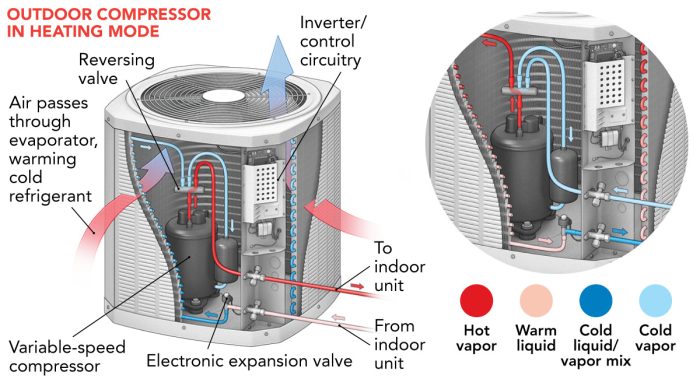
Central ducted heat pumps distribute conditioned air through your existing ductwork, delivering uniform temperatures from room to room. They range from 24,000 to 60,000 BTU/h and are the most effective choice for homes already equipped with duct systems. Central units are ideal for families that want set-it-and-forget-it whole-house comfort.
What Does Heat Pump Installation Cost?
Estimated Costs by Size and Model
Prices vary based on the technology (wall-mounted versus central), brand reputation, and installation complexity. The most budget-friendly wall-mounted units start around a few thousand dollars installed, while high-efficiency central systems for larger homes can reach well into five figures. Remember that the initial price tag is only part of the equation — a properly sized, high-efficiency system often pays for itself through annual energy savings within several years.
Factors That Influence the Final Price
- Distance between indoor and outdoor units
- Need for ductwork modification or electrical panel upgrades
- Insulation level and potential home-envelope improvements
- Professional installation by a qualified HVAC contractor
How a Heat Pump Cuts Your Energy Bills
The High-Efficiency Advantage
Modern heat pumps can deliver up to three times more heating energy than the electrical energy they consume. Over the lifespan of the unit, this translates into dramatically lower heating and cooling costs compared to traditional furnaces or baseboard heaters. Higher SEER (cooling) and HSPF (heating) ratings indicate greater efficiency — look for ENERGY STAR-certified models for verified performance.
Smart Strategies to Save Even More
- Use a programmable or smart thermostat to avoid heating or cooling an empty home.
- Set temperatures a few degrees lower at night and let the system ramp up gradually in the morning.
- Keep outdoor coils clear of snow, leaves, and debris for unobstructed airflow.
- Schedule annual maintenance — clean filters, checked refrigerant levels, and inspected connections preserve peak efficiency for years.
Are Rebates or Incentives Available?
Many federal, state, and provincial programs offer financial assistance for homeowners who upgrade to energy-efficient heat pumps. Rebates can range from several hundred to several thousand dollars, depending on the program, the unit's efficiency rating, and your region. Some utilities also provide point-of-sale discounts or low-interest financing.
Always check with your local energy authority or utility provider before purchasing — combining rebates with long-term energy savings can make a high-efficiency heat pump one of the smartest investments you make for your home.
Quick-Reference Sizing Chart
| Home Type | Recommended Capacity | Example |
|---|---|---|
| Condo / Apartment | 12,000 – 24,000 BTU/h | 900 sq ft condo: ~12,000 BTU/h |
| One-Story Home | 24,000 – 48,000 BTU/h | 1,200 sq ft house: 24,000 BTU/h |
| Two-Story Home | Up to 60,000 BTU/h | 2,500 sq ft: 3-ton+ system |
| Open Floor Plan | Single-zone 600 – 1,500 sq ft | 750 sq ft loft: single-zone unit |
| Family Home (Multi-Level) | Multi-zone 36,000+ BTU/h | Two-floor home with 3+ indoor heads |
| Larger / Custom Home | Central 30,000 – 60,000+ BTU/h | Oversized home: 5-ton ducted system |
Conclusion
Selecting the right heat pump capacity is the single most impactful decision you can make for home comfort, energy savings, and equipment longevity. A properly sized system runs at peak efficiency, maintains steady temperatures, and avoids the costly problems that come with oversizing or undersizing.
If you want certainty, enlist an HVAC professional to perform a Manual J load calculation for your specific home. Pair that expertise with a quality, ENERGY STAR-rated system and a solid maintenance routine, and you'll enjoy reliable comfort for 15 to 20 years — or more.
Frequently Asked Questions
Can an Oversized Heat Pump Cause Problems?
Absolutely. A unit that is too large will short-cycle — turning on and off rapidly — which wears out the compressor prematurely, increases humidity inside the home, and drives up electricity costs. Bigger is not always better when it comes to heat pumps.
How Do I Know If My Home Is Well Insulated Enough?
An energy audit by a certified evaluator is the best way to find out. They use tools like blower-door tests and thermal imaging to identify air leaks and areas where insulation is thin. Addressing insulation issues before installing a heat pump can allow you to choose a smaller, less expensive unit.
What Is the Typical Lifespan of a Properly Sized Heat Pump?
A correctly sized and well-maintained heat pump generally lasts 15 to 20 years or more. Regular filter changes, annual professional tune-ups, and keeping the outdoor unit clear of debris are the keys to maximizing lifespan and sustained efficiency.
Should I Prioritize Heating or Cooling Capacity?
In most North American climates, heating demand far exceeds cooling demand. Sizing for your heating load first ensures you won't be left in the cold during winter, and the cooling capacity will almost always be more than sufficient for summer.