


 Damage
  Loss
Loss  Theft
Theft 


How to Hang a Punching Bag

Setting up a punching bag in your backyard, garage, or home gym is one of the best investments you can make for your fitness routine. Whether you're training for boxing, relieving stress, or simply staying in shape, a properly mounted heavy bag provides an incredible workout experience. However, the installation process requires careful planning and the right approach to ensure both safety and optimal performance.
In this comprehensive guide, we'll walk you through everything you need to know about hanging a punching bag. From choosing the perfect location to selecting the right mounting hardware, we've got you covered with professional tips and detailed instructions that will help you create a secure and functional training space.
Where Is the Best Place to Hang Your Punching Bag?
Choosing the right location is the foundation of a successful punching bag installation. The ideal spot should offer adequate space for movement, proper structural support, and a comfortable training environment. Consider these key factors when selecting your location:
Space Requirements: You'll need at least 5 feet of clearance on all sides of the bag to move freely and throw combinations without restrictions. A ceiling height of at least 8 feet is recommended for standard heavy bags.
Structural Integrity: The mounting point must be capable of supporting dynamic loads. A swinging 100-pound bag generates significantly more force than its static weight.
Ventilation: Good airflow is essential for comfortable training sessions, making garages, covered patios, and backyard structures excellent choices.

Ceiling Mounting: The Preferred Method
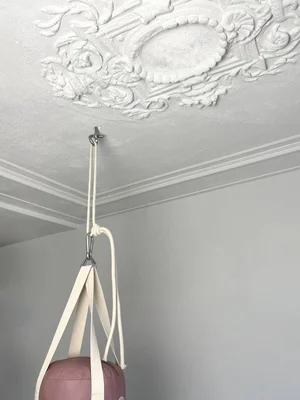
Ceiling mounting remains the gold standard for hanging heavy bags. This method provides the most natural swing motion and allows for 360-degree access to the bag. When done correctly, ceiling mounting offers superior stability and an authentic training experience that mimics professional gym setups.
The key to successful ceiling mounting lies in locating and securing to structural elements. In most homes, this means attaching directly to ceiling joists or support beams. Never attempt to mount a heavy bag to drywall alone, as it simply cannot support the weight and dynamic forces involved.
Locate the Joist
Use a stud finder to identify ceiling joists. Mark the center point where you'll install your mounting hardware.
Pre-Drill Holes
Create pilot holes slightly smaller than your lag bolts to prevent wood splitting and ensure secure threading.
Secure the Mount
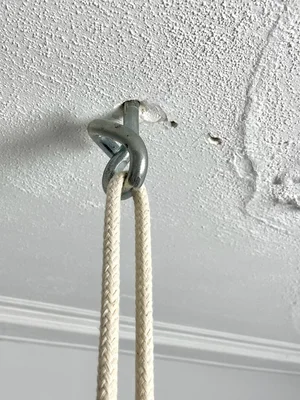
Install heavy-duty lag bolts or a ceiling mount bracket rated for at least twice your bag's weight.
Wall Mounting: When Ceiling Access Isn't Available
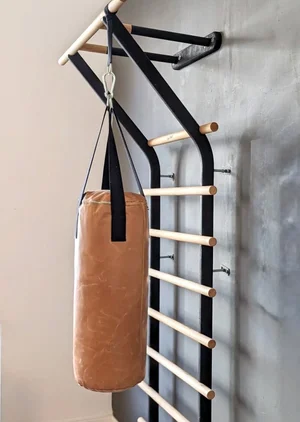
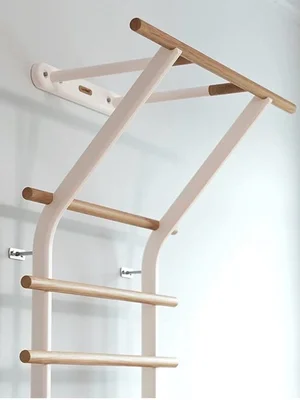
Wall mounting presents an excellent alternative when ceiling installation isn't feasible. This approach works particularly well in spaces with low ceilings, finished ceilings that can't be drilled into, or when you prefer the bag positioned closer to a wall. Wall-mounted brackets extend outward from the wall, allowing the bag to hang freely while maintaining adequate swing clearance.
For wall mounting, you must secure the bracket directly into wall studs. A single stud attachment point is never sufficient for heavy bags. Instead, use a bracket that spans at least two studs, distributing the load across multiple anchor points. Heavy-duty wall brackets typically include diagonal bracing to handle the outward pulling force generated during training.
The Perfect Alternative: Freestanding Boxing Stands
Not everyone has the ability or desire to drill into their ceiling or walls. Perhaps you're renting your home, have structural limitations, or simply want a portable solution that can be moved around your backyard or garage. This is where freestanding heavy bag stands shine as the ultimate no-drill solution.
A quality boxing stand provides rock-solid stability without any permanent installation. These versatile structures can be placed on any level surface, from your patio to your garage floor, and many models accommodate multiple bags or include integrated speed bag platforms for comprehensive training options.
Featured Product
Dual Station Heavy Bag StandHanging a Punching Bag Without Drilling
Beyond freestanding stands, several creative solutions allow you to hang a punching bag without making permanent modifications to your space. These methods are particularly popular among renters and those who want flexibility in their training setup.
Pull-Up Bar Mounting
Heavy-duty doorway pull-up bars or wall-mounted pull-up stations can support lighter punching bags, typically up to 70 pounds. This dual-purpose solution adds versatility to your home gym.
Beam Straps
If your garage or outdoor structure has exposed beams, heavy-duty hanging straps can wrap around the beam without requiring any drilling. Ensure the beam is solid wood and structurally sound.
Step-by-Step Installation Guide for All Ceiling Types
Different ceiling constructions require different approaches. Understanding your ceiling type is essential for selecting the appropriate hardware and installation method. Here's how to tackle the most common scenarios:
Standard Wood Joist Ceilings
Wood joists represent the easiest and most secure mounting surface. After locating the joist with a stud finder, drill a pilot hole slightly smaller than your lag bolt diameter. For heavy bags over 70 pounds, use lag bolts at least 3/8 inch in diameter and 4 inches long. Thread the bolt through your mounting hardware and tighten securely, leaving no gap between the mount plate and ceiling surface.
Concrete Ceilings
Concrete ceilings, common in basements and some garages, require masonry drill bits and concrete anchors. Use a hammer drill to create holes matching your anchor size. Sleeve anchors or wedge anchors work well for heavy bag applications. After inserting the anchors, attach your mounting bracket and tighten until the anchors expand fully against the concrete.
Older Plaster Ceilings
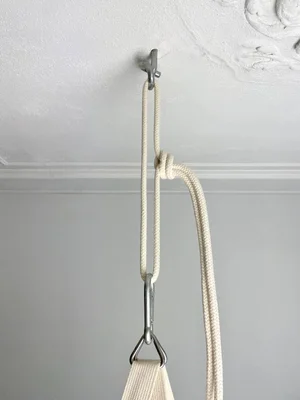
Homes with traditional plaster and lath ceilings require extra care. The plaster layer provides no structural support, so you must drill completely through to reach the wooden joists above. Use longer lag bolts to account for the plaster thickness, typically adding 1-2 inches to your standard bolt length.
⚠️ Ceiling Types to Avoid
Certain ceiling types cannot safely support a punching bag. Drop ceilings (suspended tile ceilings) provide no structural capacity whatsoever. Drywall alone will fail catastrophically under the dynamic load of a swinging bag. If you're unsure about your ceiling's construction or load-bearing capacity, consult a professional contractor before proceeding.
Installing a Punching Bag in a Rental Property
Living in a rental doesn't mean you can't enjoy a heavy bag workout at home. However, you'll need to navigate some additional considerations to protect both your security deposit and your relationship with your landlord.
First and foremost, review your lease agreement for any clauses about modifications or structural alterations. Many landlords prohibit drilling into ceilings or walls without written permission. Even if your lease is silent on the matter, it's courteous and wise to request permission before proceeding with any permanent installation.
For renters, freestanding heavy bag stands offer the perfect solution. They require zero modifications, can be disassembled when you move, and eliminate any concerns about repair costs when your lease ends. Many modern stands are sturdy enough to rival permanent ceiling mounts in stability.
Setting Up Punching Bags for Children
Introducing children to boxing and martial arts training offers tremendous benefits for their physical fitness, coordination, and confidence. Children's punching bags are specifically designed with lighter weights and softer materials, making installation simpler and requiring less robust mounting solutions.
Freestanding kids' punching bags with weighted bases are often the best choice for young boxers. These units can be adjusted in height as your child grows and can be easily moved for storage or repositioning. For hanging children's bags, which typically weigh under 25 pounds, a ceiling hook rated for 100 pounds provides ample safety margin.
Position children's bags at a height where the center of the bag aligns with your child's chest. This ensures proper striking technique and reduces strain. Always supervise young children during training sessions and ensure they use appropriate protective gear including hand wraps or gloves.
Chains vs. Straps: Which Suspension System Is Best?
The hardware connecting your bag to its mount plays a crucial role in both performance and safety. Two main options dominate the market: steel chains and heavy-duty straps. Each offers distinct advantages depending on your priorities and training style.
Steel Chains
Chains deliver maximum durability and allow easy height adjustment by simply hooking into different links. They're virtually indestructible but produce more noise during training. Most professional gyms prefer chains for their longevity and reliable performance.
Nylon Straps
Heavy-duty nylon straps operate quietly and won't scratch or damage the bag's attachment loops. They're lighter and easier to handle but may eventually wear from constant friction and UV exposure. Straps work best in quieter residential settings.
Should You Use a Punching Bag Spring?
Punching bag springs, also called shock absorbers or swivel springs, are coiled steel components that attach between your mounting point and the bag's chain or strap. Their primary purpose is absorbing impact energy to reduce stress on your mounting hardware and ceiling structure.
Springs offer notable benefits for home installations. They dampen vibrations that would otherwise transfer through joists and potentially disturb other areas of your home. The added bounce can also make training feel more dynamic and responsive. However, some boxers prefer the solid, stable feel of a direct mount without any spring action.
If you're concerned about noise transmission to rooms below or adjacent to your training area, a spring is a worthwhile investment. Choose a spring rated for at least 150% of your bag's weight to ensure it handles the dynamic forces without bottoming out.
How High Should Your Punching Bag Hang?
Proper hanging height significantly impacts your training effectiveness and technique development. The ideal height varies based on the type of bag and your training goals, but general guidelines ensure you get the most from every session.
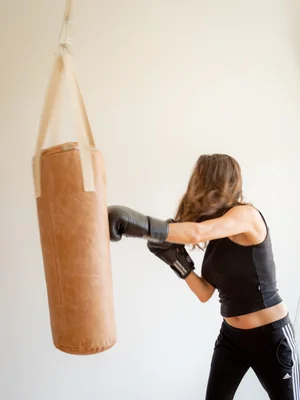
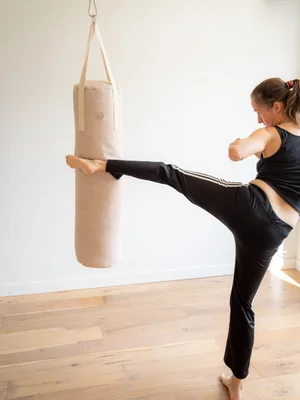
For standard heavy bags used in boxing training, the bottom of the bag should hang approximately 2-3 feet from the floor. This positioning places the center of the bag at roughly chest height for most adults, enabling comfortable practice of jabs, hooks, and uppercuts without excessive reaching or stooping.
If you practice mixed martial arts or Muay Thai, you may prefer hanging the bag slightly higher to accommodate knee strikes and high kicks. Conversely, boxers focusing on body shots might prefer a lower position. Adjustable chains make it easy to experiment until you find your optimal height.
Pro Tip: If multiple family members will use the bag, hang it at a height suitable for the tallest user and provide a stable platform or mat stack for shorter users to stand on during their training sessions.
Key Takeaways
Ceiling mounting to joists offers the most authentic training experience
Wall mounts require multi-stud attachment for safe support
Freestanding stands provide flexibility without drilling
Choose hardware rated for at least double your bag's weight
Springs reduce noise and mounting stress in home setups
Maintain 5 feet clearance around the bag for safe training
Ready to Build Your Backyard Boxing Setup?
Skip the drilling and get training faster with our premium freestanding heavy bag stand. Perfect for garages, patios, and backyard gyms.
Dual Station Heavy Bag Stand