


 Damage
  Loss
Loss  Theft
Theft 


What Is a Heat Pump?
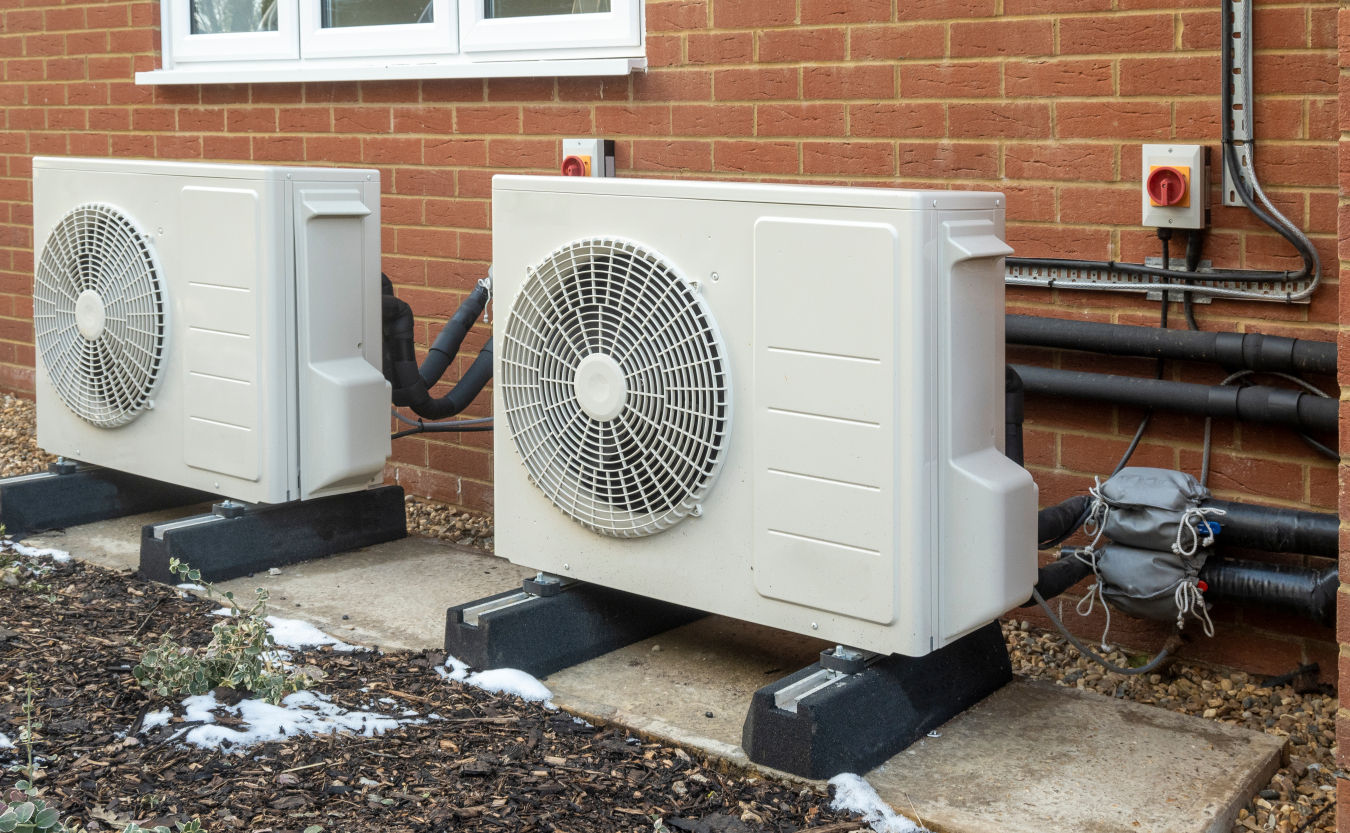
Heat pumps draw energy from the air, ground, or water and convert it into usable heat — or reverse the process to deliver cooling, much like an air conditioner. This dual capability makes them one of the most efficient, renewable, and sustainable approaches to home climate control available today.
They perform reliably across virtually every climate type, and their efficiency stems from a principle called the refrigerant cycle.
The refrigerant cycle has four distinct phases that continuously repeat to deliver efficient heating and cooling.
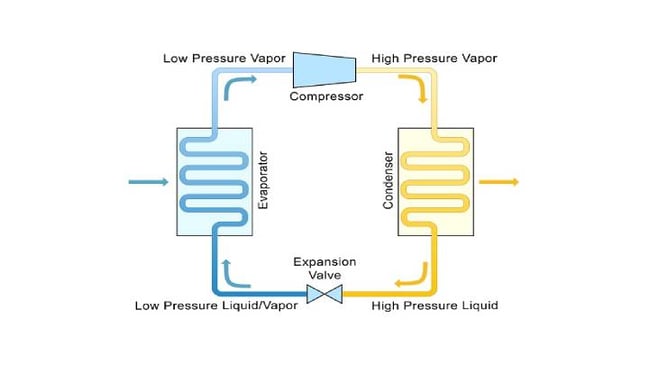
Evaporation
The heat pump absorbs thermal energy from ambient air, exhaust air, underground sources, groundwater, or surface water. This renewable heat energy — which accounts for roughly 80% of what the system needs — is transferred to the refrigerant via a heat exchanger called the evaporator, converting it from liquid to gas.
Compression
The gaseous refrigerant enters the compressor — the core of the system — where it is pressurised to a high level, causing its temperature to rise significantly. Driving the compressor requires additional energy (typically electricity, though gas or thermal energy can be used), representing approximately 20% of the total energy input. When powered by green electricity, the system is fully carbon neutral.
Condensation
The hot, high-pressure vapour passes through a second heat exchanger — the condenser — releasing its stored heat into the building's heating system. This can feed an air conditioning unit, underfloor heating, radiators, or a hydronic distribution system. As the heat is released, the refrigerant transitions back from gas into a liquid state.
Expansion
The now-liquid refrigerant flows through a pressure-lowering expansion valve, which drops its pressure and temperature, returning it to the low-pressure state needed to absorb heat again. The cycle then begins anew — continuously and automatically — delivering steady, efficient climate control.
Heat pumps are categorised by the energy source they draw from and the method used to drive the compression cycle.
Air Source Heat Pumps
Air source units extract energy from outdoor air to heat or ventilate your home. Fully installable inside or outside the building, they can also operate as a split system — one unit indoors, one out — making them the most accessible option for most residential properties.
Water Source Heat Pumps
These systems tap into the thermal energy stored in ground water, surface water, the sea, or sewage water. Water is an excellent heat carrier, making these pumps particularly energy-efficient — they deliver high performance and are especially well-suited for producing domestic hot water.
Ground Source Heat Pumps
Ground source systems harvest stored solar energy from the soil beneath your property. Collection loops run either vertically (boreholes) or horizontally (shallow trenches). Because underground temperatures stay relatively stable year-round, these systems maintain consistent performance even during cold winters.
Electrically Driven
The most common type — an electric motor drives the compression cycle. These systems can plug into any standard electrical supply and are fully compatible with renewable electricity sources such as solar panels or wind power, making them an excellent low-carbon choice for homeowners.
Thermally Driven
Rather than electricity, thermally driven pumps use heat energy — from a gas burner or industrial waste heat — to power the compression cycle. There are three main types: gas sorption heat pumps (GAHP), covered under EN 12309; and gas engine heat pumps (GEHP), covered under EN 16905. These are often used in commercial and industrial contexts.

Where Can Heat Pumps Be Used?
Heat pumps are not limited to residential use. Their versatility means they can supply CO₂-free heating, cooling, and hot water across a broad range of settings — from individual homes to large-scale industrial facilities.
Major European industries including steel, chemicals, paper, food production, and tobacco collectively consume approximately a quarter of the EU's total energy demand, much of which heat pumps can satisfy.
- Residential homes of all sizes
- Commercial buildings and offices
- Hospitals and healthcare facilities
- Industrial manufacturing processes
- District heating networks
District heating systems are a compelling large-scale application: heat is generated centrally and distributed through insulated pipe networks to entire neighbourhoods, dramatically lowering per-household costs and emissions.

The Role of Heat Pumps in Decarbonisation
The heating and cooling sector is responsible for 51% of final energy demand across Europe and contributes 27% of total CO₂ emissions. Transitioning this sector away from fossil fuels is not optional — it is essential to meeting climate goals.
Heat pumps are one of the most powerful tools available for this transition. By moving energy rather than generating it through combustion, they deliver far more useful heat per unit of electricity consumed than any conventional boiler or furnace.
When paired with renewable electricity generation — solar panels, wind energy, or grid green power — a heat pump system becomes effectively carbon neutral, offering a genuine path to net-zero home heating without sacrificing comfort.
Decarbonising society is impossible without decarbonising heating and cooling.
Ready to Upgrade Your Home Comfort?
Explore our featured heat pump system — engineered for reliable whole-home performance, high efficiency, and lasting durability in any climate.
Armstrong Air 2.5T Heat Pump