


 Damage
  Loss
Loss  Theft
Theft 


Understanding the Pilates Reformer: Why Everyone Is Talking About It
The Pilates Reformer has steadily become one of the most sought-after pieces of exercise equipment in the fitness world. Whether you come across it in a professional studio, a home gym, or a rehabilitation clinic, this machine continues to earn the admiration of fitness enthusiasts and newcomers alike. But what exactly is it, how does it work, and why has it captured so much attention? In this guide, we break it all down so you can decide if a Reformer belongs in your fitness routine.

What Exactly Is a Pilates Reformer?
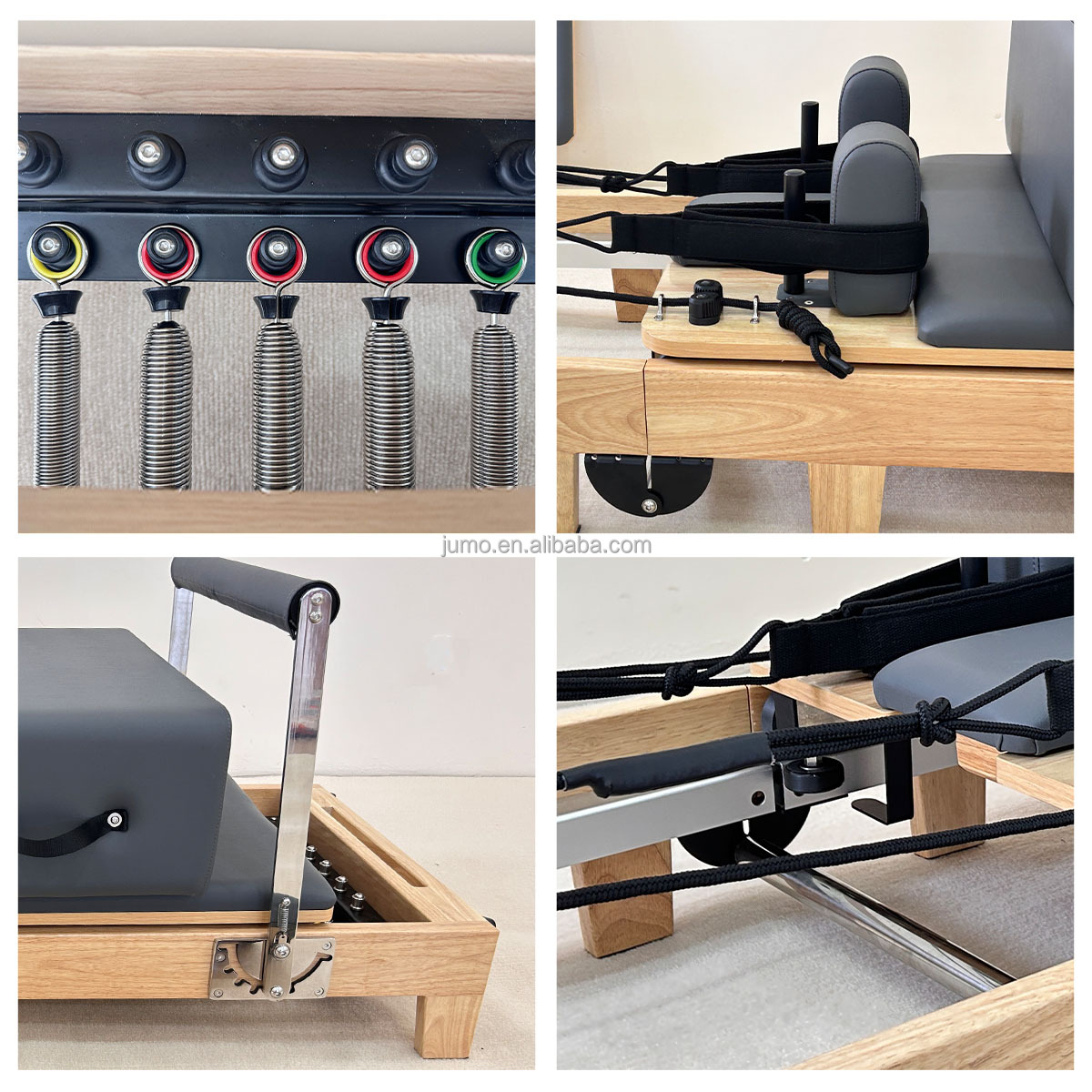
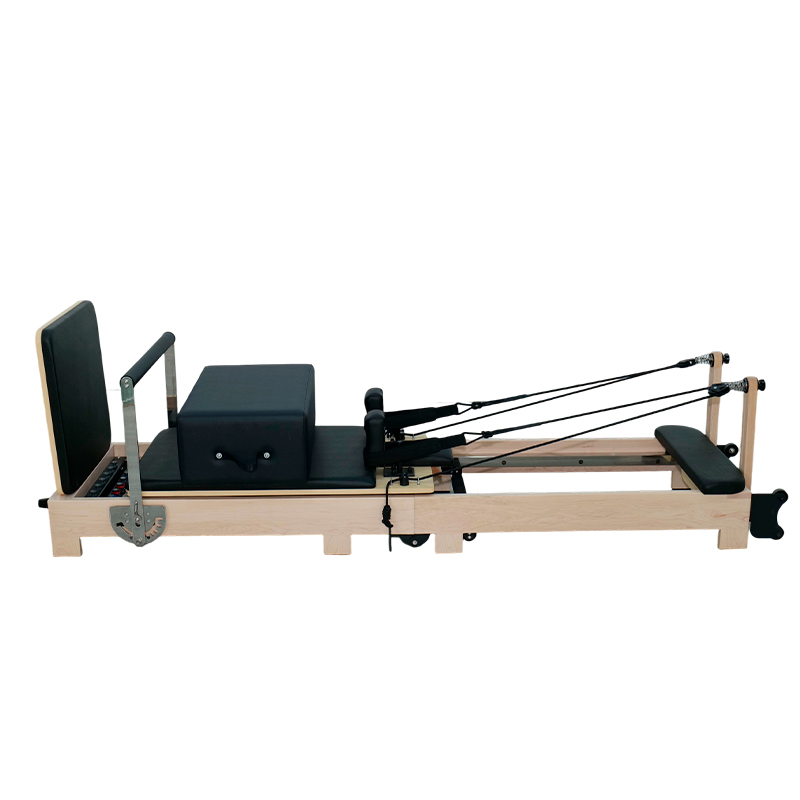
A Pilates Reformer is a specialized resistance-based machine built around a flat, padded platform known as the carriage. This carriage glides smoothly along a sturdy frame on a set of rails. Connected to the carriage are adjustable springs that create varying levels of resistance, allowing you to customize the difficulty of each exercise. At one end sits a footbar used for pushing and pulling movements, while shoulder blocks keep your body secure during workouts. Straps attached to ropes or pulleys let you engage your arms or legs from different positions.
Designed to facilitate controlled, flowing movements, the Reformer enables exercises that can be performed while lying down, sitting, kneeling, or standing. It was originally developed by Joseph Pilates in the early twentieth century as a tool for rehabilitation and strengthening, and it has evolved considerably since then into the sleek, versatile machines available today.

Why Training with a Reformer Is So Effective
1. Full-Body Engagement
The exercises performed on a Reformer are highly functional, meaning they recruit multiple muscle groups at the same time. You are not simply isolating one area of your body. Instead, your core, legs, arms, back, and glutes all work together in coordinated patterns. This comprehensive engagement helps build balanced strength and improves overall body awareness with every session.
2. Customizable Resistance
The spring system on a Reformer makes it incredibly adaptable. Beginners can start with lighter resistance to learn proper form and technique, while seasoned practitioners can increase the spring tension for a more demanding challenge. This flexibility means the machine grows with you as your strength and endurance improve over time.
3. Gentle on Joints, Powerful in Results
Because you train primarily from lying or seated positions while the carriage absorbs much of the movement, the impact on your joints stays minimal. The springs cushion resistance rather than adding harsh strain. This makes the Reformer a favorite among physiotherapists and rehabilitation specialists, and it explains why many people recovering from injuries turn to it as a safe yet effective training method.

Who Is a Pilates Reformer Suitable For?
One of the greatest strengths of the Reformer is its accessibility. It accommodates a remarkably wide range of users, making it a practical choice for almost anyone looking to improve their physical health.
Beginners
Safe introduction to resistance training
Athletes
Cross-training for flexibility and power
Seniors
Low-impact strength and mobility work
Rehab Patients
Gentle recovery and joint support
Studio Owners
Professional-grade client training
Home Users
Compact options for personal fitness
Whether you are setting up a professional Pilates studio, adding equipment to a gym, or simply want to build a home workout space, the Reformer adapts to your goals and your environment with ease.
What Models Are Available?
Reformers come in several configurations designed for different use cases and environments. Here is what you will generally encounter on the market:
Home Reformers
These are lightweight, compact, and often foldable or easily stored. They are built for individuals who want to maintain a regular Pilates practice from the comfort of their own home without dedicating an entire room to a full studio setup. Despite being more portable, quality home Reformers still offer excellent resistance ranges and smooth carriage movement.
Studio Reformers
Larger, heavier, and built for durability, studio-grade Reformers are designed to withstand daily use in professional environments. They feature wider frames, more robust construction, and a greater range of adjustable components for accommodating clients of varying body types and fitness levels.
Reformer with Tower or Cadillac
For those seeking the ultimate in versatility, some models combine the Reformer with a tower attachment or even a full Cadillac frame. These units expand your exercise options significantly by adding vertical bars, additional spring attachments, and hanging exercises. They are ideal for users who want professional-level variety or who plan to offer intensive training sessions.
How Does a Reformer Differ from Mat Pilates?
Mat Pilates relies entirely on your own body weight for resistance. You perform exercises on a padded mat, focusing on stability, core engagement, and controlled breathing. It is highly effective for developing foundational strength and flexibility, and it requires minimal equipment.
A Reformer, on the other hand, introduces adjustable spring resistance and the dynamic movement of the sliding carriage. This allows for a wider variety of exercises, greater intensity adjustments, and improved support for people with limited mobility or recovering from injury. The machine guides your alignment and provides tactile feedback, helping you maintain proper form throughout each movement.
Both approaches deliver meaningful benefits, but the Reformer adds an extra dimension of resistance training and exercise versatility that many find accelerates their results.
Featured Product
Start Your Reformer Journey at Home
Ready to bring the studio experience into your own space? Explore our precision-built Reformer system designed for home use.
Stamina AeroPilates Reformer
Final Thoughts
The Pilates Reformer is a powerful, adaptable piece of equipment that suits virtually anyone seeking to strengthen their body in a controlled, low-impact environment. It delivers a full-body workout with adjustable resistance, supports injury rehabilitation, and offers enough variation to keep your training fresh and challenging for years to come. Whether you want to improve your core, enhance your flexibility, boost athletic performance, or simply move better in everyday life, the Reformer provides a clear path forward.
Frequently Asked Questions
1. How much does a Pilates Reformer cost?
Prices vary depending on the brand, build quality, and features included. Home models typically start at a lower price point, while studio-grade Reformers with advanced features command a higher investment. It is worth choosing a model that matches both your fitness goals and the intensity of use you anticipate.
2. Is a Reformer suitable for home use?
Absolutely. Many manufacturers now produce compact and foldable models specifically designed for home environments. These are often lighter, easier to store, and perfectly capable of providing an effective workout comparable to what you would experience in a professional studio.
3. Do I need accessories to get started?
Not necessarily. A Reformer on its own is fully capable of delivering a comprehensive workout. However, for added comfort and variety, you might consider accessories such as a box, jumpboard, or padded mat to expand your exercise options over time.
4. What is the difference between a Reformer and a Cadillac?
A Cadillac is a larger apparatus that features a metal frame or tower above the platform, allowing for hanging, vertical spring work, and a broader range of rehabilitative exercises. Some Reformer models offer a tower attachment that brings Cadillac-style functionality into a smaller footprint.