


 Damage
  Loss
Loss  Theft
Theft 


Jumping Jack Tamper Vs Plate Compactor: Which One Should You Choose?
Published by BACKYARD PROVIDER | Your Trusted Outdoor Equipment Partner
In the construction and landscaping world, soil compaction equipment plays a vital role in creating stable foundations. Whether you are preparing ground for sidewalks, driveways, patios, or trench backfilling, compaction machines ensure that the ground is solid, even, and stable enough for construction. Two popular choices stand out among professionals and DIY enthusiasts: the jumping jack tamper and the plate compactor. But which one is right for your project? Let's dive deep into both machines to help you make an informed decision.
What Is a Jumping Jack Tamper?
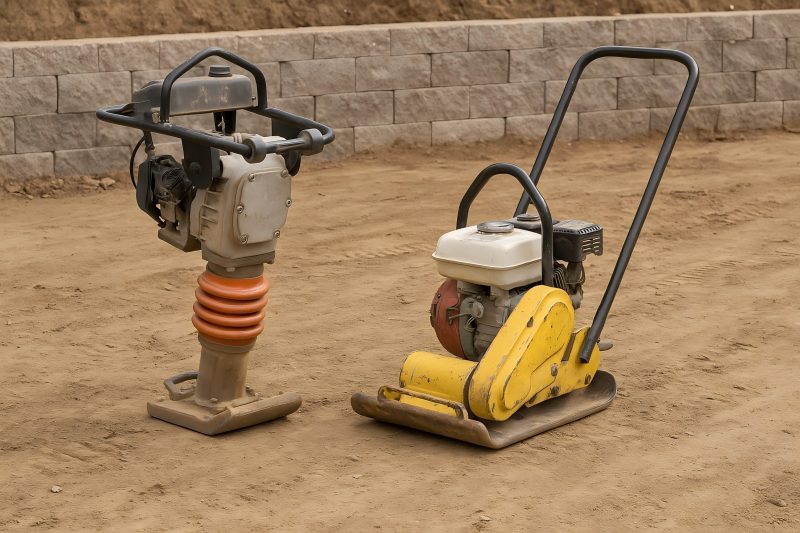
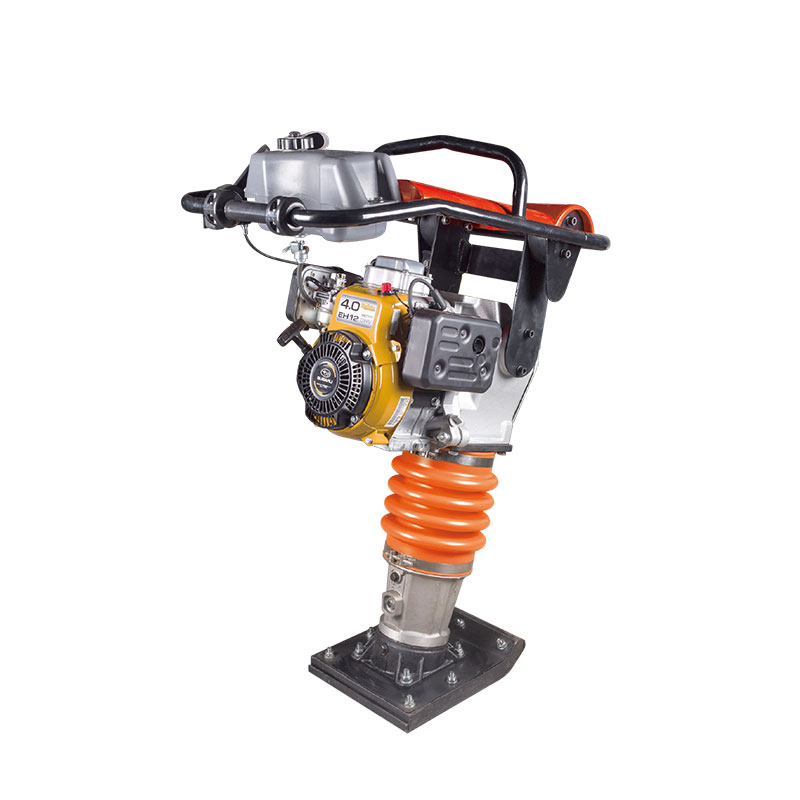
A jumping jack tamper, also known as a rammer or trench compactor, is a powerful compaction device that delivers rapid, high-impact blows directly into the ground surface. Using an internal combustion engine, this machine creates a forceful up-and-down motion that compacts soil with incredible effectiveness, making it the go-to choice for cohesive soils and confined spaces.
Key Features:
Best For:
Narrow areas with tight access such as trenches • Backfilling around foundations, pipelines, or utility installations • Areas where heavy, deep compaction is required • Construction sites requiring maximum soil density
What Is a Plate Compactor?
A plate compactor is a flat-bottomed machine that uses vibration and static weight to compress soil and granular materials from above. Rather than delivering isolated blows like a rammer, it generates continuous, high-frequency vibrations that settle and densify the surface. This method works exceptionally well for granular soils like sand and gravel.
Key Features:
Best For:
Driveways, patios, and walkway preparation • Compacting granular soils and loose aggregates • Wide, open areas requiring efficient surface coverage • Asphalt work and pavement sub-base compaction
Working Principles Compared
Understanding how each machine operates will help you appreciate why they excel in different scenarios. The fundamental difference lies in their compaction mechanisms and the type of force they generate.
| Feature | Jumping Jack Tamper | Plate Compactor |
|---|---|---|
| Compaction Motion | Jumps / Vibration | Continuous Vibration |
| Foot Type | Compact (10-14"), MEC | Vibratory (plates, pads) expanded |
| Depth of Compaction | Deep - Concentrated Force | Medium - Wide Coverage |
| Speed | Slower (per square foot) | Faster Coverage |
Key Comparison: Jumping Jack Tamper vs Plate Compactor
Soil Type Compatibility
The type of soil you're working with largely determines which machine performs best. Jumping jack tampers excel in cohesive soils like clay, silt, and mixed earth compositions. These soils need concentrated impact force to achieve proper density. Plate compactors, on the other hand, work brilliantly with granular soils—sand, gravel, crushed stone, and similar loose materials that respond well to vibration.
Which soil type?
Cohesive soil → Jumping Jack Tamper
Granular soil → Plate Compactor
Compaction Depth
Compaction depth varies significantly between the two machines. Jumping jack tampers excel at deep compaction, pushing energy deep into the soil profile—typically compacting effectively up to 12 inches or more depending on soil conditions. This makes them ideal for foundation preparation where deep density matters. Plate compactors compact the surface layers more efficiently but typically achieve effective depths between 6-10 inches for smaller equipment and up to 24 inches for larger, heavier models.
Coverage Area
Jumping jack tampers feature narrow shoe plates ranging from 10-14 inches, making them excellent for tight spaces like trenches but slower when covering large areas. Plate compactors cover much more ground per pass thanks to their wider plate surfaces—typically 14-25 inches or even larger on commercial models. This allows efficient compaction over wide, open construction zones like driveways, walkways, and parking areas.
Ease Of Use
Operating a jumping jack tamper requires more physical effort and experience. The percussive jumping motion can be demanding, and operators need to maintain proper control to ensure consistent compaction. These machines also generate more vibration transfer to the operator. Plate compactors are generally considered easier to operate—the smooth vibration motion requires less physical exertion, and modern designs often include ergonomic handles and vibration-dampening features.
Mobility & Maneuverability
Jumping jack tampers shine in confined, restricted areas where a plate compactor simply cannot fit. Their compact footprint makes them perfect for working around pipes, foundations, and utility trenches. However, plate compactors offer superior maneuverability on open terrain—they roll smoothly and can cover more area in less time when space permits.
Speed & Productivity
When it comes to raw productivity on open ground, plate compactors win easily. Their wider coverage and continuous operation allow faster project completion. However, for trench work and confined area compaction, jumping jack tampers actually prove more productive since plate compactors simply cannot access these spaces. Consider your primary use case to determine which offers better productivity for your specific needs.
Applications
Jumping Jack Tamper Uses:
Trench backfilling • Foundation work • Utility pipeline installations • Repair work in confined spaces • Cohesive soil compaction
Plate Compactor Uses:
Driveways and parking areas • Patio and walkway preparation • Asphalt compaction • Paver base preparation • Large-scale grading projects
Durability & Maintenance
Both machines require regular maintenance to ensure longevity. Jumping jack tampers have more moving components in their jumping mechanism, which may require more frequent inspection and servicing. Plate compactors generally feature simpler mechanical systems but still require attention to engine components, vibration mounts, and plate wear. Either machine, when properly maintained, will provide years of reliable service.
Cost Considerations
Pricing varies widely based on brand, engine power, and features. Generally, basic plate compactors tend to cost less than comparable jumping jack tampers, but specialized or commercial-grade equipment in either category can represent significant investment. Consider rental options for occasional use, or purchase if compaction work is a regular part of your project workflow.
Which One Should You Choose?
The decision comes down to your specific project requirements. Consider these factors carefully:
Choose a Jumping Jack Tamper if:
You're working primarily in trenches or confined spaces • Your soil is cohesive (clay, silt, mixed composition) • Deep compaction is your priority • You need maximum impact force for stubborn ground
Choose a Plate Compactor if:
Your projects involve driveways, patios, or large flat areas • You work with granular materials like sand, gravel, or crushed stone • Speed and coverage efficiency are priorities • You prefer easier operation and less physical demand
Manufacturer's Insight
As a trusted provider of outdoor and construction equipment, we understand that selecting the right compaction tool significantly impacts your project outcomes. Both jumping jack tampers and plate compactors serve essential roles in ground preparation and soil stabilization. The key lies in matching the right tool to your specific application.
Quality equipment investments pay dividends through reliable performance, reduced project delays, and professional-grade results. Whether you choose a jumping jack tamper for precision trench work or a plate compactor for efficient surface coverage, ensure you select equipment backed by solid warranties and dependable customer support.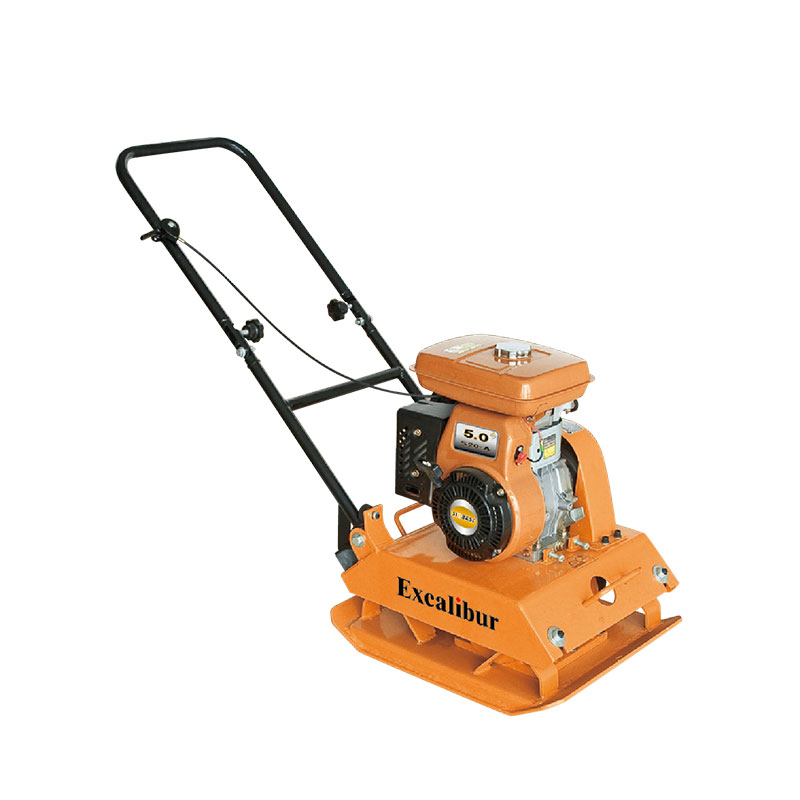
Ready to Get Started?
Both the jumping jack tamper and plate compactor represent essential tools in any serious contractor's or DIY enthusiast's arsenal. Understanding their differences empowers you to make smart equipment decisions that save time, money, and effort on every compaction project. Browse our selection of professional-grade compaction equipment at BACKYARD PROVIDER and transform your next project with the right tools for the job.