


 Damage
  Loss
Loss  Theft
Theft 


Soil Compaction Methods and Equipment
Soil compaction is a fundamental step in preparing the ground for any structure, helping increase soil density, eliminate trapped air pockets, and boost load-bearing capacity. The right compaction approach depends entirely on what you're working with — whether that's dirt, clay, sand, gravel, or silt. In this guide, we'll walk through the most effective techniques and machines built to compact different soil types for projects like paver installations, sidewalks, patios, and driveways.
 When Is Soil Compaction Needed in Construction?
Soil compaction is almost always required on construction sites to deliver a stable, reliable base for buildings, roads, and other infrastructure. Done properly, it allows the ground to safely hold the weight of whatever sits on top and prevents the kind of uneven settling that leads to cracks, shifting, and long-term structural damage. Here are the most common situations where compaction is essential:
- Building Foundations Before any structure goes up, the ground beneath it must be compacted to form a flat, solid base. Skipping this step invites uneven settling, which can lead to cracks, misaligned frames, or even structural failure over time.
- Road Construction Roads demand a durable, well-compacted base capable of handling heavy traffic and seasonal stress like freeze-thaw cycles. Without proper compaction, pavement layers begin to fail much sooner than expected.
- Embankments & Earth Fills Whenever embankments, dams, or landfills are being built, compaction strengthens the soil and significantly reduces the risk of slope failure, settlement, or landslides.
- Utility Trenches When water, sewer, or gas lines are buried underground, surrounding soil needs to be tightly compacted to keep the lines properly supported and protect them from pipe damage or shifting.
- Retaining Walls Compacted soil provides the lateral pressure resistance retaining walls need to stand firm. Without it, the weight of retained earth can eventually push the wall out of place.
Types of Soil Compaction Equipment
Rammer Compactors
Also known as jumping jacks or tamping rammers, rammer compactors are a go-to option for cohesive and semi-cohesive soils like clay and silt. They work by delivering powerful, concentrated high-impact blows through a piston-driven foot — a motion that effectively crushes air pockets out of the soil and boosts density.
Rammers really shine in tight or confined spaces such as utility trenches, where backfilling around pipes and lines requires precision. Depending on the model and soil type, a rammer can reach compaction depths up to roughly 20 inches. Their compact footprint and maneuverability also make them well-suited for residential applications including patios, sidewalks, and smaller driveways.
Plate Vibratory Compactors
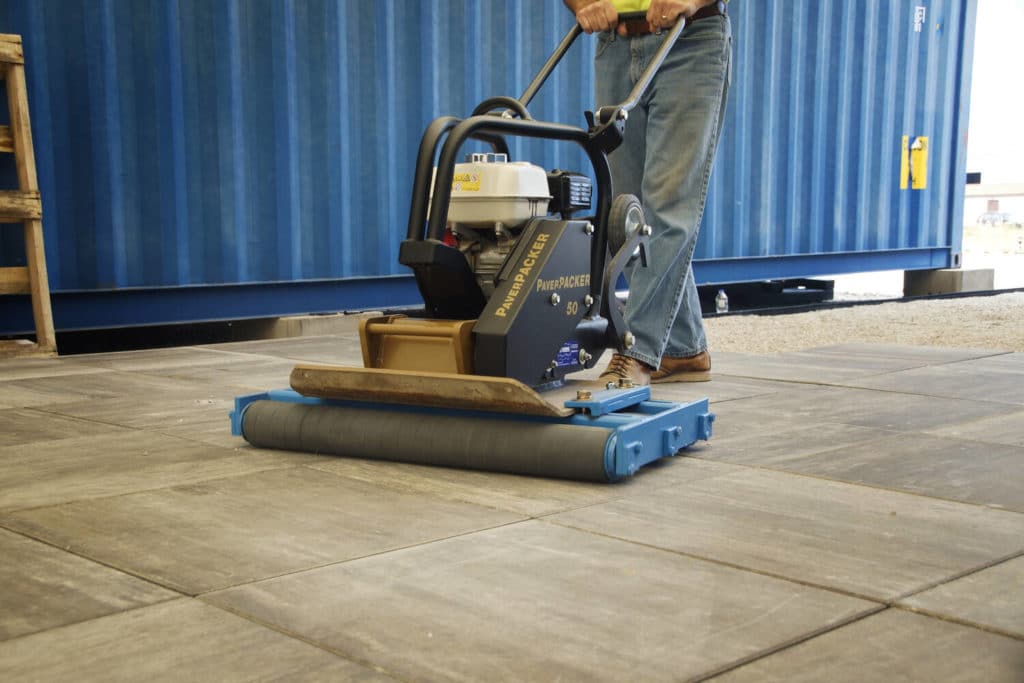
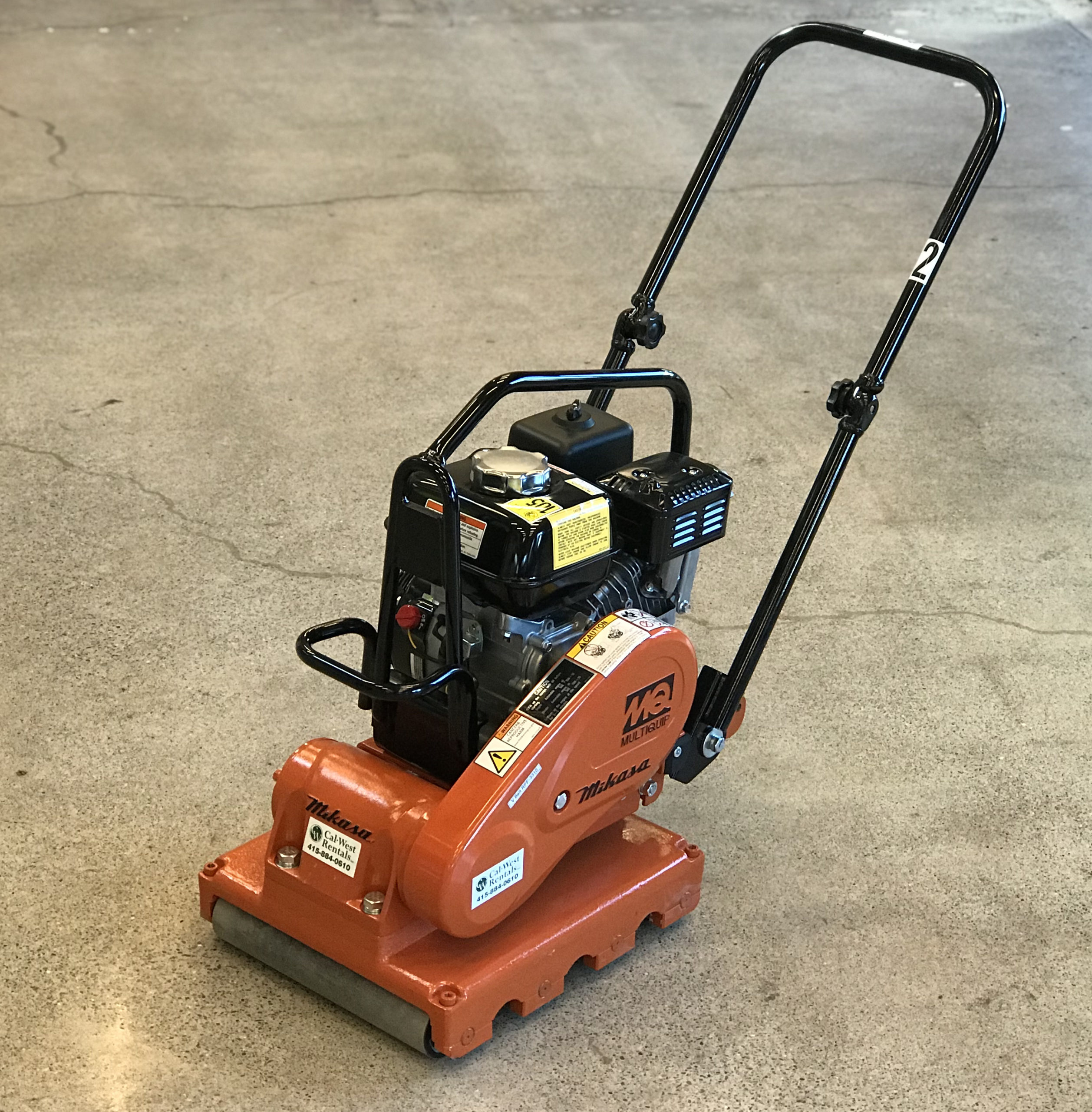
Plate vibratory compactors — often simply called vibratory plates — are best suited for granular soils like sand and gravel. These machines combine machine weight with rapid vibration: the plate underneath oscillates while moving forward, compressing the soil as it travels. Compared to rammers, they offer higher compaction force and better efficiency, making them the smarter pick for larger surface areas.
The depth of compaction depends on the machine's weight, vibration frequency, and soil type. Typically, plate compactors handle up to about 12 inches in sand and gravel, and roughly 6–8 inches in clay or dirt.
Plate vibratory compactors are widely used in paver installations, especially for sub-base and base layers where a stable foundation is critical. They're also the standard choice for finishing sidewalks, patios, and driveways thanks to how cleanly they compact granular soils into a smooth, level surface.
Looking for a heavy-duty plate compactor that delivers serious force?
The Stark USA 6.5HP Plate Compactor packs a 196cc gas-powered engine, 4,000 lbs of compaction force, and includes a water tank for asphalt jobs — perfect for paver, sidewalk, and driveway work.
Shop Stark USA Plate CompactorCompaction Rollers
 Compaction rollers — sometimes called roller compactors or simply rollers — are heavy-duty machines fitted with large drums that compress soil as they roll across the surface. They're especially effective on large areas and are a staple of road construction and major civil engineering projects. Rollers come in several styles, including smooth drum, padded drum, and grid rollers, each engineered for specific soil types and compaction needs.
Padded drum rollers, also referred to as sheepsfoot rollers, are built for cohesive and semi-cohesive soils like clay and dirt, while smooth drum variants are typically reserved for granular materials. These machines can typically compact soil layers up to roughly 2 feet (about 60 cm) deep.
Compaction Requirements for Paver Installations, Sidewalks, Patios & Driveways
For paver projects, sidewalks, patios, and driveways, careful soil compaction is what separates a long-lasting installation from one that fails within a few seasons. Here's the general process for compacting soil correctly on these types of jobs:
- Excavation Clear away topsoil, vegetation, and debris until you've exposed the subgrade. The depth depends on the paving material and the required thickness of sub-base and base layers.
- Subgrade Compaction Compact the exposed subgrade soil with equipment chosen to match the soil type. Getting this layer right is critical, as it supports everything above it.
- Sub-Base Installation Spread a layer of granular fill — usually crushed stone — over the compacted subgrade. Thickness varies by project specs, local codes, and soil conditions. Compact it using a plate vibratory compactor or roller, depending on scale.
- Base Installation Install the base layer, typically compacted gravel or crushed stone, then compact again with a plate compactor or roller. Aim for an even surface and full density before moving on.
- Paving Material Installation Lay the chosen surface — concrete, asphalt, or pavers — over the compacted base. Always follow the manufacturer's recommendations and local building codes.
- Final Compaction For paver installations specifically, run a plate vibratory compactor with a protective pad over the finished surface. This step locks the pavers into the base material and helps create a tight, stable surface.
 Ready to tackle your next compaction project the right way?
Get professional-grade compaction force with a built-in water tank for asphalt — the Stark USA plate compactor delivers 4,000 lbs of force and reliable performance job after job.
Shop Stark USA Plate Compactor