


 Damage
  Loss
Loss  Theft
Theft 


How a Jumping Jack Compactor Works
If you're tackling backyard construction projects like building a patio, setting fence posts, or laying the groundwork for a shed, you'll quickly discover that proper soil compaction is crucial for lasting results. A jumping jack compactor—also known as a rammer or tamper—is your go-to tool for achieving professional-grade compaction in confined areas. This comprehensive guide will walk you through everything you need to know about using these powerful machines effectively and safely.
Key Components and Their Functions
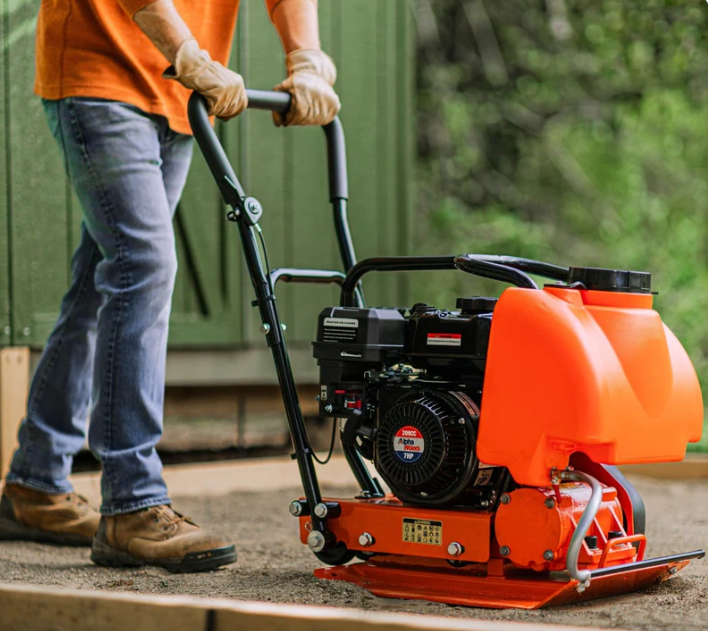
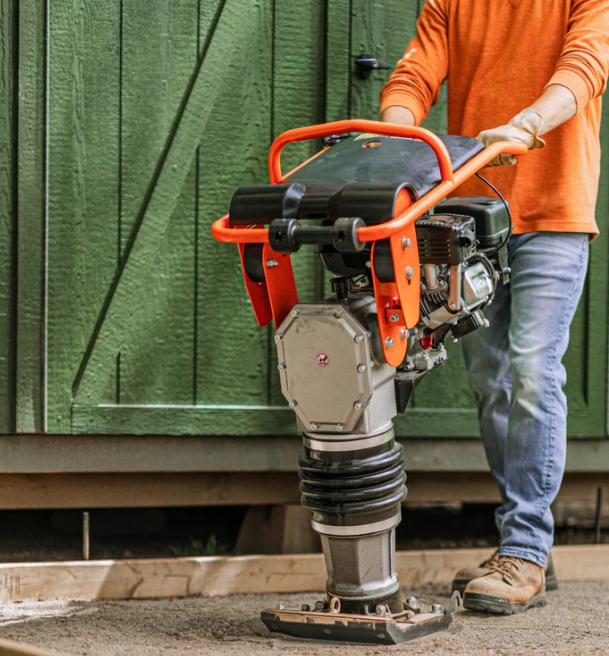
Understanding the anatomy of your jumping jack tamper helps you operate it more effectively. The machine consists of several critical parts working in harmony. The engine—typically gasoline-powered—generates the force needed for compaction. This power transfers through a crankshaft mechanism to the spring assembly, which amplifies the vertical motion. The ramming shoe at the bottom delivers concentrated impact force directly into the soil. Handle bars with vibration dampening allow you to guide the machine while minimizing operator fatigue, and the throttle control lets you adjust the intensity based on soil conditions.
The Compaction Process Explained
The jumping jack compactor operates through rapid vertical impacts delivered at approximately 500-700 blows per minute. When activated, the engine drives the internal mechanism that propels the entire machine upward before gravity and mechanical force bring it crashing down onto the surface. This repetitive impact action forces air pockets out of the soil while rearranging particles into a denser configuration. The relatively small footprint of the ramming shoe—typically around 11 by 13 inches—concentrates tremendous force into a compact area, making these machines ideal for trench work and areas adjacent to foundations or walls.
Choosing the Right Jumping Jack Compactor
Factors to Consider for Your Project
Selecting the appropriate rammer depends on several project-specific variables. First, evaluate the soil type you'll be working with—cohesive soils like clay require different impact forces than granular materials like sand or gravel. Consider the depth of compaction needed; deeper fills require heavier machines with greater impact energy. The work area dimensions matter significantly too, as tighter spaces demand more maneuverable equipment. Finally, factor in the duration of your project, since extended use calls for machines with superior ergonomic features to reduce operator fatigue.
Why Superhandy Tampers Stand Out
Quality jumping jack compactors combine robust construction with user-friendly features. Look for models offering powerful engines matched with effective vibration isolation systems. Built-in water tanks for dust suppression, easy-start mechanisms, and accessible maintenance points all contribute to a better working experience. Premium tampers deliver consistent performance across various soil conditions while standing up to the rigors of regular use.
Step-by-Step Guide to Using a Jumping Jack Tamper
Preparing the Work Site
Before firing up your compactor, proper site preparation ensures optimal results. Clear the area of rocks, debris, and any objects that could interfere with compaction or damage equipment. Evaluate the soil moisture content—material should be damp but not saturated. Soil that's too dry won't compact effectively, while overly wet conditions can cause the machine to sink or create an unstable surface. If working in a trench, verify the walls are stable and the area provides adequate ventilation for engine exhaust.
Operating the Tamper Correctly
Position yourself behind the machine with a firm grip on both handles. Start the engine following manufacturer procedures—typically involving fuel valve activation, choke adjustment, and pull-start operation. Allow a brief warm-up period before engaging the throttle. Begin compaction at low speed until you develop a feel for the machine's behavior. Guide the rammer in systematic passes, overlapping each path by roughly one-third the shoe width. Work in lifts of 4-6 inches for cohesive soils and up to 12 inches for granular materials, compacting each layer before adding more fill.
Achieving Uniform Compaction
Maintain Consistent Speed
Keep the machine moving at a steady pace—rushing creates uneven results while moving too slowly wastes time without improving compaction.
Overlap Your Passes
Each subsequent pass should cover approximately 30% of the previous path to eliminate gaps and ensure thorough coverage across the entire work area.
Monitor Moisture Levels
Add water as needed to maintain proper moisture content—optimally compacted soil should hold together when squeezed but crumble when released.
Check Your Progress
Periodically test compaction by walking on the surface—properly compacted material should feel firm with minimal depression under foot traffic.
Maintenance Tips for Your Jumping Jack Compactor
Routine Inspections and Care
Consistent maintenance keeps your rammer performing at peak efficiency while extending its service life. Before each use, inspect the air filter and clean or replace it as conditions warrant—dusty environments demand more frequent attention. Check oil levels according to manufacturer specifications; most jumping jacks require oil changes after every 50-100 operating hours. Examine the ramming shoe for excessive wear or damage, as a compromised shoe reduces compaction effectiveness. Verify all bolts and fasteners remain tight, paying special attention to handle connections and engine mounts that absorb significant vibration.
| Component | Inspection Frequency | Action Required |
|---|---|---|
| Air Filter | Before each use | Clean or replace when clogged |
| Engine Oil | Every 50-100 hours | Check level and change as needed |
| Ramming Shoe | Weekly during heavy use | Inspect for wear, replace if damaged |
| Spark Plug | Every 100 hours | Clean and adjust gap or replace |
| Fasteners | Before each use | Tighten any loose bolts |
Storage and Cleaning Recommendations
After completing your compaction work, proper cleanup prevents long-term problems. Remove accumulated soil and debris from the ramming shoe and body—caked material traps moisture that promotes corrosion. Wipe down external surfaces and apply a light coating of oil to unpainted metal components. For extended storage periods, drain the fuel tank or add stabilizer to prevent carburetor issues. Store the machine upright in a dry, protected location away from direct sunlight and temperature extremes.
When Professional Service Is Needed
While basic maintenance can be handled at home, certain issues warrant professional attention. If your machine exhibits unusual vibrations, fails to start consistently, produces excessive smoke, or shows signs of internal damage, consult a qualified technician. Attempting complex repairs without proper knowledge risks personal injury and can void warranties. Keep records of service history—this documentation proves valuable when selling the equipment or making warranty claims.
Safety Guidelines for Using a Jumping Jack Compactor
Essential Personal Protective Equipment
Operating a jumping jack tamper exposes you to significant noise, vibration, and potential debris hazards. Always wear hearing protection—these machines typically generate noise levels exceeding 100 decibels, enough to cause permanent hearing damage with prolonged exposure. Steel-toe boots protect your feet from the heavy machine and provide stable footing on uneven terrain. Safety glasses or goggles shield your eyes from flying particles kicked up during operation. Heavy-duty work gloves with vibration-dampening properties reduce hand-arm vibration syndrome risk while improving grip control.
⚠️ Important Safety Reminders
- Never operate the machine while fatigued or under the influence of substances that impair judgment
- Keep bystanders at a safe distance—flying debris can travel considerable distances
- Avoid operating on slopes exceeding the manufacturer's recommendations
- Never refuel while the engine is hot or running
- Ensure adequate ventilation when working in enclosed spaces
Safe Operating Practices
Beyond protective equipment, safe operation requires situational awareness and proper technique. Conduct a thorough walk-around before starting—look for obstacles, underground utilities, and unstable ground conditions. Maintain two-handed control at all times and position your body behind the machine, never beside it. Take regular breaks to prevent fatigue-related accidents; most safety guidelines recommend 15-minute breaks after each hour of continuous operation. Be mindful of your surroundings, especially when working near trenches, foundations, or other structures where ground stability may be compromised.
Troubleshooting Common Issues with Jumping Jack Tampers
Identifying Performance Problems
Even well-maintained equipment occasionally develops issues. Recognizing symptoms early prevents minor problems from becoming major repairs. If your rammer loses impact power, check for worn ramming shoes, depleted oil, or clogged air filters first. Unusual sounds—grinding, knocking, or excessive rattling—often indicate loose components or internal wear requiring attention. Starting difficulties frequently trace back to fuel system issues: stale gasoline, clogged carburetors, or fouled spark plugs. Document any patterns you notice; this information proves invaluable when consulting service professionals.
Pro Tip: Keep a maintenance log noting unusual sounds, behaviors, or patterns you observe during operation. This record helps mechanics diagnose problems more efficiently and can reveal developing issues before they cause complete failure.
Resolving Engine Problems
Most engine troubles stem from fuel or ignition system issues. For hard starting, verify the fuel valve is open and fresh gasoline is in the tank. Check the choke position and ensure the spark plug wire is firmly connected. If the engine runs rough or stalls, a dirty carburetor is often the culprit—carburetor cleaner can resolve minor buildup, though severe cases may require professional cleaning or rebuilding. Engines that overheat typically suffer from restricted airflow around cooling fins; clean debris accumulation regularly. Always consult your owner's manual for model-specific guidance, as procedures vary between manufacturers.
Note: Always consult the manufacturer's manual when addressing engine issues. Following model-specific procedures ensures safe repairs and preserves warranty coverage.
When to Replace Parts or Seek Expert Help
Certain components are designed for periodic replacement regardless of apparent condition. Ramming shoes experience gradual wear that may not be visually obvious but significantly impacts performance—most manufacturers recommend replacement after specific operating hour thresholds. Spring assemblies fatigue over time, reducing impact force even when other components function properly. If basic troubleshooting doesn't resolve performance issues, or if you notice oil leaks, metal shavings, or structural damage, professional evaluation is warranted. Investing in proper repairs prevents costly breakdowns during critical project phases.
Regular maintenance addresses most common problems. However, when uncertainty exists about a repair's complexity or safety implications, trusting qualified technicians protects both you and your equipment investment.
Ready to Start Your Next Project?
Equip yourself with professional-grade compaction power for all your backyard construction needs. Our selection of quality jumping jack tampers delivers the performance and reliability your projects demand.
Stark USA 6.5HP Jumping Jack TamperMastering the jumping jack compactor opens up possibilities for tackling professional-quality backyard projects with confidence. From preparing foundations for garden structures to compacting backfill around fence posts and utility installations, this versatile tool proves indispensable for achieving the stable, long-lasting results that separate amateur efforts from expert craftsmanship. By following proper operating procedures, maintaining your equipment diligently, and prioritizing safety at every step, you'll maximize both your productivity and the lifespan of your investment. Whether you're a weekend warrior transforming your outdoor space or a seasoned contractor completing jobs efficiently, the jumping jack compactor remains one of the most effective tools for getting soil compaction right the first time.