


 Damage
  Loss
Loss  Theft
Theft 


Different Types of Water Heaters
Water Heater Options
Whether you are replacing an aging unit in your current home or selecting a water heater for a brand-new build, picking the right system is essential to achieving dependable hot water efficiency. With so many options on the market today, the sheer variety can feel overwhelming at first glance. Below, we break down the different categories of water heaters so you can make a well-informed decision that best fits your household needs.
Gas Water Heater
A significant majority of American households rely on gas-powered water heaters, making this fuel type the most widely used option across the country. Gas water heaters work by utilizing a burner to heat the water inside the tank, with combustion gases released through a venting system.
These venting configurations generally come in a few different styles:
- Atmospheric vent — a traditional setup using a vertical vent pipe connected to the home's existing ventilation system.
- Power vent — uses a fan to push exhaust through horizontal or vertical ductwork.
- Direct vent — vented directly outside through a wall or rooftop opening.
Gas water heaters are known for heating water rapidly and reliably, and they can continue to function during a power outage when equipped with a pilot light rather than an electronic igniter. While natural gas tends to cost less than electricity in many areas, the initial purchase price for a gas model can sometimes run higher than its electric counterpart.
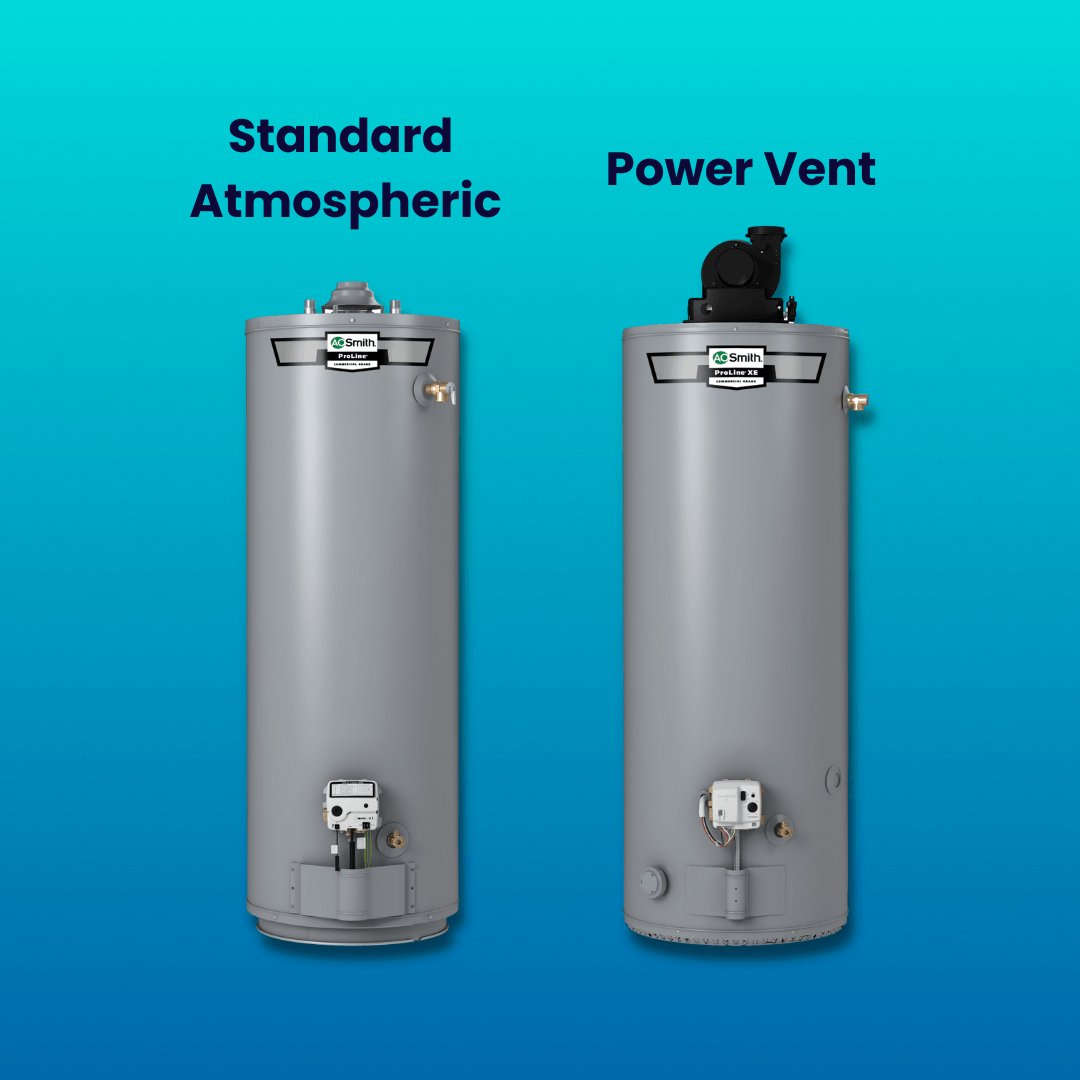
Natural Gas Water Heater
Natural gas remains the most common fuel source for gas-powered water heaters. It is widely regarded as one of the most affordable and convenient options available, though it is not the most environmentally friendly. Most homes already have a natural gas line, but those that do not may need to weigh the cost of installation against other alternatives.
Propane (LP) Water Heater
Although classified as a renewable energy source, the mining process for propane does carry its own environmental impact. One advantage of propane is that it can be produced domestically rather than imported, and it is easier and more cost-effective to transport. However, propane tends to be priced higher than natural gas overall. If you plan to switch from natural gas to propane, keep in mind that you may need to purchase a compatible heater or invest in a conversion kit to make the transition.
Electric Water Heater
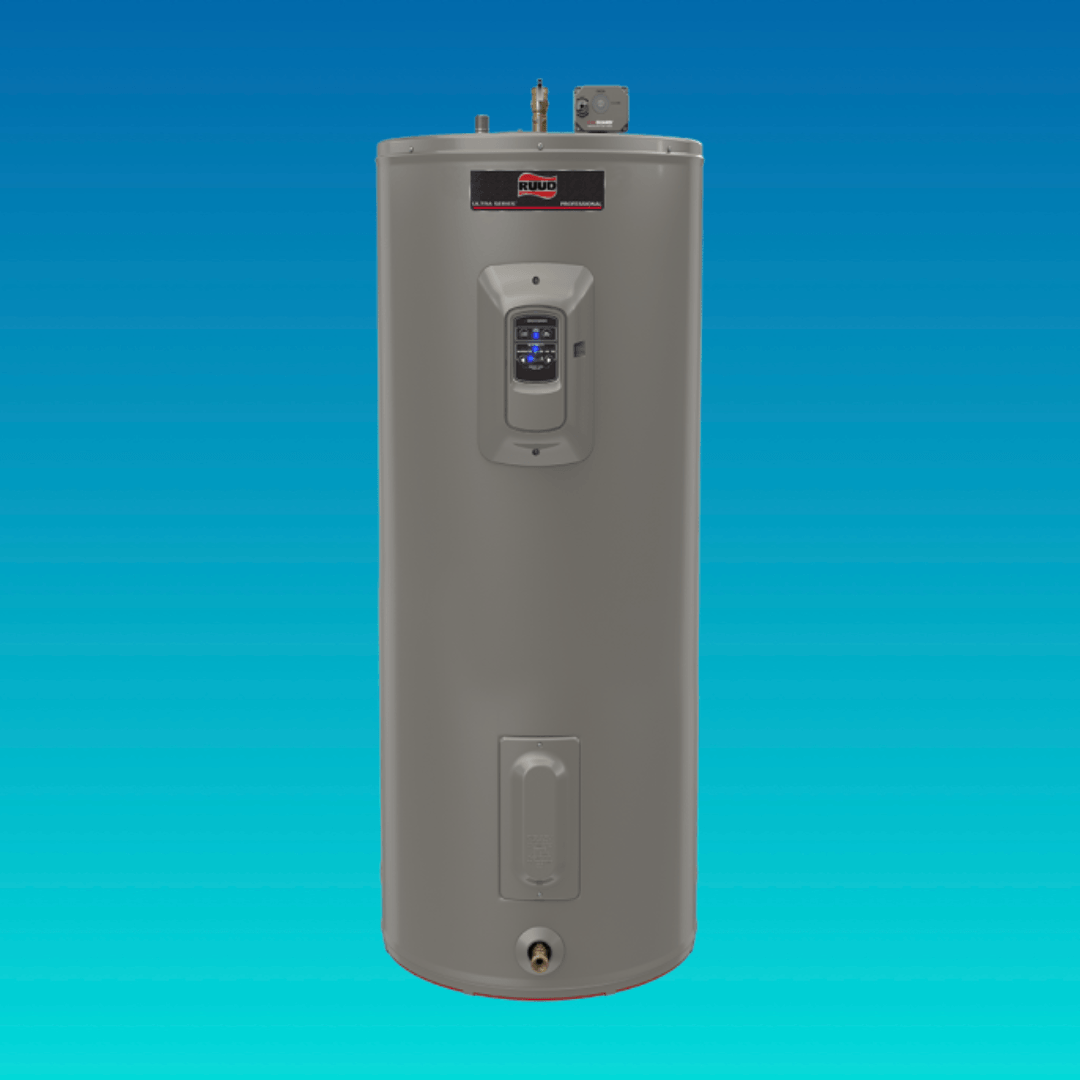
Electric water heaters stand as the second most popular choice among homeowners. They generally deliver better energy efficiency ratings compared to gas models and tend to cost less upfront, though they are typically slower at producing hot water.
Year after year, more households are making the switch to electric water heaters, with some industry analysts predicting they could eventually surpass gas units in overall adoption.
These systems heat water through electric heating elements — most modern units feature two elements, along with two thermostats that allow for individual temperature control of each element.
Heat Pump Water Heater
Heat pump water heaters represent one of the most energy-efficient technologies available today. Rather than generating heat directly, these systems work by transferring warmth from the surrounding air into the water, which dramatically reduces energy consumption.
While heat pumps come with a higher initial price tag and have specific installation requirements, the long-term energy savings can be substantial. These units are particularly well-suited for high-efficiency settings where performance and sustainability are priorities.
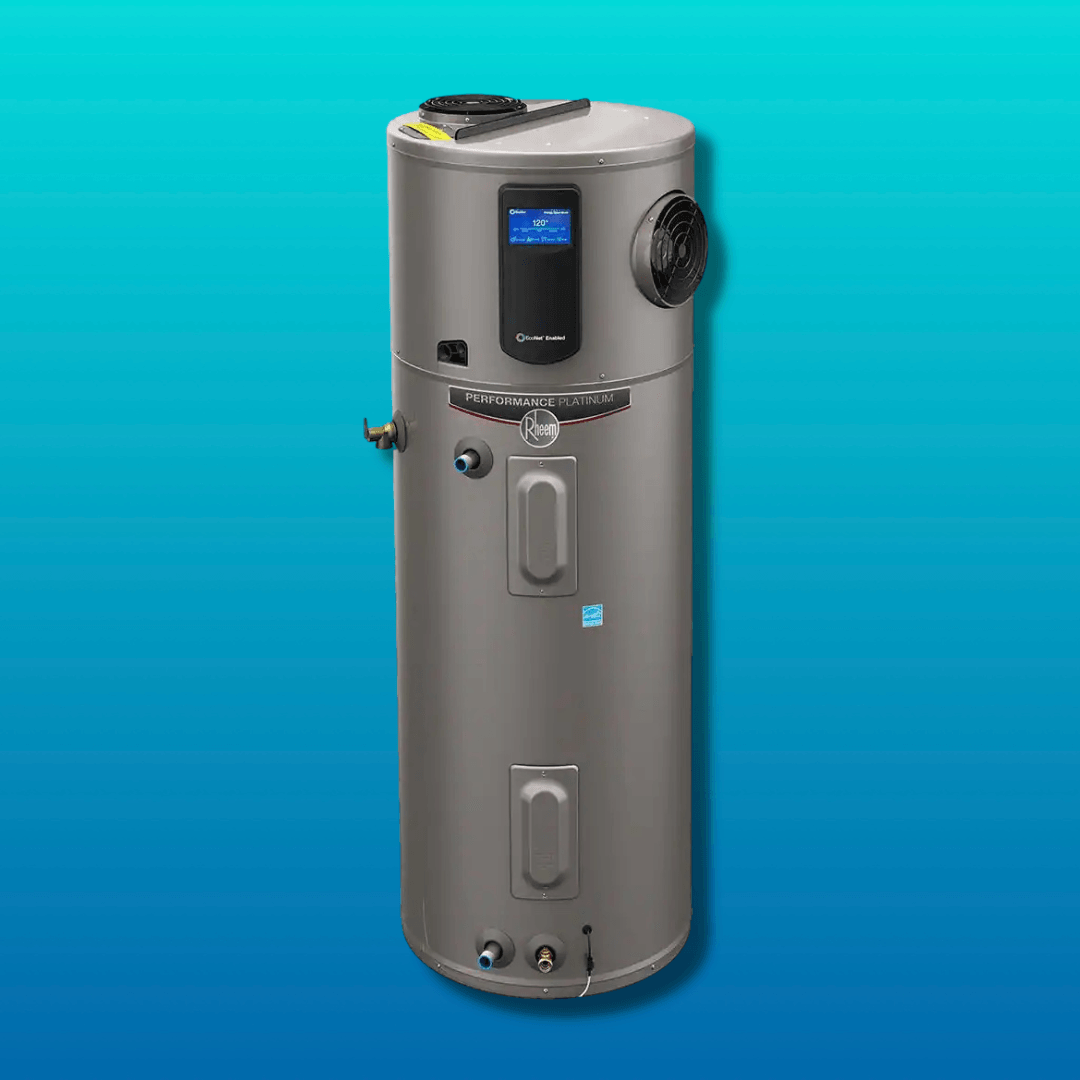
Hybrid Water Heater
Hybrid water heaters give you the flexibility to toggle between electric resistance heating and heat pump mode. Under normal conditions, the heat pump mode handles the workload efficiently, but during periods of heavy demand, the system can switch to standard electric heating to keep up. It is worth noting that hybrid models only support heat pump and electric operation — they do not accommodate gas. If your home currently uses a gas water heater, consider exploring dedicated heat pump models instead.
Solar Water Heater
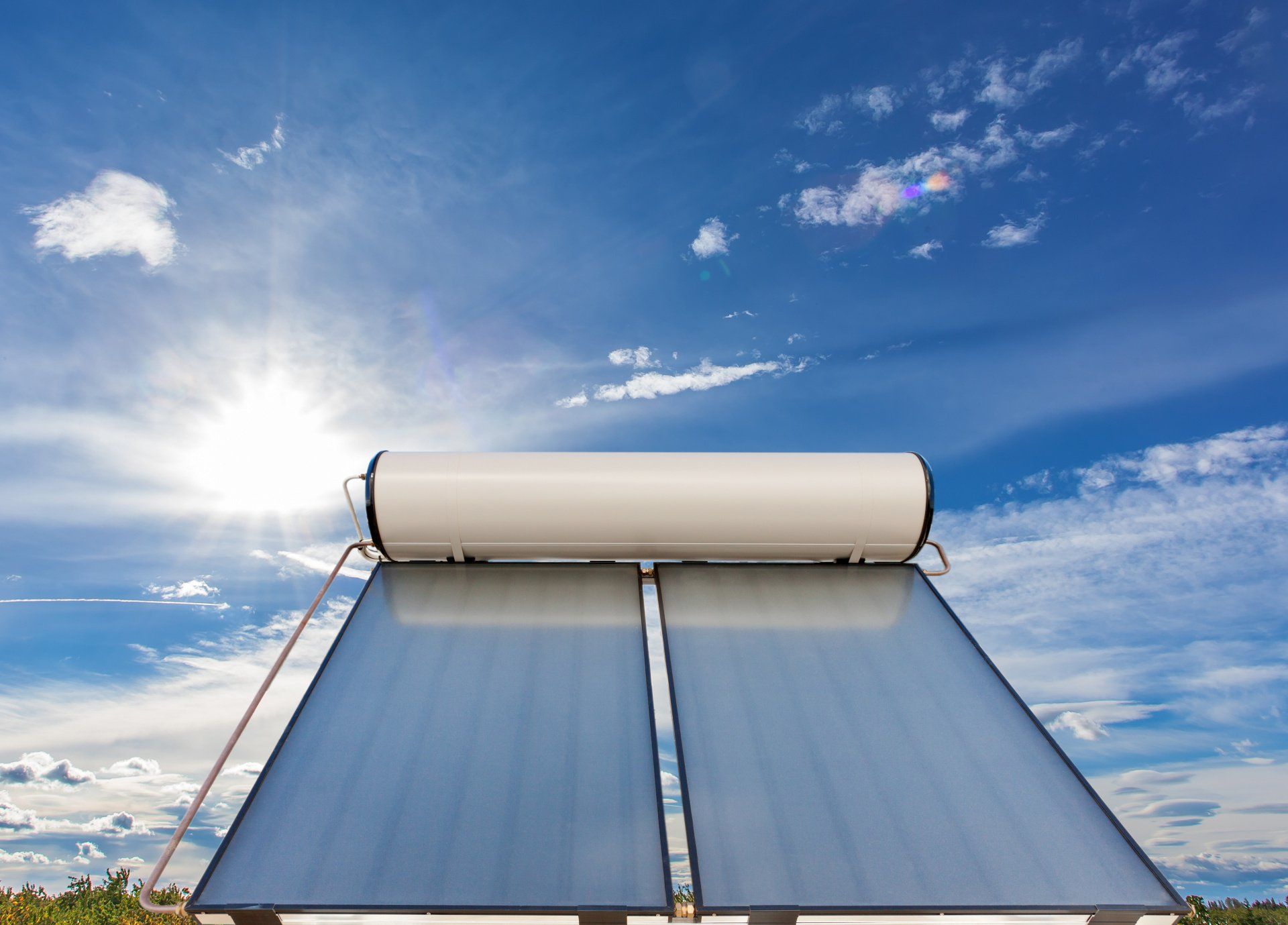
Solar water heaters harness the sun's energy to warm your water supply. Homeowners can choose between active solar heating systems, which use pumps to circulate water, and passive systems that rely on natural convection — along with several other configurations.
These systems deliver efficiency ratings that rival heat pump water heaters, though the upfront investment can be considerable. Most solar water heaters also include a backup energy source — typically electricity or gas — to ensure consistent hot water availability even on cloudy days.
Indirect Water Heater
An indirect water heater draws heat from your home's existing boiler or furnace, passing it through a heat exchanger housed inside the water tank. This approach eliminates the need for a separate combustion system dedicated to heating water.
When paired with a high-efficiency boiler, indirect water heaters can outperform conventional standalone units in terms of energy efficiency. They also do not require their own venting system, though they do need a storage tank to hold the heated water.
Tank Water Heater Vs. Tankless Water Heater
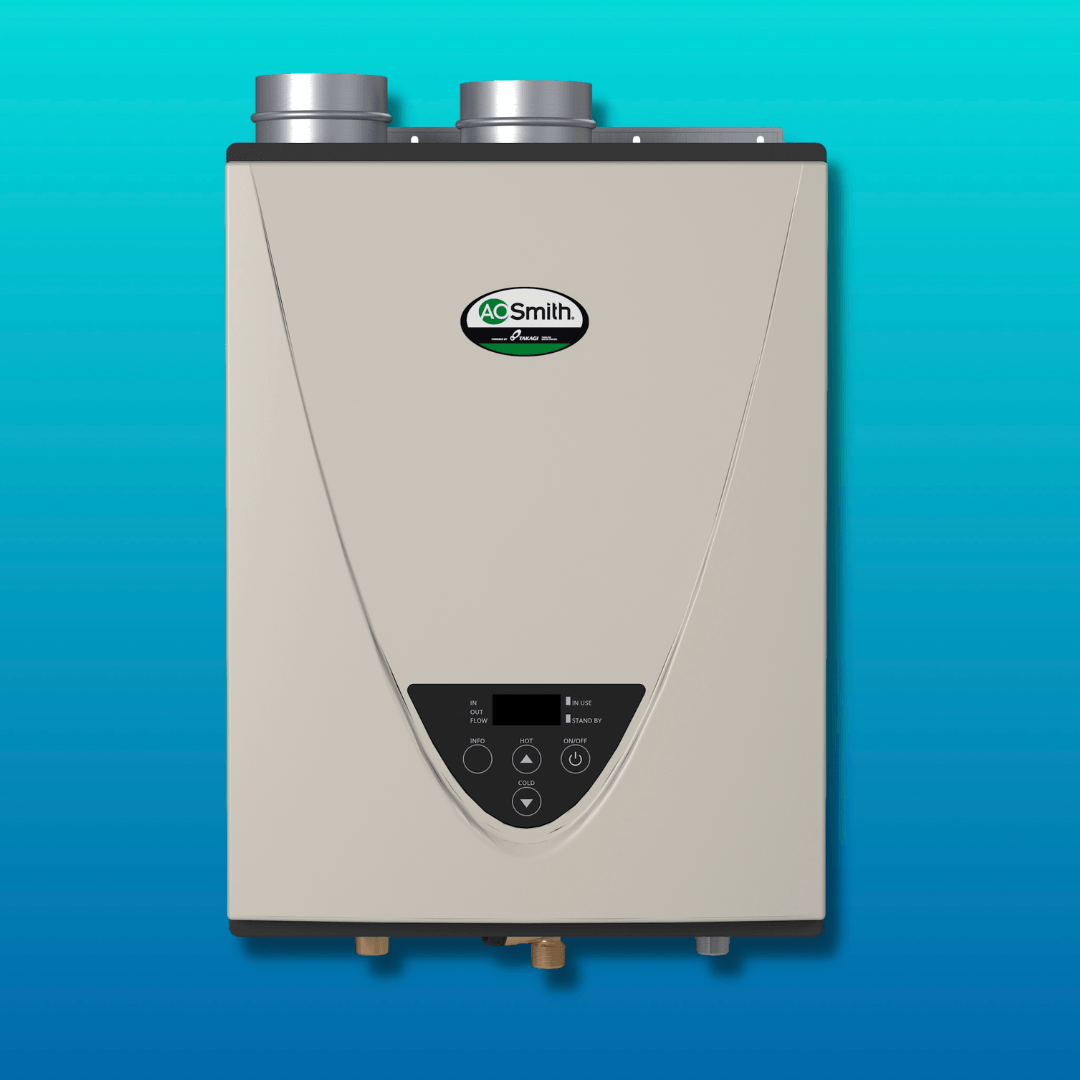
The vast majority of residential water heaters feature a storage tank that keeps a reserve of hot water ready at all times. Tankless water heaters, on the other hand, heat water on demand as it flows through the unit, completely eliminating the need for a bulky storage tank.
Tankless models offer several compelling advantages over their traditional counterparts:
Compact size — Tankless units are significantly smaller and can be installed in tighter spaces throughout the home.
Higher energy efficiency — On average, tankless models achieve 85–94% energy efficiency, outperforming standard storage tank heaters.
Endless hot water — Because water is heated as it flows, you never have to worry about running out mid-shower.
Longevity — While a typical storage tank unit lasts 10–15 years, a quality tankless heater can last 20 years or more.
You can choose among electric tankless, condensing gas tankless, and non-condensing gas tankless water heaters. Condensing models recapture heat from exhaust gases via a secondary heat exchanger, boosting efficiency even further. Non-condensing units feature efficiency levels similar to standard electric water heaters.
Residential Water Heater Vs. Commercial Water Heater
Every building that requires hot water relies on some form of water heater — whether residential, commercial, or industrial. Residential water heaters are designed primarily for single-family homes, smaller multi-family units, and modest commercial spaces. Larger commercial buildings, apartment complexes, and warehouses, however, typically require commercial-grade water heaters or boilers to meet their greater demand.
Commercial systems generally consume more energy than their residential counterparts and come with additional considerations for installation and ongoing maintenance. If you are looking to learn more about commercial water heaters, be sure to explore our additional resources on commercial water heating solutions.
Find the Right Water Heater for Your Home
No matter which type of water heater you choose, making the right selection starts with understanding your household's hot water demands, fuel availability, and efficiency goals. From installation to long-term maintenance and repair, investing in the right unit ensures reliable hot water for the life of your system.
State Proline 74-Gal Gas Water Heater