


 Damage
  Loss
Loss  Theft
Theft 


How to Properly Use a Moving Dolly
Hauling heavy equipment, bulky furniture, or stacks of construction materials can put serious strain on your body if you're not using the right tools. That's where a moving dolly comes in — a simple yet indispensable piece of equipment that transforms back-breaking labor into a manageable task. Whether you're relocating appliances across a warehouse floor or wheeling pipe fittings around a job site, a quality dolly is an investment in both your productivity and your physical well-being.
This guide covers everything you need to know about selecting, loading, and operating a moving dolly the right way. By the time you're finished reading, you'll have a solid understanding of the different dolly types available, the correct lifting techniques to pair with them, and the best practices for navigating tricky terrain like ramps and staircases. Let's get rolling.
Understanding Different Types of Dollies
Before you grab just any dolly off the shelf, it pays to understand what's available and which style suits your particular workload. There are three primary categories: utility dollies, furniture dollies, and appliance dollies. Each one is engineered for a specific range of tasks, and choosing the wrong type can lead to inefficiency — or worse, an accident.
Utility dollies, sometimes called hand trucks, feature an L-shaped frame and are ideal for moving boxes, small crates, and lighter loads. Furniture dollies come with a wide, flat platform and four swivel casters, making them perfect for sliding heavy cabinets, desks, and other large items across smooth surfaces. Appliance dollies are the heavy-duty option — built with reinforced frames and securing straps to handle refrigerators, washing machines, and similar weighty equipment.
Knowing which dolly matches the job is the first step toward a safer, more efficient workflow. Take a moment before each task to evaluate the weight, shape, and dimensions of what you need to move. Clearing the pathway ahead of time is equally important — obstacles on the ground are a recipe for tipped loads and twisted ankles. A little preparation upfront saves a lot of headaches later.

Selecting the Right Dolly and Lifting Safely
Picking the correct dolly for a given load makes all the difference between a smooth operation and a dangerous one. Always account for the total weight of the items you'll be transporting. A reliable rule of thumb is to choose a dolly rated for slightly more than the load's actual weight — that extra margin of safety prevents overloading and keeps the dolly performing as designed. For oversized or irregularly shaped objects, opt for a dolly with a wider platform or integrated tie-down straps so everything stays locked in place during transit.
Equally critical is how you lift items onto the dolly. Proper form protects your spine and joints from injury. Always bend at the knees and keep your back in a neutral, upright position when picking anything up. This engages your leg muscles — the strongest muscle group in your body — rather than placing all the force on your lower back. Hold the item close to your torso and resist the urge to twist your body while carrying or setting it down.
By pairing the right equipment with sound lifting mechanics, you dramatically reduce the risk of injury and make every transport task quicker and smoother.
Loading and Transporting with a Dolly
Once you've selected your dolly and lifted your items correctly, it's time to load up. Begin by placing the heaviest items at the bottom to establish a stable center of gravity. Distributing weight evenly is essential to prevent the load from tipping or shifting mid-transport. Secure everything with ratchet straps or bungee cords so nothing slides around while you're on the move. Balance is everything — take an extra moment to adjust the arrangement before you start rolling.
When it comes to actually moving the loaded dolly, always push rather than pull. Pushing keeps the strain off your lower back and gives you better visibility of the path ahead. On inclines or ramps, move slowly and steadily, using your body weight to regulate the dolly's speed and direction. Uneven ground and gravel surfaces require extra caution — maintain a firm two-handed grip on the handle and proceed at a controlled pace to ride over bumps without losing your load.
Whether you're working solo or as part of a crew, understanding the fundamentals of proper loading and transport technique can make every task noticeably faster and far less physically taxing.
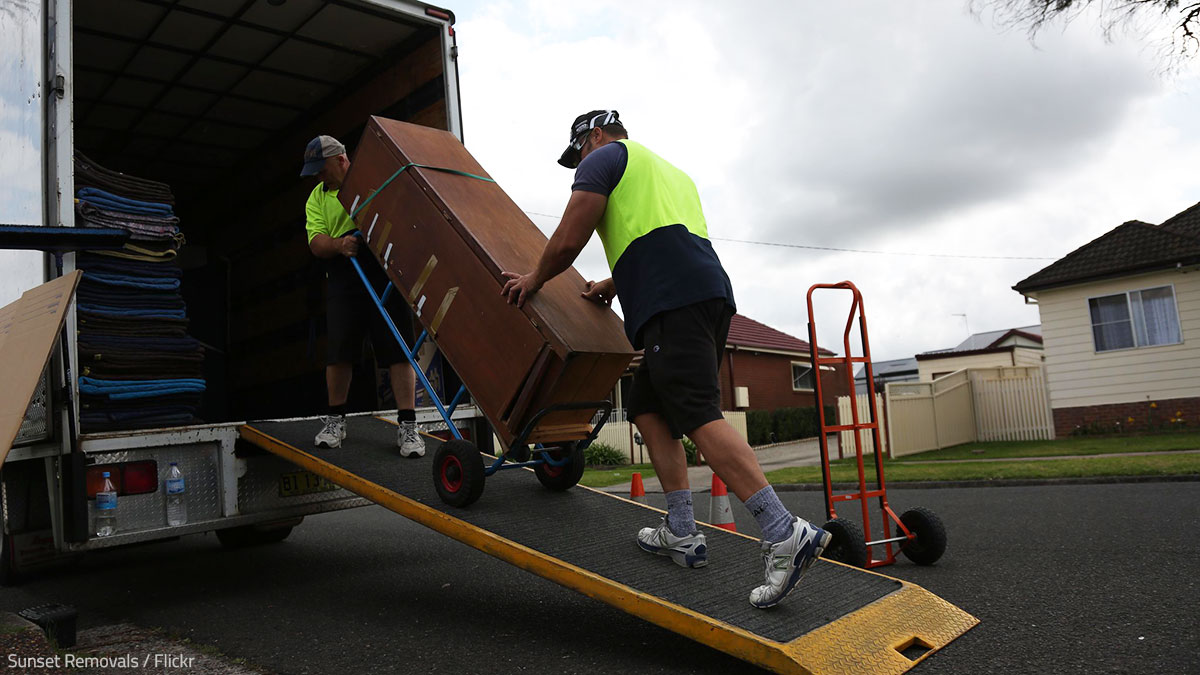
Navigating Stairs and Unloading Safely
Moving loads up or down a staircase is one of the trickiest parts of using a dolly, and safety should be your top priority throughout the process.
• Maintain a firm grip on the dolly handle at all times. Tilt the dolly slightly backward to keep the weight balanced against the frame as you ascend or descend each step.
• Move one step at a time, making sure your footing is secure before advancing. Communicate clearly with any helpers so everyone coordinates their movements and avoids mishaps.
• When it's time to unload, park the dolly on a flat, stable surface first. Carefully loosen and remove all straps or cords while holding onto the item to keep it from tipping.
• If the load is particularly heavy or awkward, don't hesitate to call for an extra pair of hands to help guide the item down gently.
Following these steps not only protects you from injury but also safeguards your materials and belongings from damage during the most challenging part of the move.
Dolly Maintenance and Troubleshooting Common Issues
A well-maintained dolly lasts for years and performs reliably every time you need it. Store your dolly in a clean, dry location to prevent rust from eating away at the frame. Make it a habit to inspect the wheels regularly for cracks, flat spots, or excessive wear — worn-out wheels compromise both stability and maneuverability. Applying a light lubricant to the axles and any moving joints keeps everything rolling smoothly and prevents squeaks or seizing.
When problems do arise — a shifting load, a tight corner you can't seem to clear, or a narrow doorway that barely fits — a bit of strategy goes a long way. Secure loose loads with additional straps before they become a hazard. For tight turns, slow down and angle the dolly in small increments rather than forcing it around in one motion. If a passageway is too narrow for your current setup, consider switching to a more compact dolly or repositioning the load to reduce its footprint.
Addressing these small maintenance tasks and situational challenges proactively keeps your dolly in peak condition and your workflow running without interruption.

Getting the Most Out of Your Dolly
Mastering the use of a moving dolly isn't complicated — it simply takes a bit of knowledge and the willingness to follow a few key principles. Prioritize safety by always securing your load with straps before you move. Distribute weight evenly and operate the dolly as it's intended to be used, and you'll find that lifting and transporting even the heaviest objects becomes a far simpler affair.
A reliable dolly doesn't just save you time — it protects your back, preserves your materials, and turns a physically demanding job into a controlled, efficient operation. Armed with the tips in this guide, you're well-equipped to handle any hauling task with confidence and ease.

Ready to upgrade your heavy-lifting setup? Check out a trusted pipe dolly built for demanding work environments.
Sumner Cricket Pipe Dolly