


 Damage
  Loss
Loss  Theft
Theft 


Best Practices for Safe & Efficient Pipe Handling
Planning & Communication
Every pipe handling operation should begin with a thorough plan. Take time to evaluate the scope of the task, identify potential risks, and confirm that all necessary tools and resources are available before any work begins. A clear action plan prevents confusion and keeps the team aligned.
Open communication among team members is just as critical as the plan itself. Everyone involved needs to understand their specific role, the procedures to follow, and the safety protocols in place. Distributing written instructions and holding a brief pre-operation meeting can dramatically reduce the chance of misunderstandings and accidents on-site.
Proper Training & Pipe Handling Equipment
Working with pipes demands specialized knowledge and hands-on skills. Comprehensive training should cover safe lifting methods, correct carrying postures, and maneuvering techniques that protect both the worker and the material. Every person on the crew must be properly trained and certified before operating pipe handling equipment.
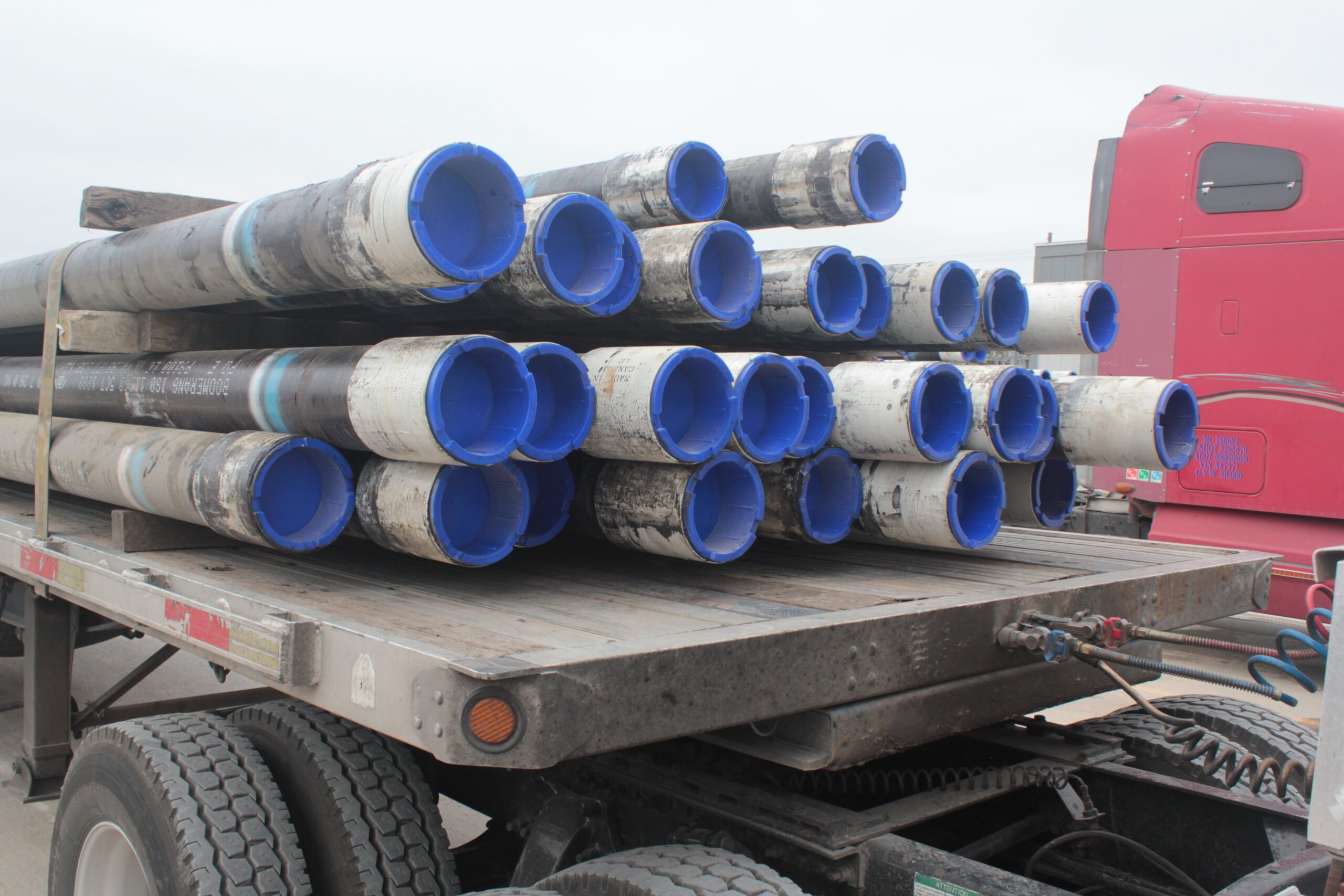
Thread protectors are indispensable for maintaining the integrity of pipe connections. They guard against damage from vibration, impact, and environmental exposure. Similarly, stabbing guides play a vital role during the insertion process by ensuring proper alignment, reducing the risk of injury, and protecting pipes from costly surface damage.
Pro Tip
Always verify that your team's certifications are up to date and that every worker has completed hands-on training with the specific equipment they will be using on-site.
Inspecting & Maintaining Handling Equipment
Routine inspection and upkeep of all handling equipment is non-negotiable. Cranes, slings, hooks, and rigging hardware should be carefully examined for signs of wear, corrosion, deformation, or malfunction before every use. Any piece of equipment that shows defects must be pulled from service immediately and either repaired or replaced.
Establishing a regular maintenance schedule ensures that equipment stays in peak condition. Keeping detailed records of inspections and service history creates accountability and helps prevent equipment failures that could endanger lives.
Proper Lifting Techniques
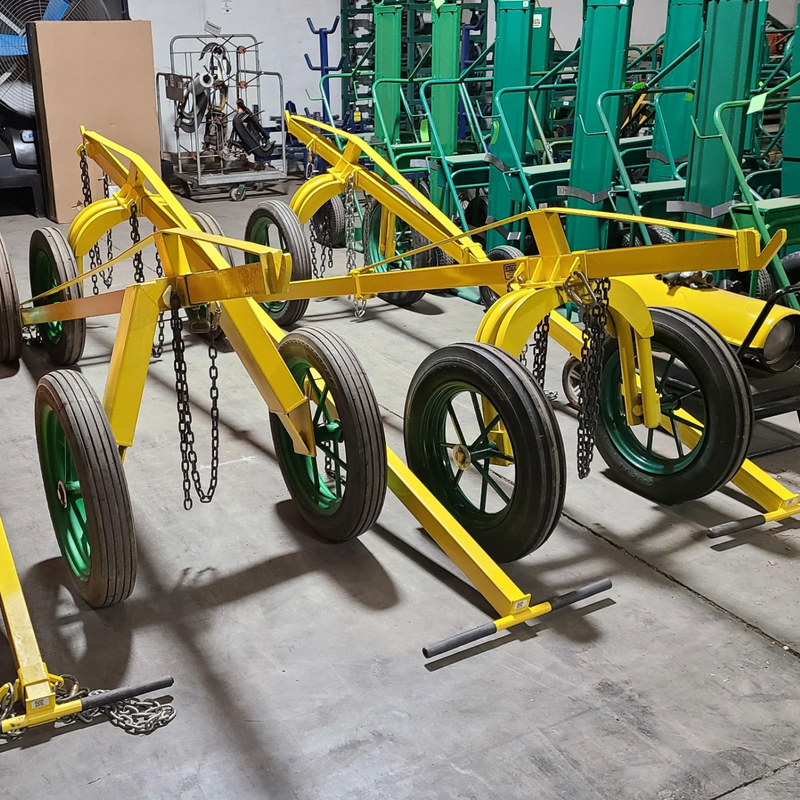
Correct lifting practices are essential for preventing back injuries and muscle strains. When possible, use team lifts and mechanical aids like hoists, cranes, or pipe dollies to move heavy loads. These tools significantly reduce the physical burden on individuals and lower the risk of injury across the crew.
Lifting bails make the process of raising pipes at rig sites far safer and more efficient. By creating a secure attachment point for lifting, bails help prevent load slippage, dropped materials, and workplace accidents. They are a simple yet critical addition to any pipe handling toolkit.
Secure Stacking & Storage
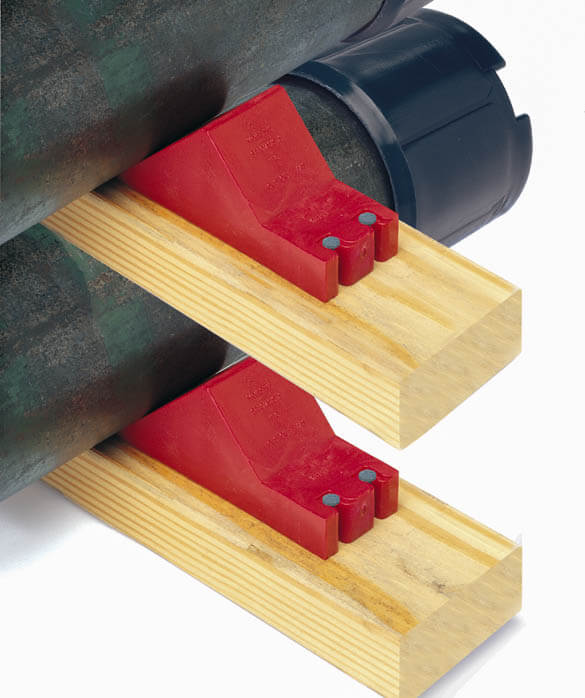
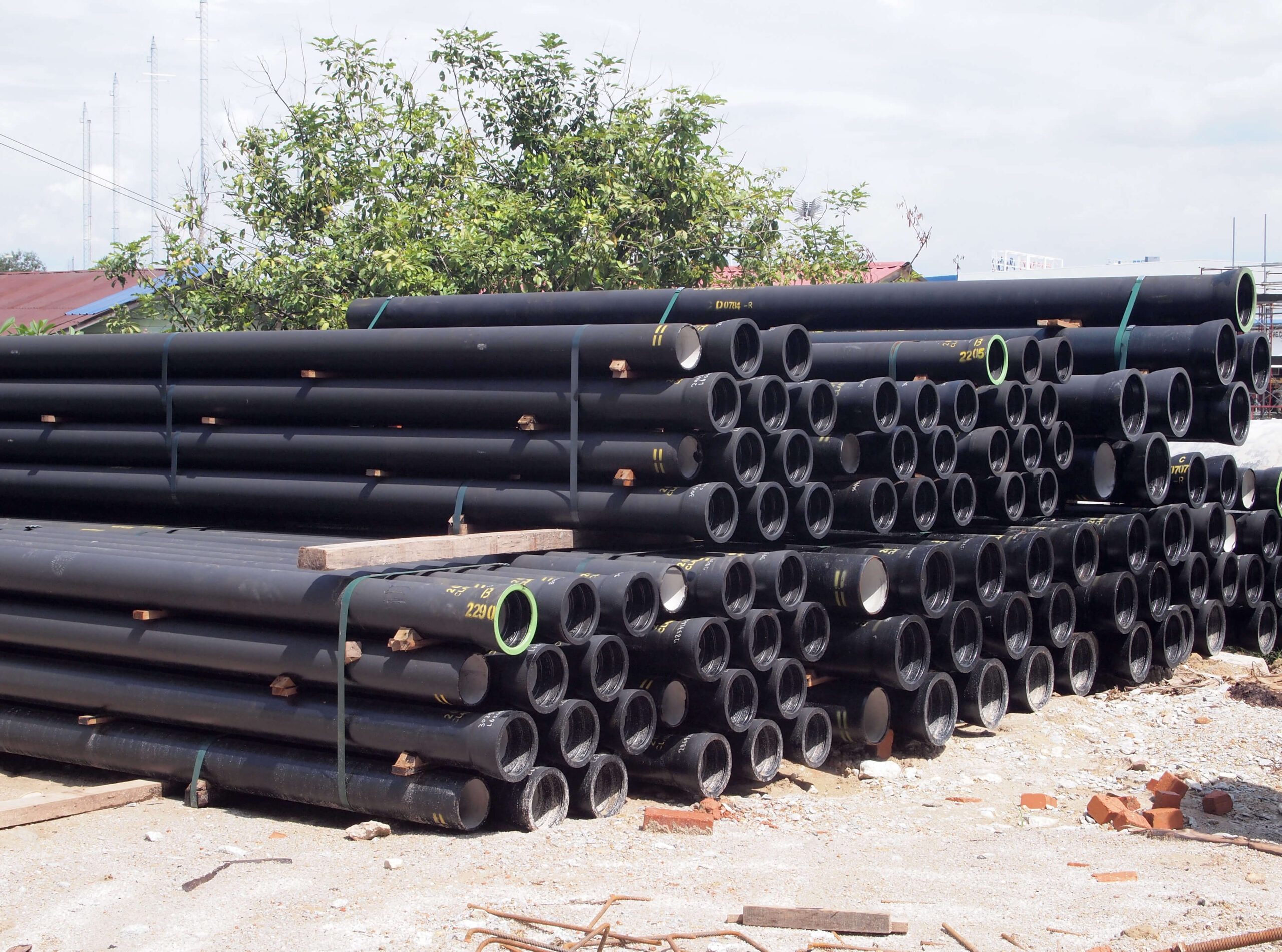
Proper storage practices are just as important as handling techniques. Pipes should always be stacked securely using appropriate supports, racks, or cradles that prevent rolling or shifting. Every stack should be clearly labeled with signage indicating the pipe size, type, and condition to allow for quick and accurate identification.
Maintain generous walkways between stacks to ensure safe access for workers and equipment. An organized storage area minimizes the risk of entrapment, falls, and other accidents that commonly occur in cluttered or poorly maintained yards.
Quality pipe storage equipment transforms a hazardous yard into a well-ordered, safe work environment. Bumper rings shield pipe ends from damage while pipe chocks keep stacks from rolling unexpectedly. Raptor Pipe Packing Frames offer a rock-solid structure for transporting and storing pipe safely, cutting down on accidents and material losses.
Rhino Tubular Handling Systems round out a comprehensive storage setup, delivering stability, efficiency, and improved organization across the yard.
Continuous Monitoring & Safety Culture
Building a genuine culture of safety is the single most effective way to protect your team. This starts with regular monitoring of the work environment, proactively spotting hazards, and addressing issues before they escalate into serious incidents. Every team member should feel empowered to report unsafe conditions without hesitation.
Hold frequent safety meetings, conduct refresher training sessions, and publicly recognize workers who consistently follow best practices. When safety becomes a shared value rather than a checkbox, the entire operation benefits through fewer accidents, reduced downtime, and a more confident workforce.

Backyard Provider — Your Partner in Pipe Protection
Prioritizing safe pipe handling means protecting your workforce, minimizing costly downtime, and boosting overall productivity. When you need reliable equipment and expert guidance for pipe handling, Backyard Provider is here to help.
Sumner Cricket Pipe Dolly