


 Damage
  Loss
Loss  Theft
Theft 


How to Choose the Right Log Splitter for Your Outdoor Projects
Whether you're stocking firewood for the winter or clearing logs after a storm, picking the right log splitter is the difference between a quick weekend project and an aching back. Look at the table below to see how each feature affects how well and safely you can split.
 Feature Parameters & Their Impact
| Feature Parameter | Impact on Efficiency and Safety |
|---|---|
| Shaft Diameter | A bigger shaft means the Super Handy 20-Ton Gas Log Splitter delivers more strength for tougher logs. |
| RPM Range | The right RPM band keeps the engine working smoothly and helps the splitter stroke faster. |
| Flow Rate (GPM) | Higher GPM means the ram cycles back to position quicker between splits. |
| Pressure (PSI) | The right PSI splits tough wood without putting the wedge under unnecessary strain. |
| Pump Type | Two-stage gear pumps or vane pumps work best for hardwood and busy seasons. |
| Two-Way Pumps | You can switch between forward and reverse speeds for various kinds of wood. |
| Material | Cast-iron and steel make the splitter last longer and stay easier to fix. |
| Shaft & Pump Compatibility | The right pairing avoids damage and keeps the splitter safer and longer-lasting. |
Before you pick a log splitter, think about your wood type, the size of your logs, and how often you'll use the machine.
Key Takeaways
- Match the splitter to the kind of wood you have and the volume you'll cut, so you can work safely and efficiently.
- Choose the right power source and tonnage based on how often you cut wood and the size of your logs.
- Always follow safety rules and maintain your splitter to keep it working well and lasting longer.
Top Considerations for Choosing a Log Splitter
Wood Type and Log Size
When you start picking a log splitter, you need to think about the kind of wood you'll be cutting and the size of the logs. Some woods are soft, like pine or cedar. Others, like oak or hickory, are much tougher. Hardwoods need more splitting force. If you plan to split big, tough logs, you'll want a stronger machine.
Have a look at this table to see how different splitter types match up with most properties of logs:
| Splitter Type | Best Wood Properties | Log Size Range | Splitting Force | Use Case |
|---|---|---|---|---|
| Horizontal Splitters | Softer woods, smaller logs | Up to ~450 mm diameter | Low to Medium | Residential use, lighter projects |
| Vertical Splitters | Harder woods, heavy logs | Up to ~600 mm diameter | Higher | Commercial use, large hardwood projects |
You also need to think about how you'll handle the logs. Horizontal splitters work best for smaller logs, but you have to lift them onto the machine. Vertical splitters let you roll big logs into place, which saves your back.
Tip: If you mostly split firewood from fallen trees, check if the wood is green or seasoned. Green wood is harder to split and needs more power.
Usage Frequency and Project Size
Ask yourself how often you plan to use your log splitter. If you only split wood a few times a year, a smaller, lighter machine might do the job. For regular use or big projects, a more powerful splitter will save you time and effort.
Here's a quick look at average log sizes and what you'll need:
| Project Type | Typical Log Diameter | Recommended Tonnage |
|---|---|---|
| Residential | Up to 24 inches | 7–10 tons |
| Commercial | 24–36 inches | 20–40 tons |
Manual splitters handle logs up to 10 inches across. Electric splitters work for logs up to 20 inches. Gas-powered splitters can tackle logs up to 36 inches, if you have a splitter most units are over 36 inches, which is enough for most home projects.
If you plan to split wood for a whole season or for a business, choose a log splitter with a higher tonnage and faster cycle speed.
Tonnage and Power Source
Tonnage means the amount of force your log splitter can put out. The right tonnage depends on the size of the logs and the type of wood. Hardwoods like oak need more force than softwoods like pine. For example, a 6-inch hardwood log may need 10 tons, while a softwood log of the same size may need 4 tons. Larger hardwood logs, especially if they are green, can require up to 25 tons.
Here's a table to help you match tonnage to your wood splitting needs:
| Wood Type | Log Diameter | Recommended Tonnage |
|---|---|---|
| Hardwood (oak, hickory) | 6 inches | 10 tons or more |
| Softwood (pine) | 6 inches | 4 tons |
| Hardwood (oak) | 24 inches | 30–37 tons |
| Softwood | Larger diameters | Less than hardwood |
Now, think about the power source. Manual splitters are affordable and portable, but you need raw muscle power. Electric splitters are quiet and easy to maintain. They work well for smaller logs. Gas-powered splitters are strong and mobile. They need more care and regular refueling, but they handle big logs and tough wood.
| Power Source | Performance Characteristics | Maintenance Needs |
|---|---|---|
| Manual | Heavy physical effort; portable; less powerful | Minimal maintenance; no fuel or electricity needed |
| Electric | Quiet; easy to maintain; for smaller tasks | Regular cleaning and lubrication |
| Gas-Powered | Powerful; for heavy-duty use; mobile | Refueling; engine care; cleaning; inspection |
Tip: If you want to save money, look for used log splitters online or at local dealers. You can also check out payment plans from stores like Abunda, which offer monthly payments and rent-to-own options.
When you first decide on the top considerations for choosing a log splitter, remember to match the machine to your wood splitting needs, the type of wood you'll be splitting, and the size of the logs. This way, you'll get the right tool for your job and avoid wasting time and money.
Recommended for Tough Outdoor Projects
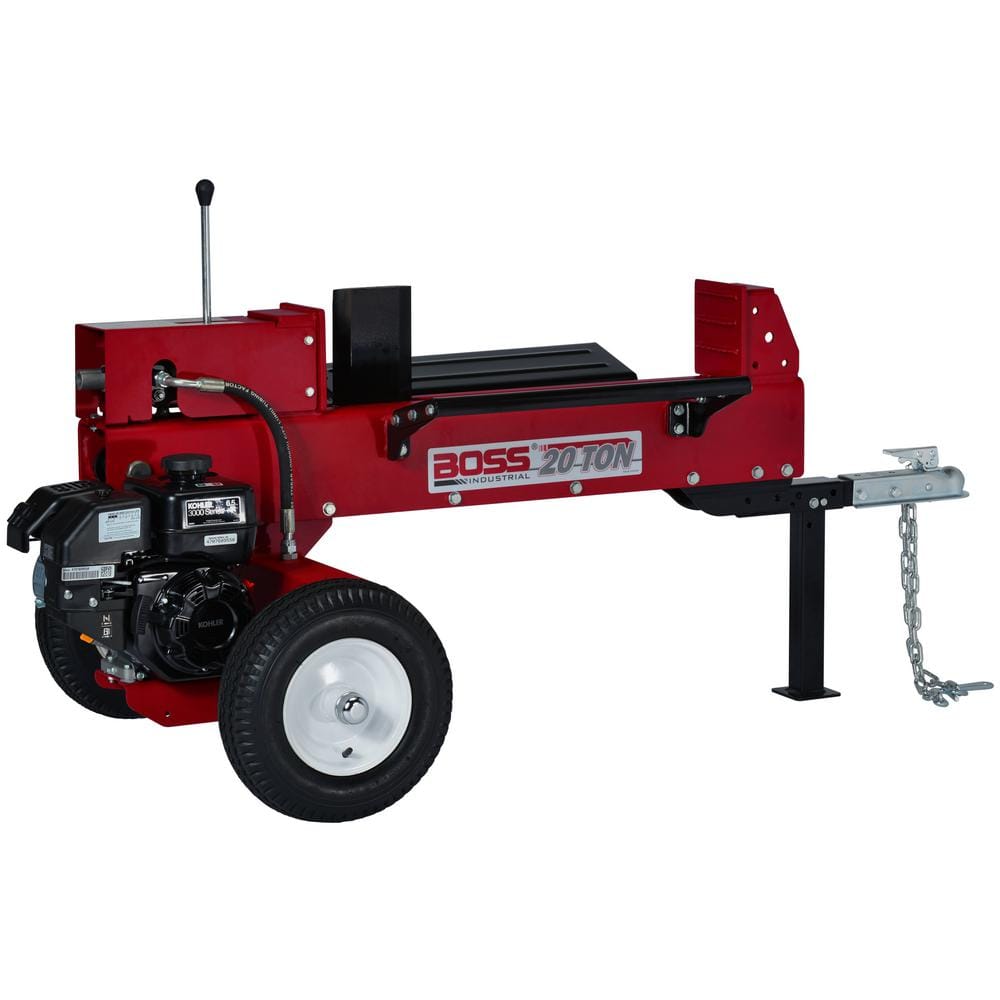
The Super Handy GCAO023 Log Splitter delivers 20 tons of horizontal splitting force with a 7HP gas engine — built portable, powerful, and ready for serious firewood work.
Super Handy GCAO023 20-TonTypes of Log Splitters and Key Features
Manual, Electric, and Gas Log Splitters
When you look at the types of log splitters, you'll find three main options: manual, electric, and gas-powered. Each one works best for different jobs and users. Manual splitters use your strength and don't need fuel or electricity. They're quiet, portable, and great for small jobs. Electric log splitters plug into a regular outlet. They're easy to use, quiet, and perfect for splitting small to medium logs at home. Gas-powered log splitters pack the most power. You can use them anywhere, and they handle big, tough logs. They're louder and need more care, but they're the top choice for heavy-duty work.
Here's a quick table to help you compare:
| Feature | Manual Splitters | Electric Log Splitters | Gas-Powered Log Splitters |
|---|---|---|---|
| Power | Low (your effort) | Moderate | High |
| Operation | No fuel/electricity | Needs outlet | Uses engine; portable |
| Splitting Capacity | Smaller jobs | Small to medium logs | Large, tough logs |
| Noise | Quiet | Quiet | Loud |
| Maintenance | Minimal | Low | Regular engine care |
| Cost | Low | Moderate | Higher |
Log Splitter Features
You want a log splitter that makes your job easier and safer. Some important log splitter features include splitting force, cycle speed, portability, safety, and maintenance. Splitting force tells you how much power the machine has. Cycle speed means how fast it splits each log. Wheels and frames make it easy to move your splitter. Safety features like guards and two-handed controls help keep you safe. Electric log splitters need less maintenance than gas models. Gas splitters need oil changes and engine checks, while electric ones just need cleaning and a little oil.
Splitting Force
Indicates raw power — matched to the toughness of your logs.
Cycle Speed
How quickly the ram returns for the next log. Faster = more output per hour.
Portability
Wheels, tow hitches, and compact frames let you move the splitter to the wood.
Safety Controls
Two-handed operation, guards, and locking pins reduce injury risk.
Maintenance
Gas units need oil and engine care; electric units stay simple.
Always wear gloves and safety glasses when you use any log splitter. Keep kids and pets away from your work area.
Matching Splitter Types to Needs
Picking the right log splitter depends on your wood and your project. For soft woods like pine, a smaller electric log splitter works well. If you have big, hard logs like oak, you'll need a gas-powered log splitter with more force. For heavy-duty jobs or lots of wood, choose a splitter with higher tonnage. If you only split wood sometimes, a manual or electric model saves money and space. Think about how often you'll use it, how big your logs are, and where you'll work. That way, you'll get the best tool for your needs.
Here's a quick table to help you spot common mistakes and how to avoid them:
How to Choose the Right Log Splitter
Common Mistakes to Avoid
You want to choose the right log splitter, but it's easy to make mistakes. Many people pick a splitter that doesn't match their wood type or log size. This can waste time and damage your tool. Some forget to keep the wedge sharp or ignore oil leaks in the hydraulic system. Others use the splitter on uneven ground, which makes it less safe. Wearing the wrong gloves or no eye protection is another common error. Some people also try to split too-large logs, which can hurt you and the machine. Safety matters too. If you skip wearing gloves or don't secure the log, you risk injury.
Here's a quick table to help you spot common mistakes and how to avoid them:
| Common Mistake | Potential Consequence | Best Practice |
|---|---|---|
| Choosing the wrong splitter type | Inefficient splitting, tool damage | Match splitter to wood type and log size |
| Neglecting maintenance | Rust, dull blades, mechanical issues | Clean, lubricate, and store properly |
| Ignoring safety protocols | Injury, unstable splits | Use PPE, secure logs, maintain a clean work zone |
| Poor splitting technique | Excessive wear, wasted effort | Apply controlled force, adjust log positions |
Tip: Always check your log splitter for leaks, dull blades, and loose parts before you start.
Final Tips for Selection
You need to choose the right log splitter for your needs. Start by thinking about your log size and how often you'll split wood. Pick a power source that fits your work zone. Some forget to keep the wedge sharp on a clean and even split. Setting it on a hill or uneven surface makes it less safe. Always read the manual and follow safety tips. Don't forget to check the oil every once in a while, especially on gas models. Look for log splitters with safety features like two-handed controls and sturdy frames. Ask local dealers and online stores for advice. They can help you find the best splitter for your budget.
Before you buy, check reviews and customer feedback. Log splitter reviews can show you what works and what doesn't. Compare brands, warranty, and prices. Don't rush! Take your time to find a splitter that matches your needs and lasts. Ask about return policies and maintenance records. Reliable stores often offer support and tips for new buyers.
Choose the right log splitter by matching its features to your project. Don't rush. Take your time and compare options.
Choosing the right log splitter starts with knowing your wood type, log size, and how often you'll work. Use the checklist below to match power to your needs. Look for features that boost safety and make moving the machine easy. Take time to compare options before you buy.
FAQ
What size logs can most splitters handle?
You can split logs up to 24 inches with most home models. Commercial splitters work with logs up to 36 inches.
How often should you maintain your splitter?
You should check for leaks, clean the wedge, and lubricate moving parts after every use. Regular maintenance keeps your machine running smoothly.
Can you use a splitter indoors?
You can use electric splitters indoors if you have good ventilation. Gas models need outdoor space because of exhaust fumes.
Related Products
 Ready to Split Smarter, Not Harder?
Tackle even the toughest hardwood logs with the Super Handy GCAO023 — 20 tons of horizontal splitting power, portable design, and a reliable 7HP gas engine.
Super Handy GCAO023 20-Ton