


 Damage
  Loss
Loss  Theft
Theft 


How to Choose the Best Log Splitter: A Complete Buying Guide
Log splitters are purpose-built machines that take the strain out of preparing firewood — a job that can be both exhausting and risky when tackled by hand.
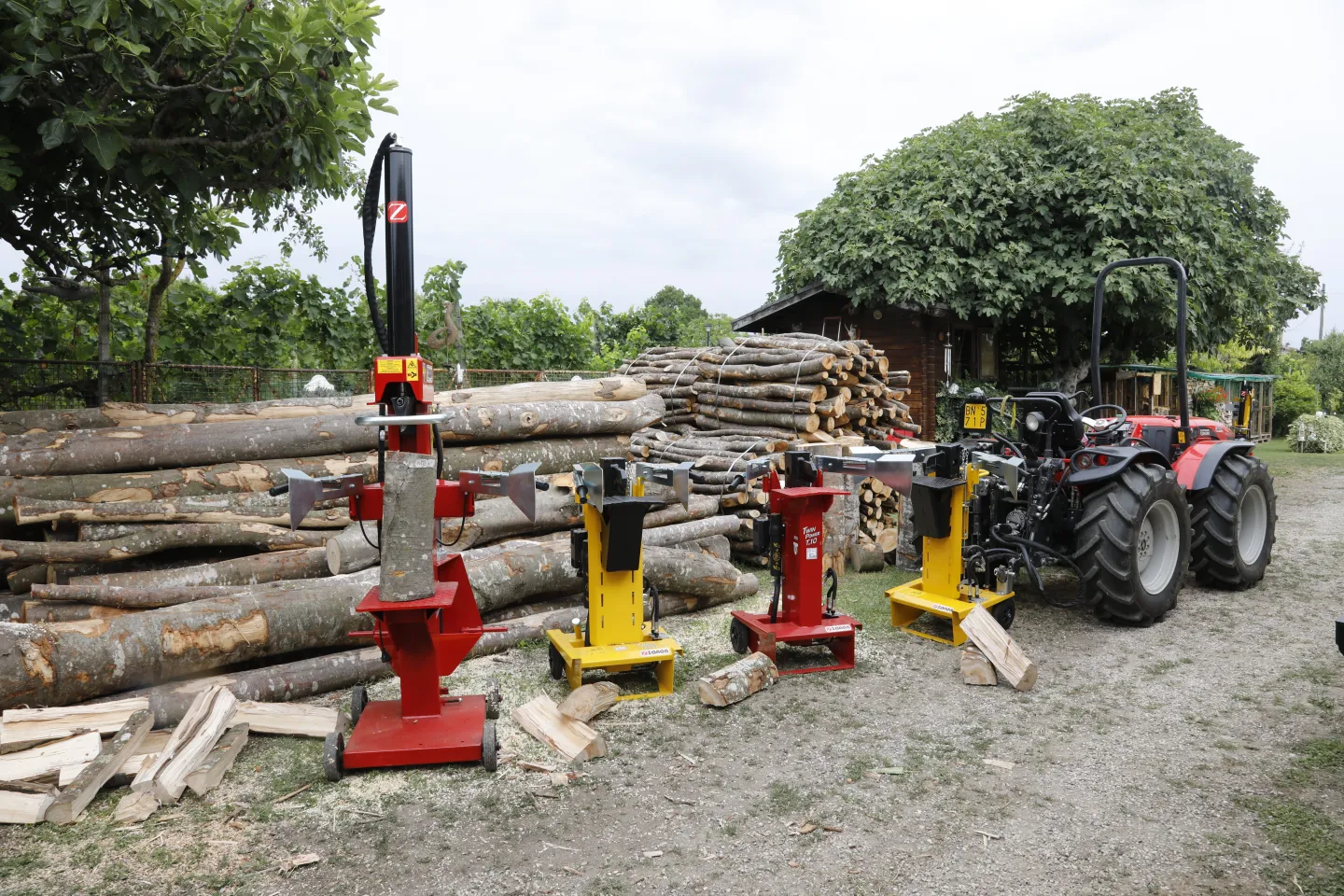 These machines are especially valuable for professionals in the wood cutting and processing industry, as well as for homeowners who need to prepare firewood for fireplaces, wood stoves, or outdoor ovens.
Using hydraulic, electric, or mechanical force, log splitters break down large logs into smaller, easier-to-handle pieces. The result is a safer, faster, and significantly more efficient way to process wood.
In this guide, we'll walk through the different types of log splitters available, the features that matter most, and how to choose the right model for the job ahead.
Key Features to Consider
Before purchasing a log splitter, it pays to understand the specifications that determine performance and usability:
Splitting Force
Measured in tonnes, this indicates how much pressure the splitter can apply to drive the wedge through the wood.
Splitting Type
Some machines split a log into two pieces (single splitting), while others can divide it into multiple sections in one cycle.
Cylinder Stroke
The travel distance of the wedge or screw during the push phase. A longer stroke means longer logs can be handled.
Blade Type
Wedge-shaped blades work best on straight, clean logs; cross-shaped (X-blades) cut through knotty wood more effectively.
Power Source
Electric, hydraulic, or petrol — the right pick depends on your workload, working environment, and access to power.
Orientation
Vertical splitters save floor space, while horizontal models are often easier to load with heavy logs.
Portability
Petrol-powered models are commonly mounted on wheels, making them simple to roll between work sites.
The Different Types of Log Splitters
Log splitters come in several configurations, each tailored to a particular kind of work. Below is a closer look at the main categories you'll encounter when shopping.
Electric Log Splitter
Electric splitters rely on a hydraulic system powered by an electric motor. The hydraulic pump pressurises oil inside a cylinder, which then pushes a wedge against the log. The thrust force, expressed in tonnes, determines how easily the machine handles logs of varying sizes and densities.
Electric models are typically available with thrust ratings between 8 and 25 tonnes, covering both casual and heavier-duty needs. Compared to petrol units, they run far more quietly, produce no exhaust fumes, and are well suited to indoor or residential use.
A standout in this category is a robust vertical electric log splitter built for stubborn, oversized wood. With a thrust force in the 10 to 12 tonne range, it can handle logs up to 60 cm in diameter and reach a working height of about 67 cm.
Features like a dual pump and oversized blade contribute to strong cutting power and faster cycle times. The height-adjustable work surface adapts to different log sizes and operator preferences, while integrated wheels and a compact footprint make it easy to position even in tighter workspaces.
Hydraulic Log Splitter
Hydraulic splitters operate on the same fundamental principle: a pump — driven by either an electric motor or a combustion engine — pressurises oil to feed a cylinder. The cylinder then forces a wedge through the log, delivering steady, high-output thrust that handles even hardwood and knotted timber with minimal user effort.
In professional-grade hydraulic models, you'll find machines built to split logs up to 100 cm in diameter and around 110 cm in length. A 20-tonne thrust rating ensures consistent performance across demanding workloads.
Look for features such as a 1050 mm cylinder for added power and stability, an adjustable automatic limit switch for accurate, repeatable cuts, and removable side and top supports for flexibility. An oil-bath gearbox adds smooth, quiet operation to round out the package.
Petrol Engine Log Splitter
Petrol-powered splitters use a gasoline engine to drive a hydraulic or screw mechanism, producing serious thrust that can tackle even the toughest logs. The engine drives a hydraulic pump that pressurises oil within a cylinder, which then pushes a wedge or screw forward against the wood.
Petrol models feature a sturdy steel chassis to support the engine, the splitting mechanism, and the log itself — and they're built in either vertical or horizontal orientations depending on the design.
A great example is the Super Handy GCAO023, a 20-ton horizontal portable petrol log splitter powered by a dependable 7 HP engine. It's ideal for outdoor jobs where mains power isn't available — perfect for rural properties, off-grid sites, or anyone without dedicated farm equipment. Its adjustable working speed lets you fine-tune performance to match log size and hardness.
- Thrust: 20 tonnes
- Engine: 7 HP gas
- Orientation: Horizontal
- Portability: Wheel-mounted
Transport wheels make repositioning effortless, while the reinforced steel work surface keeps logs stable during operation. An automatic limit-switch control system delivers precise, repeatable splitting, and built-in safety features help protect the operator throughout the job.
Ready to Tackle Your Firewood Pile?
Built for power and portability, the Super Handy GCAO023 delivers professional-grade splitting performance wherever you need it.
Shop the GCAO023 Log SplitterTractor-Mounted Log Splitter
Tractor-mounted splitters harness the power of the agricultural tractor they're hitched to, producing the kind of force needed to break down the hardest, most gnarled logs with ease. Thrust ratings vary widely between models, with some exceeding 20 tonnes.
Beyond standard tractor-driven units, there are also PTO-driven models, which connect to the tractor's PTO via a cardan shaft and use the tractor's engine to drive the splitting mechanism directly.
It's worth noting that shaft-driven splitters are generally more powerful than basic tractor-mounted versions, since they tap directly into the tractor's transmission power.
Some manufacturers offer flexible models that work with both a standard tractor connection and a cardan shaft, allowing operators to switch setups as needed. A standout in this category is a 25-tonne vertical splitter designed for industrial and open-country use, capable of handling logs up to 110 cm in height and 110 cm in diameter. With a double support surface and a standard log lifter, it manages a wide range of log sizes with ease.
 Find the Right Log Splitter for Your Property
Whether you're processing a winter's worth of firewood or running a small commercial operation, the right splitter makes the work safer, faster, and far less tiring. Explore our top-rated portable petrol model and see why it's a favorite for outdoor and off-grid jobs.
Super Handy GCAO023