


 Damage
  Loss
Loss  Theft
Theft 


Understanding Downdraft Ranges and Cooktops
A Comprehensive Guide to Modern Kitchen Ventilation Solutions
Whether you're preparing a premium ribeye or cooking up fresh vegetables from your garden, there's nothing quite like watching your culinary creations come together. However, the resulting vapors, oils, and cooking aromas can create an uncomfortable atmosphere and potentially affect your home's air quality.
For kitchens without traditional overhead ventilation systems, downdraft ranges, downdraft cooktops, and retractable ventilation units provide an elegant alternative that efficiently removes airborne particles while you explore new culinary techniques.
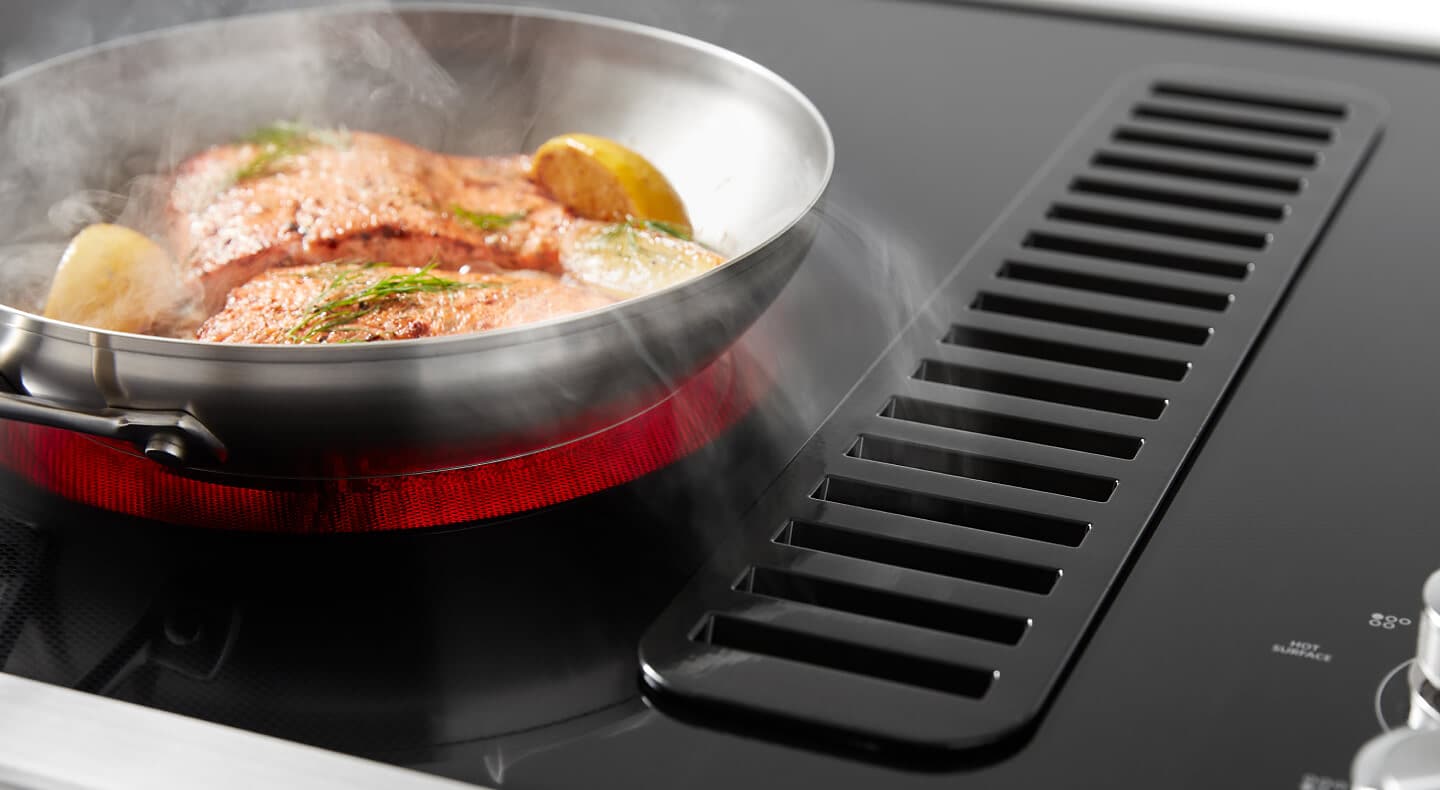
Downdraft ventilation in action during cooking
What Are Downdraft Ranges and Cooktops?
A downdraft range or cooktop represents an innovative ventilation approach that removes the necessity for traditional overhead exhaust systems. These appliances integrate ventilation directly into or adjacent to the cooking surface itself, effectively capturing smoke, steam, grease particles, and cooking odors right at their source, directing them downward and outward from your kitchen environment before they can disperse into the surrounding air. A retractable component—often referred to as a downdraft range hood—provides another variation of downdraft ventilation technology that rises when cooking begins.
Smoke and cooking odors can be expelled outside through dedicated ductwork, or alternatively, air can be filtered and recirculated back into your kitchen using a duct-free ventilation accessory. Ductless configurations can be installed directly with your cooktop to provide air filtration before releasing it back into your home. Various downdraft systems accommodate multiple cooktop brands and configurations, helping you prevent expensive kitchen renovations when outdoor ventilation pathways aren't available.
Because downdraft ventilation systems remove the requirement for overhead exhaust hoods, they become an excellent solution for open-concept floor plans, kitchen island installations, and cooking spaces that lack traditional range hood capacity. Regardless of which system you select, downdraft ventilation enables you to confidently prepare seafood or aromatic dishes without lingering cooking smells.
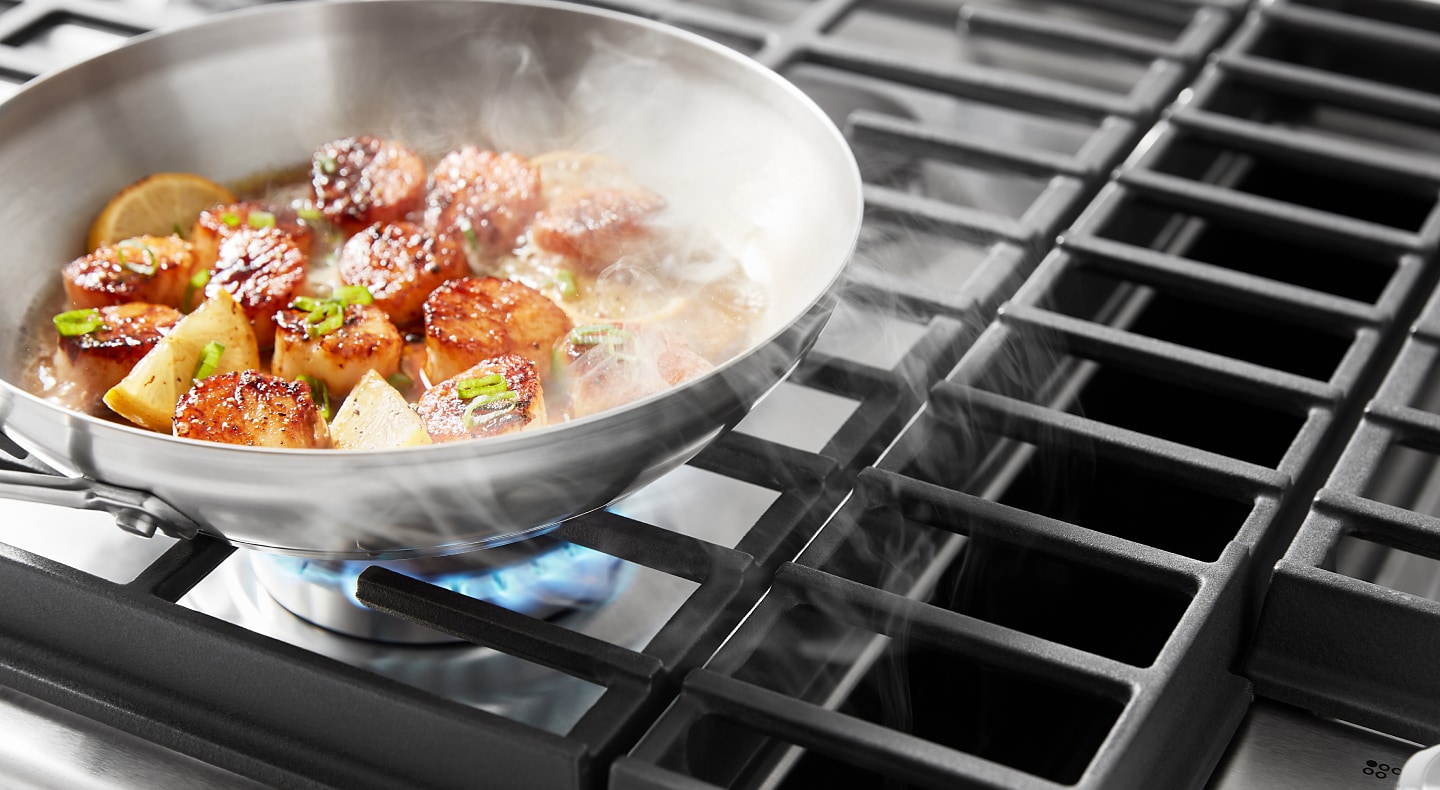
Close-up view of downdraft ventilation system
How Do Downdraft Ranges and Cooktops Function?
Downdraft ranges and cooktops utilize an integrated ventilation mechanism that draws air horizontally across your cooking surface area, capturing fumes, steam, and smoke particles through a duct system that exhausts outside your residence or recirculates filtered air back into your kitchen space.
Are Downdraft Cooktops Truly Effective?
Downdraft cooktops and ranges can be equally as effective as traditional overhead ventilation systems. Both configurations successfully maintain your kitchen environment free from smoke and cooking odors as you prepare classic recipes and explore new culinary adventures. Installing downdraft ventilation systems in your kitchen delivers excellent performance without requiring ceiling-mounted exhaust hoods.
Key Advantages of Downdraft Ventilation
Space Efficiency
Perfect for open floor plans and kitchen islands where overhead ventilation isn't practical or desired.
Design Flexibility
Maintains clean sightlines and modern aesthetics without bulky overhead exhaust systems.
Installation Options
Available in both ducted and ductless configurations to suit various kitchen layouts.
Premium Downdraft Ventilation Solution
Upgrade your kitchen with professional-grade downdraft ventilation technology designed for optimal performance and seamless integration.
Thermador 36" Downdraft HoodBACKYARD PROVIDER - Your Source for Premium Kitchen Solutions
Transform your cooking experience with professional-grade ventilation systems