


 Damage
  Loss
Loss  Theft
Theft 


The Different Styles and Types of Foosball Tables & Why They Matter
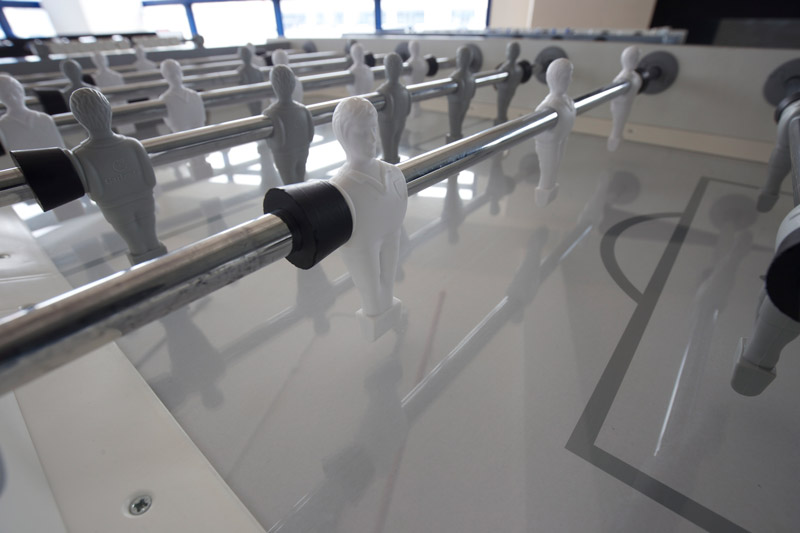
Did you know that foosball tables actually come in a wide variety of distinct styles? If you have ever walked into a game room showroom, you have probably noticed that not all foosball tables look or feel the same. That is because different countries and manufacturers have developed their own unique approaches to this beloved tabletop sport.
Whether you are a casual player looking for something fun for the family or a seasoned competitor hunting for tournament-level precision, knowing the differences between table styles can make all the difference in your purchase decision. With so many varieties of foosball tables on the market, it is worth taking the time to learn about each one before committing to a specific model.
In this guide, we will walk you through the most popular types and styles of foosball tables available today. We will explore what makes each one unique, the advantages and drawbacks of each design, and help you determine which table style is the best match for your playing preferences and space.
Foosball Tables List: The Types and Styles to Look Out For
From Italy to Spain — every table tells a different story.
Italian Tables (Garlando, Roberto Sport, FAS)
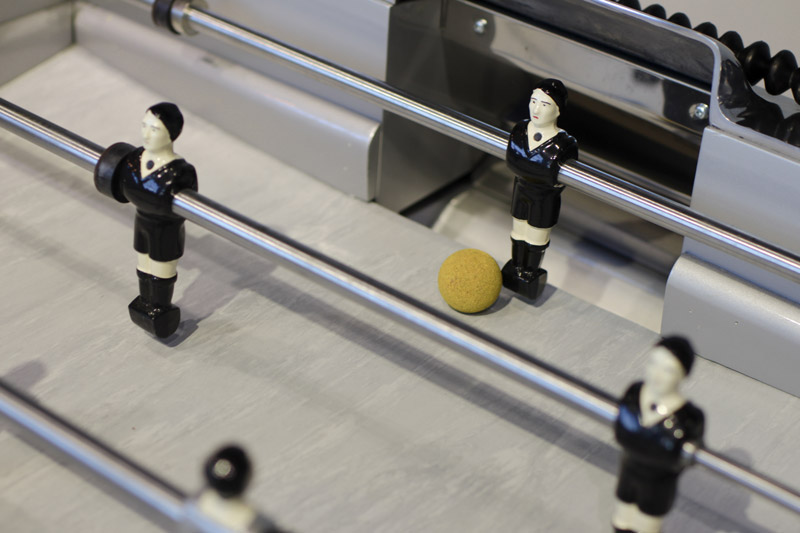
Unlike the typical foosball tables most people encounter in North America, Italian foosball — also known as Calcio Balilla in Italy — is enjoyed at a much quicker pace, with some local rules even permitting a ball to be counted if it flies off the table onto the floor. More emphasis is placed on finesse and speed of thought as opposed to calculated control, which means that proper Italian tables are often found to be equipped with a glass playfield, metal figurines, and lighter rods.
Modern Italian foosball tables are typically constructed using high-quality materials such as solid hardwood, stainless steel, and reinforced plastic. These materials ensure the tables maintain their sturdiness and longevity, making them suitable for both home and commercial use.
As a result, the Italian sort of gameplay is an exciting, varied, and suitable alternative for all skill levels. Italian tables come in many forms, and there is no shortage of premium brands to explore in this category.
French Tables (Bonzini, Sulpie)
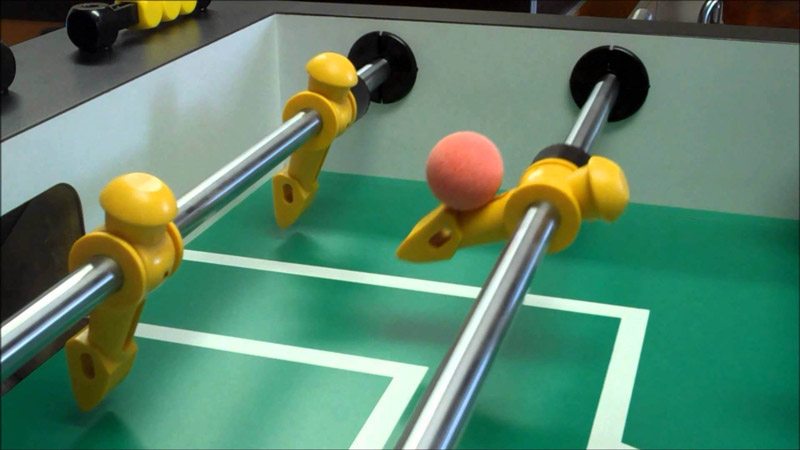
Ask any Frenchman what a good foosball table is, and the resounding response is no surprise — French tables top the list. Made from the finest of timber, heavy aluminum figurines, a buttery playfield, and a light cork ball, French foosball tables have carved out an extraordinary reputation in the world of table football.
Another characteristic to note about these foosball tables is that they are generally built to be extremely compact and lightweight compared to some other styles. They are purposely designed to fit in smaller spaces, making them ideal for homes, bars, cafes, and other cozy environments.
All these factors contribute to gameplay that is controlled in feel, exhilarating and extremely well-driven. As a whole, authentic French tables are adored by foosball craftsmen and are known to be the most stylish tables in the world.
On another note, French foosball tables typically feature a single-goalie setup, meaning there is only one goalie player on each goalie bar. This differs from American-style foosball tables that often have a three-goalie configuration.
American Tables (Tornado, Shelti)
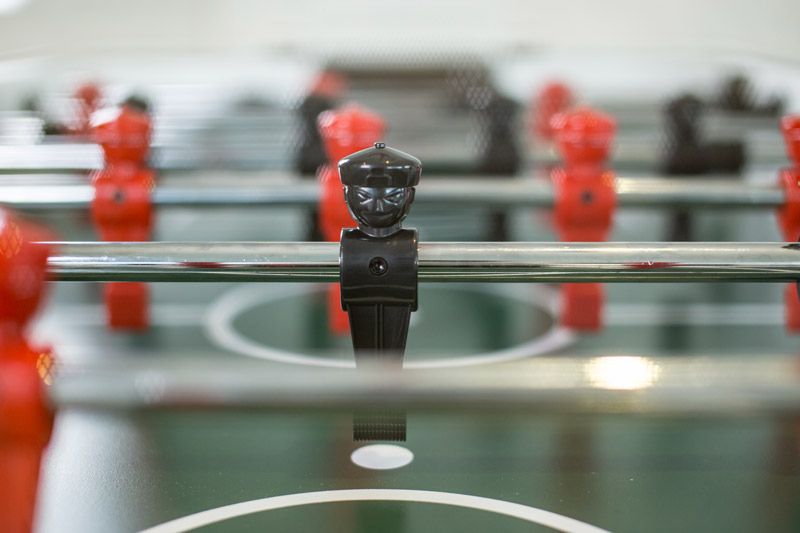
The only kind of tables to offer 13 figurines on a side on a goalside as opposed to 11 on a side, American foosball tables are most favored by the grassroots and professional foosball community. Typically played on a smooth, laminated playfield with solid rod figurines, the American style prioritizes speed, power, and technical mastery above all else — and the regard for American tables is well-earned amongst the best.
Many American foosball tables also have textured surfaces on which players position the ball from getting stuck in the corners and ensure a continuous flow of the game. In addition, American tables frequently feature cross-hatched player feet on their foosball bumpers, providing a better grip on the ball and reducing dead spots.
Gameplay, as a result of the larger field and playing surface bumpers, becomes a slower-paced affair and, in our opinion, is more suited to enthusiasts with a specific liking for slower, controlled gameplay.
German Tables (Leonhart, Garlando, Tischball)
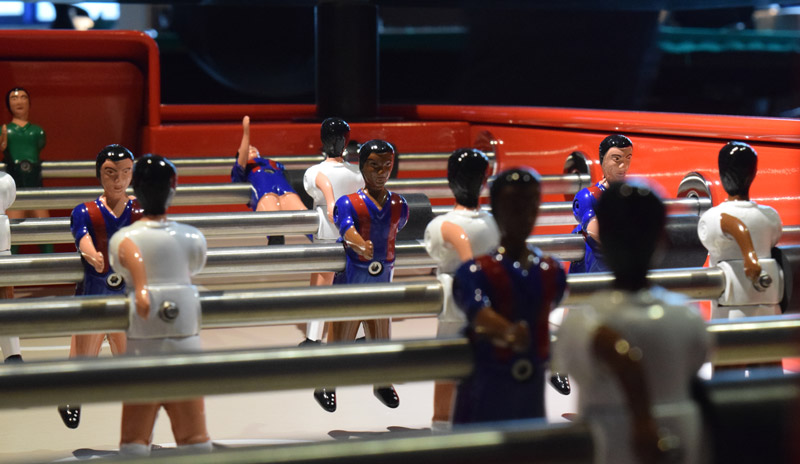
Another major style of play, German foosball is a blend of American sports pragmatism coupled with European finesse. Designer vary similarly to Americans, German figurines have tight feet that fit American-style ball sizes, which tends to lightly overlap as a result.
German foosball — born of their solid construction, precision engineering, and smooth gameplay — has unsurprisingly earned a reputation for excellence in the world of foosball. The use of telescopic rods, counterbalanced players, and optional court configurations are key characteristics that make these tables suitable for players of all skill levels.
Additionally, many German foosball tables come with counterbalanced players, where the players' figures are weighted to stay horizontal when released. The feature allows for improved ball control and passing. The way it is set up offers a comfortable feel with good control and a more complete and predictable game play. So, if you value structure and durability in your foosball table, a German foosball table may be the ideal choice to elevate your gaming experience.
Spanish Tables (Presas, Mariscal)
Spanish foosball tables' characteristics, dimensions, and playability are widely unique and heavily inspired by Spanish men's football which compresses the midfield to let the ball dominate in speed. As a result, in foosball tables, players look for the ball in the midfield, a key strategy. This ensures that the midfield gets most of the balls, while the back end sits as a fallback, on the off chance a play of countering the ball misfiring, but it can be tough to get used to.
Worth pointing out, Spanish tables have metal players separated by less than an inch of a single bar, the playing surfaces may come in glass and acrylic too. So, if you are in the mood challenging way to play your foosball, these tables are the way to go.
Foosball Tables: In Conclusion
Now that you have explored the different styles at hand, it is important to remember what each style will suit your preferences best. As the best way to get better at foosball is to simply play more, having the right table in your home will push you toward improvement faster. Some tables suit high-energy players, while some are better choices for slower enthusiasts and families, while people looking for a competition-ready experience shaped by the highest standard of play will want to consider a tournament-grade model.
We hope this guide has given you a solid base of knowledge about the types of foosball tables there are on the market. If you care to explore some of the models that we carry ourselves through our store, feel free to browse our selection which features practically all the styles of tables covered. We also have a full array of complementary foosball accessories available too.
Quick Reference: Table Styles at a Glance
Most Entertaining Gameplay
Italian
Most Durable Style
French
Most Ball Control
French
Most Affordable Options
American
Best Suitable for Tournaments
American
Best for Precision Engineering
German
In any case, nothing beats experiencing all these different table styles in person, and the best way to do just that is to explore what our collection has to offer. Whether you need guidance or are ready to pull the trigger, our team of knowledgeable foosball enthusiasts is here to help you get your hands on the perfect table.