


 Damage
  Loss
Loss  Theft
Theft 


How to Choose a Professional Foosball Table
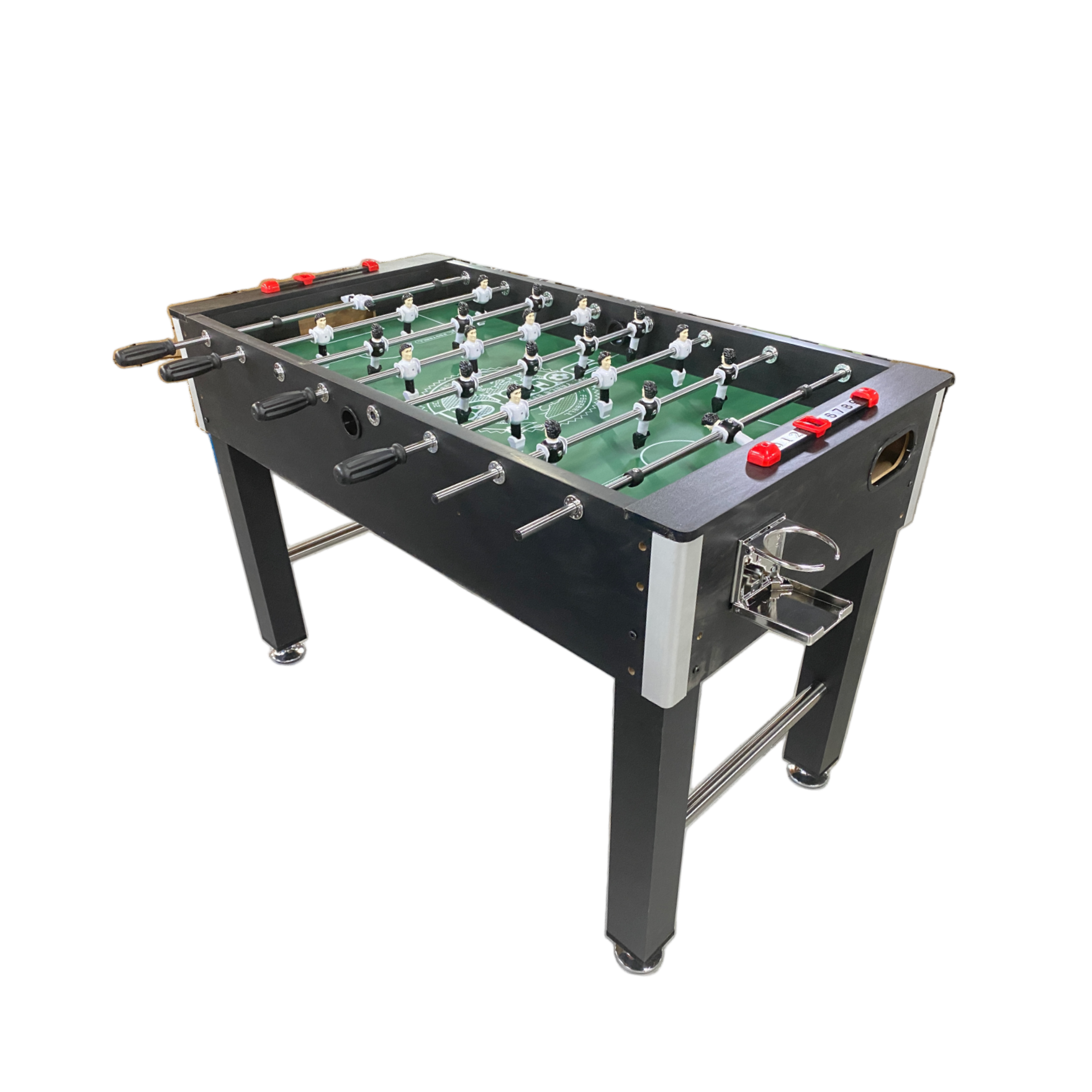
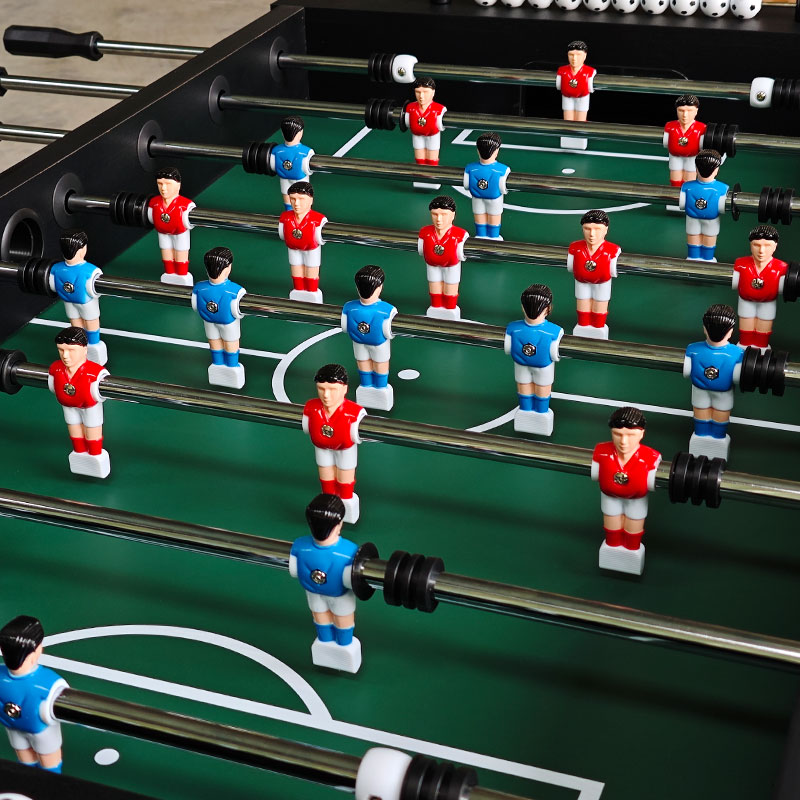
Selecting the ideal professional-grade foosball table for competitive play or dedicated home use requires careful attention to build quality, rod balance, and regulation-compliant dimensions. A top-tier professional foosball table is defined by its heavy-duty cabinet, precision-machined steel rods, dual anti-wobble mechanisms, and a tournament-sized playing field measuring 56" x 30". These tables deliver smoother gameplay, extended lifespans, and far greater resistance to warping than their recreational counterparts. If you value consistent ball control, minimal friction, and an authentic match-day experience, look for a table with sealed bearings, solid hardwood or MDF construction, and a scratch-resistant playing surface. Steer clear of lightweight frames and plastic components — they sacrifice stability and won't stand the test of time.
About Professional Foosball Tables
A professional foosball table is purpose-built for high-intensity, frequent use in environments such as training facilities, competitive leagues, and dedicated game rooms. Unlike standard consumer models, these tables are designed to meet or surpass official tournament specifications established by organizations like the International Table Soccer Federation (ITSF). Key defining characteristics include regulation dimensions (typically 56 inches long by 30 inches wide), precise player spacing, full 360-degree rod rotation, and strict adherence to balance and height standards.
You will commonly find these tables in semi-professional training spaces, collegiate recreation centers, and private residences where players demand pinpoint accuracy, responsiveness, and long-lasting durability. Materials are upgraded throughout — steel rods replace chrome-plated tubing, hardwood or dense composite cabinets resist moisture and impact, and playing fields feature laminated or acrylic surfaces that minimize friction and wear.
Why Professional Foosball Tables Are Gaining Popularity
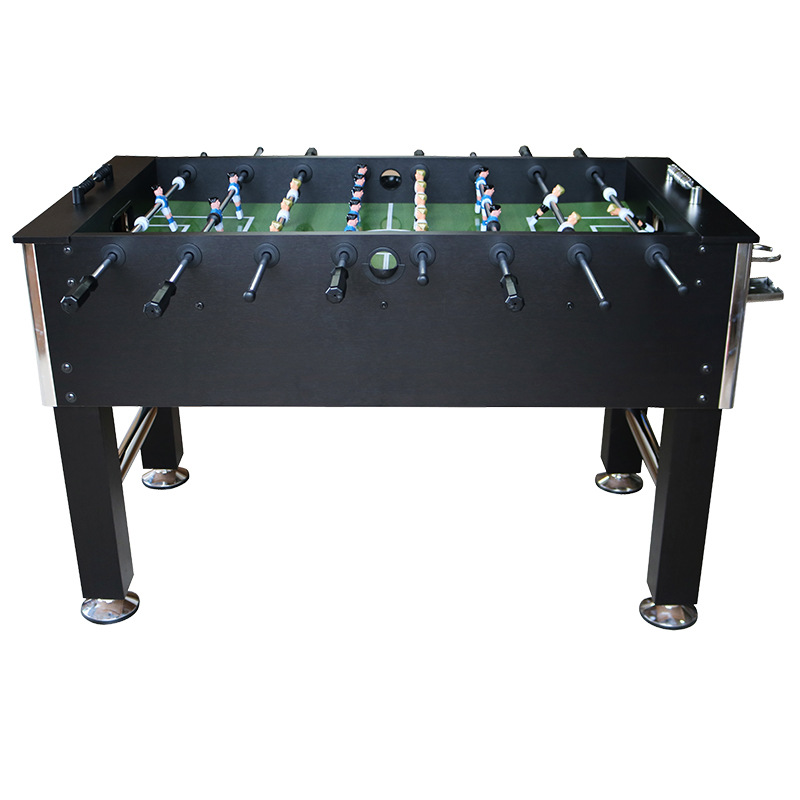
The surge in popularity of professional foosball tables mirrors a growing appetite for skill-based indoor sports and home entertainment setups that double as fitness and cognitive training tools. Competitive foosball has gained broader visibility through organized tournaments, live-streamed matches, and social media communities dedicated to advanced techniques and trick shots.
Furthermore, remote work and hybrid lifestyles have driven more consumers to invest in premium recreational equipment for their homes. Buyers now seek products that deliver lasting value alongside an engaging physical experience. A professional-grade foosball table checks both boxes by pairing robust engineering with dynamic, fast-paced gameplay — appealing especially to adults who value craftsmanship and peak performance.
Types and Variants
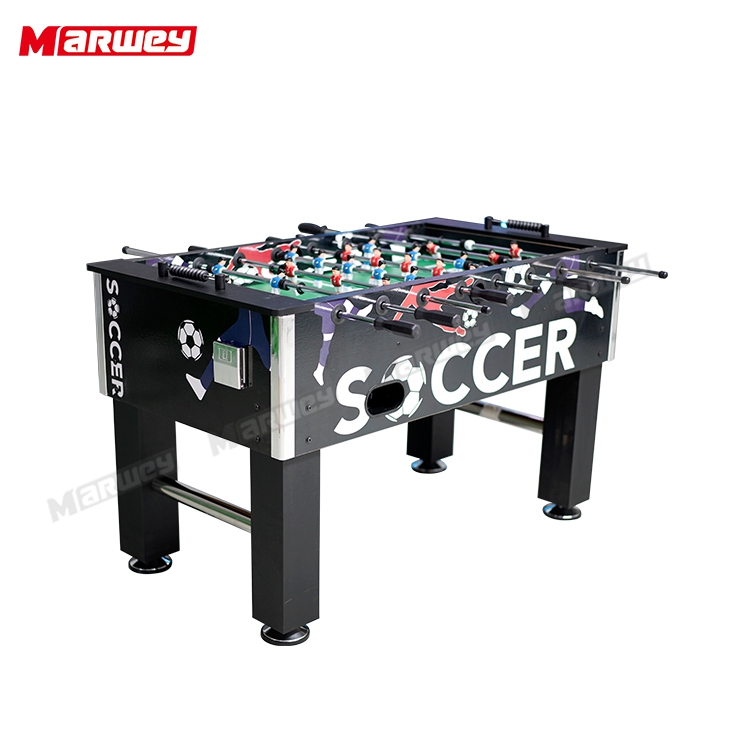
Professional foosball tables come in several configurations, each tailored to different usage scenarios and space constraints.
1. Tournament-Standard Tables
Pros: Meet ITSF regulations; ideal for competitive training; consistent ball behavior; frequently used in official events.
Cons: Expensive ($1,800–$4,000); large footprint; require dedicated space.
Examples include the Garlando G-5000 and Bonzini Manta. These models emphasize precision mechanics and are frequently found in European clubs and U.S.-based professional circuits.
2. Commercial-Grade Tables (Non-Tournament)
Pros: Durable enough for public spaces; slightly lower cost than tournament models; customizable aesthetics.
Cons: May not support full 360° spin; some deviations from official specs.
Suitable for bars, gyms, or office lounges where heavy use is expected but formal competition is not the primary goal. The Tornado Tournament Series falls into this category despite its near-pro specifications.
3. Compact Professional Models
Pros: Designed for smaller rooms; retains core mechanical features like metal rods and leg levelers.
Cons: Reduced field length affects shot dynamics; limited availability.
Ideal for apartments or multi-use spaces. Some manufacturers offer scaled-down versions without sacrificing rod quality or bearing systems.
Key Features and Specifications to Evaluate
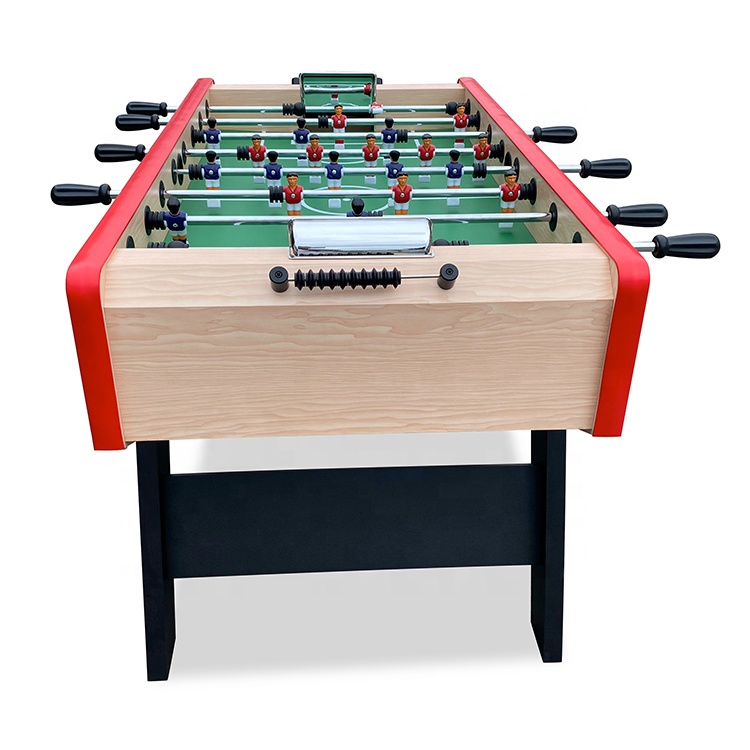
To make a well-informed decision when shopping for a professional foosball table, evaluate the following technical aspects carefully:
Cabinet Material & Construction
Opt for tables made from medium-density fiberboard (MDF) or solid hardwood rather than particle board. High-end models use moisture-resistant seals and reinforced corners to prevent warping over time.
Rod Quality & Anti-Wobble System
Stainless steel or hardened chrome rods paired with dual bushings or sealed ball bearings ensure smooth rotation and minimal lateral movement. Wobble reduces control and accelerates wear — always verify the manufacturer specifies an anti-wobble mechanism.
Playing Surface
Tempered glass, acrylic laminate, or high-pressure melamine surfaces provide low-friction gameplay. Avoid painted plywood surfaces, which degrade quickly under repeated ball impacts.
Figures & Player Design
Professional figures are molded for optimal grip and balance. Look for anatomically correct stances and non-slip bases. Some brands offer interchangeable player sets for left- or right-handed dominance.
Ball Return Mechanism
Top-tier tables integrate seamless ball return chutes that prevent jams. Buyer reviews frequently highlight issues with poorly angled ramps or narrow openings, so this is a feature worth verifying.
Leg Levelers & Stability
Adjustable leg levelers compensate for uneven floors — a necessity in most real-world installations. Tables without them may tilt, directly affecting ball roll and fairness during play.
Pros and Cons

Advantages of Owning a Professional Foosball Table
Durability: Constructed to endure 10+ years of regular use with proper care.
Performance: Delivers faster, more responsive gameplay tailored for developing advanced skills.
Resale Value: Well-maintained professional models hold significant value on the secondhand market.
Tournament Readiness: Enables practice under official competition conditions.
Drawbacks to Consider
Cost: Entry-level professional tables start around $1,500.
Size: Requires at least 7 feet by 4 feet of clear space.
Weight: Often exceeds 200 lbs, complicating transport and initial setup.
Maintenance: Bearings and rods may require periodic cleaning or lubrication.
These tables are best suited for serious players, coaches, or businesses. They are generally overkill for casual family use or infrequent play.
How to Choose a Professional Foosball Table
Follow this step-by-step guide to select the right model based on your specific needs:
1Define Your Use Case: Will it be used for training, competition, commercial purposes, or home recreation? This determines whether you need full ITSF compliance.
2Measure Available Space: Ensure clearance of at least 5 feet behind each end for rod extension. Account for ceiling height if the table will be near doorways.
3Set a Realistic Budget: Expect to spend $1,500–$3,500 for a genuine professional model. Be cautious of "pro-style" marketing terms applied to mid-tier tables.
4Verify Core Components: Confirm rod material (solid steel preferred), the presence of anti-wobble hardware, and cabinet thickness (minimum ¾ inch).
5Check Assembly Requirements: Most professional tables ship flat-packed and require two people and 2–3 hours to assemble. Pre-assembled options exist but increase shipping costs.
6Read Independent Reviews: Focus on feedback about noise levels, joint stability, and long-term durability from verified purchasers.
7Test Before Buying (If Possible): Visit showrooms or demo units at game stores to evaluate feel and balance firsthand.
8Avoid These Red Flags: Plastic corner joints, spring-loaded rods, lack of leg levelers, vague warranty terms, or missing specification sheets.
Price & Market Insights
PICTURE
The market for professional foosball table models spans three distinct tiers:
Budget Tier
$800–$1,400
Often labeled "pro-style" but lack true tournament specs. Suitable for enthusiasts wanting better-than-average performance.
Mainstream Professional
$1,500–$2,500
Includes Garlando, Tornado, and Sponeta models meeting most ITSF criteria. Best value for serious players.
Premium / Tournament
$2,600+
Bonzini, Leonhart, and Roberto Sport tables used in international competitions. Highest build quality and authenticity.
Prices vary significantly by region and retailer. Import duties, shipping fees, and assembly services can add 15–30% to base cost. Consider buying during seasonal sales (such as Black Friday) or from certified refurbished dealers for savings up to 25%.
Top-Seller & Competitive Analysis
Below is a comparison of leading professional foosball tables based on verified specs and user-reported performance:
| Model | Dimensions (in) | Rod Type | Anti-Wobble | Price Range |
|---|---|---|---|---|
| Bonzini Manta | 56 × 30 × 35 | Hardened Steel | Double Bushing | $2,900–$3,400 |
| Garlando G-5000 | 55.9 × 29.5 × 34.6 | Chrome-Plated Steel | Sealed Bearings | $2,100–$2,600 |
| Tornado Tour Series | 56 × 30 × 34 | Chromed Steel | Dual Bearing | $1,800–$2,200 |
| Sponeta Champion | 56 × 30 × 35 | Steel | Mechanical Stabilizer | $1,700–$2,000 |
Note: All listed models support full 360-degree rod rotation and comply with ITSF guidelines for player positioning and field markings.
Customer Feedback Synthesis
Analyzing hundreds of verified buyer reviews reveals consistent patterns in both satisfaction and frustration.
Common Praises:
"Rod action is incredibly smooth — no sticking even after months of daily play."
"Perfect weight distribution keeps it rock-solid during intense games."
"Feels just like the tables at my local foosball club."
Frequent Complaints:
"Assembly instructions were unclear — had to watch YouTube tutorials." (Especially noted for Garlando and Sponeta.)
"One leg was slightly shorter out of the box; needed shimming."
"Balls tend to get stuck in the return chute unless hit cleanly." (Reported across multiple brands.)
Overall, owners express high satisfaction with gameplay quality but urge caution regarding potential setup challenges and minor manufacturing inconsistencies.
Sourcing & Supplier Tips
When purchasing a professional foosball table, consider sourcing from:
Authorized Dealers: Ensure warranty validity and access to replacement parts.
Refurbished Specialists: Companies like Table Tennis Mate or Playmakers offer factory-reconditioned units with guarantees.
Direct Imports (for bulk buyers): Possible via B2B platforms, but verify customs compliance and safety certifications (e.g., ASTM F963 for paint).
For resellers or distributors, request product samples and test durability under simulated heavy use. Always confirm return policies and damage coverage during transit.
Maintenance, Safety & Legal Considerations
Maintenance
Clean the playing surface weekly with a microfiber cloth and non-abrasive cleaner. Lubricate rod ends every 6 months using silicone spray — avoid oil-based products that attract dust and grime.
Safety
Secure the table to wall anchors in earthquake-prone areas. Keep fingers clear of rotating rods during play. Supervise children due to pinch points and the table's considerable weight.
Legal / Compliance
In commercial settings, ensure compliance with local fire codes (clearance requirements) and accessibility standards (ADA in the U.S.). Verify electrical safety if using illuminated goals or scorekeepers.
Conclusion
Choosing the right professional foosball table is a balancing act between performance, durability, and practicality. For competitive players or institutions, investing in a tournament-compliant model from brands like Bonzini, Garlando, or Tornado ensures authentic gameplay and long-term reliability. Prioritize steel rods, anti-wobble systems, and solid construction over cosmetic features. Measure your space carefully, read independent reviews, and purchase from reputable suppliers to avoid costly mistakes. While the upfront investment is significant, a well-chosen professional table provides years of high-quality recreation and meaningful skill development.
FAQs
What defines a professional foosball table?
A professional model meets ITSF standards for size, rod functionality, and player configuration, offering superior build quality and gameplay consistency compared to recreational tables.
Can I use a professional foosball table outdoors?
No — these tables are designed exclusively for indoor use. Exposure to moisture and temperature fluctuations can warp the cabinet and corrode metal components.
Do professional foosball tables need assembly?
Yes, nearly all require home assembly. Plan for 2–3 hours with two people. Some retailers offer white-glove delivery with setup included for an additional fee.
How do I maintain smooth rod movement?
Regularly wipe rods with a dry cloth and apply silicone lubricant every six months. Avoid dirt buildup by keeping the table covered when not in use.