


 Damage
  Loss
Loss  Theft
Theft 


Best Functional Training Exercises for Your Home Gym
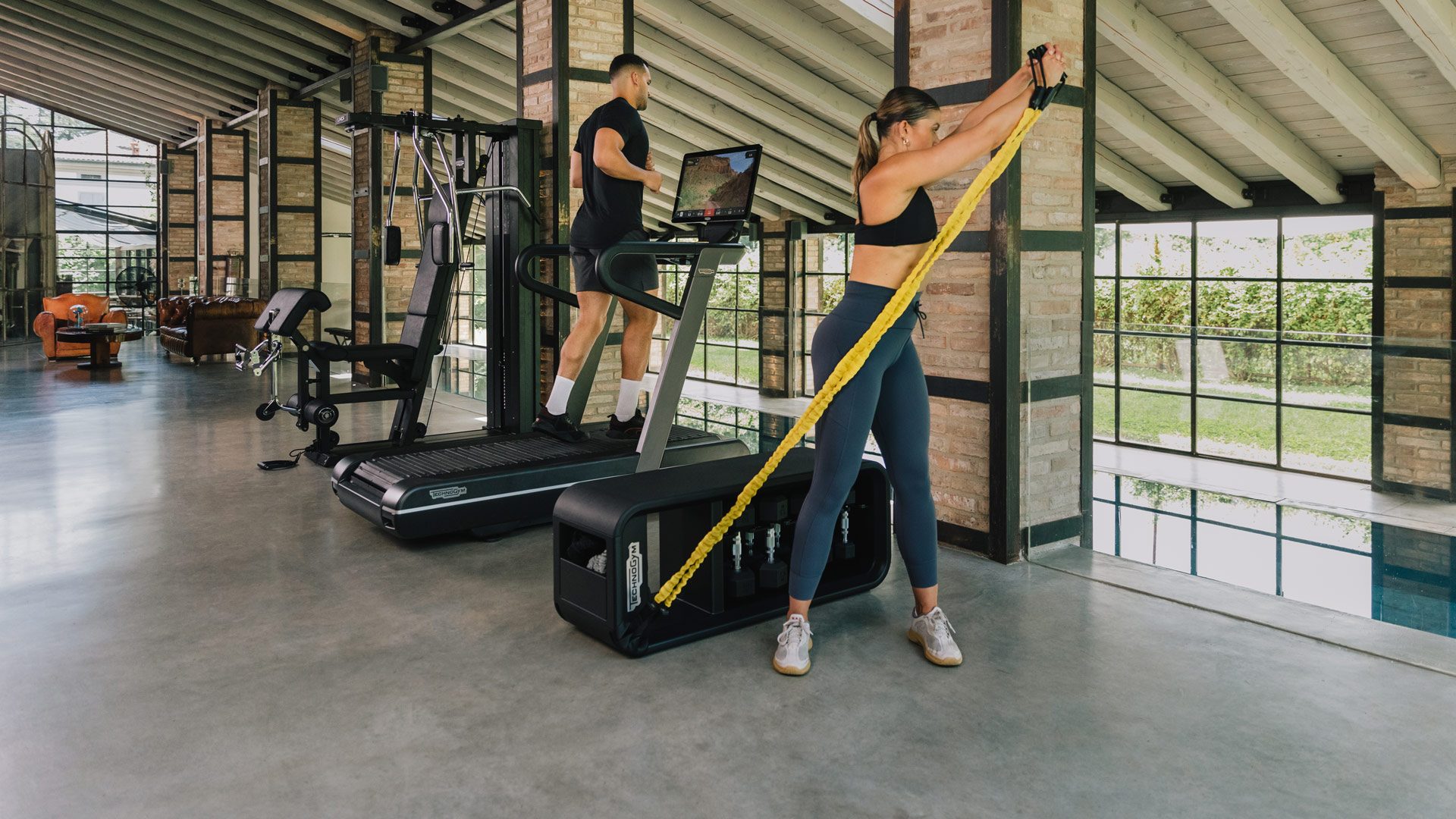
What Is Functional Strength Training?
In today's demanding world, genuine wellness means feeling capable and confident in your own body — not only during workouts, but in every aspect of daily life. Whether you're hoisting luggage, racing up a flight of stairs, keeping up with your kids, or simply sitting upright at your desk, your body's ability to perform these tasks matters.
Functional training emerged from this fundamental idea: prepare the body to move intelligently, fluidly, and holistically. It goes beyond raw strength to develop mobility, stability, balance, and control — the attributes that genuinely transform how you navigate the world around you.
With the proper equipment and a thoughtful strategy, even a compact room in your house can become a purposeful training space. In this guide, we'll break down the core principles of functional fitness, outline the most impactful exercises you can do at home, and highlight equipment solutions designed for those who want to train with intention, efficiency, and style.
Top Exercises With and Without Equipment
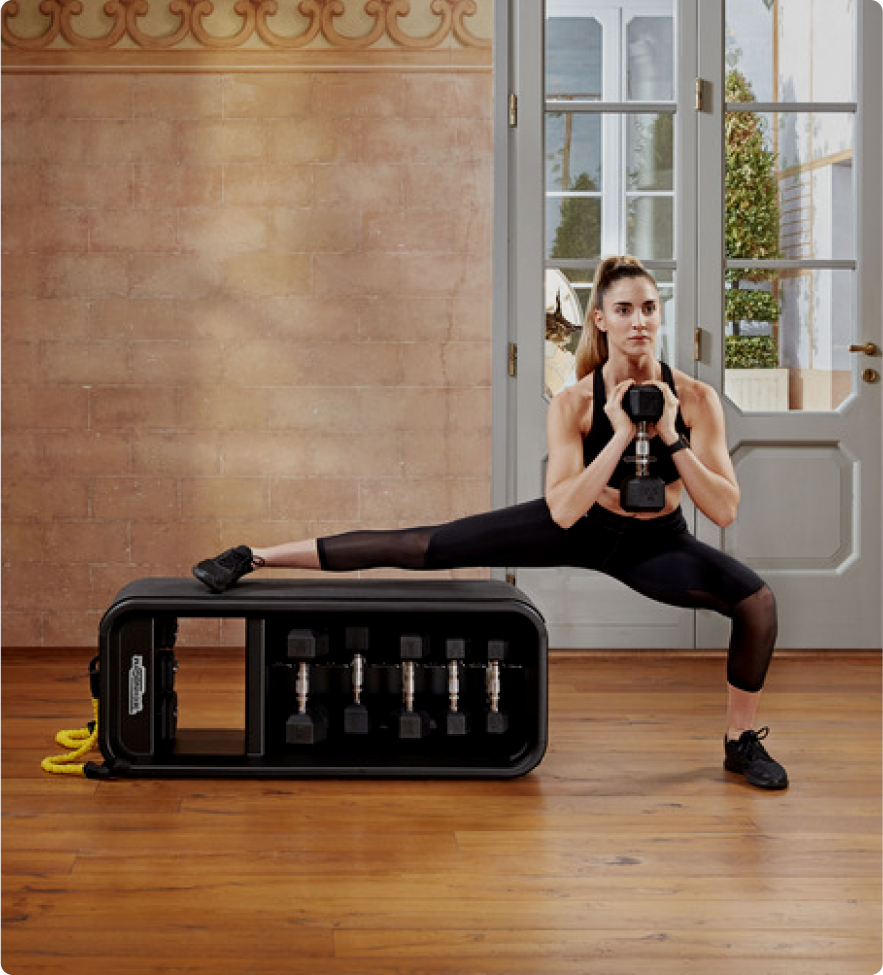
The most impactful functional programs blend bodyweight movements with smart use of equipment. For equipment-free sessions, concentrate on mastering these foundational exercises:
Squats — building lower body strength and hip mobility
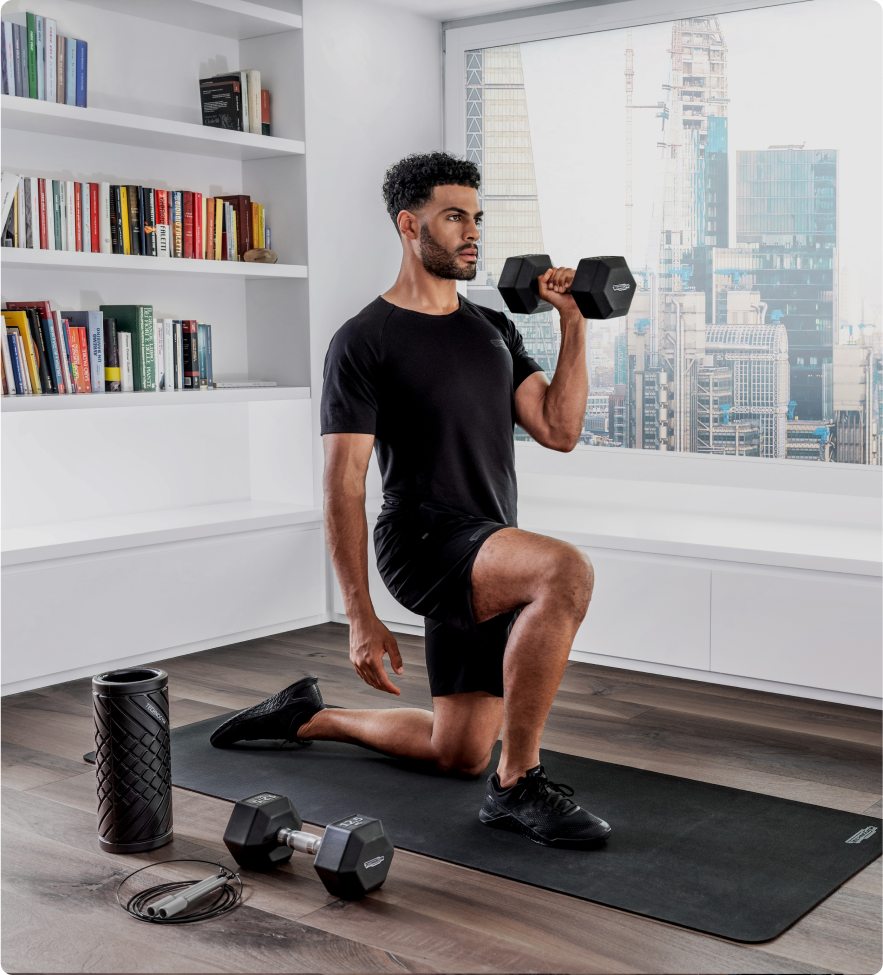
Lunges — developing unilateral coordination and stability
Push-ups — engaging the upper body and activating the core
Planks — training complete core engagement and endurance
These movements are the backbone of functional fitness. They reinforce the muscles responsible for healthy posture and spinal support — helping you move with greater confidence, feel more capable, and live a more active lifestyle.
When you add an adjustable training platform into the mix, your functional workouts unlock a new level. A versatile trainer converts basic movements into advanced progressions: elevated push-ups amplify upper body demand, step-ups develop single-leg power and balance, and incline planks test core stability from challenging new angles.
For those looking to integrate cardiovascular conditioning, compact home trainers with adjustable resistance offer an excellent complement. Interval protocols, walking lunges, and lateral movements can be woven into your strength sessions, building the endurance that fuels real-world functional performance.
Simple Home Routines
A thoughtfully structured functional routine demands minimal time yet delivers outstanding results. Try this efficient 20-minute circuit three times per week, resting 15 seconds between each exercise:
1. 45 seconds of bodyweight squats
2. 45 seconds of push-ups (modify as needed)
3. 45 seconds of reverse lunges
4. 45-second plank hold
Complete three total rounds, resting one minute between rounds.
For an equipment-enhanced full-body session using an adjustable core trainer, try this intermediate routine. The platform's versatility enables fluid transitions between exercises while ensuring the stability required for proper form and progressive overload. Complete five rounds of the following:
1. 10 elevated push-ups — targeting chest and triceps with expanded range of motion
2. 8 step-ups per leg — developing leg power and balance
3. 10 incline planks — engaging the core while easing wrist strain
4. 8 Bulgarian split squats per side — strengthening glutes, quads, and improving stability
More experienced athletes can incorporate cardio-strength circuits for comprehensive conditioning. Alternate three minutes of moderate cycling or stepping with two minutes of trainer-based strength exercises to create a metabolic challenge that builds cardiovascular endurance alongside functional power. This method maximizes training efficiency while cultivating the multi-system stamina your body needs every day.
Hydration is essential for peak performance and recovery. Maintain consistent water intake throughout the day, especially before and after exercise. And don't underestimate sleep quality — aim for seven to nine hours nightly to optimize training adaptations and reduce injury risk. Balancing training with proper hydration and recovery produces the sustainable results that enhance daily function.
Core Strength Focus
A powerful core forms the foundation of every functional movement, extending well beyond visible abdominals to encompass the entire midsection — from the diaphragm to the pelvic floor, including the muscles of your back and obliques. This integrated muscular system stabilizes the spine, channels force between the upper and lower body, and sustains proper alignment during movement.
Effective core conditioning involves anti-movement exercises that resist forces rather than produce them. Plank variations challenge your ability to hold spinal alignment against gravity. Bird dog movements build rotational stability while reinforcing cross-body coordination. Pallof presses counter rotational forces, developing the core strength required for twisting motions in everyday activities.
For the best results, work your core from multiple angles and positions. Target the anterior core (front abdominals), the posterior chain (back muscles), and the lateral system (obliques). This well-rounded approach cultivates balanced strength, supports proper posture, minimizes back pain risk, and enhances performance across all physical activities.
Common Mistakes to Avoid
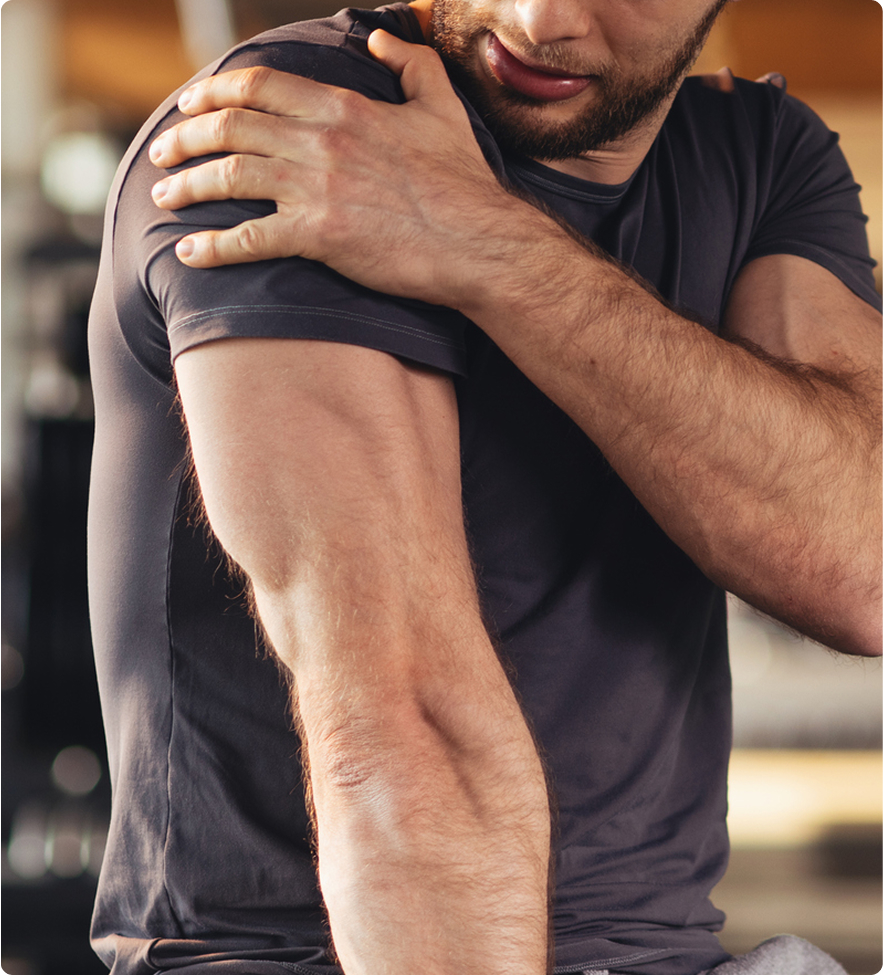
Even the most dedicated functional training programs can be derailed by avoidable errors. The number one pitfall is chasing heavier weight or more reps at the expense of proper technique. Quality always outweighs quantity — focus on maintaining a neutral spine, controlled breathing, and deliberate movement in every repetition. When your form begins to falter, scale back the load or simplify the exercise rather than inviting injury.
Another widespread mistake is programming imbalanced routines. This leads to muscular asymmetries, postural issues, and elevated injury risk. Watch out for these patterns:
✕ Overloading push movements (push-ups, presses) while neglecting pulling exercises (rows, pull-ups)
✕ Concentrating solely on lower body or core while ignoring upper body strength
Strive for a well-balanced program that addresses all major movement patterns and muscle groups. Recovery errors can also stall your progress — skipping rest leads to persistent soreness and diminished performance. Dehydration hinders recovery, and poor sleep disrupts muscle repair. Remember, progress is built during recovery, not just during training. Support your efforts with adequate rest, hydration, and restorative sleep.
Elevate Your Home Training
Discover the adjustable core trainer designed to bring functional fitness into your home — versatile, compact, and built for results.