


 Damage
  Loss
Loss  Theft
Theft 


How to Create Consistent Grow Environments With Grow Room Controllers
The grow room environment stands as one of the most critical aspects to manage for achieving optimal plant growth. High-quality indoor cultivation requires maintaining precise control over numerous environmental factors, from temperature and humidity to lighting cycles and CO2 levels.
Achieving the perfect environment manually presents significant challenges. Working with separate devices and individual controls demands constant attention, taking considerable time and becoming increasingly difficult to manage effectively. Minor inconsistencies can quickly lead to major problems affecting your entire operation.
This comprehensive guide provides everything you need to understand about grow room controllers. You will discover how these sophisticated systems function and why professional cultivators consider them essential for achieving consistent, high-quality results.
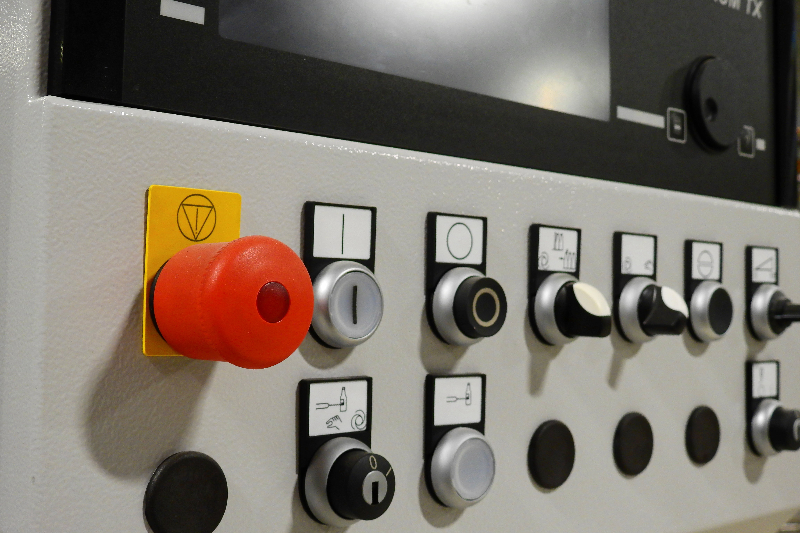
What is a Grow Room Controller?
At its fundamental level, a grow room environmental controller provides the power to automate and regulate every aspect of your growing space. These intelligent systems continuously monitor conditions and make real-time adjustments to maintain optimal parameters for plant health and productivity.
A controller essentially functions as the central nervous system of your grow room, providing centralized command over climate and environmental factors. Rather than manually adjusting individual components, you program your desired conditions and the controller handles everything automatically.
Advanced controllers extend beyond simple automation by incorporating data logging capabilities. This functionality enables you to track environmental changes over time, identify patterns, and make informed decisions to continuously improve your growing operation.
Types of Grow Room Controllers
The market offers various controller types designed to manage different environmental aspects. These range from basic single-function units controlling one parameter to sophisticated systems capable of managing multiple environmental factors simultaneously.
Lighting Controllers
Indoor grow lighting systems demand precise control for optimal plant development. A lighting controller enables you to establish exact timing schedules and intensity levels, ensuring your plants receive the appropriate light cycles for each growth stage. Advanced models provide dimming capabilities and sunrise/sunset simulation features.
Temperature Controllers
Similar to lighting, temperature requires equally precise management throughout your cultivation process. Temperature controllers ensure conditions remain within the ideal range, activating heating or cooling systems automatically. These devices prevent dangerous temperature fluctuations that could stress plants or promote disease development.
Humidity Controllers
Humidity works together with temperature to create the overall growing conditions for plants. Maintaining proper humidity levels prevents mold development and ensures healthy transpiration. Humidity controllers coordinate humidifiers and dehumidifiers to maintain levels within your specified range.
CO2 Controllers
Carbon dioxide serves as an essential element for photosynthesis and plant development. CO2 controllers monitor atmospheric levels and regulate supplementation equipment to maintain optimal concentrations. Proper CO2 management can significantly increase growth rates and final yields when other factors remain properly balanced.
Ventilation Controllers
A proper grow room ventilation system ensures that plants always receive fresh air circulation. These controllers manage exhaust fans, intake fans, and air circulation equipment based on environmental readings. Effective ventilation prevents hot spots, maintains CO2 distribution, and helps control humidity throughout the growing space.

Multi-Function Grow Room Controllers
The most capable option for serious cultivators involves multi-function controllers that integrate all environmental management into a single unified system. These comprehensive solutions eliminate the need for multiple separate devices while providing seamless coordination between all controlled elements.
Multi-function controllers offer significant advantages in that they enable you to create sophisticated automation routines. For example, the system can coordinate temperature adjustments with lighting schedules and ventilation cycles to maintain perfect conditions throughout the day and night.
This approach leads from one grow room controller to many. The exact configuration will depend on the specific needs of your cultivation operation. However, using a comprehensive controller simplifies overall operation and ensures every environmental aspect receives proper attention without manual oversight.
Ready to take control of your grow environment?
TrolMaster Hydro-X Pro Control SystemWhat Are the Benefits of Grow Room Controllers?
Grow room environmental controllers deliver numerous practical benefits including improved crop consistency, reduced labor requirements, and enhanced overall efficiency. Understanding these advantages helps justify the investment for operations of any scale.
Complete Oversight of Your Grow
Controllers provide comprehensive visibility into every aspect of your environment. You can monitor conditions, adjust settings remotely, and receive alerts when parameters drift outside acceptable ranges. Using a central control system means you can automatically keep an eye on all different parameters simultaneously.
Time Savings
Monitoring and adjusting each separate component takes precious time. Controllers consolidate these tasks, enabling you to manage everything from a single interface. Automation handles routine adjustments so you can focus on other aspects of cultivation that require hands-on attention.
Increased Efficiency
A properly implemented control system provides a complete and quality control strategy by providing you with consistent settings for a perfect environment that ensures optimized growth. Energy consumption decreases when equipment only operates as needed rather than running continuously. This efficiency translates directly to cost savings and reduced environmental impact.
Scalability
Quality controllers are designed to be highly scalable. They allow you to expand operations easily by adding additional zones, sensors, and controlled devices. Whether you manage a single room or multiple facilities, the right controller system grows alongside your operation without requiring complete replacement.
Curve Dampening Effect
Controllers use predictive logic that helps give the grower tighter control over conditions. Environmental factors can swing quickly without proper management. The dampening effect smooths these fluctuations, maintaining more stable conditions that plants prefer over constant dramatic changes.
Cost Effectiveness
The consistency of environmental control in a grow room environmental control system is cost effective in preventing crop loss and equipment damage. When you grow with proper automated control, you will experience reduced waste, lower utility costs, and healthier plants that require fewer interventions and produce better yields.
Who Needs a Grow Room Controller?
Any indoor cultivator benefits from environmental automation, though the specific needs vary based on operation scale and complexity. Understanding your particular requirements helps determine the appropriate level of control system investment.
For home hobbyists looking for personal growing spaces, a basic controller provides valuable automation that reduces daily monitoring tasks. Serious cultivators and commercial operators require more sophisticated systems capable of managing multiple zones and maintaining precise conditions around the clock.
The answer is that any grower who wants the best produces can adjust the controller to fit the demands of their setup. They ensure every plant receives optimal conditions regardless of location within your grow space by providing targeted control specific to each area as needed.
Which is the Best Grow Room Controller?
The ideal grow room controller depends entirely on your specific situation and requirements. Your facility will determine what makes your needs sustainable and what personal setup considerations matter most. Every growing operation presents unique challenges that require tailored solutions.
For example, some controllers only need to handle one single parameter such as temperature, while others require multi-zone irrigation scheduling combined with a smart controller and other advanced functionality. It really comes down to what makes sense for your budget, space, and cultivation goals.
Consider starting with an assessment of your current pain points. What aspects of environmental management consume the most time or cause the most problems? The best controller addresses these specific issues while providing room for future expansion as your needs evolve.
Factors to Consider When Looking for a Grow Room Controller
The choices on the market present a wide range of capabilities and price points to work with. Before making a purchase, evaluate several key factors that impact long-term satisfaction and return on investment.
Grow Size
Think about how many sensors you need, the maximum number of devices requiring control, and whether zone separation matters for your layout. Larger operations require more robust systems with greater expansion capacity and more sophisticated networking capabilities.
Ease of Use
Look for intuitive interface design and clear controls to fit the lifestyle. An easy to read display with straightforward navigation means less time learning the system and more time benefiting from its capabilities. Consider whether staff training requirements impact your selection.
Durability
The grow room environment is not particularly kind to electronics due to varying humidity levels, temperature swings, and moisture exposure. Select equipment built to withstand these conditions with appropriate enclosure ratings and quality component construction.
Accuracy and Precision
A direct question you must have with any grow room controller should deal with the precision of the system. You need measurements you can trust. Look for controllers with high-quality sensors and proven accuracy specifications that maintain calibration over extended periods.
Connectivity
Modern controllers offer various connectivity options including WiFi, Ethernet, and mobile app support. Consider how you want to monitor and control your grow room remotely. Cloud-based systems provide access from anywhere while local-only systems offer enhanced security.
Creating Ideal Grow Environments with Grow Room Controllers
Grow room controllers transform the way cultivators approach indoor growing by providing precise, automated environmental management. These systems take the guesswork out of maintaining optimal conditions while freeing you to focus on other aspects of your operation that require personal attention.
Whether you operate a small personal grow space or manage a large commercial facility, the right controller system delivers measurable improvements in consistency, efficiency, and overall results. The investment pays dividends through reduced crop losses, lower operating costs, and higher quality yields.
Start by evaluating your current challenges and identifying which environmental factors cause the most difficulty. Then explore controller options that address those specific needs while providing the scalability and features to support your future growth. Your plants will thank you with healthier development and more consistent production.