


 Damage
  Loss
Loss  Theft
Theft 


How to Use a Bidet

Introduction: Why Bidets Are Gaining Popularity
Bidets have been a standard bathroom fixture across Europe, Asia, and South America for decades. However, their popularity in North America has surged dramatically in recent years. This growing interest stems from multiple factors including heightened awareness of personal hygiene, environmental concerns about toilet paper usage, and the availability of modern electric bidet seats that easily attach to existing toilets.
The shift toward bidets represents more than just a trend—it reflects a fundamental change in how people approach bathroom hygiene. Modern bidet toilet seats offer sophisticated features that were once only found in luxury hotels or high-end spas, making them accessible for everyday home use.
What Exactly Is a Bidet and How Does It Work?
A bidet is a bathroom fixture designed to clean your intimate areas with water after using the toilet. Traditional bidets were standalone porcelain fixtures positioned next to the toilet, requiring users to move between fixtures. Modern bidet toilet seats have revolutionized this concept by integrating the cleansing functionality directly into your existing toilet.
These contemporary solutions use precision-engineered nozzles to deliver a gentle stream of water for thorough cleaning. Advanced models feature adjustable water pressure, temperature controls, oscillating spray patterns, and even air drying capabilities—all controllable via remote or side panel.
Types of Bidets Explained
Understanding the different bidet options available helps you choose the right solution for your bathroom and lifestyle needs.
Handheld Bidet Spray Nozzle
Also called a bidet sprayer or shattaf, this affordable option attaches to your toilet's water supply. Users manually direct the spray for cleaning, offering simplicity and full control over water direction and pressure.
Electric Toilet Seat
The most popular modern choice, electric bidet seats replace your existing toilet seat. They offer heated seats, warm water washing, adjustable pressure settings, air drying, and deodorizers—all operated via remote control or side panel.
Standalone Bidet Fixture
The traditional European style requires dedicated floor space and plumbing. While offering a classic approach, standalone bidets are less common in modern installations due to space and installation requirements.
Step-by-Step: How to Use a Bidet Properly
Using a bidet toilet seat is straightforward once you understand the basic process. Here is a simple guide to help you get started:
Position Yourself Comfortably
Remain seated on the toilet as you normally would. For electric bidet seats, the nozzle is positioned beneath you and will extend when activated.
Select Your Settings
Use the control panel or remote to choose your preferred water temperature, pressure level, and spray mode. Start with lower pressure settings until you find your comfort level.
Activate the Wash Function
Press the wash button to begin cleaning. The nozzle will extend and direct a gentle stream of water. Most users find 30-60 seconds of washing provides thorough cleansing.
Dry Off
Use the built-in air dryer if your model includes one, or pat dry with a small amount of toilet paper. Many users find they use significantly less paper than before.
What Does Using a Bidet Feel Like?
First-time bidet users often wonder what to expect. The sensation is typically described as a gentle, refreshing stream of water—similar to a targeted shower. Most people find it surprisingly comfortable and far more thorough than traditional wiping methods.
With adjustable water temperature and pressure, you can customize the experience to your preference. Warm water settings provide a spa-like comfort, especially appreciated during colder months. The initial adjustment period is usually brief, with most users becoming accustomed to the sensation within just a few uses.
Do You Need Toilet Paper with a Bidet?
While bidets significantly reduce toilet paper consumption, most users keep some on hand for drying purposes if their bidet lacks an air dryer function. Studies suggest bidet users reduce their toilet paper usage by up to 75 percent. For models equipped with warm air dryers, toilet paper becomes largely optional, though some users prefer a quick pat dry for complete comfort.
Should You Use Soap with a Bidet?
Water alone is typically sufficient for effective cleaning with a bidet. The pressurized water stream provides thorough cleansing without the need for soap, which can actually disrupt the natural pH balance of sensitive areas and potentially cause irritation. Medical professionals generally recommend using water only for routine bidet use, reserving soap for your regular shower routine.
Are Bidets Hygienic and Sanitary?
Bidets are considered more hygienic than toilet paper alone. Water cleansing removes residue more effectively than dry wiping, reducing the spread of bacteria and minimizing skin irritation. Quality bidet seats feature self-cleaning nozzles that rinse before and after each use, and many include antibacterial materials or UV sterilization systems for additional protection.
Do Bidets Help with Health Conditions?
Many individuals with certain health conditions find bidets beneficial. Those experiencing hemorrhoids, inflammatory bowel conditions, or post-surgical recovery often report relief from the gentle water cleansing compared to abrasive wiping. Elderly individuals and those with mobility limitations also benefit from the hands-free operation of electric bidet seats. However, individuals with specific medical concerns should consult their healthcare provider for personalized guidance.
Are Warm Water Bidets Compatible with All Bathrooms?
Electric bidet seats with heated water work with most standard toilets and require only a nearby electrical outlet. Some models use tankless instant heating systems, while others feature small reservoirs. Non-electric attachments connect directly to your cold water supply, though some can be connected to the warm water line under your bathroom sink for temperature control. Before purchasing, verify your toilet shape (elongated or round) and measure the distance to the nearest outlet.
Do Bidets Work with Septic Systems?
Bidets are generally compatible with septic systems and may actually be beneficial for septic health. By significantly reducing toilet paper usage, bidets decrease the amount of material entering your septic tank, potentially reducing the frequency of pump-outs and minimizing the risk of clogs. The small amount of additional water used during bidet operation is negligible compared to other household water usage.
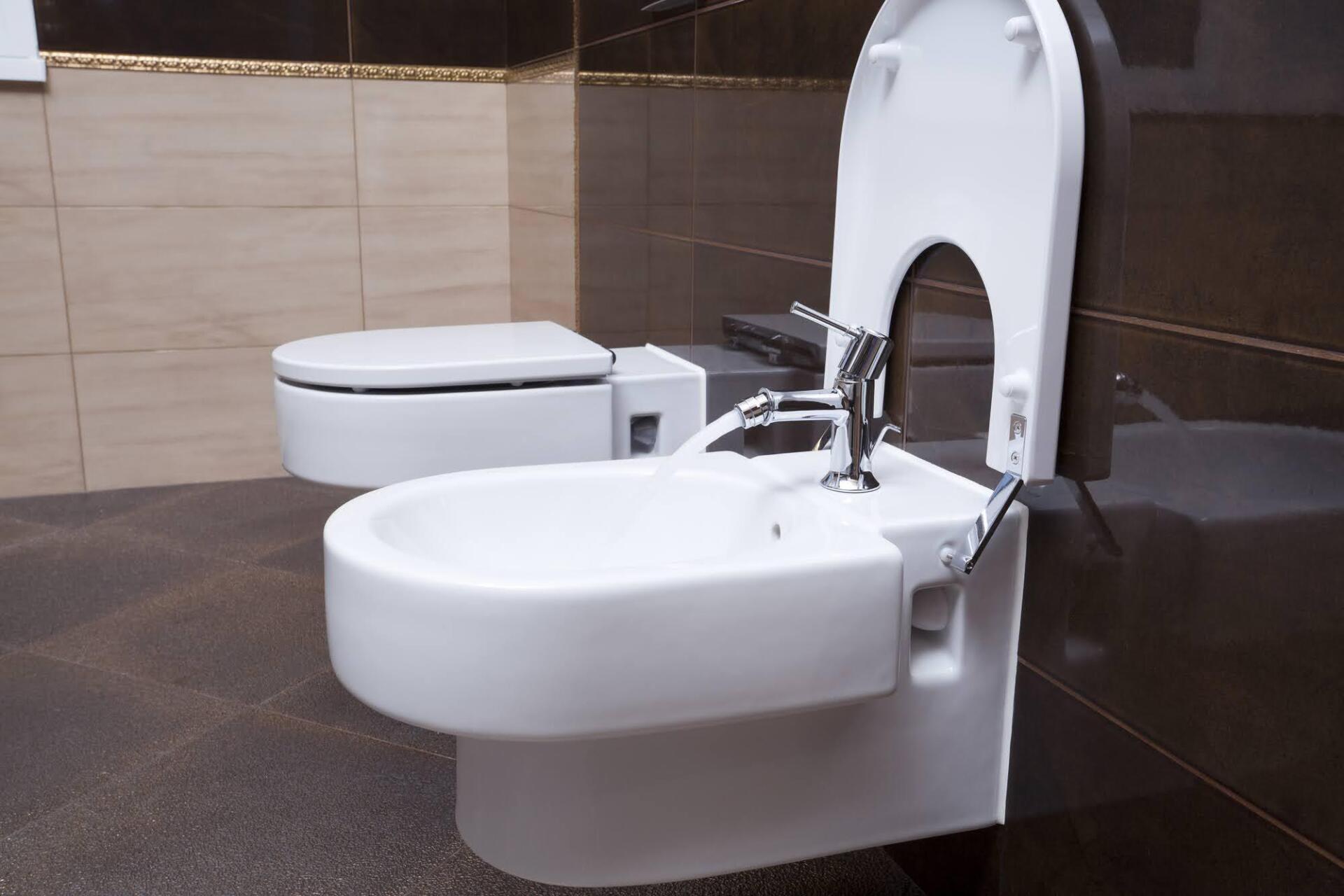
Are Bidets a Smart Investment?
When evaluating the value of a bidet, consider both immediate and long-term benefits. The average household spends a significant amount annually on toilet paper—costs that a bidet dramatically reduces. Over several years, the savings often exceed the initial investment in a quality bidet seat.
Beyond financial savings, bidets offer environmental benefits by reducing paper consumption and the resources required for toilet paper production. The enhanced hygiene, comfort features like heated seats and warm water, and the luxurious experience they provide make bidets an increasingly popular bathroom upgrade that many homeowners consider well worth the investment.
Debunking Common Bidet Myths
Despite their proven benefits, several misconceptions persist about bidets that may discourage potential users:
Myth: Bidets are messy and splash water everywhere. Reality: Modern bidet seats use precisely aimed, controlled water streams. The spray is directed exactly where needed with adjustable pressure to prevent any splashing outside the bowl.
Myth: Bidets are complicated to install. Reality: Most bidet seats are designed for DIY installation requiring only basic tools. They connect to your existing water supply and replace your current toilet seat in under an hour.
Myth: Bidets are only for women. Reality: Bidets benefit everyone regardless of gender. The posterior wash function is universally useful, and many appreciate the enhanced cleanliness for everyday hygiene.
Myth: Bidets waste water. Reality: Bidets use a remarkably small amount of water per use—typically less than half a gallon. Compared to the substantial water required to manufacture toilet paper, bidets are actually the more environmentally responsible choice.
Why You Should Consider Making the Switch
The benefits of upgrading to a bidet extend far beyond basic hygiene improvements. Modern bidet toilet seats transform an ordinary bathroom routine into a comfortable, even luxurious experience. Features like heated seating eliminate the shock of cold seats during winter months, while warm water washing and air drying provide spa-level comfort in your own home.
From reducing household expenses on paper products to minimizing your environmental footprint, the practical advantages complement the comfort benefits. Whether you are motivated by health considerations, environmental consciousness, or simply the desire for a cleaner, more refreshing bathroom experience, a bidet seat represents a worthwhile upgrade that most users wish they had made sooner.
Upgrade Your Bathroom Today
Experience the comfort and hygiene benefits of a premium smart bidet toilet with advanced features and elegant design.
