


 Damage
  Loss
Loss  Theft
Theft 


Smart Toilets vs Traditional Toilets
Table of Contents
Let's be real—toilets aren't the most glamorous topic of conversation. However, if you're in the middle of a home renovation or settling into a new space, selecting the ideal toilet becomes a surprisingly crucial decision. As modern technology continues to infiltrate every corner of our homes, countless homeowners find themselves weighing the advantages and disadvantages of smart toilets against their conventional counterparts.
Smart toilets are revolutionizing bathroom experiences with features that seamlessly blend comfort, cleanliness, and cutting-edge innovation. Meanwhile, traditional toilets have proven their worth over many decades, delivering reliable performance with straightforward mechanics and competitive pricing. So how do you determine which option best suits your bathroom and your budget? Let's dive in and help you make an informed choice.
1. What Makes a Toilet "Smart"?
Before we examine the comparisons, it helps to clarify what the "smart" designation actually means when applied to toilets. At their core, these fixtures leverage sophisticated technology to deliver features like:
Premium smart toilet models come equipped with rimless bowls, electronic PP seat covers, and sophisticated dual-flush mechanisms. The anti-germ glazing maintains bowl hygiene over extended periods, reducing cleaning frequency significantly. These models prove especially popular in bathrooms where design elegance and practical functionality need to coexist harmoniously.
2. Smart Toilets vs Traditional Toilets: Key Differences
Here's a straightforward comparison to break down the distinctions:
| Feature | Smart Toilets | Traditional Toilets |
|---|---|---|
| Design | Sleek, modern, rimless aesthetics | Basic, functional appearance |
| Hygiene | Anti-bacterial coating, self-cleaning capabilities | Manual cleaning required |
| Water Usage | Dual flush for water conservation | Often single flush, less efficient |
| Comfort | Heated seats, built-in bidets, night lights, remote controls | Basic seat design |
| Installation | May require electrical setup | Simple plumbing installation |
| Maintenance | Minimal due to auto-clean features | Regular manual cleaning required |
3. The Pros of Smart Toilets
Enhanced Hygiene
Smart toilet seats featuring anti-germ glazing are perfect for households prioritizing cleanliness. These specialized coatings actively resist bacterial buildup, creating a more sanitary bathroom environment.
Water Efficiency
Thanks to dual-flush technology, you conserve water with each flush, which translates to noticeable reductions in your monthly utility bills over time.
Modern Aesthetics
A rimless design doesn't just look elegant—it also prevents the buildup of grime that often accumulates around traditional toilet rims. It's a true win-win for style and cleanliness.
Hands-Free Convenience
From electronic lids to integrated bidet functions, the finest smart toilets minimize physical touchpoints, making them both hygienic and accessible for users of all abilities.
4. The Pros of Traditional Toilets
Cost-Effective
Traditional toilets typically come with a lower initial price tag and don't require electrical fittings, making them budget-friendly from the start.
Easy Maintenance
With fewer technological components, there's simply less that can malfunction or require specialized repairs.
Simple Installation
Most plumbing professionals can install a traditional toilet quickly, without needing specialized equipment or expertise.
Space Friendly
Ideal for compact bathrooms where every square inch matters.
5. The Cons to Consider
Smart Toilets
Higher Upfront Cost: While long-term savings are achievable, smart toilets do demand a larger initial investment.
Professional Installation Needed: Electrical and plumbing components must be fitted correctly, which could mean extra installation time and expense.
Traditional Toilets
Basic Functionality: No bidet or heated seat features here—just the bare essentials.
More Frequent Cleaning: Without rimless designs or antibacterial finishes, you'll spend more time and effort keeping things sparkling.
6. Cost Benefits Over Time
Yes, the finest smart toilets cost more initially, but they can generate savings over time through:
And let's not overlook this: a well-designed, feature-rich bathroom can significantly boost your home's resale value—a bonus worth considering when making your decision.
Upgrade Your Bathroom Today
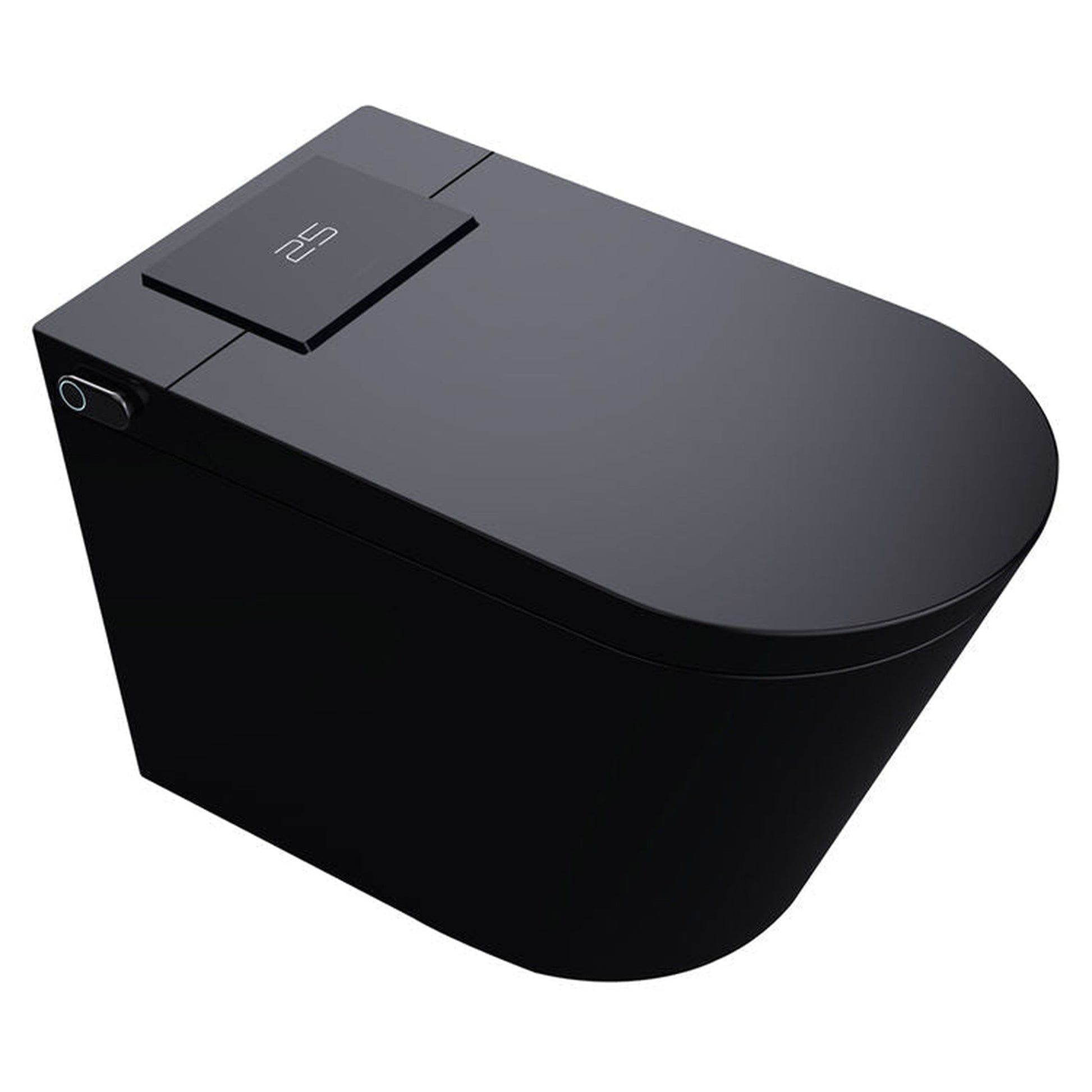
Experience the perfect blend of luxury and innovation with our premium smart toilet.
7. The Bottom Line
Ultimately, choosing the right toilet comes down to your lifestyle, available space, and budget constraints. If you value simplicity and affordability, a traditional toilet will serve you well. But if you're aiming for long-term comfort, superior hygiene, and that sought-after "wow" factor in your bathroom, a smart toilet is definitely worth the upgrade.
Whatever you choose, ensure it's a solution that works for your everyday routines. Your bathroom, your throne—make it count!
8. Frequently Asked Questions
Are smart toilets better than regular toilets?
Smart toilets offer enhanced hygiene features, water efficiency, and modern conveniences that traditional toilets lack. However, "better" depends on your priorities and budget. For those valuing advanced features and long-term savings, smart toilets excel.
What is the most hygienic type of toilet?
Smart toilets with anti-bacterial coatings, rimless designs, and self-cleaning functions are considered the most hygienic options available today.
Do smart toilets use more water?
Actually, the opposite is true. Most smart toilets feature dual-flush systems that use significantly less water than traditional single-flush models, leading to lower utility bills over time.
Do smart toilets clean themselves?
Many smart toilets include self-cleaning functions such as automatic bowl rinsing, UV sterilization, and anti-germ glazing that actively reduces bacterial buildup between uses.