


 Damage
  Loss
Loss  Theft
Theft 


Smart Toilet vs Regular Toilet: The Complete Buyer's Guide
Smart Toilet or Traditional? Making the Right Decision
The bathroom has evolved from a purely functional space into a sanctuary of comfort and technology. At the heart of this transformation lies a fundamental question: should you invest in a cutting-edge smart toilet, or stick with the reliable simplicity of a traditional model?
This comprehensive guide breaks down everything from features and installation requirements to long-term costs and regional market preferences. Whether you're a homeowner planning a renovation, a contractor sourcing products, or a business buyer evaluating bulk purchases, this guide will help you navigate the decision with confidence.
Understanding Smart Toilets
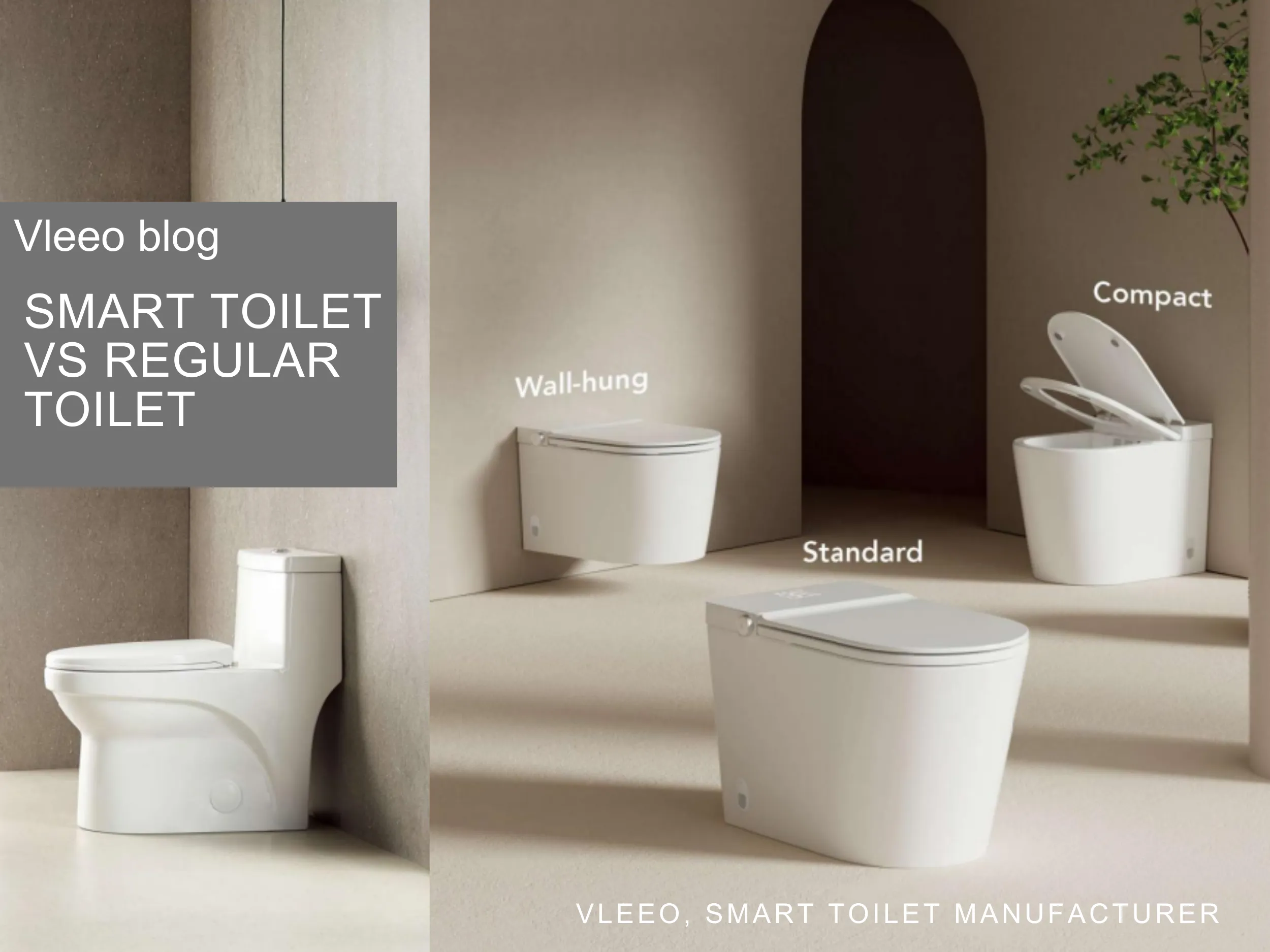
A smart toilet represents the pinnacle of bathroom innovation. These advanced fixtures combine traditional toilet functionality with electronic features designed to enhance hygiene, comfort, and convenience. Modern smart toilets typically include integrated bidet systems with adjustable water temperature and pressure, heated seats, automatic lid opening and closing, touchless flushing, air purification, and even built-in night lights.
Key Feature: Many premium smart toilets now include remote controls or smartphone app connectivity, allowing users to customize their experience and even track water usage over time.
The Traditional Toilet: Proven Reliability
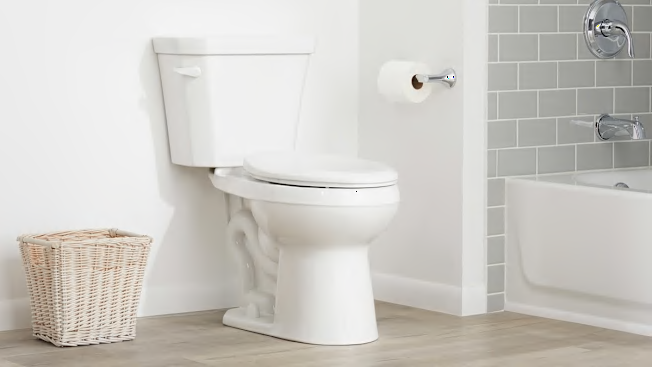
Traditional toilets have served households and commercial spaces reliably for well over a century. These fixtures operate on straightforward gravity-fed or pressure-assisted flushing mechanisms without requiring electrical connections. Available in countless styles including two-piece designs, one-piece units, wall-mounted options, and corner-saving models, regular toilets offer versatility for virtually any bathroom layout or aesthetic preference.
Their mechanical simplicity translates to easy maintenance, widespread parts availability, and lower upfront costs. For many buyers, these practical advantages make traditional toilets the sensible choice.
Head-to-Head Comparison
| Feature | Smart Toilet | Regular Toilet |
|---|---|---|
| Price Range | $800 – $5,000+ | $150 – $600 |
| Installation | Requires electrical outlet | Standard plumbing only |
| Bidet Function | Built-in with controls | Requires separate attachment |
| Heated Seat | Yes, adjustable | No |
| Auto Flush | Standard feature | Manual operation |
| Maintenance | May need specialist service | DIY-friendly repairs |
| Lifespan | 10–15 years | 25+ years |
Weighing the Advantages and Drawbacks
Smart Toilet Advantages
- Superior hygiene with hands-free operation and integrated bidet cleaning
- Enhanced comfort features including heated seats and warm air dryers
- Water-efficient flushing systems that reduce consumption
- Self-cleaning technologies minimize maintenance effort
- Premium aesthetic adds value to modern bathrooms
Smart Toilet Considerations
- Significantly higher purchase price point
- Electrical outlet required near installation location
- Electronic components may require professional repairs
- Learning curve for users unfamiliar with features
- Non-functional during power outages without backup
Regular Toilet Advantages
- Budget-friendly pricing suits all project scales
- Straightforward installation without electrical work
- Replacement parts readily available everywhere
- Proven durability spanning decades of use
- Functions reliably regardless of power availability
Regular Toilet Considerations
- No built-in bidet or advanced hygiene features
- Standard seats can feel cold in winter months
- Manual flushing required after each use
- Limited customization and comfort options
- May appear dated in luxury renovations
Business Buyer Considerations
When purchasing toilets for commercial projects, hospitality venues, or bulk residential developments, additional factors come into play beyond individual consumer preferences.
Warranty Coverage
Smart toilets often include comprehensive warranties on electronic components, while traditional models focus on ceramic and mechanical coverage.
Service Requirements
Consider local technician availability for smart toilet repairs versus the universal serviceability of standard fixtures.
Volume Pricing
Bulk orders may unlock significant discounts, particularly for commercial-grade smart toilet installations.
User Demographics
Elderly care facilities benefit greatly from smart toilet accessibility features, while high-traffic venues may prioritize durability.
Regional Market Trends
Asia-Pacific: Countries like Japan, South Korea, and increasingly China have embraced smart toilet technology as standard bathroom equipment. Over 80% of Japanese households feature some form of electronic toilet seat or integrated smart toilet system.
North America: The smart toilet market continues expanding, particularly in luxury home construction and hotel renovations. However, traditional toilets still dominate the general market due to cost considerations and established plumbing infrastructure.
Europe: Growing environmental consciousness drives interest in water-efficient smart toilets, though the market remains more fragmented with varying adoption rates across different countries.
Shipping and Logistics Factors
Smart Toilets: These units require careful handling due to integrated electronic components. Shipping costs tend to be higher, and customs clearance may involve additional documentation for electrical certification compliance. Climate-controlled storage is recommended to protect sensitive parts.
Regular Toilets: Standard ceramic fixtures are more resilient during transport but still require proper packaging to prevent cracking. Their simpler construction means fewer potential points of shipping damage and more straightforward warranty claims if issues arise.
Featured Smart Toilet
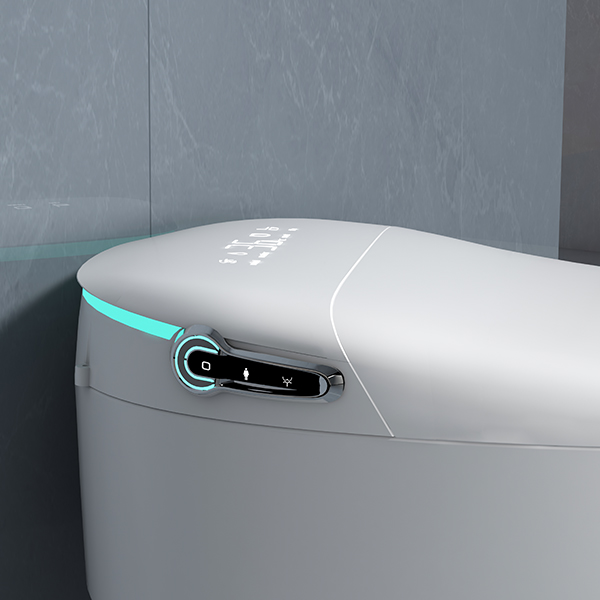
Trone Nobelet Smart Bidet Toilet
Elegant matte black finish with integrated bidet, heated seat, and wireless remote control. The perfect fusion of luxury design and intelligent functionality.
Shop Trone NobeletCost Analysis and Return on Investment
| Cost Factor | Smart Toilet | Regular Toilet |
|---|---|---|
| Initial Purchase | Higher | Lower |
| Installation | $200–$500 | $100–$250 |
| Annual Water Savings | Up to $50/year | Minimal |
| Toilet Paper Reduction | 70–90% less | Standard usage |
| Property Value Impact | Positive addition | Neutral |
Note: Actual savings vary based on household size, local utility rates, and usage patterns.
Making Your Decision
The choice between a smart toilet and a traditional model ultimately depends on your priorities. If comfort, hygiene innovation, and long-term savings matter most, a smart toilet delivers exceptional value. If budget constraints, simplicity, and proven reliability guide your decision, a quality traditional toilet remains an excellent choice. Either way, investing in a well-made toilet ensures years of dependable service for your home or business.
Explore our complete selection of toilets and bathroom fixtures to find the perfect fit for your next project.