


 Damage
  Loss
Loss  Theft
Theft 


How To Effectively Circulate Heat From Your Wood Stove
Maximize Warmth Throughout Your Backyard Workshop And Outdoor Spaces
If you've confirmed your wood stove isn't experiencing operational problems, this comprehensive guide provides essential knowledge for effectively circulating heat from your wood burning unit throughout your backyard workshop or outdoor space. Mastering these circulation techniques ensures you extract maximum warmth potential from your heating investment, filling your entire workspace with comforting heat throughout the winter season.
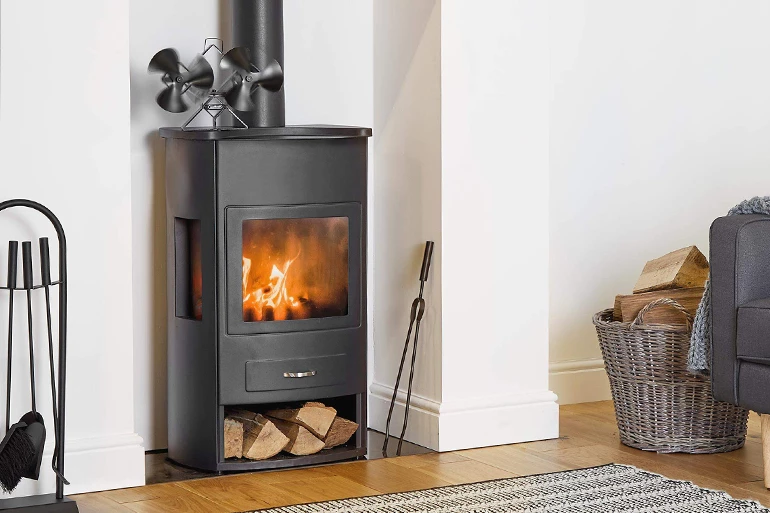
Understanding Wood Stove Heat Distribution
Wood stoves generate exceptional heat output concentrated primarily in their immediate vicinity. However, without proper circulation strategies, this valuable warmth often remains localized near the stove itself rather than distributing evenly throughout your entire backyard workspace or outdoor building. Understanding the fundamental principles of heat movement enables you to implement effective circulation solutions that maximize your heating efficiency.
The Three Methods Of Heat Transfer
1. Radiant Heat
Heat radiates directly outward from the stove's surface, warming objects and people within direct line of sight. This immediate warmth feels most intense closest to the unit but diminishes rapidly with distance.
2. Convective Heat
Warm air naturally rises from the stove, creating circulation patterns as cooler air moves in to replace it. This natural convection process forms the foundation for effective heat distribution strategies.
3. Conductive Heat
Heat transfers through direct contact with the stove's metal surfaces and connected materials. While less relevant for room heating, understanding conduction helps optimize stove placement and safety considerations.
Proven Heat Circulation Strategies
Strategic Ceiling Fan Utilization
Ceiling fans represent one of the most effective tools for redistributing wood stove heat throughout your backyard workshop or outdoor building. The key lies in operating them correctly during winter heating seasons.
Reverse Direction Operation: Switch your ceiling fan to rotate clockwise (reverse mode) at low speed settings. This configuration draws cool air upward while gently pushing accumulated warm air near the ceiling back down toward the floor level.
Optimal Speed Settings: Operate fans at their lowest speed settings to avoid creating uncomfortable drafts while still achieving effective heat redistribution throughout your workspace.
Strategic Placement: Position ceiling fans centrally in rooms to maximize their heat distribution coverage area, ensuring warmth reaches all corners of your backyard workshop.
Stove-Top Heat-Powered Circulation Fans
These innovative devices sit directly atop your wood stove, requiring no electricity or batteries to operate. They harness the stove's own heat to power a thermoelectric generator that drives the fan blades.
- Self-Powered Operation: Begins automatically when stove surface temperatures reach approximately 150-200°F
- Silent Efficiency: Operates virtually noiselessly while moving significant air volumes
- No Electrical Costs: Completely independent of your electrical system, reducing operating expenses
- Enhanced Distribution: Actively pushes heated air away from the stove into surrounding workspace areas
Floor And Box Fan Positioning
Standard portable fans provide affordable, effective solutions for directing wood stove heat throughout your backyard workspace when positioned strategically.
Safe Distance Placement: Position fans at least 3-4 feet from the stove to avoid overheating damage while maximizing air movement efficiency
Directional Strategy: Aim fans toward cooler areas of your workspace rather than directly at the stove, pulling warm air along with the airflow
Multi-Fan Configuration: Consider placing multiple fans at different locations to create comprehensive circulation patterns throughout larger workshop spaces
Height Adjustment: Experiment with fan heights to find optimal positions that capture rising warm air most effectively
Permanent Ductwork Heat Distribution Systems
For those seeking more permanent heating solutions in larger backyard workshops or multi-room outdoor buildings, installing dedicated ductwork systems provides professional-grade heat distribution capabilities.
- Heat Register Installation: Install floor or wall registers near the stove to capture rising warm air
- Insulated Ductwork: Route properly insulated ducts to distant rooms or workspace areas requiring supplemental heating
- Inline Fan Integration: Install inline duct fans to actively push heated air through the distribution system
- Balanced Airflow: Design return air pathways to maintain proper circulation throughout your entire outdoor building
Additional Heat Circulation Optimization Strategies
Open Interior Doorways
Keep interior doors open between workshop rooms to facilitate natural air circulation pathways, allowing warm air to flow freely throughout connected spaces.
Optimize Stove Location
Central stove placement in your workspace maximizes heat distribution potential, reducing the distance warm air must travel to reach all areas of your outdoor building.
Seal Air Leaks
Identify and seal gaps around windows, doors, and structural penetrations to prevent heated air from escaping your workspace while reducing cold air infiltration.
Improve Insulation
Enhanced wall, ceiling, and floor insulation helps retain generated heat within your backyard workshop, improving overall heating efficiency and comfort levels.
Install Heat Shields
Reflective heat shields positioned behind the stove redirect radiant heat back into the room rather than allowing it to absorb into exterior walls unnecessarily.
Maintain Optimal Burn
Operating your wood stove at proper temperatures with seasoned firewood ensures consistent, efficient heat output that circulation systems can distribute effectively throughout your space.
Critical Safety Considerations
When implementing heat circulation strategies for your wood stove, always prioritize safety alongside efficiency. Following proper protocols protects both your backyard workspace and its occupants.
Clearance Requirements
Maintain manufacturer-specified clearances between your stove and all combustible materials, including walls, furniture, and circulation equipment to prevent fire hazards.
Carbon Monoxide Detection
Install working carbon monoxide detectors in your backyard workshop to alert you immediately to dangerous gas accumulations that can occur with combustion heating systems.
Proper Ventilation
Ensure adequate fresh air intake for proper combustion while maintaining appropriate ventilation to prevent negative air pressure situations that can affect stove operation.
Equipment Monitoring
Regularly inspect all circulation fans and equipment for signs of heat damage, wear, or malfunction to ensure continued safe operation throughout the heating season.
Chimney Maintenance
Schedule annual professional chimney cleaning and inspection to prevent dangerous creosote buildup that can lead to chimney fires regardless of circulation efficiency.
Fire Extinguisher Access
Keep appropriate fire extinguishers readily accessible near your wood stove installation, ensuring all workspace occupants know their locations and proper use procedures.
Premium Wood Burning Circulator For Your Workspace
Transform your backyard workshop heating with professional-grade wood burning circulators designed specifically for efficient heat distribution. Experience reliable warmth and superior circulation performance throughout your entire outdoor workspace.
US Stove Ashley Wood Circulator
Experience professional-grade heating performance with the US Stove Ashley Wood Burning Circulator, engineered to efficiently heat spaces up to 1,200 square feet. This robust heating system combines powerful heat output with integrated circulation capabilities, ensuring consistent warmth throughout your backyard workshop or outdoor building. Built with commercial-quality construction and efficient airflow design, this circulator delivers reliable heating performance season after season. The advanced circulation system actively distributes heat throughout your workspace, eliminating cold spots and maximizing heating efficiency for optimal comfort during winter operations.
View Ashley CirculatorMaximize Your Wood Stove Heating Investment
Effective heat circulation transforms a localized heat source into a comprehensive workspace heating solution. By implementing the strategies outlined in this guide—from ceiling fan optimization to strategic portable fan placement—you can dramatically improve heat distribution throughout your backyard workshop or outdoor building.
Remember that successful heat circulation combines multiple approaches tailored to your specific space configuration and heating needs. Start with simple, cost-effective solutions like optimized ceiling fan operation and portable fan positioning, then consider more advanced options like heat-powered stove fans or permanent ductwork systems as your requirements evolve.
Always prioritize safety alongside efficiency, maintaining proper clearances, ensuring adequate ventilation, and keeping carbon monoxide detectors operational throughout the heating season. With proper circulation techniques and safety protocols in place, your wood stove investment delivers consistent, comfortable warmth throughout your entire backyard workspace, making winter projects and activities enjoyable regardless of outdoor temperatures.
Ready To Enhance Your Workspace Heating?
Explore professional-grade wood burning circulators designed specifically for backyard workshops and outdoor buildings. Every system is engineered for efficient heat distribution, reliable performance, and lasting durability.
Shop Wood Stoves Now