


 Damage
  Loss
Loss  Theft
Theft 


Your Complete Guide to Wood Stove Safety
Essential Knowledge for Safe and Efficient Outdoor Living Heating Solutions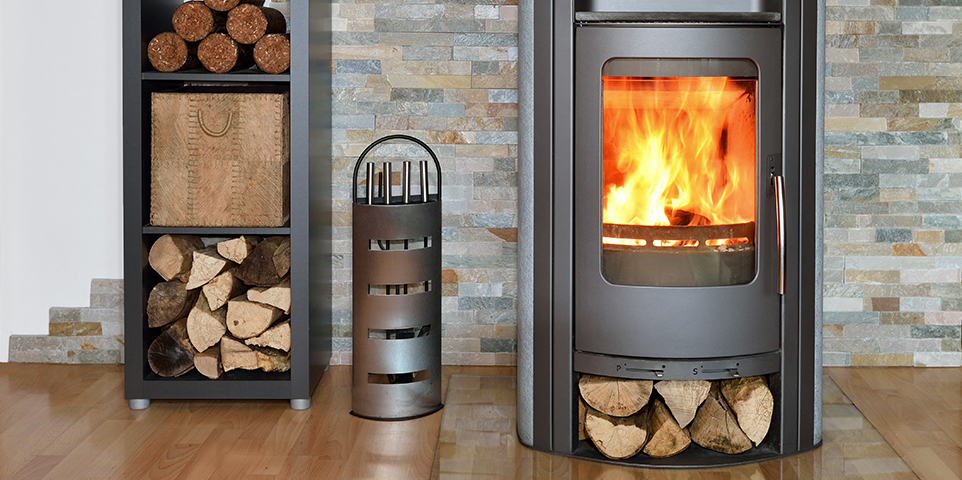
When winter arrives and you're looking to create warmth in your outdoor living spaces or provide supplemental heating for your home, wood stoves offer an unmatched combination of efficiency, ambiance, and reliable heat. However, these powerful heating appliances demand respect and proper understanding to operate safely.
Whether you're a seasoned wood stove owner or considering your first purchase, this comprehensive guide walks you through everything necessary to ensure your wood burning experience remains safe, efficient, and enjoyable throughout every season.
Foundation Principles of Wood Stove Safety
Understanding wood stove safety begins with recognizing that these aren't just decorative pieces—they're serious heating appliances that produce intense heat and require proper respect. Modern wood stoves incorporate advanced engineering and safety features, but they still demand vigilant attention from owners who understand both their capabilities and limitations.
The evolution of wood stove technology has brought remarkable improvements in combustion efficiency, heat output control, and safety mechanisms. Today's models burn cleaner, require less fuel, and provide better heat distribution than their predecessors. Despite these advancements, the fundamental responsibility for safe operation rests squarely with the owner.
Expert Installation
Professional installation guarantees your wood stove meets all applicable safety codes and performs at its designed efficiency level. Certified installers bring knowledge of local regulations and proper setup techniques that DIY approaches simply cannot match.
Consistent Maintenance
Regular upkeep prevents dangerous conditions from developing silently over time. Annual professional inspections combined with your own vigilant maintenance create a comprehensive safety net.
Adequate Clearances
Maintaining proper distances from combustible surfaces isn't optional—it's critical for preventing heat damage and potential fire hazards that could threaten your entire property.
Non-Negotiable Safety Requirements
Every wood stove owner must understand and implement certain fundamental safety practices without exception. These requirements aren't suggestions from overly cautious experts—they're proven protocols that prevent injuries, property damage, and potentially tragic outcomes.
- Position your wood stove exclusively on non-combustible flooring materials, ensuring the protective surface extends adequately beyond the stove footprint in all directions, particularly in front where loading occurs.
- Install properly rated chimney systems or stovepipes that meet manufacturer specifications—single-wall installations require significantly greater clearances from combustible materials than insulated alternatives.
- Guarantee proper ventilation in any space housing your wood stove to prevent carbon monoxide accumulation and ensure adequate fresh air for efficient combustion.
- Maintain the loading door in closed position during operation except when actively adding fuel—this essential practice contains sparks and optimizes combustion efficiency.
- Install functioning smoke detectors and carbon monoxide alarms throughout your property, with particular attention to sleeping areas where early warning proves most critical.
- Preserve unobstructed clearance zones around your stove—furniture, storage, decorations, or any other items must never encroach on required safety distances.
Absolutely Prohibited Practices
Never burn pressure-treated lumber, plywood, particleboard, painted wood, or any processed materials—these produce toxic fumes and dangerous creosote accumulation that threatens your chimney system.
Never employ gasoline, kerosene, lighter fluid, or any accelerants to start or boost fires—these create explosive, uncontrollable situations that cause serious injuries annually.
Never exceed your stove's designed fuel capacity—overloading produces dangerous temperature spikes that can warp metal, crack welds, and create structural failures.
Never leave active fires unattended for extended durations, and always ensure complete extinguishment before leaving your property or retiring for the evening.
Never operate your stove with compromised components—cracked glass panels, worn door gaskets, or warped loading doors require immediate professional repair or replacement.
Selecting the Appropriate Wood Stove
Choosing the right wood stove extends far beyond aesthetic preferences and price considerations. Your selection must properly match your heating requirements, fit your available space, and meet rigorous safety certifications that guarantee proper engineering and testing.
Size appropriateness matters tremendously—an oversized unit forces you to maintain inefficient, smoky fires to avoid overheating, while undersized stoves run constantly at maximum output without delivering adequate warmth. Calculate your space requirements carefully and consult professionals about proper sizing for your specific application.
Prioritize stoves bearing certifications from recognized testing laboratories alongside EPA certification indicating clean-burning technology. These marks verify that extensive testing has proven the stove's safety and environmental performance meet stringent standards.
Modern features like air-wash glass cleaning systems, advanced combustion technology (catalytic or non-catalytic), and external air intake options dramatically improve both convenience and performance. Understanding these features helps you select a stove that matches your priorities.
Discover Premium Wood Heating Solutions
Experience dependable warmth with expertly engineered wood burning technology designed for your outdoor living spaces
Ashley CirculatorWhy Professional Installation Matters
Professional installation represents one of the wisest investments any wood stove owner makes. Certified installers possess comprehensive training in building codes, manufacturer specifications, and local regulations that ensure your installation meets every applicable safety standard from the beginning.
Quality installers thoroughly assess your property's structure, evaluate existing ventilation and chimney systems, and determine optimal placement that balances heating efficiency with safety requirements. They ensure proper floor protection, verify adequate clearances, and configure your chimney system for reliable draft and efficient exhaust.
Professional service includes managing permit applications and coordinating required inspections with local authorities. This documentation provides invaluable protection for insurance purposes and demonstrates that your installation meets all legal requirements.
Before hiring any installer, verify they maintain current licensing and adequate liability insurance coverage. Request references from previous clients and don't hesitate to ask detailed questions about their experience with wood stove installations similar to yours.
Chimney Maintenance: Your Primary Fire Prevention Strategy
Your chimney system demands careful attention because it safely removes hazardous combustion byproducts from your property. Creosote—the sticky, highly flammable residue that accumulates inside chimneys—represents the single most dangerous threat that wood stove owners face.
How Creosote Forms and Develops
Creosote appears when wood smoke condenses on cooler chimney surfaces. It progresses through three increasingly dangerous stages, each more stubborn to remove and more likely to ignite than the previous:
Initial Stage
Light, flaky deposits resembling fine soot that remove easily with basic brushing. This stage results from proper burning practices and regular cleaning schedules.
Secondary Stage
Glossy, tar-like substance that clings stubbornly to surfaces. This stage requires more intensive cleaning methods and signals that burning practices need improvement.
Advanced Stage
Rock-hard, glazed coating that resists conventional removal. This dangerous stage often necessitates professional chemical treatment or complete chimney relining.
Professional chimney sweeps utilize specialized equipment and techniques to thoroughly clean chimneys at any creosote stage. Schedule inspections minimally once annually—homeowners who burn wood heavily throughout winter should arrange semi-annual service.
Monitoring Your System Between Professional Services
Remain alert between scheduled cleanings by watching for warning indicators. Difficulty establishing fires, excessive smoke production, persistent odors, or weakened draft suggests developing problems that require immediate professional assessment.
Never dismiss these warning signs—prompt attention prevents minor issues from escalating into serious hazards. Contact certified professionals immediately when you notice any concerning changes in your stove's operation or performance.
Wood Selection and Proper Storage Methods
The wood you choose dramatically influences both heating efficiency and operational safety. Properly seasoned hardwoods deliver superior heat output while minimizing the creosote formation and smoke problems that plague users of green or inappropriate wood species.
Hardwood varieties like oak, hickory, ash, and maple provide excellent burning characteristics compared to softwoods such as pine or spruce. Hardwoods burn significantly hotter, produce more sustained heat, and generate less creosote. However, even premium hardwoods require adequate drying—typically between six months and one full year depending on climate conditions.
Essential Wood Storage Guidelines
- Store firewood outdoors in covered locations that permit excellent air circulation—wood moisture content must drop below twenty percent before burning for optimal results.
- Elevate your wood piles using pallets, racks, or similar supports to prevent ground moisture absorption and discourage insect colonization.
- Position stacks in sunny areas with good natural airflow to accelerate the drying process through natural evaporation.
- Transport only immediate-use quantities indoors to minimize moisture problems and pest introduction into your living spaces.
- Examine each piece carefully before loading—reject wood showing heavy bark, visible decay, or mold growth that produces excessive smoke and poor combustion.
Understanding Critical Clearance Requirements
Maintaining proper distances from combustible materials isn't subject to negotiation—these specifications exist because extensive research has determined safe distances that prevent heat damage and eliminate fire risks. Different materials tolerate varying amounts of radiant heat, which explains why clearance requirements differ for various situations.
| Surface Type | Required Distance | Important Notes |
|---|---|---|
| Unprotected Wall Surfaces | 36 inches minimum | Standard requirement without heat shielding |
| Protected Wall Surfaces | 12-18 inches | With approved heat shield properly installed |
| Overhead Ceiling | 36 inches minimum | Measured from highest point of stove |
| Front Operating Area | 48 inches minimum | Clear space required for safe loading operations |
Always consult your specific model's installation manual for detailed clearance specifications developed through manufacturer testing. Local building codes frequently impose more stringent requirements than manufacturer minimums—consistently follow whichever standard proves most conservative.
Daily Operating Procedures for Safe Use
Safe operation extends well beyond proper installation—your daily habits significantly influence long-term safety and equipment longevity. Developing consistent operational routines prevents accidents and maximizes your stove's service life.
Proper Fire Starting Techniques
Begin fires using crumpled newspaper or natural fire starting products—absolutely never use gasoline, lighter fluid, or similar volatile accelerants. Build fires gradually using small kindling before introducing larger split wood. This methodical approach establishes proper draft while preventing smoke spillage into your space.
Maintaining Clean, Efficient Burns
Avoid prolonged smoldering fires that maximize creosote production while wasting fuel. Maintain active, hot-burning fires with sufficient oxygen for complete combustion. Modern stoves incorporate air controls that regulate combustion—master these adjustments for clean, efficient burning.
Monitor combustion temperatures using a stove-top thermometer positioned on your unit's surface. Operating within manufacturer-recommended temperature ranges optimizes efficiency while preventing overheating that damages components or creates safety hazards.
Safe Ash Removal and Disposal
Remove accumulated ashes regularly, though maintain a thin insulating layer covering the firebox floor—this protects the bottom surface while actually improving combustion efficiency. Never dispose of ashes in combustible containers or position them near flammable materials.
Ashes that appear completely cold can harbor live embers remaining dangerously hot for multiple days. Always transfer removed ashes into metal containers with secure lids, positioned on non-combustible surfaces distant from structures. Allow at least four to five days before final disposal.
Essential Safety Equipment for Protection
Equipping your property with appropriate safety devices establishes critical protection layers that detect developing problems before they escalate into emergencies. These devices cost relatively little compared to the invaluable protection they deliver.
Smoke Detection Systems
Install smoke detectors on every level of your property, particularly near sleeping quarters. Test functionality monthly, replace batteries annually, and replace complete units every ten years as sensors deteriorate.
Carbon Monoxide Monitors
Position carbon monoxide alarms near sleeping areas and on each floor level. These crucial devices detect the invisible, odorless gas produced by incomplete combustion or ventilation malfunctions.
Fire Suppression Equipment
Maintain ABC-rated fire extinguishers readily accessible near your stove location. Ensure every household member understands proper operation procedures before emergency situations develop.
Protective Hand Gear
Use specialized heat-resistant gloves when loading fuel or adjusting hot components. Standard work gloves provide grossly inadequate protection from the extreme temperatures involved.
Recognizing Warning Signs Early
Vigilance enables you to identify developing issues before they become serious threats. Understanding normal operational characteristics allows you to recognize when something isn't functioning correctly.
Situations Demanding Immediate Professional Attention
Contact certified technicians immediately if smoke consistently enters your space during normal operation, if unusual odors persist after fires extinguish completely, or if you discover visible cracks anywhere in your stove body or chimney system.
Difficulty maintaining stable fires, poor draft performance, or smoke backing up into occupied spaces indicates serious ventilation problems requiring prompt professional assessment. Never ignore these symptoms—they frequently signal impending system failures.
Discoloration appearing on nearby walls or ceilings, excessive heat radiating toward surrounding areas, or unusual sounds during operation all warrant thorough professional inspection.
Seasonal Preparation Checklist
Systematic preparation before each heating season prevents mid-season equipment failures and ensures your wood stove delivers reliable performance throughout the coldest months.
Arrange professional chimney cleaning and comprehensive inspection before cold weather arrives. Address all identified issues immediately—postponing repairs typically results in more extensive damage and significantly higher costs later.
Inspect and replace door gaskets showing visible wear, compression damage, or gaps. These critical seals prevent smoke leakage while maintaining optimal combustion efficiency. Verify door alignment and adjust as necessary to ensure tight closure against gasket surfaces.
Confirm that all moving components—door handles, draft controls, dampers—operate smoothly without binding or requiring excessive force. Lubricate hinges and mechanisms according to manufacturer specifications using appropriate high-temperature products.
Clean viewing glass using products specifically formulated for wood stove applications. Avoid standard household glass cleaners that may not withstand extreme temperatures or could damage special heat-resistant coatings.
Emergency Response Planning
Despite diligently following all safety protocols, emergencies can still occur. Preparing comprehensive response plans ensures quick, effective action that minimizes damage and protects everyone on your property.
Responding to Chimney Fires
Chimney fires produce distinctive warning signs—loud roaring sounds resembling approaching trains, dense smoke volumes, intense heat radiation, or visible flames emerging from the chimney top. If you suspect a chimney fire, immediately evacuate all occupants, call emergency services, and absolutely never attempt fighting chimney fires yourself.
Close the stove door and all air controls to reduce available oxygen, but prioritize evacuation rather than remaining to monitor conditions. Chimney fires spread with frightening speed to structural components and create extreme danger.
Practicing Regular Emergency Drills
Conduct household fire drills that specifically include wood stove scenarios. Ensure all family members know evacuation routes, designated outdoor meeting locations, and emergency contact procedures. Regular practice ensures calm, effective responses during actual emergencies when stress levels peak.
Building Code Compliance and Legal Requirements
Wood stove installation must satisfy local building codes and fire safety regulations without exception. These requirements vary by jurisdiction and frequently exceed manufacturer minimum specifications to account for local conditions and historical concerns.
Obtain all necessary permits before installation work begins—operating without proper permits creates serious liability issues, complicates insurance claims, and may negatively affect future property sales. Building inspectors verify compliance with safety standards that ultimately protect your significant investment.
Maintain organized documentation of all permits, inspection certificates, and professional service records. This comprehensive paperwork demonstrates due diligence to insurance companies and provides valuable information for future property owners.
Insurance Considerations and Coverage
Contact your insurance provider before installing any wood-burning appliance. Many policies require formal notification of wood stoves and may adjust premiums accordingly based on assessed risks. Some insurers mandate professional installation documentation and annual inspection certificates for continued coverage.
Comprehensive documentation—installation permits, professional certifications, maintenance records—supports insurance claims if unfortunate incidents occur. Failure to notify insurers or maintain required documentation may void coverage precisely when you need protection most.
Consider purchasing additional coverage if your standard policy provides limited protection for wood stove-related incidents. The modest cost of enhanced coverage delivers substantial peace of mind and financial protection.
Your Ongoing Safety Commitment
Wood stove ownership requires sustained dedication to safety practices and maintenance routines. The warmth and ambiance these heating systems provide come with responsibilities that conscientious owners embrace willingly and consistently throughout the years.
Regular professional inspections, diligent daily practices, quality fuel selection, and proper equipment maintenance create the foundation for safe, enjoyable wood stove operation season after season. Never compromise on safety—the potential consequences far outweigh any perceived savings or convenience.
By implementing these comprehensive guidelines consistently, you protect your property, family, and investment while enjoying the timeless comfort of wood heat. Make safety your unwavering priority, and your wood stove will provide reliable, efficient heating for many years to come.
Remember: Safe wood stove operation isn't complicated—it simply requires knowledge, attention, and respect for the powerful heating source you're managing. Follow these guidelines, maintain vigilance, and enjoy the incomparable warmth and ambiance that wood heating provides.
Ready for Reliable Outdoor Living Heat?
Explore our curated selection of quality wood burning solutions engineered for safety, efficiency, and lasting performance
Ashley Circulator