


 Damage
  Loss
Loss  Theft
Theft 


Wood Stoves vs. Wood Furnaces: Which Heating Solution Is Right for Your Home?
Discover the perfect wood-burning heating system for your space and climate needs
When the temperature drops and winter approaches, finding an efficient and cost-effective heating solution becomes a top priority for homeowners. Wood-burning heating systems offer an attractive alternative to traditional heating methods, combining rustic charm with practical warmth. However, choosing between a wood stove and a wood furnace can be challenging, as each system offers distinct advantages tailored to different needs and living situations.
Both wood stoves and wood furnaces utilize renewable wood fuel to generate heat, but they differ significantly in their operation, installation requirements, heating capacity, and overall functionality. Understanding these differences is essential to making an informed decision that will keep your home comfortable throughout the coldest months while maximizing energy efficiency and minimizing costs.
Understanding Wood Stoves: Zone Heating Excellence
A wood stove is a standalone heating appliance designed to burn wood logs or pellets within a sealed combustion chamber, radiating warmth directly into the room where it's installed. These units have evolved significantly from their historical predecessors, now featuring advanced combustion technology, improved efficiency ratings, and elegant designs that complement modern home aesthetics.
Key Characteristics of Wood Stoves:
Radiant Heat Distribution: Wood stoves emit heat primarily through radiation, warming objects and people directly in their line of sight while also creating convective air currents that circulate warm air throughout the immediate space.
Visible Fire Experience: Many models feature glass doors or viewing windows, allowing you to enjoy the mesmerizing ambiance of dancing flames while the stove heats your living space.
Flexible Installation: Wood stoves can be installed in various locations throughout your home, including living rooms, basements, or dedicated heat rooms, requiring only proper chimney venting and adequate clearances from combustible materials.
Zone Heating Strategy: These units excel at heating specific areas or zones within your home, making them ideal for supplemental heating or for warming the spaces you use most frequently.
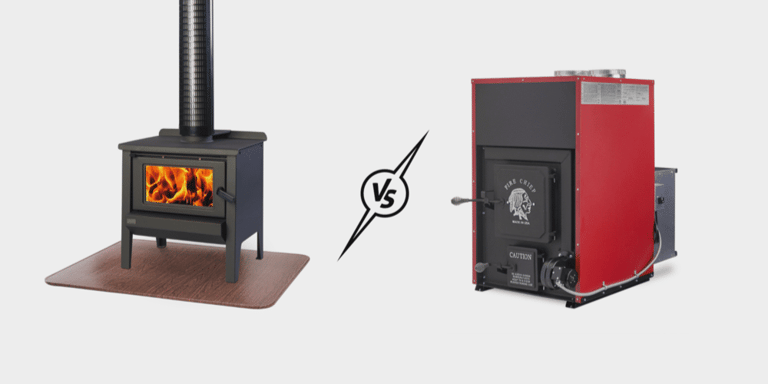
Modern wood stove in a contemporary living space
Understanding Wood Furnaces: Whole-Home Heating Power
A wood furnace represents a more comprehensive heating solution, functioning as a central heating system that distributes warmth throughout your entire home via existing ductwork. Unlike wood stoves that provide localized heating, wood furnaces integrate with your home's HVAC infrastructure to deliver consistent, whole-house warmth powered by wood combustion.
Key Characteristics of Wood Furnaces:
Forced Air Distribution: Wood furnaces heat air in a combustion chamber, then use blowers and fans to push this heated air through your home's ductwork system, ensuring even temperature distribution across all rooms.
Central System Integration: These units typically connect to your existing HVAC infrastructure, allowing for seamless integration with thermostatic controls and air filtration systems.
Basement or Utility Room Installation: Wood furnaces are generally installed in basements, garages, or dedicated mechanical rooms, keeping the combustion process and wood storage separate from primary living spaces.
Whole-Home Heating Capacity: With higher BTU outputs and distributed heat delivery, wood furnaces can efficiently heat entire homes, even large properties with multiple levels.
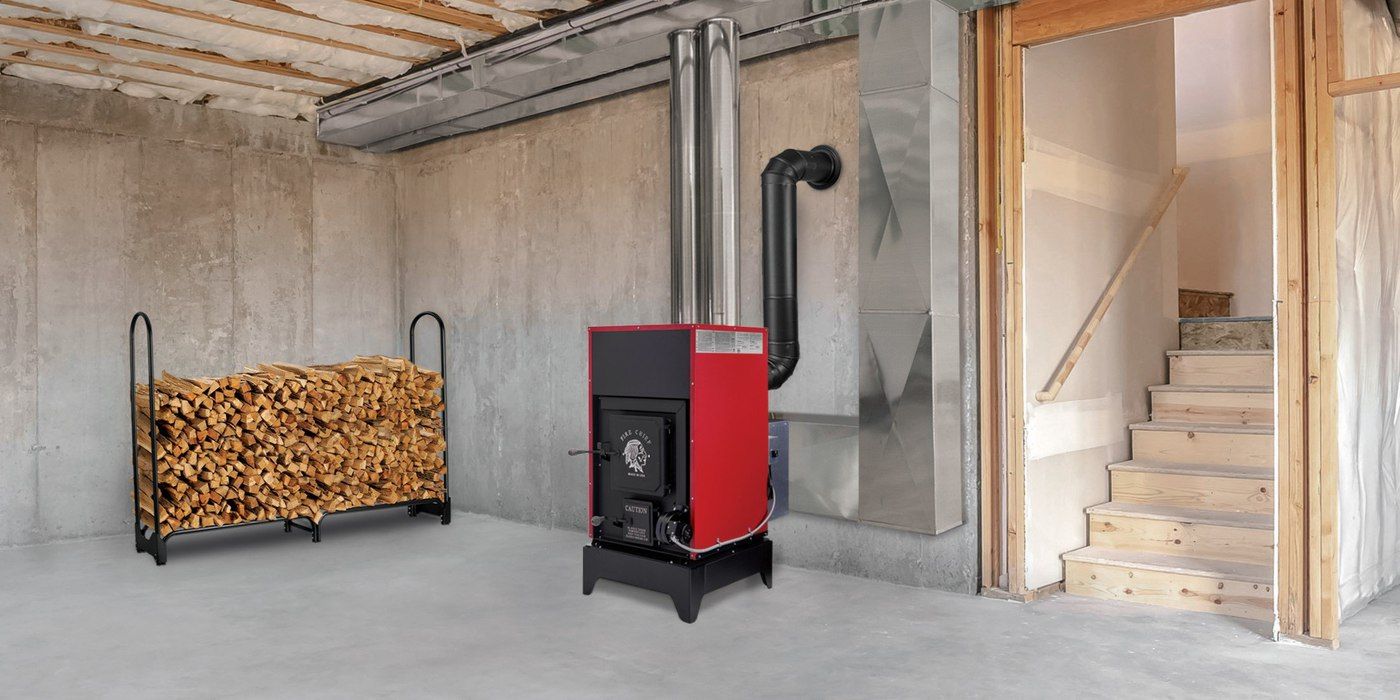
Wood furnace installation in basement utility area
Comparing Heat Output: Understanding BTU Capacity
One of the most critical factors in choosing between a wood stove and a wood furnace is understanding their respective heating capacities, measured in British Thermal Units (BTUs). The BTU rating indicates how much heat energy the appliance can produce, which directly correlates to the square footage it can effectively warm.
Wood Stove Heat Output
Wood stoves typically range from 30,000 to 110,000 BTUs, with most residential models falling in the 40,000 to 60,000 BTU range. This output is generally sufficient to heat anywhere from 800 to 3,200 square feet, depending on the model's efficiency, your home's insulation quality, and your regional climate conditions.
Typical Wood Stove Heating Ranges:
Small Stoves
30,000-45,000 BTU
800-1,500 sq. ft.
Medium Stoves
45,000-65,000 BTU
1,500-2,400 sq. ft.
Large Stoves
65,000-110,000 BTU
2,400-3,200+ sq. ft.
Wood Furnace Heat Output
Wood furnaces deliver significantly higher heat outputs, typically ranging from 65,000 to 200,000 BTUs or more. This substantial heating capacity, combined with forced-air distribution through ductwork, enables wood furnaces to efficiently heat homes ranging from 1,500 to well over 4,000 square feet, making them ideal for larger properties or as primary heating systems.
Typical Wood Furnace Heating Ranges:
Small Furnaces
65,000-100,000 BTU
1,500-2,500 sq. ft.
Medium Furnaces
100,000-150,000 BTU
2,500-3,500 sq. ft.
Large Furnaces
150,000-200,000+ BTU
3,500-4,500+ sq. ft.
Installation Requirements and Space Considerations
The installation process and space requirements differ dramatically between wood stoves and wood furnaces, affecting both the initial investment and the practical usability of each heating system.
Wood Stove Installation
Location Flexibility
Wood stoves can be installed in virtually any room of your home, including living rooms, family rooms, dens, or finished basements. This flexibility allows you to place the heat source exactly where you need it most.
Clearance Requirements
Most wood stoves require 18 to 36 inches of clearance from combustible walls and surfaces, though heat shields can reduce these requirements. You'll need adequate floor protection extending at least 18 inches in front of the stove door.
Venting System
A chimney or Class A chimney pipe system is required, which can be routed through the ceiling and roof, or through an exterior wall. Professional installation ensures proper draft and safety compliance.
Installation Complexity
Relatively straightforward installation that typically takes one to two days. Many homeowners can handle simpler installations, though professional installation is recommended for safety and warranty compliance.
Wood Furnace Installation
Location Requirements
Wood furnaces must be installed in basements, garages, or dedicated mechanical rooms with access to your home's ductwork system. Adequate space for loading wood and performing maintenance is essential.
System Integration
Requires connection to existing ductwork or installation of a new duct system throughout your home. Electrical connections for blowers and controls must be professionally installed and meet local electrical codes.
Venting Requirements
Requires a substantial chimney system capable of handling higher volumes of exhaust. The chimney must be properly sized for the furnace's output and installed according to stringent building codes.
Installation Complexity
Complex installation requiring HVAC professionals and typically taking several days to complete. Involves extensive ductwork modifications, electrical work, and compliance with multiple building codes.
Weighing the Advantages and Disadvantages
To make an informed decision between a wood stove and a wood furnace, it's essential to carefully consider the unique benefits and limitations of each system.
Wood Stove Benefits
✓ Lower Initial Investment: Purchase and installation costs significantly lower than furnace systems
✓ Visual Ambiance: Enjoy the aesthetic appeal and cozy atmosphere of visible flames
✓ Simpler Installation: Fewer structural modifications required for installation
✓ Higher Efficiency: Superior combustion efficiency means more heat from less wood
✓ Zone Heating Flexibility: Heat specific areas without warming unused spaces
✓ Independence: Operates without electricity during power outages
Wood Stove Limitations
✗ Limited Coverage: Typically heats only one area or adjacent rooms effectively
✗ Uneven Temperatures: Rooms farther from the stove remain cooler
✗ Living Space Requirements: Takes up valuable floor space in living areas
✗ Frequent Loading: Requires regular attention to maintain consistent heat
Wood Furnace Benefits
✓ Whole-Home Heating: Efficiently distributes heat throughout your entire house
✓ Consistent Temperatures: Maintains uniform comfort levels in all rooms
✓ Hidden Operation: Combustion unit and wood storage are kept out of primary living spaces