


 Damage
  Loss
Loss  Theft
Theft 


Sit-In Kayaks vs. Sit-On-Top Kayaks
Kayaking offers an incredible opportunity to immerse yourself in the natural world, challenge your body, and discover waterways that remain hidden from those who stay on shore. As you begin exploring your kayak options, one of the most fundamental choices you'll encounter is whether to select a sit-in kayak or a sit-on-top model. Both designs come with their own unique characteristics, and the ideal selection depends entirely on your intended use, personal comfort, and the conditions where you plan to paddle. This comprehensive guide breaks down the advantages and disadvantages of each kayak type to help you make a confident decision.
Sit-In Kayaks
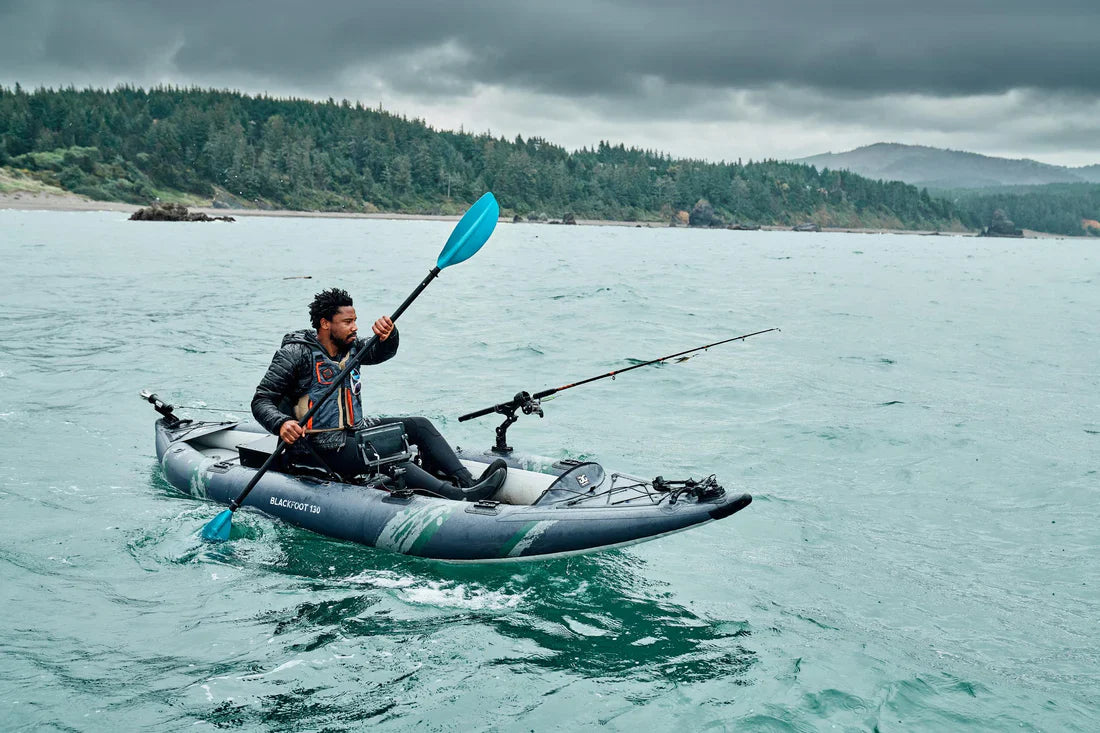
Sit-in kayaks feature an enclosed cockpit design that places the paddler inside the hull of the vessel. This classic kayak configuration has been favored by enthusiasts for generations and remains exceptionally popular for a wide range of water activities, from peaceful lake excursions to demanding ocean expeditions.
Advantages
Weather Protection: The enclosed cockpit shields paddlers from wind, rain, splashing water, and cold temperatures. Adding a spray skirt creates an even more effective barrier against the elements, keeping you warm and dry during cooler outings.
Superior Paddling Efficiency: With a lower center of gravity, sit-in kayaks deliver enhanced stability and control. This design promotes proper paddling technique and body mechanics, making them particularly efficient for covering longer distances without excessive fatigue.
Generous Storage Capacity: The internal hull provides substantial dry storage space for equipment, supplies, and personal belongings. This protected compartment keeps sensitive items safe from water exposure, making these kayaks excellent choices for extended trips.
Rough Water Performance: The streamlined hull design cuts through waves and handles turbulent conditions with confidence. Sit-in kayaks deliver a smoother, more controlled ride when navigating choppy waters or challenging currents.
Considerations
Entry and Exit Challenges: Getting in and out of a sit-in kayak requires more coordination and practice, particularly for newcomers or paddlers in deeper water. This learning curve can feel limiting initially but becomes second nature with experience.
Restricted Movement: The enclosed seating position limits your ability to shift around or stretch during longer paddling sessions. Some paddlers find the confined space uncomfortable, especially on extended journeys.
Capsize Recovery: While generally stable vessels, recovering from a capsize requires specific self-rescue skills like the Eskimo roll. Paddlers should invest time learning these techniques for safe operation in various conditions.
Sit-On-Top Kayaks

Sit-on-top kayaks position the paddler on an open deck surface rather than within an enclosed cockpit. This accessible design has surged in popularity among recreational paddlers, anglers, and warm-weather enthusiasts who appreciate the freedom and simplicity this style provides.
Advantages
Effortless Access: The open deck makes getting on and off remarkably simple, welcoming beginners, individuals with mobility considerations, and anyone who values quick transitions between water and shore.
Freedom of Movement: Without cockpit walls restricting you, these kayaks allow paddlers to shift positions, stretch their legs, and even dangle feet in the water. This flexibility proves especially comfortable during extended outings.
Self-Draining Design: Integrated scupper holes allow water to drain automatically from the deck. This innovative feature means the kayak essentially bails itself, eliminating concerns about taking on water and making these vessels nearly impossible to swamp.
Warm Weather Excellence: The open configuration keeps paddlers cool under the sun, and hopping in for a refreshing swim couldn't be easier. Simply slide off, enjoy the water, and climb back aboard without hassle.
Considerations
Weather Exposure: The open design leaves paddlers vulnerable to splashing waves, rain, and wind. Cooler conditions can become uncomfortable quickly without the protection an enclosed cockpit offers.
Reduced Paddling Efficiency: Generally wider and featuring a higher center of gravity, sit-on-top kayaks require more energy to propel. Distance paddling can feel more demanding compared to streamlined sit-in alternatives.
Limited Protected Storage: While many models include storage wells, gear remains more exposed to water and elements than in sit-in designs. Waterproof bags become essential for protecting valuable equipment.
Challenging Conditions Performance: Rough water and strong currents can prove more difficult to navigate. These kayaks tend to ride over waves rather than slicing through them, creating a bumpier experience in turbulent conditions.
Ready to Start Your Kayaking Adventure?
Vibe Yellowfin 120 KayakMaking Your Decision
Both sit-in and sit-on-top kayaks deliver unique experiences on the water. Sit-in kayaks excel at providing element protection, paddling efficiency, ample storage, and superior performance in demanding conditions—making them outstanding choices for cooler climates, touring adventures, and serious distance paddling. Sit-on-top kayaks shine through their accessibility, freedom of movement, self-draining convenience, and suitability for warm-weather recreation and beginners.
When selecting between these two styles, reflect on where you'll paddle most frequently, what weather conditions you'll encounter, your comfort priorities, and your experience level. The perfect kayak aligns with your paddling aspirations and provides the most rewarding experience on the water for years to come.