


 Damage
  Loss
Loss  Theft
Theft 


Evaporative Coolers: Nature-Inspired Cooling for Dry Climates
An evaporative cooler—often called a swamp cooler, desert cooler, or wet-air cooler—is a device that chills surrounding air through the natural process of water evaporation. Unlike a conventional refrigeration-based air conditioner, it relies on the temperature drop produced when liquid water transitions into vapor, delivering significantly cooler indoor air while consuming a fraction of the electricity.
The underlying physics are simple yet remarkably effective. Warm, dry air is drawn across wetted pads or media, water absorbs energy from the passing air stream to change state, and the result is a cooler, more humid breeze flowing into the living space. This method works best in climates with low relative humidity, where the air still has capacity to absorb additional moisture.
How Evaporative Cooling Works
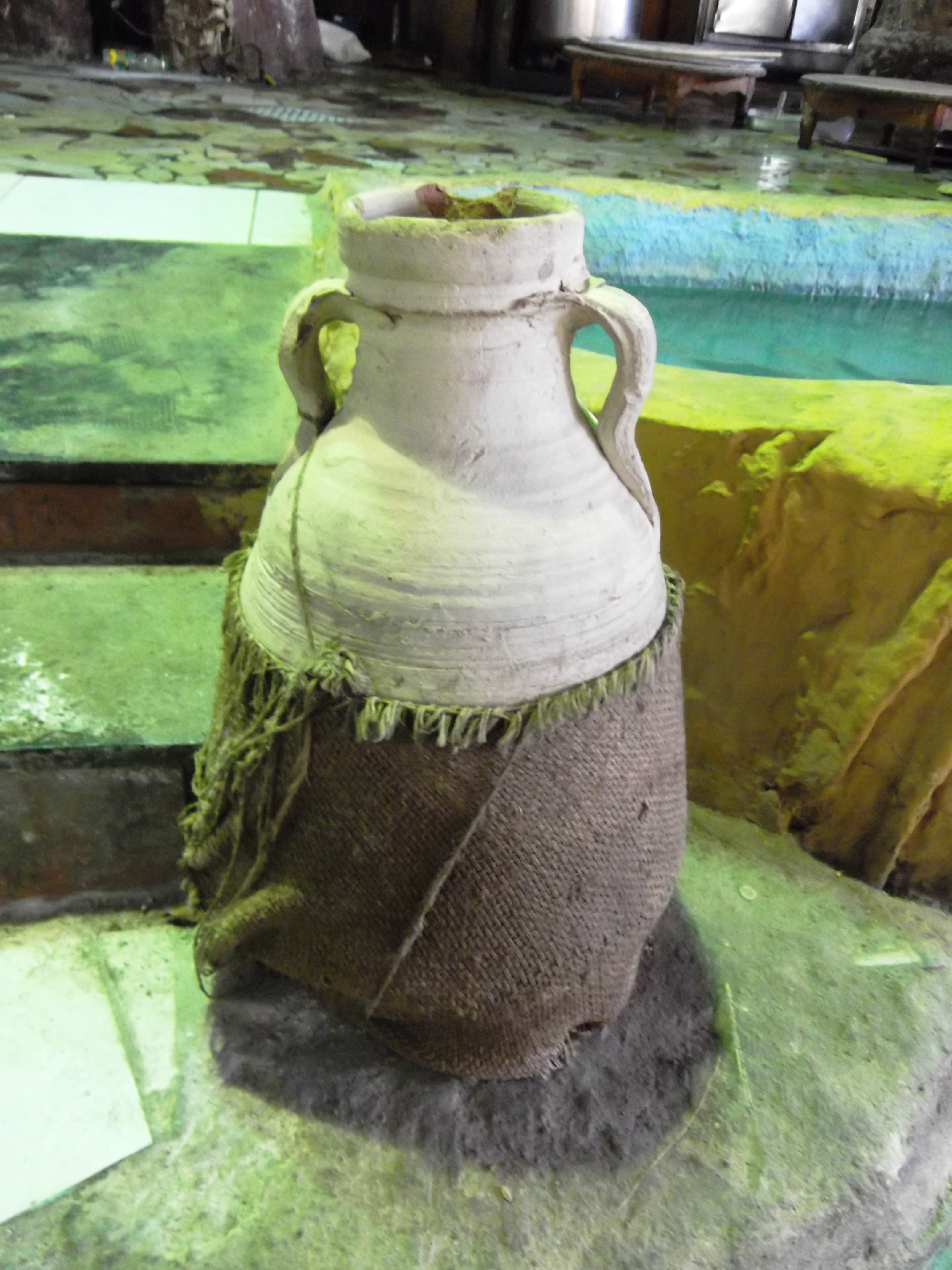
The operating concept dates back thousands of years. Ancient civilizations across the Middle East, Egypt, and the Indian subcontinent hung wet reed mats or cloth in windows and doorways, using breezes to push cooler, moisture-laden air indoors. The same principle governs today's mechanical units, though the engineering has advanced considerably.
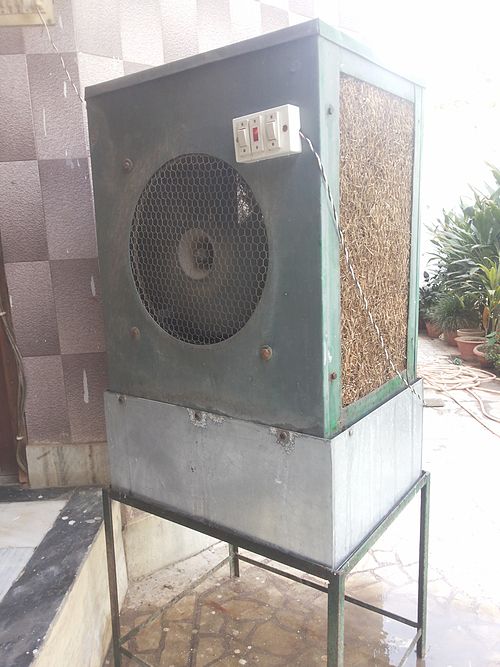
In a modern unit, a fan draws exterior air through saturated cooling pads. As the water within those pads evaporates, it absorbs heat from the air passing over it, a process known as the latent heat of vaporization. The temperature of the delivered air can drop by 15 to 40 degrees Fahrenheit depending on how dry the intake air is.
Quick takeaway: Evaporative coolers shine in hot, arid conditions. The drier the outdoor air, the greater the cooling effect they can produce.
The Thermodynamic Basis
Water absorbs a large amount of energy as it evaporates—roughly 2,260 kilojoules per kilogram at standard atmospheric pressure. That energy has to come from somewhere, and in an evaporative cooler, it is drawn directly from the surrounding air, lowering its temperature in the process. Engineers describe this with two temperature measurements: the dry-bulb temperature, which is what a standard thermometer reads, and the wet-bulb temperature, which reflects the theoretical minimum an evaporative system can reach.

Direct Evaporative Cooling
A direct evaporative cooler is the most common residential configuration. Outside air is pulled through wet pads—typically constructed from aspen fibers or rigid cellulose media—by an electric blower or axial fan. As the air passes through, it picks up moisture and loses heat simultaneously, exiting the unit as a cool, humidified stream that is then circulated into the room.
Because the system continually adds moisture, windows or vents must remain partially open so the humidified air can flow through the space and exit. This continuous airflow is essential to prevent the indoor humidity from climbing to uncomfortable levels.
Common Installations
- Rooftop-mounted whole-house units that distribute cool air through existing ductwork.
- Window-mounted coolers suited for single-room applications and workshop spaces.
- Portable ground-level coolers popular for patios, garages, and outdoor events.
- Industrial air-wash systems used in warehouses, greenhouses, and commercial kitchens.
Indirect Evaporative Cooling
Indirect systems address the primary limitation of the direct method—added indoor humidity. Rather than introducing moist air directly into the occupied space, an indirect unit uses a heat exchanger. One air stream is cooled through evaporation, and that cooled stream then chills a second, separate air flow that enters the building. The result is cooler indoor air without any increase in indoor moisture.
Indirect evaporative systems are frequently paired with traditional air conditioning in a two-stage configuration. The pre-cooled air entering the compressor reduces the cooling load, improving overall efficiency and extending the usable temperature range in semi-arid regions.
Climate Considerations and Efficiency
The effectiveness of any evaporative cooler is directly tied to the wet-bulb depression—the gap between the dry-bulb and wet-bulb temperatures. A wider gap means drier intake air and stronger cooling potential. In desert regions of the American Southwest, northern Mexico, Central Australia, and the Middle East, these systems routinely outperform expectations at a fraction of the energy cost of mechanical refrigeration.
| Relative Humidity | Outdoor Temp (°F) | Expected Output (°F) | Comfort Rating |
|---|---|---|---|
| 10% | 100 | 68–72 | Excellent |
| 25% | 100 | 76–80 | Very Good |
| 50% | 95 | 85–88 | Moderate |
| 70% | 90 | 87–89 | Minimal |
Advantages Over Refrigerant-Based Cooling
Lower Energy Use
Evaporative units typically consume only 15–35% of the electricity required by a comparable compressor-driven air conditioner of equivalent cooling capacity.
Simpler Mechanics
With a fan, pump, and cooling pads as the only major components, maintenance is straightforward and replacement parts remain inexpensive.
Cleaner Indoor Air
Continuous fresh air exchange, combined with dust-trapping pads, helps reduce airborne particulate and allergen concentrations indoors.
No Refrigerants
These systems use only water and air—no hydrofluorocarbons or other refrigerant gases that contribute to atmospheric ozone depletion or global warming.
Added Humidity Benefit
In parched desert climates, the moisture introduced by the cooler can soothe dry skin, reduce static buildup, and protect wooden furnishings from cracking.
Lower Purchase Cost
Entry-level whole-home evaporative systems generally run at about half the upfront price of a comparable refrigerant-based central air unit.
Applications Beyond the Home
While residential use gets most of the attention, evaporative cooling plays a significant role in commercial and industrial environments. Poultry houses, greenhouses, welding shops, foundries, and data centers all rely on evaporative technology in various forms. In large-scale thermal power plants, cooling towers use the same principle to dissipate heat from condenser water, releasing the recovered energy into the atmosphere as water vapor.
Outdoor venues—patios, sports arenas, amusement parks, and construction sites—often deploy misting systems and portable coolers to keep crowds and crews comfortable during hot, dry stretches. Agricultural operations use them to regulate barn temperatures for livestock and to maintain humidity levels in crop storage buildings.
Pad Materials and Construction
The cooling pad is the heart of any evaporative unit, and material selection directly affects both performance and maintenance frequency. Three families of materials dominate the market:
- Aspen wood fibers: The traditional choice. Inexpensive, widely available, and effective, but they degrade over a single season and require annual replacement.
- Rigid cellulose media: Manufactured in thick, corrugated sheets (commonly 8 or 12 inches deep). They provide higher saturation efficiency—often exceeding 85%—and last several seasons before replacement.
- Synthetic fiber pads: Resistant to mold, mildew, and mineral buildup, making them a practical choice for regions with hard water.
Maintenance and Water Quality
Routine upkeep is what separates a cooler that lasts a decade from one that fails within three seasons. Mineral scale from hard water is the primary culprit behind performance loss, and a bleed-off valve or automatic purge pump helps flush accumulated deposits before they can clog pads and passages.
Recommended Maintenance Schedule
- Drain and flush the reservoir at the start of every cooling season.
- Inspect pads monthly during active use; replace aspen pads yearly and rigid media every three to five years.
- Lubricate blower bearings and belt-drive components according to the manufacturer's service schedule.
- Treat persistent hard-water regions with an in-line scale inhibitor or softener.
- Before winter storage, fully drain the water system and cover the unit to keep out debris and pests.
Pairing Cooling With Proper Ventilation
Any evaporative system performs only as well as the ventilation surrounding it allows. Sufficient exhaust pathways keep moist indoor air moving out of the building, preventing the humidity buildup that could otherwise undercut cooling performance. In kitchens, workshops, and enclosed outdoor living spaces, a dedicated high-capacity blower or range hood can work alongside an evaporative cooler to keep air fresh, balanced, and comfortable.
For demanding kitchen environments—especially those with professional-grade cooktops or downdraft range systems—an inline blower with ample CFM capacity becomes essential. It clears smoke, steam, and cooking odors quickly, maintaining the air quality that makes comfortable cooling possible in the first place.
Boost Your Kitchen's Airflow Performance
Pair your cooling strategy with a high-capacity inline blower engineered for serious kitchen ventilation. The Viking VDVI600 delivers 600 CFM of quiet, reliable air movement—ideal for Viking downdraft and range hood systems in homes where comfort and cooking performance both matter.
Shop Viking VDVI600 BlowerLimitations to Keep in Mind
Evaporative cooling is not a universal solution. In humid coastal climates or during monsoon seasons, the surrounding air is already saturated, leaving little room for additional moisture absorption. Under those conditions, a unit may move air comfortably but will not produce meaningful temperature reduction. Homeowners in mixed climates often pair evaporative systems with compressor-based air conditioning, switching modes seasonally to match prevailing conditions.
Water consumption is another consideration. A whole-house unit running during peak summer heat can use between 3 and 15 gallons of water per hour depending on size and saturation rate. In drought-prone areas, that figure factors directly into household resource planning.
Final Thoughts
Evaporative cooling remains one of the most energy-efficient, environmentally friendly, and mechanically simple methods available for bringing down indoor temperatures in dry climates. When paired with the right ventilation equipment and maintained consistently, a properly sized unit delivers reliable, affordable comfort across garages, outdoor kitchens, workshops, and entire residences.
For homeowners planning a backyard living upgrade or a professional-grade outdoor kitchen, combining thoughtful cooling choices with high-performance ventilation creates a space that is comfortable, functional, and built to last through the hottest months of the year.
In summary: Choose evaporative cooling when your climate is dry, your energy bills are a concern, and simple, long-lasting equipment appeals to you. Reinforce the system with proper ventilation, stay on top of seasonal maintenance, and the results will reward you season after season.