


 Damage
  Loss
Loss  Theft
Theft 


5 Essential Wine Cellar Cooling Systems and Their Functions
Achieving the ideal conditions for wine storage requires more than just finding a cool spot in your home. The primary objective of any wine cellar cooling system is maintaining consistent temperature and humidity levels throughout the year. Without proper climate control, fluctuations can wreak havoc on your valuable collection, affecting taste, aroma, and overall quality.
Wine storage has evolved significantly beyond simple basement racks. Modern cooling technology allows collectors to create professional-grade environments virtually anywhere. This means a wine cellar can be established in spaces previously considered unsuitable, from converted closets to custom-built rooms.
At the foundation of every effective wine cellar lies the cooling unit itself, which maintains temperatures between 55-58°F consistently. Combined with proper insulation and vapor barriers, these systems protect your investment around the clock. Understanding your options ensures you select equipment that matches your specific needs and space requirements.
Through-The-Wall Wine Cellar Cooling Systems
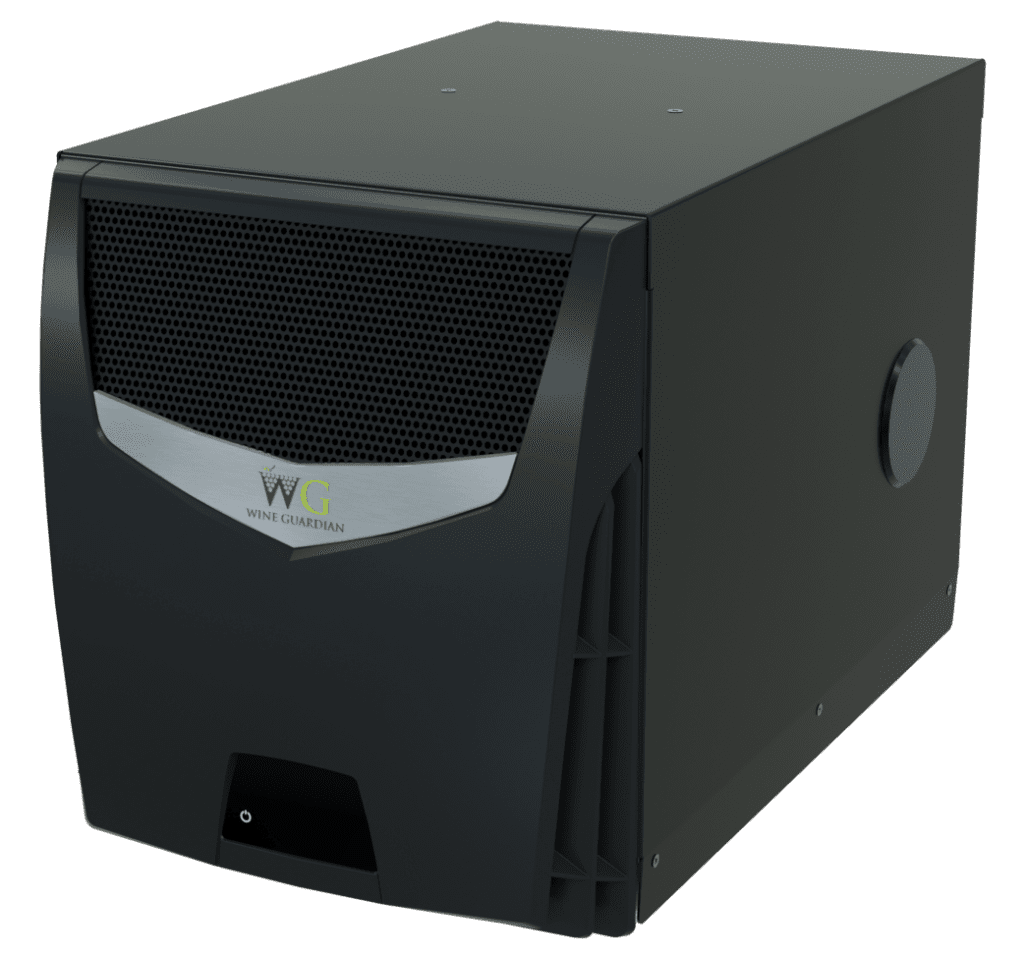
Through-the-wall cooling units represent the most accessible and economical option for wine enthusiasts entering the world of proper wine storage. These self-contained systems install directly into a wall opening, creating a straightforward solution that handles both cooling and ventilation simultaneously.
A through-the-wall unit functions similarly to a compact window air conditioner, featuring all components housed within a single enclosure. The front portion faces into your cellar space, releasing cool air while absorbing warmth. Meanwhile, the rear section expels heat and condensation into an adjacent room that must remain climate-controlled.
These units excel in maintaining steady temperatures while keeping installation complexity minimal. Despite their straightforward design, they deliver reliable performance suitable for small to medium collections without requiring professional HVAC expertise for setup.
For collectors who appreciate hands-on projects or prefer budget-friendly solutions, through-the-wall systems offer an excellent starting point for creating a dedicated wine storage environment.
Ducted Wine Cellar Cooling Systems
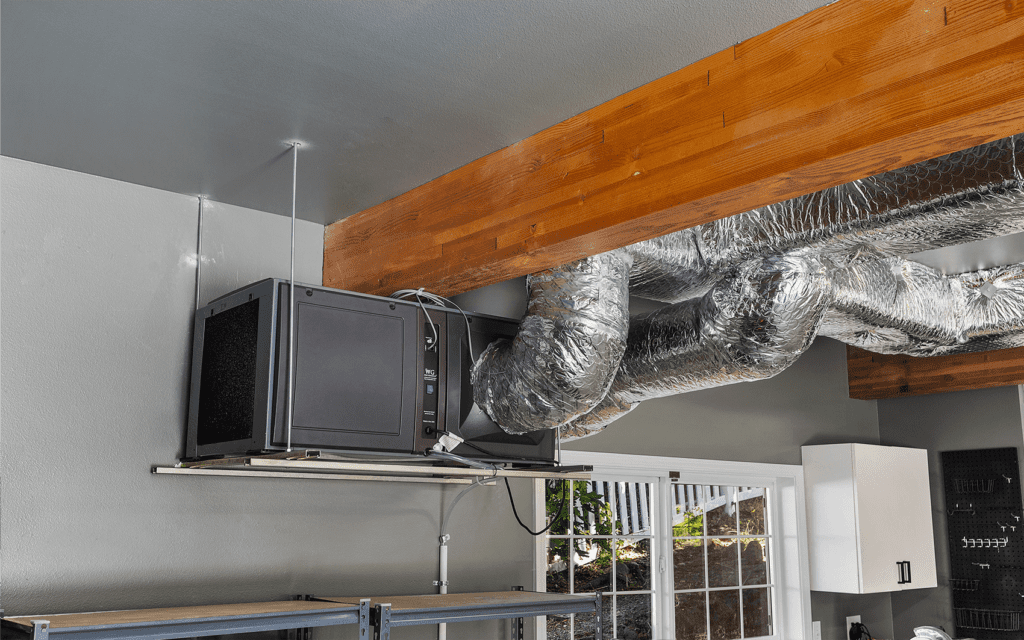
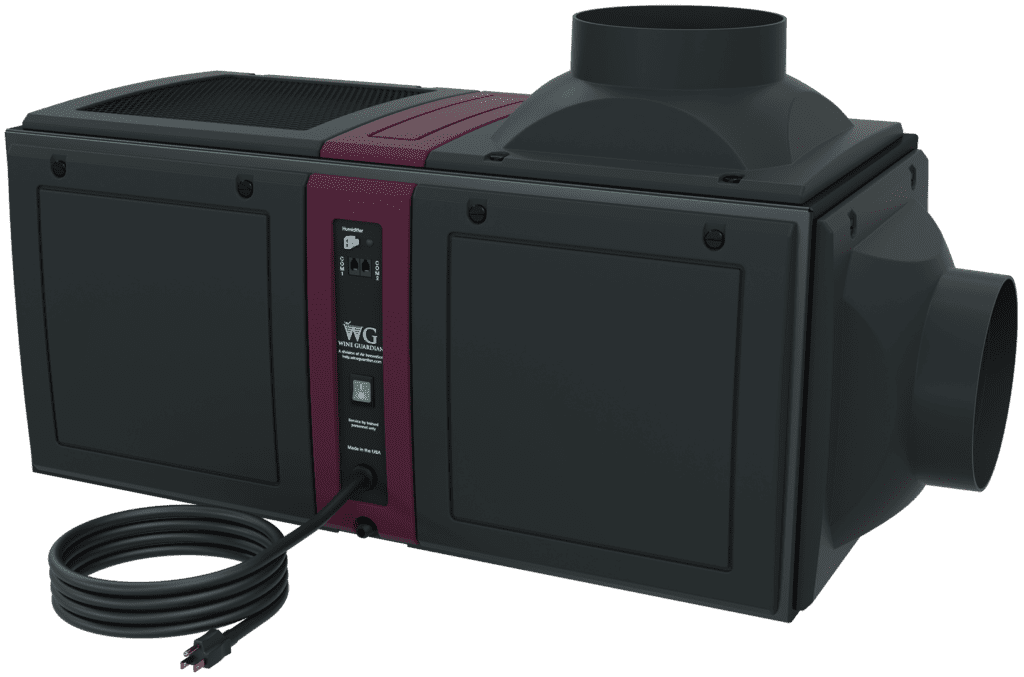
Similar to through-the-wall models, ducted wine cellar cooling systems contain all essential components within a unified housing. The key distinction lies in their connection method: these units utilize flexible ductwork to channel conditioned air into your cellar space.
The equipment itself typically occupies space outside the cellar proper, whether in an adjacent utility area, basement section, or mechanical room. Insulated ducts transport cooled air into the wine storage area while separate ducting handles return air and heat exhaust.
This configuration proves particularly valuable when wall penetration presents challenges or when you prefer keeping mechanical equipment hidden from view. Ducted systems accommodate larger cellar spaces effectively, providing even temperature distribution throughout the storage area.
Several ducted options include integrated humidity management, advanced digital controls, and optional heating elements for environments where temperatures might drop below optimal levels during winter months.
Ducted Split Wine Cellar Cooling Systems
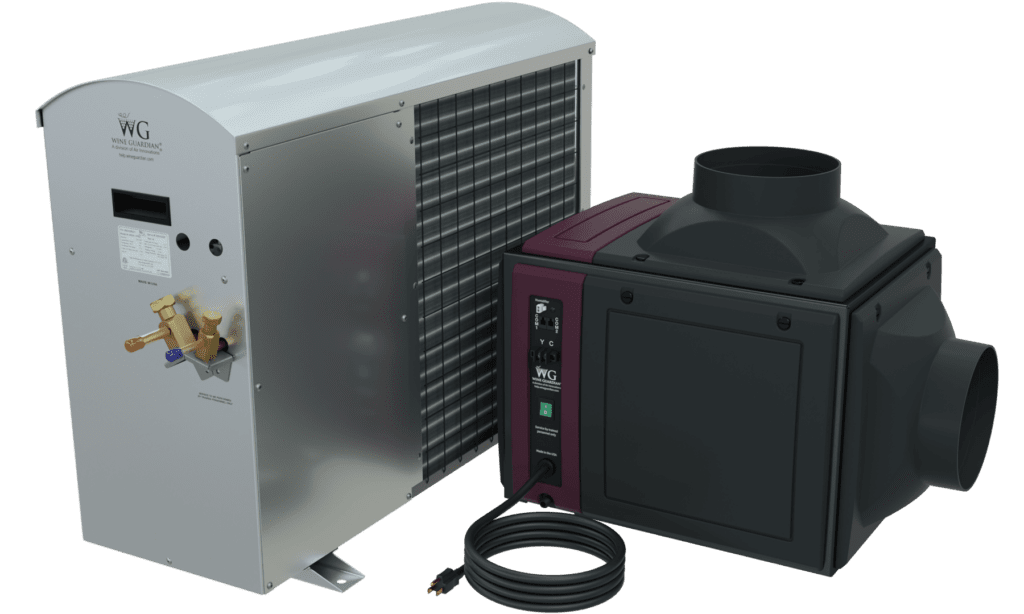
Ducted split systems elevate wine cellar climate control by separating the evaporator and condenser units. This two-piece configuration places the evaporator section indoors while positioning the condenser unit externally, eliminating the need for venting heat into conditioned living spaces.
When mounted externally, these systems operate more quietly within your cellar environment, creating a peaceful atmosphere for enjoying your collection. The split design also enables installation flexibility, accommodating various architectural constraints that might limit other cooling options.
Professional installation becomes essential with ducted split systems, as refrigerant lines must connect the separated components properly. However, this investment delivers superior performance for larger collections and challenging installation scenarios.
Wine collectors managing substantial inventories or those designing custom cellar spaces often select ducted split cooling for its combination of power, flexibility, and operational refinement.
Ductless Split Wine Cooling Systems
When available space restricts ductwork installation, ductless split systems provide an elegant alternative. These configurations maintain the separated evaporator-condenser arrangement while eliminating the need for air ducts entirely.
Mini-ductless units feature sleek evaporator housings that mount directly within the cellar space. These compact indoor units connect to exterior condensers via small refrigerant lines requiring only minimal wall penetration, preserving your cellar's aesthetic while delivering powerful climate control.
The streamlined installation process makes ductless splits particularly attractive for retrofit projects or wine rooms carved from existing spaces. Without bulky ductwork requirements, these systems integrate seamlessly into virtually any architectural configuration.
Modern ductless models incorporate sophisticated temperature and humidity sensing technology, maintaining cellar conditions with remarkable precision while operating efficiently across varying ambient conditions.
Cabinet Cooling Systems
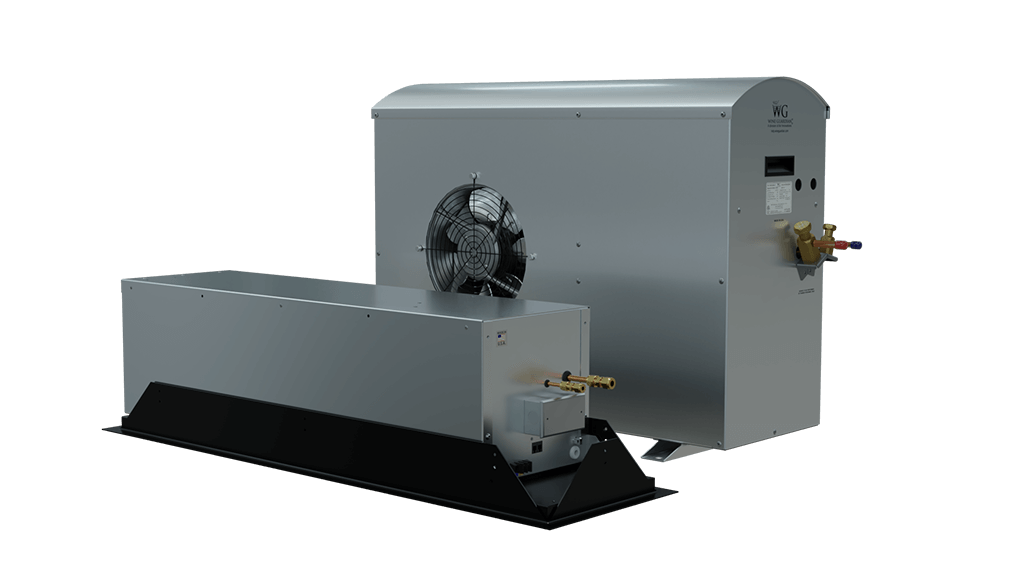
Wine cabinet cooling units offer specialized solutions designed specifically for built-in wine storage furniture and display cases. These precision-engineered systems transform ordinary cabinetry into temperature-controlled wine preservation environments.
Compact footprints allow these cooling units to integrate directly into custom cabinetry, kitchen islands, or under-counter installations. Despite their smaller size, quality cabinet coolers maintain professional-grade temperature stability within their designated zones.
These systems prove ideal for wine enthusiasts maintaining modest collections or those desiring convenient access to properly stored bottles in living spaces. Restaurant operators and home bar designers frequently specify cabinet cooling for front-of-house wine service.
Available temperature ranges typically span from standard wine cellar conditions to slightly warmer serving temperatures, offering versatility for collectors with varying storage objectives.
Selecting Your Ideal Wine Cooling Solution
Determining which wine cellar cooling system suits your needs depends on multiple factors: available installation space, collection size, budget parameters, and aesthetic preferences all influence the optimal choice.
Through-the-wall units deliver straightforward solutions for smaller projects, while ducted systems address larger spaces requiring distributed airflow. Split configurations—whether ducted or ductless—provide premium performance and installation flexibility for discerning collectors.
Regardless of which technology you select, proper sizing remains crucial. An undersized unit struggles to maintain conditions, while oversized equipment cycles inefficiently. Consulting cooling capacity specifications ensures your system matches your cellar's actual requirements.
Featured Wine Cooling Solution
Discover professional-grade wine cellar climate control designed for serious collectors. Precision humidity and temperature management ensures your collection ages perfectly.
Wine-Mate 1500-HTD Cooling SystemProper wine storage protects your investment and enhances your enjoyment. Explore our complete selection of wine cellar cooling equipment to find the perfect solution for your collection.