


 Damage
  Loss
Loss  Theft
Theft 


Selecting the Ideal Natural Gas Standby Generator for Your Residence
Home Backup Power Advantages
Uninterrupted Fuel Access
Direct connection to municipal gas lines eliminates refueling concerns during extended outages.
Seamless Automatic Activation
Power restoration happens within seconds of detecting an outage—no manual intervention needed.
Budget-Friendly Operation
Natural gas typically costs less than gasoline or diesel, reducing your long-term operating expenses.
Why Opt for a Natural Gas Generator as Your Home Backup Solution?
When the lights go dark and storms rage outside, having dependable backup power transforms from a luxury into an absolute necessity. Natural gas standby generators have emerged as the premier choice for homeowners seeking reliable, hassle-free emergency power solutions. Unlike their gasoline or diesel counterparts, these systems tap directly into your existing natural gas infrastructure, providing an essentially limitless fuel reservoir that keeps flowing regardless of how long the outage persists.
The appeal extends far beyond mere convenience. Natural gas burns significantly cleaner than other fossil fuels, producing fewer harmful emissions while delivering consistent, dependable power output. This environmental advantage, combined with the lower fuel costs and reduced maintenance requirements, makes natural gas generators an exceptionally smart investment for forward-thinking homeowners who want protection without the ongoing headaches associated with traditional generator systems.
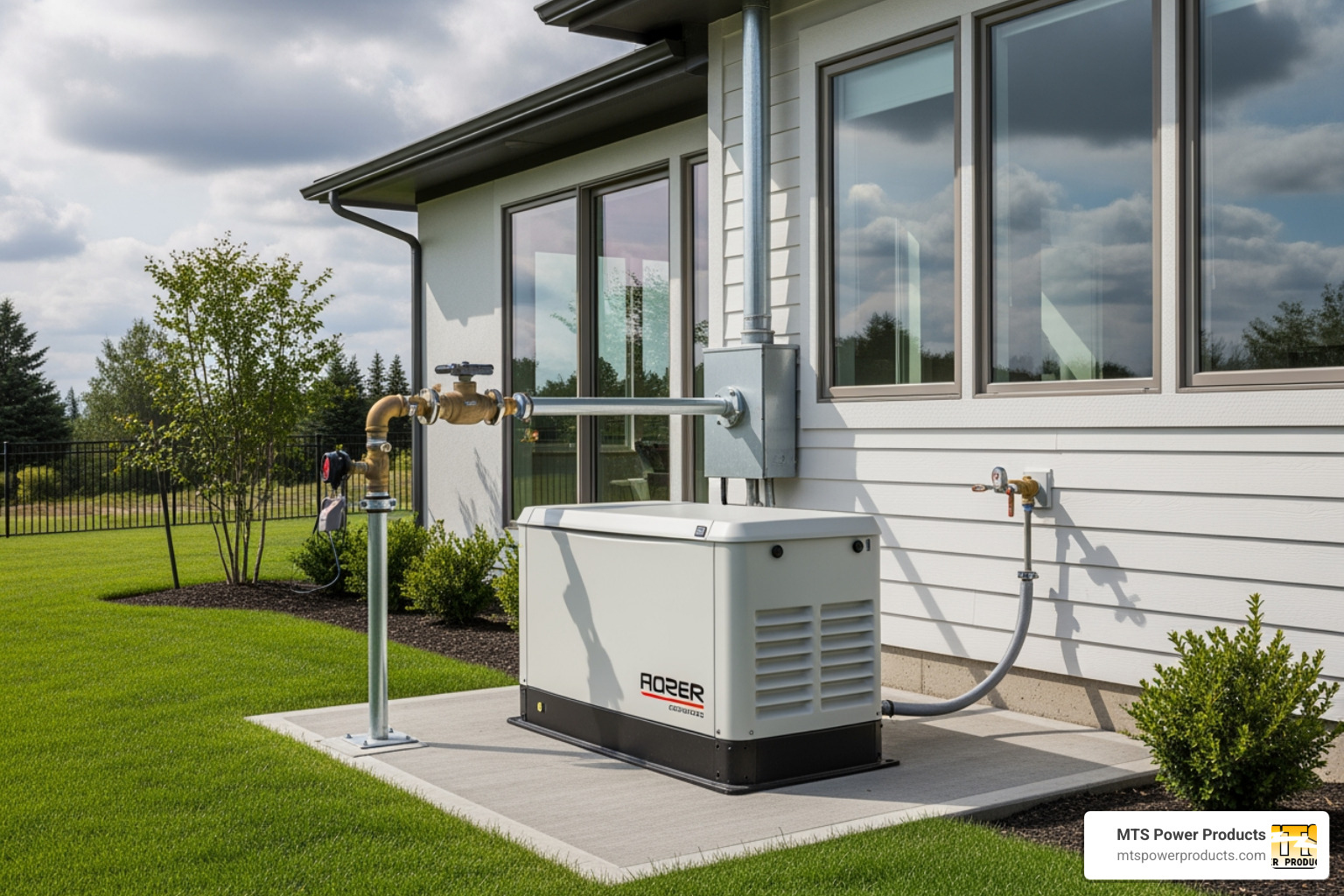
Understanding Natural Gas Generator Operation
The operational elegance of a natural gas standby generator lies in its sophisticated yet straightforward automation. An automatic transfer switch continuously monitors your home's electrical connection to the utility grid. The moment it detects a power interruption, this intelligent system springs into action, signaling the generator to start within seconds. Once the generator reaches optimal operating speed, the transfer switch seamlessly redirects your home's electrical load from the dead utility line to your generator's output.
The combustion process itself mirrors what happens in your natural gas furnace or water heater, just scaled up dramatically. Natural gas flows through your existing supply line into the generator's engine, where it mixes with air and ignites in controlled combustion cycles. This mechanical energy spins an alternator that produces clean, stable electricity suitable for powering everything from sensitive electronics to heavy appliances. When utility power returns, the system automatically reverses the process, transferring your home back to grid power and shutting down the generator until needed again.
Environmental and Economic Advantages
Choosing natural gas power generation represents a commitment to both environmental responsibility and financial prudence. Natural gas combustion produces substantially lower carbon dioxide emissions compared to gasoline or diesel engines, and virtually eliminates the particulate matter and sulfur compounds that contribute to air quality degradation. For homeowners concerned about their environmental footprint, this cleaner-burning fuel option offers a meaningful way to maintain modern comforts while minimizing ecological impact.
The financial benefits compound over time in ways that many homeowners find surprisingly substantial. Natural gas prices have historically demonstrated greater stability than petroleum-based fuels, shielding you from the price volatility that can make running a gasoline generator prohibitively expensive during extended outages. Furthermore, the cleaner combustion process means less carbon buildup in the engine, translating to reduced maintenance costs and extended equipment lifespan. Many homeowners also discover that installing a whole-home generator can boost their property value significantly, making it an investment that pays dividends whether you stay or sell.

Choosing the Perfect Natural Gas Generator for Your Home
Selecting the right natural gas generator requires careful consideration of your specific power requirements, household size, and the critical systems you need to keep running during an outage. The process begins with understanding your home's electrical demands and ends with matching those needs to the appropriate generator capacity, ensuring you have sufficient power without overspending on unnecessary capacity.
Sizing Your Generator: Essential Circuits to Complete Coverage
Determining the proper generator size starts with cataloging every electrical load you want to protect during an outage. Begin by listing your essential circuits—refrigerator, freezer, sump pump, and basic lighting—then expand to include comfort systems like heating and cooling equipment, water heaters, and well pumps if applicable. Each appliance contributes to your total power requirement, measured in kilowatts (kW) or watts.
For most households, generator sizing falls into predictable categories based on coverage goals:
Essential Coverage (7-10 kW)
Powers refrigeration, lighting, select outlets, and sump pump—ideal for brief outages or budget-conscious installations.
Managed Coverage (11-16 kW)
Adds heating/cooling systems and additional circuits through load management technology for broader protection.
Whole-Home Coverage (17-26+ kW)
Powers your entire electrical panel simultaneously, ensuring life continues normally regardless of grid status.
Essential Features in a Home Natural Gas Generator
Automatic Transfer Switch
The brain of your backup system, enabling hands-free operation that activates within seconds of detecting a power loss.
Quiet Operation Technology
Advanced sound-dampening enclosures and muffler systems keep noise levels neighbor-friendly during extended operation.
Weather-Resistant Enclosure
Durable aluminum or steel housing protects internal components from rain, snow, humidity, and temperature extremes.
Mobile Monitoring Capability
Smartphone connectivity allows remote status checks, maintenance alerts, and operational data tracking from anywhere.
Load Management System
Intelligent prioritization technology staggers startup loads and manages power distribution across multiple circuits.
Extended Warranty Protection
Quality manufacturers back their products with comprehensive coverage spanning five years or more on major components.
Leading Natural Gas Generators Available Today
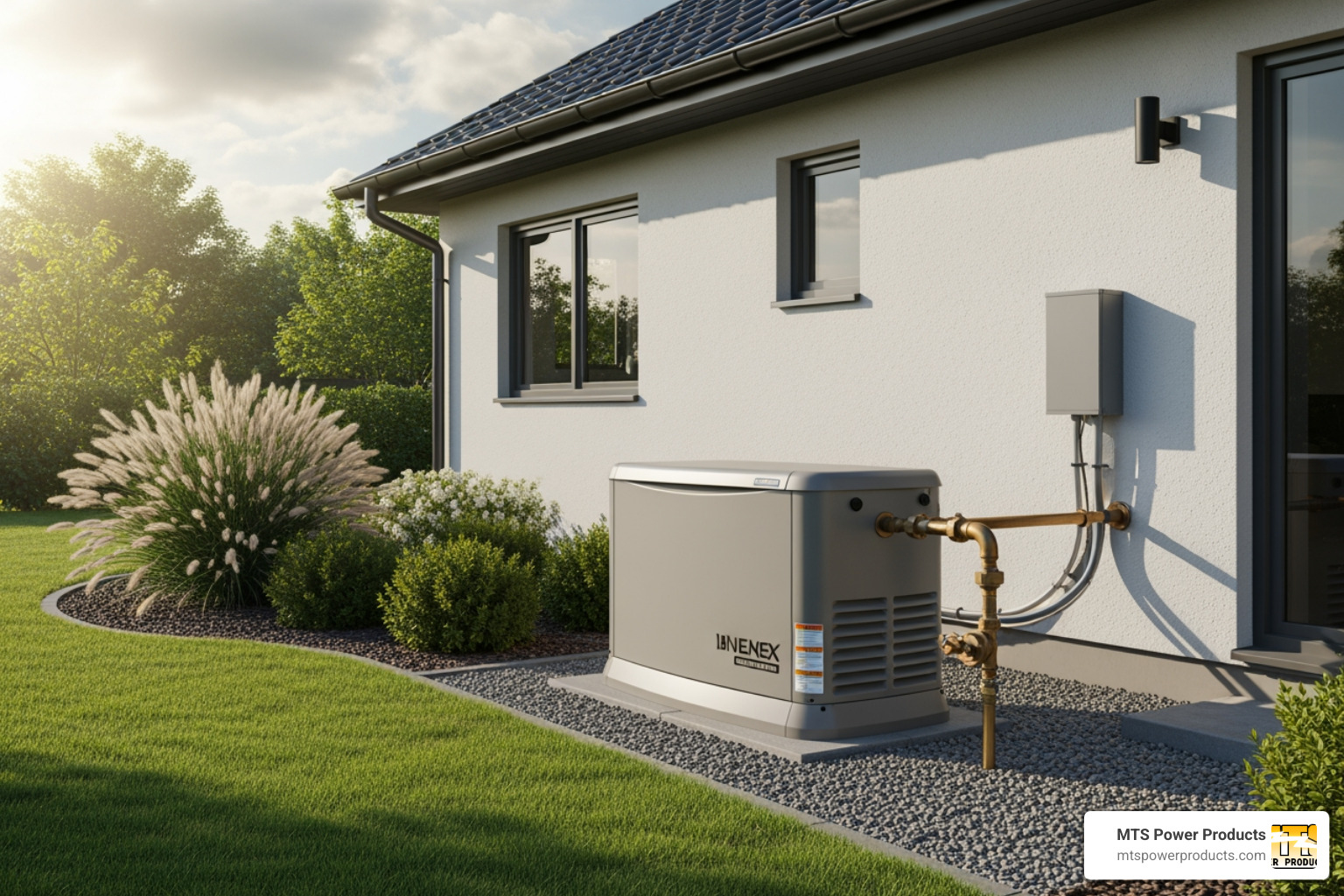
Premium Whole-Home Solutions: Generac Guardian Series
The Generac Guardian line has earned its reputation as the industry benchmark for residential standby power. Available in capacities ranging from 10kW to 26kW, these units feature proprietary G-Force engines engineered specifically for generator duty, True Power electrical technology for clean, stable output safe for sensitive electronics, and Mobile Link remote monitoring as standard equipment. The Guardian series offers exceptional value with industry-leading warranty coverage and widespread dealer support networks.
Engineered for Dependability: Kohler Standby Generators
Kohler brings over a century of power engineering expertise to its standby generator lineup. Their corrosion-resistant enclosures withstand the harshest coastal and industrial environments, while premium commercial-grade engines deliver the reliability that critical facilities demand. Kohler's PowerBoost technology maximizes starting capability for demanding motor loads, and their industry-exclusive five-year comprehensive warranty demonstrates confidence in long-term performance.
Maximum Flexibility: Tri-Fuel Portable Generator Options
For homeowners seeking versatility alongside natural gas capability, tri-fuel portable generators offer compelling advantages. These units accept gasoline, propane, and natural gas, providing fuel flexibility that proves invaluable during widespread emergencies when one fuel source may become unavailable. While lacking the automatic operation of permanent standby units, quality tri-fuel generators deliver substantial power output with the option of multiple fuel sources to match whatever circumstances arise.
Featured Tri-Fuel Generator
Experience the ultimate in fuel flexibility with 13,000 watts of inverter power, electric start convenience, and CO safety monitoring built right in.
WEN TF1300iX Tri-Fuel GeneratorInstallation, Investment, and Ongoing Maintenance
The Professional Installation Process
Installing a natural gas standby generator requires coordination between multiple skilled trades and strict adherence to local building codes. The process typically begins with a site assessment where a qualified installer evaluates your electrical panel capacity, natural gas line sizing, and optimal generator placement location. Proper positioning must account for required clearances from windows, doors, and property lines, as well as ensuring adequate ventilation for the unit during operation.
The installation itself involves pouring a concrete pad, running a dedicated gas line from your meter, installing the automatic transfer switch at your electrical panel, and connecting all systems according to manufacturer specifications. Most residential installations require permits from both electrical and plumbing/gas authorities, and final inspection ensures everything meets code requirements. Plan for the complete process to span several days to a few weeks depending on permit processing times and installer scheduling.
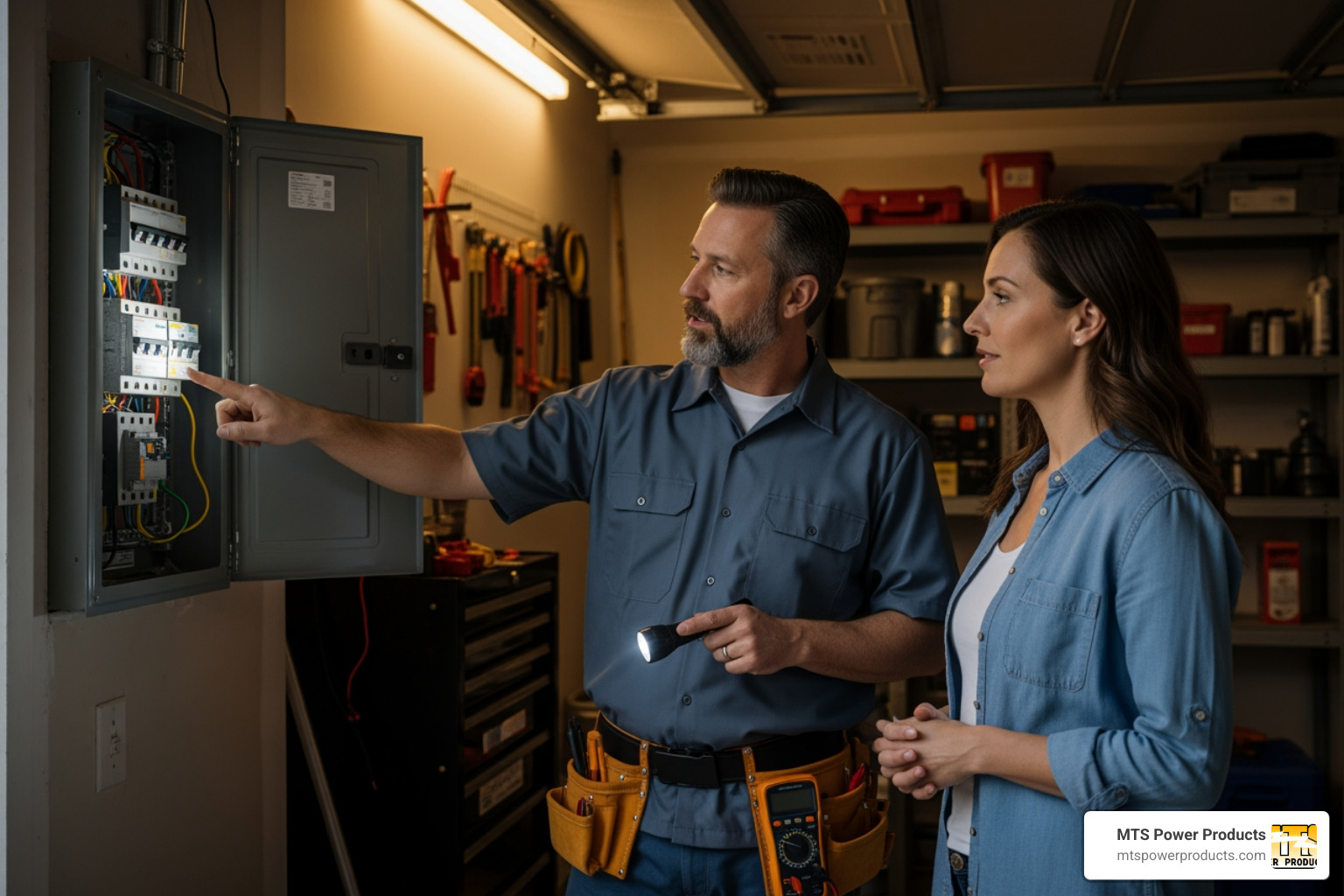
Understanding Total Investment and Maintenance Costs
Total investment for a natural gas standby generator system varies considerably based on power capacity, brand selection, and installation complexity. Equipment costs typically range from $3,000 for entry-level units to $15,000 or more for premium whole-home systems. Professional installation adds another $3,000 to $10,000 depending on site conditions, gas line requirements, and electrical panel upgrades if needed. While the upfront investment is substantial, many homeowners finance their generators through home improvement loans or manufacturer financing programs.
Ongoing maintenance represents a modest but essential ongoing expense. Annual professional servicing—including oil changes, filter replacements, and comprehensive system testing—typically costs between $150 and $300. Quality generators perform automatic weekly self-tests to ensure readiness, and most modern units monitor their own condition, alerting you to maintenance needs before problems develop. Treating your generator to proper preventive care maximizes reliability and can easily extend useful life beyond 20 years.
Common Questions About Home Natural Gas Generators
What is the maximum continuous runtime for a natural gas generator?
Because natural gas flows continuously from utility infrastructure, your generator can theoretically run indefinitely—limited only by maintenance intervals rather than fuel supply. Most manufacturers recommend brief shutdowns every few days during extended outages to check oil levels and allow the engine to cool, but many units have operated continuously for weeks during major storm events without issue.
How much noise do natural gas standby generators produce?
Modern standby generators operate at remarkably subdued sound levels, typically between 60 and 70 decibels at standard measuring distance—comparable to normal conversation or a running dishwasher. Premium models with enhanced sound attenuation can achieve even quieter operation. Proper installation placement away from bedroom windows and neighboring properties further minimizes any disturbance during operation.
Will a natural gas generator activate automatically during an outage?
Absolutely—automatic operation defines the standby generator category. The integrated automatic transfer switch monitors utility power continuously, detecting interruptions within seconds. Once triggered, the generator starts, warms briefly, then assumes your home's electrical load through the transfer switch. The entire transition from grid power to generator power typically completes in under 30 seconds, often faster. When utility power returns, the system automatically reverses the process and returns to standby mode.
Safeguard Your Home with Reliable Backup Power
Investing in a natural gas standby generator means investing in your family's comfort, safety, and peace of mind. Whether you need basic essential coverage or whole-home protection, the right generator transforms power outages from emergencies into minor inconveniences. Explore our selection of quality generators and backup power solutions to find the perfect fit for your home and budget.