


 Damage
  Loss
Loss  Theft
Theft 


Inverter Generator vs. Generator: Which Is the Best Choice for You?
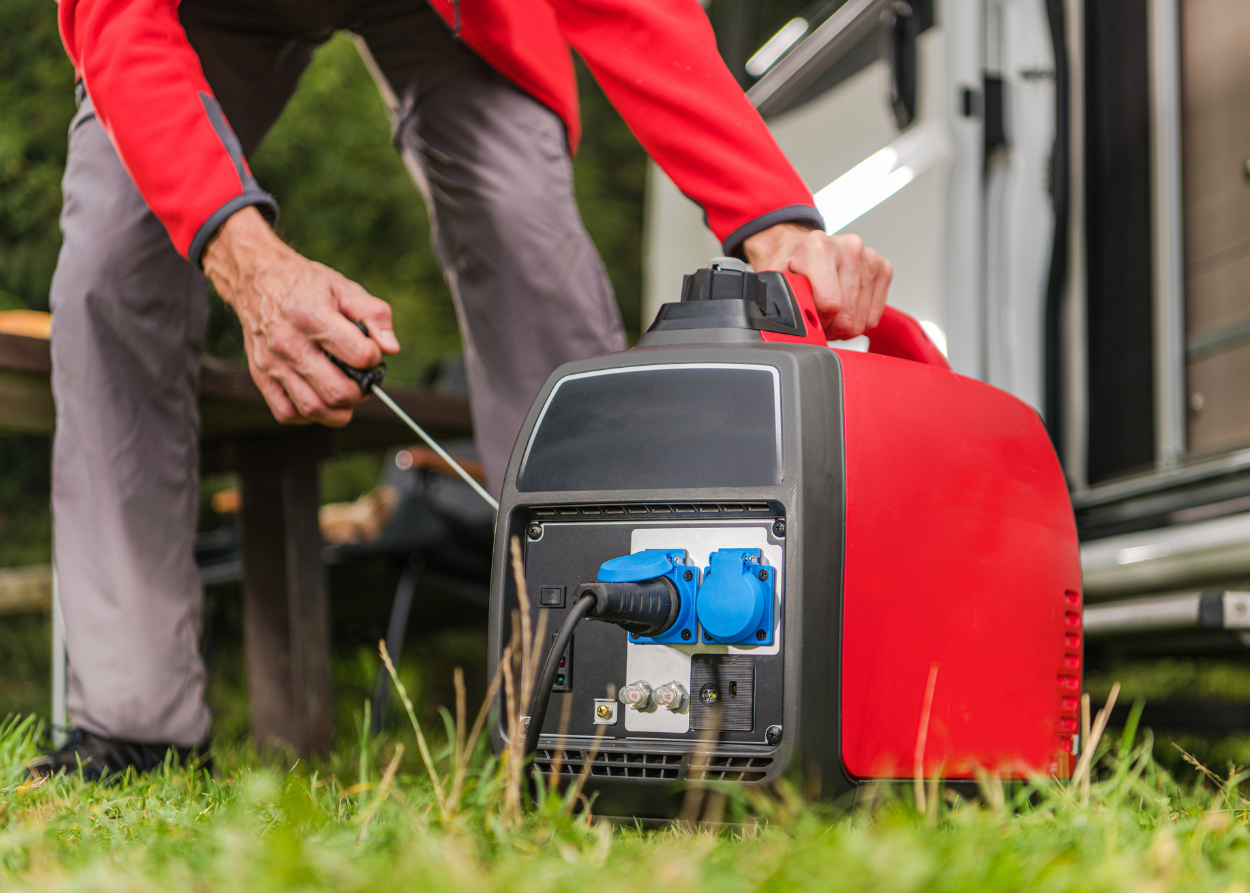
Portable power solutions have become essential equipment for homeowners, outdoor enthusiasts, and professionals alike. Whether you need backup electricity during outages, power for your camping adventures, or reliable energy for job sites, understanding your options is crucial for making the right investment.
When evaluating portable power sources, the decision often comes down to two main contenders: inverter generators and conventional generators. Each type offers distinct advantages depending on your specific requirements, budget considerations, and intended applications.
This detailed comparison will walk you through everything you need to know about both technologies, helping you determine which option aligns best with your power needs and lifestyle.
What Is an Inverter Generator?
An inverter generator represents the evolution of portable power technology. Unlike traditional models, these sophisticated units produce clean, stable electricity through an advanced multi-step conversion process that makes them ideal for powering sensitive electronic devices.
The technology works by first generating high-frequency AC power, then converting it to DC, and finally inverting it back to clean AC power. This process results in electricity with minimal harmonic distortion, typically less than 3% THD (Total Harmonic Distortion), compared to the 15-25% THD common in conventional generators.
Additionally, inverter generators feature intelligent throttle systems that automatically adjust engine speed based on power demand. This eco-mode functionality significantly reduces fuel consumption and extends operational runtime, making them exceptionally efficient for variable load applications.
Benefits of an Inverter Generator
Inverter generators deliver numerous advantages that make them the preferred choice for many applications:
Ultra-Quiet Operation
Operating at noise levels as low as 50-60 decibels, inverter generators run quieter than a normal conversation. This makes them perfect for camping, tailgating, and residential neighborhoods where noise restrictions apply.
Compact & Portable
Weighing significantly less than conventional models, often under 50 pounds, inverter generators are designed for easy transport. Their compact form factor fits easily in vehicle trunks, RV storage compartments, and small spaces.
Clean Power Output
The stable sine wave output safely powers laptops, smartphones, medical devices, and other sensitive electronics without risk of damage from power fluctuations or surges.
Superior Fuel Efficiency
Automatic throttle adjustment means the engine only works as hard as needed, reducing fuel consumption by up to 40% compared to conventional generators running at constant speed.
Parallel Capability
Most inverter generators can be connected in parallel with a matching unit, effectively doubling your power capacity while maintaining portability and quiet operation.
Low Emissions
Efficient combustion and variable speed operation result in lower emissions, making inverter generators more environmentally friendly and compliant with strict emission regulations.
What Is a Conventional Generator?
A conventional generator, also known as a standard or traditional generator, operates on time-tested principles of electromagnetic induction. These workhorses of portable power have been reliably serving homes, construction sites, and emergency situations for decades.
The mechanism is straightforward: an internal combustion engine drives an alternator at a constant speed, typically 3600 RPM, to produce AC electricity directly. This constant-speed operation ensures consistent frequency output but means the engine runs at full speed regardless of the actual power demand.
Conventional generators come in various sizes and configurations, from small portable units to large standby systems. They can run on multiple fuel types including gasoline, diesel, propane, and natural gas, offering flexibility in fuel sourcing and storage.
Generator Fuel Types
Gasoline Generators
The most widely available option, gasoline generators are popular for residential and recreational use. Fuel is readily accessible at any gas station, making them convenient for everyday applications. However, gasoline has a limited shelf life and requires proper stabilization for long-term storage.
Propane Generators
Propane offers clean-burning operation with indefinite fuel storage life, making it excellent for emergency backup applications. Propane generators produce fewer emissions and require less maintenance due to cleaner combustion. The tradeoff is slightly lower power output compared to gasoline.
Dual-Fuel Generators
Combining the best of both worlds, dual-fuel models can run on either gasoline or propane. This versatility ensures you always have a fuel option available, making them ideal for emergency preparedness. Simply switch between fuels based on availability and your specific needs.
Solar Generators
While technically battery power stations charged by solar panels, solar generators offer zero-emission, silent operation. They store energy in lithium batteries and convert it through an inverter to AC power. Perfect for eco-conscious users, though limited by battery capacity and solar charging speed.
Key Differences Between Inverter and Traditional Generators
| Feature | Inverter Generator | Conventional Generator |
|---|---|---|
| Size & Weight | Compact, lightweight (typically 40-60 lbs) | Larger, heavier (often 100+ lbs) |
| Noise Level | Quiet (50-65 dB) | Loud (70-90+ dB) |
| Power Quality | Clean sine wave (< 3% THD) | Rougher power (15-25% THD) |
| Fuel Efficiency | Excellent (variable speed) | Moderate (constant speed) |
| Power Output | Usually 1,000-4,000 watts | Up to 10,000+ watts |
| Price Point | Higher initial cost | More affordable upfront |
| Maintenance | Lower maintenance needs | Regular maintenance required |
Portability
Inverter generators excel in portability with their compact, lightweight designs. Many models feature ergonomic handles and can be easily carried by a single person. This makes them ideal for camping trips, tailgating events, and recreational activities where mobility matters.
Conventional generators, while available in portable sizes, tend to be bulkier and heavier. Many require wheels or two people to move. However, for stationary applications like home backup power or construction sites, their size is less of a concern.
Power Quality & Electronics Safety
For sensitive electronics like computers, smartphones, and medical equipment, inverter generators are the clear choice. Their clean sine wave output closely mimics utility power, protecting delicate circuitry from damage caused by power fluctuations.
Conventional generators produce "rougher" electricity that's perfectly suitable for power tools, lights, and simple appliances but may cause issues with sensitive electronics over time without additional power conditioning equipment.
Noise Considerations
If quiet operation is important, inverter generators are dramatically superior. Operating at conversation-level volumes, they won't disturb neighbors, fellow campers, or your own outdoor enjoyment. Many campgrounds and residential areas have noise restrictions that only inverter generators can meet.
Conventional generators are noticeably louder, which may be acceptable for construction sites or rural properties but problematic in noise-sensitive environments.
Which Is the Right Option for You?
Selecting between an inverter generator and a conventional generator ultimately depends on your specific requirements, budget, and intended applications. Consider these scenarios to help guide your decision:
Choose an Inverter Generator if you:
Need to power sensitive electronics, value quiet operation, require portability for camping or RVing, want maximum fuel efficiency, or live in areas with noise restrictions.
Choose a Conventional Generator if you:
Need high wattage output for heavy-duty equipment, prioritize upfront cost savings, primarily power tools and simple appliances, or require whole-home backup power.
For many homeowners and outdoor enthusiasts, a quality inverter generator provides the ideal balance of portability, quiet operation, and clean power output that meets most everyday needs while being gentle on electronics and neighbors alike.
Our Top Recommendation
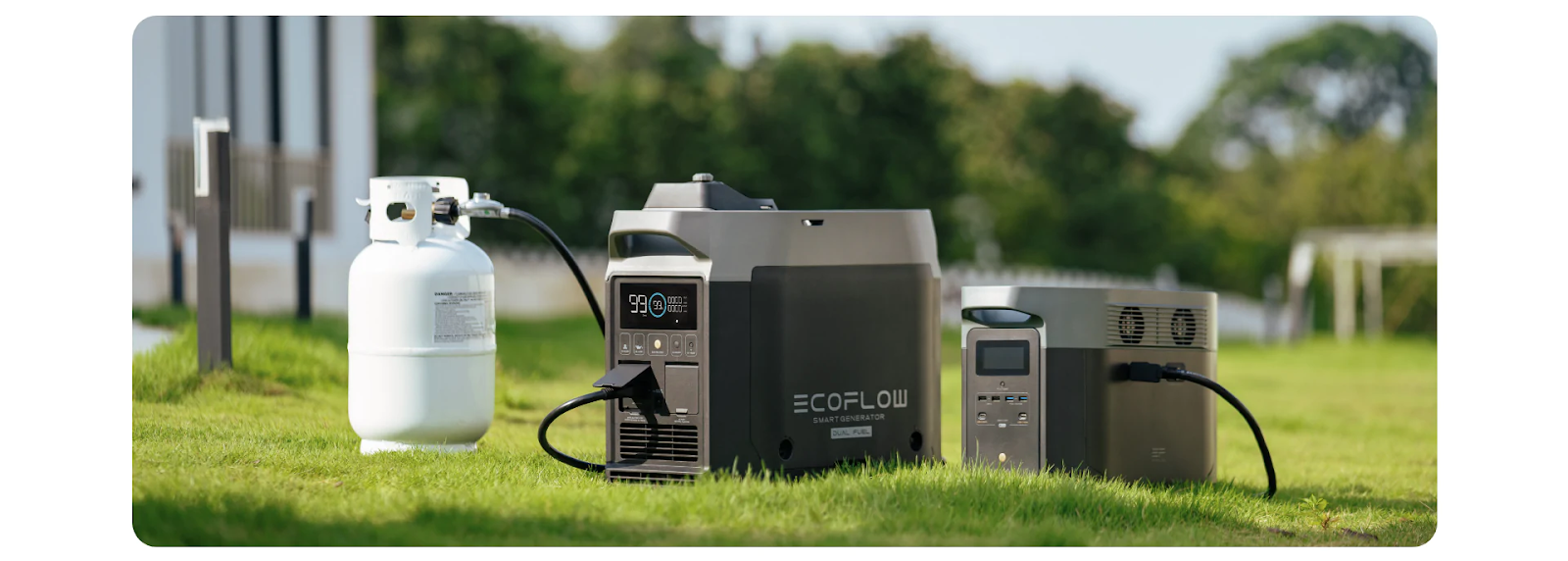
Looking for a reliable, quiet, and portable inverter generator with advanced safety features? Check out our featured product:
Final Thoughts
Both inverter generators and conventional generators serve important roles in providing portable and backup power. Understanding the strengths of each type allows you to make an informed decision that matches your specific needs.
Whether you're preparing for emergencies, planning outdoor adventures, or powering your next project, the right generator becomes an invaluable tool that provides peace of mind and reliable electricity when you need it most.