


 Damage
  Loss
Loss  Theft
Theft 


The Complete Guide to Picking the Ideal Wetsuit Thickness for Every Water Temperature
Breaking Down Wetsuit Thickness
Before you can choose the right suit, it helps to understand what thickness actually means. Wetsuit thickness is almost always listed in millimeters (mm) and refers to the layer of neoprene that insulates your body. Neoprene, a flexible synthetic rubber, is the go-to material for wetsuits thanks to its unmatched balance of warmth and stretch.
The Science Behind How Wetsuit Thickness Works
A wetsuit's job is to trap a thin layer of water between your skin and the neoprene. That trapped layer quickly warms up to your body temperature, forming an insulating shield that keeps you comfortable even in chilly conditions. The thicker the neoprene, the more heat it holds in.
Here's something many people overlook: not all neoprene is created equal. Different neoprene blends are engineered for different priorities. Some focus on ultra-stretch flexibility, while others emphasize durability, warmth, or compression resistance. When evaluating thickness, also consider what kind of neoprene is being used to get the full picture of a suit's performance.
Beyond warmth, thickness also influences how flexible and buoyant your suit feels. A thicker suit offers better insulation but can limit mobility, while a thinner suit gives you more freedom of movement at the cost of warmth.
Making Sense of the Wetsuit Thickness Chart
Most wetsuit manufacturers publish a thickness chart that pairs recommended thicknesses with specific water temperature ranges. Knowing how to read these charts is key to a smart purchase.
For instance, a 5mm wetsuit is generally suited for water between 55°F and 65°F (13°C – 18°C), while a 3/2mm suit performs best in warmer conditions above 65°F (18°C). When you see two numbers like "3/2," the first refers to the neoprene thickness around the torso and legs, and the second refers to the thinner neoprene at the arms and shoulders, where flexibility matters most.
That said, charts are guidelines — not rules. Cold tolerance varies from person to person. Some people stay toasty in a thinner suit, while others prefer an extra millimeter of warmth in the same water. It's always smart to try a few options and consult experts to dial in the right fit for your body and your sport.
Matching Wetsuit Thickness to Your Adventure
Now that you understand the fundamentals, let's get into how to pair wetsuit thickness with your favorite water activities. The right choice enhances comfort, protection, and performance — and turns a good session into a great one.
Matching Thickness to Water Temperature
Water temperature is the single most important factor. Here's a quick reference for typical thickness-to-temperature pairings:
Remember: tolerance varies. Some people need more insulation than others, so don't be afraid to experiment a little to find your sweet spot.
Other Factors That Shape Your Thickness Choice
Water temperature is the headline, but several supporting factors also shape the ideal suit for you:
Factoring all of these together ensures your wetsuit works with your body and your environment — not against it.
How Thickness Affects Performance
Now let's dig into how wetsuit thickness shapes performance across the full range of water sports.
 The Real Impact of Thickness on What You Do in the Water
Picking the right thickness can genuinely elevate your experience. For mobility-focused pursuits like surfing or paddleboarding, a thinner suit unlocks the agility you need for quick maneuvers and technical moves. On the other end, slower or cold-weather activities like diving benefit from thicker suits that prioritize insulation and cushioning.
A properly fitting suit with the right thickness should never feel like it's dragging you down. Instead, it should move with you — letting you swim, paddle, or dive efficiently, comfortably, and longer.
When choosing, always weigh your personal comfort against the water's conditions. For example, a 3mm suit might be plenty for one person in 70°F water, but another might prefer the extra assurance of a 4/3mm. Knowing your own cold response is just as important as knowing the chart.
What Else Shapes Your Thickness Decision
Beyond water temp and personal preference, two more things deserve a thought: session duration and fit. If you're only in the water for short bursts, you can generally get away with a slightly thinner suit. If you're planning long, back-to-back sessions, opt for the extra warmth.
Fit is the quiet hero here. A wetsuit that's too tight will restrict your movement and breathing, while one that's too loose will flush constantly with cold water and lose its insulating power. The perfect fit is where comfort and performance meet — and it's non-negotiable for getting real value out of your suit.
Finding the Sweet Spot: Can a Wetsuit Be Too Thick?
Absolutely. While thicker suits offer more warmth, there's a real limit before they start holding you back. An overly thick wetsuit can become stiff, restrict your paddling or swimming stroke, and actually hurt your performance in the water.
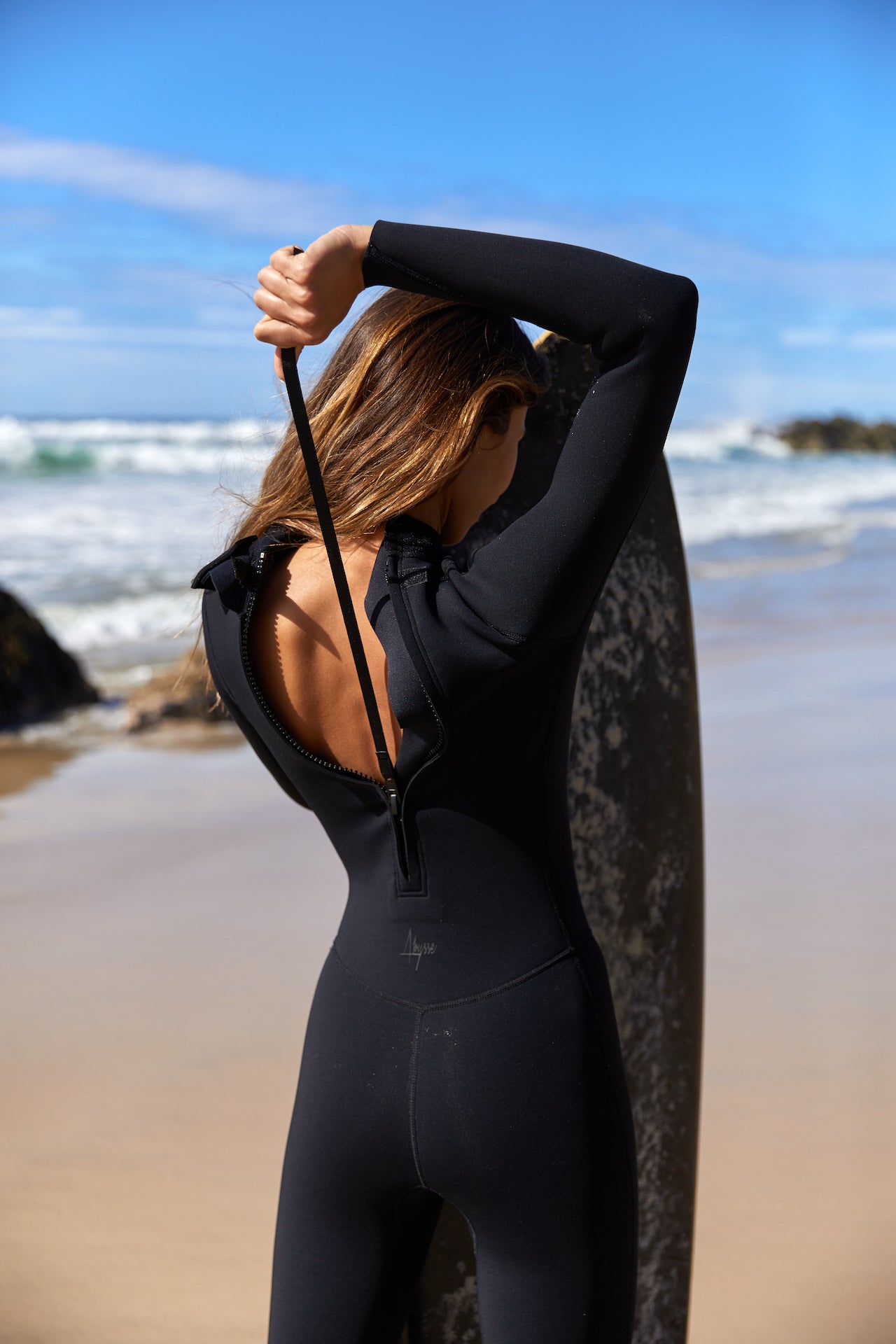 For most water temperatures, sticking to the recommended chart and factoring in your own cold tolerance will land you exactly where you need to be. Neoprene is king for a reason — but modern wetsuits also feature smart technologies like thermal linings and smooth-skin panels that boost warmth while shedding water quickly.
It's also worth looking at how a suit is built. Flatlock stitching is comfortable but lets in a bit of water, making it best for warmer conditions. Sealed and taped seams offer far better thermal protection for cold water. A proper combination of fit, thickness, and seam construction is the real recipe for a high-performing wetsuit.
Ready for a wetsuit built for serious performance and cold-water comfort?
Shop Zeagle Bare 5mm Velocity UltraWith the right thickness, the right fit, and the right gear, every session in the water becomes one worth remembering.