


 Damage
  Loss
Loss  Theft
Theft 


How to Choose a Portable Power Station
Whether you spend your weekends camping in the wilderness, tailgating at the big game, or simply want a reliable backup when the power goes out, a portable power station can be a game-changer. Equipped with versatile output options and often rechargeable via solar panels, these compact units offer a clean, quiet, and environmentally conscious way to keep your devices and appliances running anywhere you go.
If you have been thinking about investing in a portable power station, this guide will walk you through everything you need to know — from understanding why you need one, to picking the perfect size for your lifestyle.
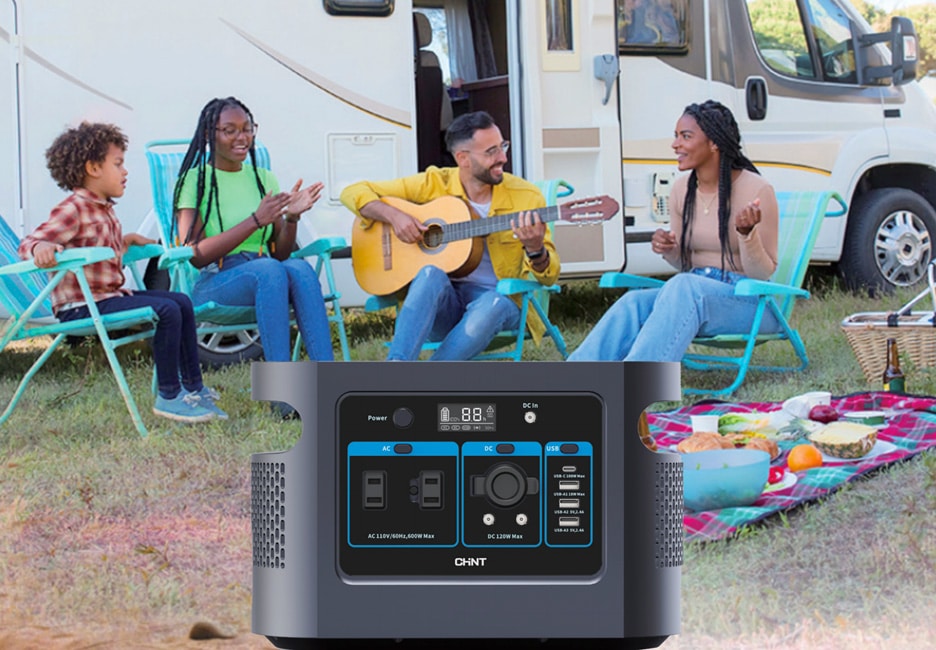
Table of Contents
- Why Do You Need a Portable Power Station?
- Portable Power Station vs. Generator — What Is the Difference?
- Energy Generation
- Power Capacity
- Runtime
- Noise and Emissions
- Portability and Maintenance
- Cost
- Key Factors When Selecting a Portable Power Station
- What Size Portable Power Station Do You Actually Need?
- Conclusion
Why Do You Need a Portable Power Station?
A portable power station is useful for just about anyone. Whether you are an avid outdoors enthusiast, a remote worker who needs reliable power on the go, or a homeowner preparing for unexpected blackouts, having a dependable energy source within arm's reach gives you freedom and peace of mind.
These stations are incredibly valuable during emergencies. They can effortlessly power essential lighting, charge communication devices, and even keep critical medical equipment running during natural disasters or sudden outages. That kind of reliability can truly make all the difference when it matters most.
While the upfront investment may be a little steeper than traditional alternatives, the versatility, dependability, and potential for renewable energy integration — especially with solar panels — often makes the purchase well worth it over time.
Portable Power Station vs. Generator — What Is the Difference?
When it comes to portable energy, both generators and power stations have their place. However, the two differ significantly in how they work and what they offer. Here is a breakdown of the most important distinctions.
⚡ Energy Generation
The core difference lies in how each device produces power. Generators rely on combustible fuels like gasoline or propane to create electricity, functioning as miniature power plants. Portable power stations, on the other hand, store energy in built-in rechargeable batteries — think of them as oversized, ultra-capable battery packs you can carry with you.
🔋 Power Capacity
Generators generally offer higher output, with capacities ranging from 1,000W all the way up to 10,000W or more, making them ideal for heavy-duty applications like powering large tools or entire home circuits. Portable power stations usually range from 100W to 3,000W — more than enough for charging phones, running laptops, and keeping smaller appliances going.
⏱️ Runtime
Gasoline generators can run continuously for up to 16 hours on a single tank, and propane models even longer. Power stations offer roughly 10 hours of emergency-level usage depending on the load, but the big advantage is that they can be silently recharged via solar, wall outlet, or car charger — no fuel runs necessary.
🔇 Noise and Emissions
Generators can be notoriously loud and produce exhaust fumes, which may not be ideal for campgrounds, neighborhoods, or indoor-adjacent use. Power stations operate virtually silent and produce zero emissions — a clear win if you value a clean and peaceful environment.
🧳 Portability and Maintenance
Power stations are lightweight, compact, and virtually maintenance-free — perfect for camping, tailgating, and travel. Generators tend to be bulkier and require ongoing upkeep like oil changes and fuel management, though they remain indispensable for construction sites and large-scale events where maximum output is needed.
💰 Cost
Generators typically have a lower purchase price, but they come with recurring fuel costs that add up over time. Portable power stations may cost more initially, but once you factor in free solar recharging and zero fuel expenses, they often end up being the more economical choice in the long run.
Key Factors When Selecting a Portable Power Station
With so many options on the market, narrowing down the right power station requires a careful look at several important factors. Here is what you should keep in mind before making your decision:
Capacity (Wh)
Measured in watt-hours, this tells you how much total energy the station can store. A higher number means more runtime for your devices before you need to recharge.
Output Power (W)
Look at both continuous and peak wattage. This determines which devices the station can handle simultaneously — essential if you plan on running multiple gadgets at once.
Portability
Think about where you will use it most. If you are hiking or traveling, a compact and lightweight unit is a must. For home backup, weight matters less than capacity.
Charging Options
Versatility matters. Check if the unit supports solar charging, wall outlet, car adapter, and USB-C input so you always have a way to top it off no matter where you are.
Port Variety
The best stations offer a range of port types — USB-A, USB-C, AC outlets, and DC outputs — so you can connect virtually any device or appliance without hunting for adapters.
Battery Life & Cycles
How many charge-discharge cycles can the battery handle before it starts to degrade? LiFePO4 batteries, for example, typically last thousands of cycles — a big advantage over standard lithium-ion.
Safety Features
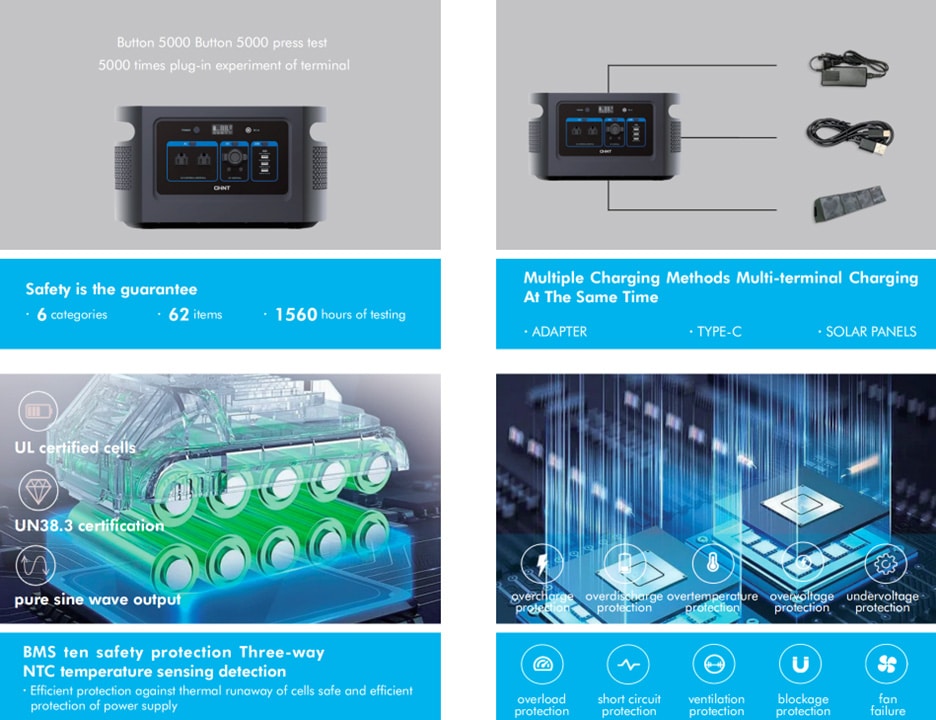
Look for overcharge protection, short-circuit prevention, temperature monitoring, and certified safety ratings. These features protect both the station and the devices connected to it.
Environmental Impact
Opting for a unit that supports solar recharging means cleaner energy with a smaller carbon footprint — a responsible choice for both your wallet and the planet.
Brand Reputation
Stick with manufacturers known for quality, reliability, and strong customer support. A well-reviewed brand gives you confidence that your investment will hold up for years to come.
What Size Portable Power Station Do You Actually Need?
Selecting the right size comes down to understanding your intended usage. To figure out exactly what you need, a simple calculation will point you in the right direction.
Start by identifying the wattage of each device you plan to power. If your device lists only amps, multiply the amperage by the voltage to get the wattage. For those who prefer a quick estimate, most portable electronics are clearly labeled.
Next, determine how many hours you expect to use each device. Multiply each device's wattage by its anticipated hours of use to get the total watt-hours needed. To account for real-world energy loss and efficiency, divide the total by 0.85 — this will give you the minimum capacity your power station should have.
💡 Pro Tip: Most people do not buy a power station for just one device. Think about your full range of needs — from emergency preparedness at home to weekend getaways — and choose a station that comfortably covers your heaviest use case.

Conclusion
Choosing the right portable power station does not have to be complicated. With a bit of research and a clear understanding of your power needs, you will be well on your way to selecting a unit that keeps you powered up wherever life takes you.
Consider your use case, calculate your wattage requirements, and prioritize the features that matter most to you — whether that is solar compatibility, silent operation, or sheer capacity. The right portable power station is an investment that pays for itself in reliability, convenience, and peace of mind for years to come.
BACKYARD PROVIDER — Powering Your Outdoor Lifestyle