


 Damage
  Loss
Loss  Theft
Theft 


What Size Solar System Do I Need to Run Off-Grid?
As more homeowners seek sustainable and cost-effective energy solutions, off-grid solar systems have become a popular choice. Whether you're building a remote cabin in the wilderness or aiming for complete energy independence in a suburban location, properly sizing and setting up an off-grid solar system is essential for success.
This guide walks you through the key considerations—from accurately calculating your energy needs to choosing the right off-grid inverter and planning for future growth. By understanding the components and how they work together, you'll be equipped to design an efficient, reliable off-grid system that meets your energy demands now and in the years to come.
Sizing Your Off-Grid System
Understanding your energy consumption is the foundation of success
Accurately Calculate Your Off-Grid Energy Consumption
To properly size your off-grid system, it's essential to first understand your household's daily energy usage. You can refer to your monthly utility bill by dividing the total kWh by 30 days, or use an energy monitor to track real-time consumption. High-power appliances such as air conditioners, water heaters, and heating systems consume significant amounts of energy, which directly influences the capacity of your off-grid system. By creating a detailed list of appliances, including which devices power ratings and daily usage patterns, you can more accurately estimate your energy needs and make informed decisions about your off-grid inverter's required power capacity.
How Peak Sun Hours Impact Off-Grid Solar Power
The number of solar panels and the power capacity of your off-grid inverter are greatly affected by your location's solar conditions. Peak sun hours indicate the hours when solar radiation reaches 1000W/m², signifying the optimal conditions for solar generation. For example, Arizona experiences about 6 peak sun hours per day, while Washington State averages from only 4 to 5. To generate the same energy, you'll need more solar panels in Washington and potentially a higher DC input capacity, and your off-grid inverter must have a higher DC input capacity and conversion efficiency to handle these conditions. It's useful to refer to resources like NREL or NASA for accurate data to help plan your off-grid solar system.
Planning for Future Off-Grid Energy Demands
As you design your off-grid system, it's important to anticipate increases in electricity demand over the next 5-15 years. If you're considering purchasing an electric vehicle, adding new appliances, or expanding your home, these factors may increase your future energy needs. It's wise to increase your system size by 15% to 20% to accommodate future energy growth, which ensures your system can handle future expansion without the need for expensive upgrades, securing long-term reliability and stability for your off-grid power supply.
Choosing the Right Off-Grid Solar Inverter Size for Your Home
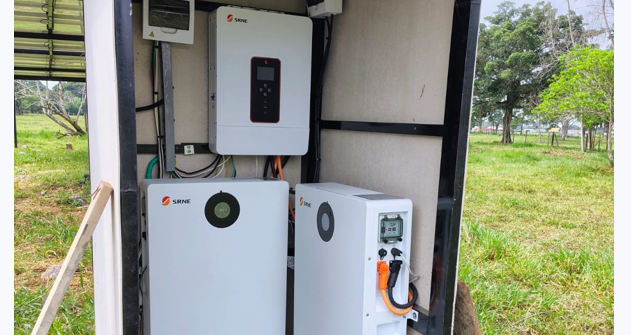
For typical households, here are some general system size guidelines: small energy-efficient homes typically need a 3.5kW-4.4kW system, paired with a suitable off-grid solar inverter. A standard three-bedroom house would likely require a 5-6kW system, while larger homes with high-energy demands such as those with central air conditioning may require 8kW or more. These estimates can vary depending on personal energy consumption patterns. Seasonal variations and lifestyle preferences also play a role in determining the ideal off-grid solar inverter capacity and solar panel setup.
Curious if an off-grid inverter can work without a battery? Find out here: Understanding Off-Grid Inverters Without Batteries
Off-Grid System Example: 2000 Sq Ft Home Setup
For a 2,000 square foot home (around 4-6 square meters), you'll likely need 12-20 400W solar panels totaling with 5-8 kW of solar power with a 4-6kW off-grid solar inverter. If your monthly electricity consumption is 1000kWh (about 33kWh per day), you would need at least 7 solar panels and 3 or more storage batteries to meet your energy needs. While this configuration provides a good starting point, consulting with a professional for a tailored evaluation is highly recommended to ensure your off-grid inverter and battery system are well-matched to your specific consumption patterns.
Key Components of an Off-Grid System
Off-Grid Inverter: The Heart of Your Solar System
The inverter for off-grid plays a crucial role in your solar system, converting DC electricity from solar panels into AC power for use in your home. When choosing an off-grid inverter, you must consider both its rated power and surge power capacity. Many appliances, such as air conditioners and pumps, can require 3-5 times their normal running power at startup. Therefore, selecting an off-grid inverter with a rated power 30% higher than your daily peak usage ensures smooth operation, especially when multiple devices are starting up at once.
Off-Grid Battery Storage: Ensuring Power Availability
Battery storage is key to ensuring that your off-grid system can provide electricity during periods without sunlight. Your required storage capacity depends on how many "cloudy/autonomy days" you want to be covered (typically 3-5 days) you want to be covered. Your battery system should be compatible with your off-grid inverter to ensure efficient energy management under load changes and discharging cycles. Lithium iron batteries are known for their high efficiency and long lifespan. They are ideal for modern off-grid setups, providing reliable and effective energy solutions.
Charge Controller: Optimizing Off-Grid System Efficiency
The charge controller, which connects the solar panels to the battery storage, regulates the energy flow and works alongside the inverter for off-grid to maintain a safe and efficient operation. MPPT (Maximum Power Point Tracking) charge controllers are more efficient than PWM (Pulse Width Modulation) controllers, boosting energy production by 20-30%. MPPT controllers can translate to substantial savings in system optimization, making them a valuable investment for anyone seeking the highest performance from their off-grid solar system.
Off-Grid System Cost Breakdown
Cost Distribution Across Off-Grid System Components
Typically, the off-grid solar inverter makes up about 15-25% of the total system cost. Other components include solar panels (around 40%), batteries (30%), and installation costs (10%). A 3kW solar panel can range from $30 to $450, while a high-quality off-grid inverter may cost anywhere from $300 to $1000, depending on its power capacity and features. Understanding this breakdown will help you allocate your budget efficiently, ensuring long-term reliability and performance.
Evaluating the Return on Investment (ROI) for Your Off-Grid System
While the initial investment for an off-grid system may seem high, the savings can be substantial over time. Consider the typical product lifespan of 25+ years and factor in any available government incentives or tax credits. Evaluate your break-even point by comparing the ongoing electricity costs you would save with your initial system outlay. With proper planning and maintenance, an off-grid solar system represents not only environmental responsibility but also a sound financial decision for homeowners committed to energy independence.
Start Your Off-Grid Journey Today
Ready to take the first step toward energy independence? Explore our high-quality solar panels designed for off-grid applications.
EcoFlow 400W Rigid Solar PanelFinal Thoughts
Designing an off-grid solar system requires careful consideration of your energy needs, local solar conditions, and future growth plans. By accurately calculating your consumption, choosing the right off-grid inverter and battery system, and planning for expansion, you can build a reliable power solution that serves you for decades. Whether you're seeking complete energy independence or simply want to reduce your reliance on the grid, the investment in a properly sized off-grid system will pay dividends in both cost savings and peace of mind.