


 Damage
  Loss
Loss  Theft
Theft 


Monocrystalline vs Polycrystalline: Which Solar Panel is Right for You?
Solar energy has become one of the most accessible and practical ways to power your home, off-grid cabin, RV, or backyard setup. However, when shopping for solar panels, you will quickly encounter two dominant technologies: monocrystalline and polycrystalline. Understanding the differences between these two types is essential for making an informed investment that aligns with your energy needs, budget, and available space.
This guide breaks down everything you need to know about both panel types, from their construction and efficiency to their cost and long-term performance, so you can confidently choose the right solar solution for your lifestyle.
Understanding Monocrystalline and Polycrystalline Panels
Monocrystalline Solar Panels
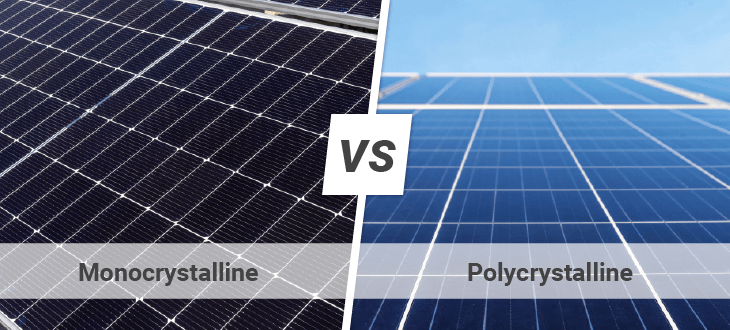
Monocrystalline panels are crafted from a single, continuous crystal structure of silicon. This manufacturing process creates cells with a uniform dark appearance and rounded edges, resulting in a sleek, modern aesthetic.
Key Advantage: Highest efficiency rates (typically 18-24%), making them ideal for limited roof or ground space.
Polycrystalline Solar Panels
Polycrystalline panels are made by melting multiple silicon fragments together. This creates a distinctive blue, speckled appearance with visible crystal boundaries throughout each cell.
Key Advantage: Lower upfront cost and simpler manufacturing, making them budget-friendly for larger installations.
Efficiency and Performance Comparison
Efficiency is one of the most critical factors when selecting solar panels, as it directly impacts how much electricity you can generate from your available space. Higher efficiency means more power output per square foot of panel area.
| Specification | Monocrystalline | Polycrystalline |
|---|---|---|
| Efficiency Range | 18% - 24% | 15% - 18% |
| Space Required (per kW) | Less space needed | More space needed |
| Temperature Coefficient | -0.3% to -0.4%/°C | -0.4% to -0.5%/°C |
| Low-Light Performance | Excellent | Good |
| Lifespan | 25-30+ years | 25-30 years |
Monocrystalline panels consistently outperform polycrystalline options in efficiency metrics. This superior performance stems from the purity of the single-crystal silicon structure, which allows electrons to flow more freely and generate more electricity from the same amount of sunlight.
Temperature Coefficient and Climate Considerations
All solar panels experience reduced efficiency as temperatures rise above their standard testing conditions (typically 25°C or 77°F). The temperature coefficient indicates how much power output decreases for each degree above this baseline.
Why This Matters for Your Installation
If you live in a hot climate region, monocrystalline panels will maintain better performance during peak summer temperatures. Their lower temperature coefficient means less power loss when your roof heats up on scorching days, ultimately delivering more energy when you need air conditioning the most.
For cooler climates or areas with mild summers, the temperature coefficient difference becomes less significant, and the cost savings of polycrystalline panels may provide better overall value.
Cost Analysis and Value Proposition
Understanding the true cost of solar panels requires looking beyond the initial purchase price. You must consider long-term energy production, maintenance requirements, and the overall return on your investment over the system's lifespan.
Upfront Cost
Monocrystalline panels typically cost 15-25% more than polycrystalline alternatives of similar wattage.
Cost per Watt
When comparing cost per watt of actual production, the gap narrows due to mono's higher efficiency.
Long-term Value
Higher efficiency panels often deliver better lifetime value through increased energy generation over 25+ years.
For budget-conscious buyers with ample installation space, polycrystalline panels can provide excellent value. However, if space is limited or you want maximum power generation, the premium for monocrystalline technology often pays for itself through higher energy yields.
Suitability for Different Applications
The best solar panel choice depends heavily on your specific use case. Each application has unique requirements that may favor one technology over the other.
1 Residential Rooftop Installations
For most homeowners, monocrystalline panels are the preferred choice due to limited roof space and aesthetic considerations. Their sleek black appearance blends well with modern roofing, and the higher efficiency ensures you maximize power generation from every available square foot. This is particularly important for homes with smaller roofs, shading issues, or complex roof geometries.
2 Commercial and Ground-Mount Systems
Large-scale commercial installations or ground-mounted systems with abundant space may benefit from polycrystalline panels. The lower cost per panel can result in significant savings across hundreds or thousands of panels, and the additional space required is less of a concern when you have acres of open land available.
3 Off-Grid and Portable Applications
For RVs, boats, cabins, and portable power stations, monocrystalline panels are almost always the better choice. Space and weight are at a premium in these applications, making the superior power-to-size ratio of mono panels essential. Their better low-light performance also proves valuable when parked in partially shaded areas or during overcast weather.
Choosing the Right Solar Panel for Your Needs
When making your final decision, consider these key factors that will influence which panel type serves you best:
Environmental Impact and Sustainability
Both monocrystalline and polycrystalline panels represent significant improvements over fossil fuel energy sources. However, there are some environmental differences worth considering for eco-conscious consumers.
Monocrystalline production requires more energy during manufacturing due to the Czochralski process used to grow single crystals. However, their higher efficiency means they generate more clean energy over their lifetime, often resulting in a lower overall carbon footprint per kilowatt-hour produced.
Polycrystalline panels have a simpler manufacturing process with less silicon waste during production. For installations where space is not a limiting factor, they can offer a comparable environmental benefit at a lower manufacturing energy cost.
Ready to Harness Solar Power?
Discover high-performance monocrystalline solar panels designed for maximum efficiency and durability. Perfect for residential, off-grid, and portable power applications.

Final Thoughts
Both monocrystalline and polycrystalline solar panels are proven technologies that can significantly reduce your energy bills and environmental footprint. The right choice ultimately depends on your unique situation, including available space, budget constraints, climate conditions, and aesthetic preferences.
For most residential and off-grid applications where space efficiency matters, monocrystalline panels offer the best combination of performance, longevity, and value. Their higher upfront cost is typically offset by greater energy production over the system's 25-30 year lifespan.
Whatever you choose, making the switch to solar energy is a smart investment in your home's value, your wallet, and our planet's future. Start your solar journey today and join millions of homeowners already enjoying clean, renewable energy from the sun.