


 Damage
  Loss
Loss  Theft
Theft 


Pipe Cutting and Beveling Machines: Complete Guide

Pipe cutting and beveling equipment serves two fundamental purposes in metal fabrication: preparing the pipe to exact specifications and creating the angled edge profile required for superior weld joints. These operations transform raw pipe sections into components ready for permanent joining through welding processes.
Whether you operate a fabrication shop, work in field construction, or manage industrial maintenance operations, understanding these machines helps you achieve consistent, code-compliant results while maximizing productivity.
What Are Pipe Cutting and Bevelin Machines?
In welding preparation, achieving proper joint geometry before applying the weld makes the difference between a durable connection and a weak point. Cutting equipment sections the pipe to required dimensions while creating smooth, burr-free ends. Beveling equipment then shapes the pipe edge into an angled profile that allows complete weld penetration.
The cutting operation removes material to achieve precise length and squareness. Any surface imperfections, warping, or dimensional errors at this stage carry forward into the finished assembly. The beveling operation creates a groove along the pipe circumference where the weld material will fuse the joint, with the bevel angle determining how much filler material the joint accepts.
Multiple processing methods exist, each suited to different material properties. Cold cutting techniques work without generating heat, preventing metallurgical changes in the base material. Hot processes like plasma and oxy-fuel cutting handle thick-walled applications where mechanical methods become impractical. The V-bevel remains the most common preparation, though J, K, and compound configurations serve specialized welding requirements.
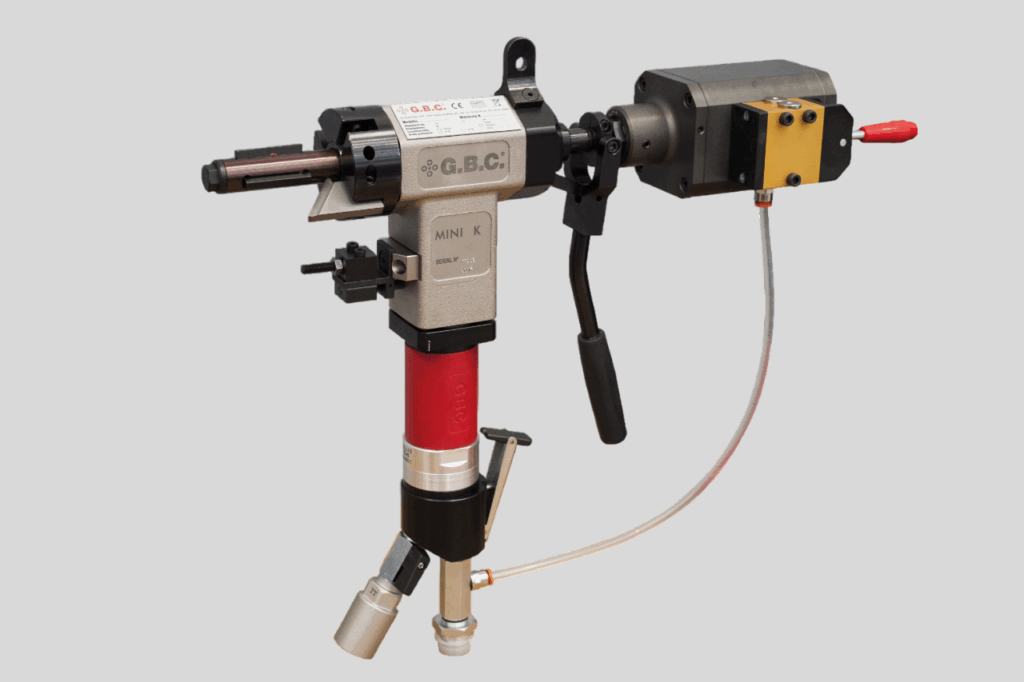
Pipe Bevelers: Features and Applications
Modern pipe bevelers employ various cutter configurations to handle diverse material types and job requirements. The ability to switch between internal and external clamping systems, combined with adjustable feed rates and cutting depths, gives operators flexibility across pipe diameters and wall thicknesses.
These machines adapt to challenging site conditions including cramped mechanical rooms, elevated pipe racks, and below-grade installations. Internal clamping models grip from inside the pipe bore, leaving the external surface fully accessible for the cutting operation. External clamping works better on smaller diameters or when internal access is restricted.
Key Capabilities
Diameter Range: Equipment spans from fractional-inch tubing up to large-diameter transmission pipe exceeding 60 inches
Material Compatibility: Carbon steel, stainless, chrome-moly, aluminum, copper alloys, and specialty metals
Bevel Profiles: Standard V-bevel, compound bevel, J-prep, and custom configurations with optional extension kits
When to Use a Pipe Beveling Machine
The decision to deploy dedicated beveling equipment versus manual preparation methods depends on production volume, quality requirements, and material specifications. Hand grinding remains viable for occasional work, but introduces variability that affects weld consistency and joint strength.
Mechanized beveling becomes essential when working to pressure vessel codes, nuclear standards, or aerospace specifications where every joint faces inspection. The machine produces identical preparation on each pipe end, eliminating operator-dependent variation. This repeatability translates directly into reduced rejection rates and rework costs.
"Automated pipe preparation equipment pays for itself through labor savings, reduced material waste from rejected welds, and faster project completion. Field crews complete more joints per shift when setup time drops from minutes to seconds."
Industrial Pipe Cutting and Beveling Machines: Portable and Stationary Models
Equipment selection between portable and stationary configurations depends primarily on work location requirements and production volume expectations. Each platform offers distinct operational advantages suited to different fabrication scenarios.
How to Choose the Right Machine
Selecting appropriate pipe cutting and beveling equipment requires matching machine capabilities to your specific material types, dimensional range, and production environment. The primary evaluation factors include the material being processed, the range of diameters and wall thicknesses in your work scope, and whether operations occur in shop or field settings.
Carbon steel machines generally without special provisions. Stainless steel, chrome-moly alloys, and exotic metals may require specific tooling, reduced cutting speeds, or coolant application to prevent work hardening and maintain surface quality. High-alloy materials demand closer attention to heat generation during the cutting process.
Production equipment designed for demanding shop environments features robust construction, high-duty-cycle ratings, and consistent output quality even under continuous operation. Field-portable units prioritize weight reduction, setup speed, and operational flexibility while maintaining adequate precision for the intended application.
Selection Considerations
Material type and alloy composition
Pipe diameter and wall thickness range
Shop versus field operation requirements
Production volume and duty cycle needs
Available power sources at work location
Required bevel angles and weld prep codes
Most Used Bevel Angles
Standard bevel angles follow established welding codes and material specifications. The choice depends on pipe wall thickness, welding process, joint accessibility, and applicable code requirements.
30°
Standard V-Bevel
37.5°
Heavy Wall Prep
45°
Open Root Joint
Specialty applications may require compound bevels combining multiple angles, J-preparations for thick-wall pressure vessels, or custom configurations specified by engineering drawings. Quality beveling equipment accommodates these variations through adjustable tool holders and interchangeable cutter inserts.
Maintenance and Tools
Equipment longevity and cutting performance depend directly on proper maintenance practices and tooling selection. Consumable components require regular inspection and timely replacement to maintain output quality and prevent machine damage.
Cutting inserts represent the primary wear item, with replacement intervals determined by material hardness, cutting parameters, and accumulated production footage. Dull tooling increases cutting forces, degrades surface finish, and generates excessive heat that affects both workpiece quality and machine components.
Essential Maintenance Practices
Lubrication: Follow manufacturer specifications for lubricant types and service intervals. Proper lubrication reduces friction, extends component life, and maintains consistent machine operation.
Cleanliness: Remove metal chips, debris, and cutting residue after each use. Accumulated material interferes with clamping mechanisms and damages precision surfaces.
Inspection: Check clamping components, drive mechanisms, and safety devices regularly. Address wear items before failure affects production or creates safety hazards.
About BACKYARD PROVIDER
BACKYARD PROVIDER supplies professional-grade construction and outdoor equipment for residential and commercial applications. Our selection of pipe cutting and beveling machines covers portable field units through production shop equipment, supporting fabricators, contractors, and maintenance professionals with reliable tools built for
demanding work environments.
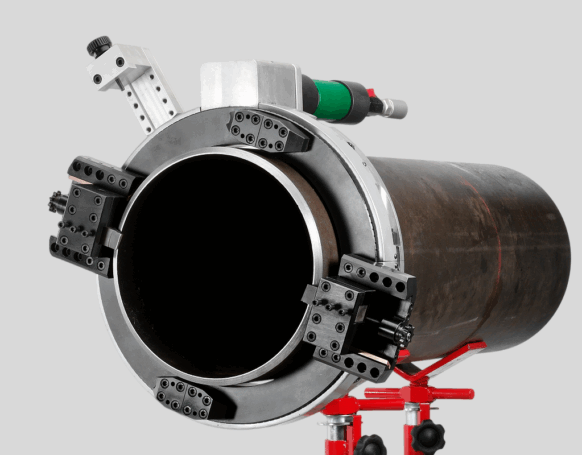
Ready to Upgrade Your Pipe Fabrication Equipment?
Explore professional pipe cutting and beveling solutions designed for precision and durability.
PipeCut & Bevel 360 Pro