


 Damage
  Loss
Loss  Theft
Theft 


Choosing the right engine for your outdoor equipment can make all the difference in performance and maintenance. Learn about the key differences between engine types.
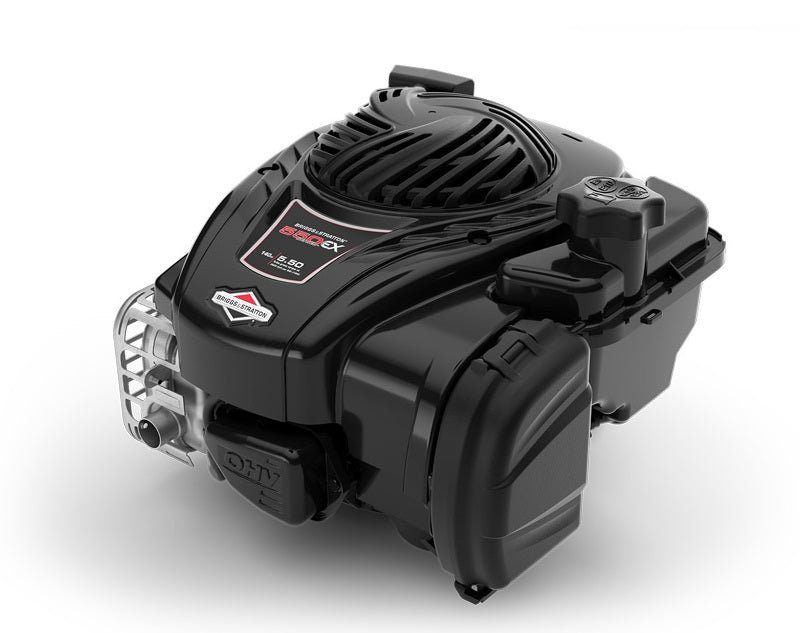
Small engines power a wide variety of outdoor equipment from different manufacturers and are typically available in either 2-stroke or 4-stroke configurations. While you may have heard these terms before, understanding what differentiates these two engine types is essential for making informed decisions about your equipment.
Reading Time: Approximately 4 minutes
What is a Two-Stroke Engine?
A two-stroke engine operates without valves or a dedicated lubrication system. Unlike its four-stroke counterpart, this engine type is remarkably straightforward. The design is considerably simpler compared to a four-stroke engine, making it extremely lightweight. This streamlined construction means there are far fewer mechanical components required, and maintenance demands are significantly reduced.
Two-stroke engines are commonly found in handheld lawn equipment due to their excellent power-to-weight ratio. When compared to four-stroke engines of similar displacement, they deliver greater power output. This makes them particularly well-suited for portable tools where weight is a critical consideration. These engines are frequently utilized in smaller equipment including trimmers, blowers, and the problem of pollutants they generate.
Important Consideration
When dealing with a 2-stroke engine, proper oil mixture is crucial. Always refer to your equipment's owner's manual to verify the correct ratio. Using an improper fuel-to-oil mixture can cause the engine to run poorly or fail prematurely. Most manuals will specify what lubricants the parts require and at what specific ratios.
How Two-Stroke Engines Operate
The operation of a two-stroke engine involves just two primary movements to complete one full cycle:
This streamlined process means a two-stroke engine completes two movements to produce one complete power stroke. The compression stroke occurs when the piston rises upward and compresses the fuel and air mixture. At the peak of this upward motion, the spark fires and produces power instantly. At the base of the descent, the piston simultaneously facilitates the release of exhaust gases and the introduction of fresh fuel, creating exceptional efficiency.
Advantages of Two-Stroke Engines
- No valves means simpler, more straightforward construction
- Fire once per revolution, resulting in higher power output compared to similar four-stroke engines
- Lighter weight construction makes them perfect for manufacture
- Have the capability to produce twice the power of a four-stroke engine of identical size
- Lower maintenance requirements
Disadvantages of Two-Stroke Engines
- Not as durable as four-stroke engines due to the absence of a dedicated lubrication system
- Require mixing fuel and oil beforehand for lubrication of engine components
- Not as fuel-efficient as their counterparts
- Generate higher levels of pollution
- Tend to be noisier and emit more smoke during operation
- The exhaust contains oil mixed throughout, lacking an exhaust port
What is a Four-Stroke Engine?
A four-stroke engine represents the type of engine most commonly found in lawn mowers. It's heavier and requires more maintenance to keep in an optimal operating condition. However, as used in lawn equipment like mowers and weed eaters or chainsaw operations, it doesn't demand constant attention. The increased complexity of this engine design means that repair tasks would be necessary if something malfunctions.
A four-stroke engine operates on a cycle consisting of four strokes. In Phase 1, the strokes represent the piston traveling around twice in the engine. During this spark plug fires once, unlike other configurations where the spark plugs fire twice. These engines are the predominant choice for lawn mowing equipment such as walk-behind mowers and riding tractors.
In a four-stroke engine configuration, the oil is stored in the crankcase, and lubrication occurs through a splash mechanism. Typically, there's a splash-lubrication system in place. Due to this design, oil changes must be performed at regular intervals, and the level needs to be monitored frequently. Because only the function is kept separate and moving smoothly, oil happens much more slowly on a four-stroke engine compared to a two-stroke engine.
How Four-Stroke Engines Function
Advantages of Four-Stroke Engines
- Greater torque output, making the engine quieter and more reliable
- Last longer compared to a 2-stroke engine
- No need to mix the oil and fuel separately
- Runs cleaner compared to a 2-stroke, producing less pollution
- Significantly more fuel efficient
Disadvantages of Four-Stroke Engines
- More complicated design structure
- Valves and complex design make them more difficult to repair if something malfunctions
- Not as powerful as a 2-stroke engine of equivalent size
- A 4-stroke fires 1 time per revolution
- 2-stroke fires once every revolution
- Higher initial cost compared to 2-stroke engines
- More components mean more potential points of failure and more expensive maintenance to repair
- Due to the more complex design, these engines are considerably heavier
Need a Reliable Engine for Your Equipment?
Discover our selection of high-quality engines designed to power your outdoor equipment efficiently and reliably.
Honda GXV160 EngineMaking the Right Choice
Understanding the differences between 2-stroke and 4-stroke engines empowers you to make better decisions when purchasing or maintaining outdoor power equipment. Each engine type has its specific applications where it excels, and knowing these distinctions helps ensure you select the right tool for your needs.
Whether you prioritize lightweight portability for handheld equipment or prefer the durability and efficiency of a more robust system for heavy-duty tasks, there's an engine configuration designed to meet your requirements. Consider factors like the type of work you'll be performing, frequency of use, and maintenance capabilities when making your selection.