Titan fitness Chest-Supported T-Bar Row - 401007
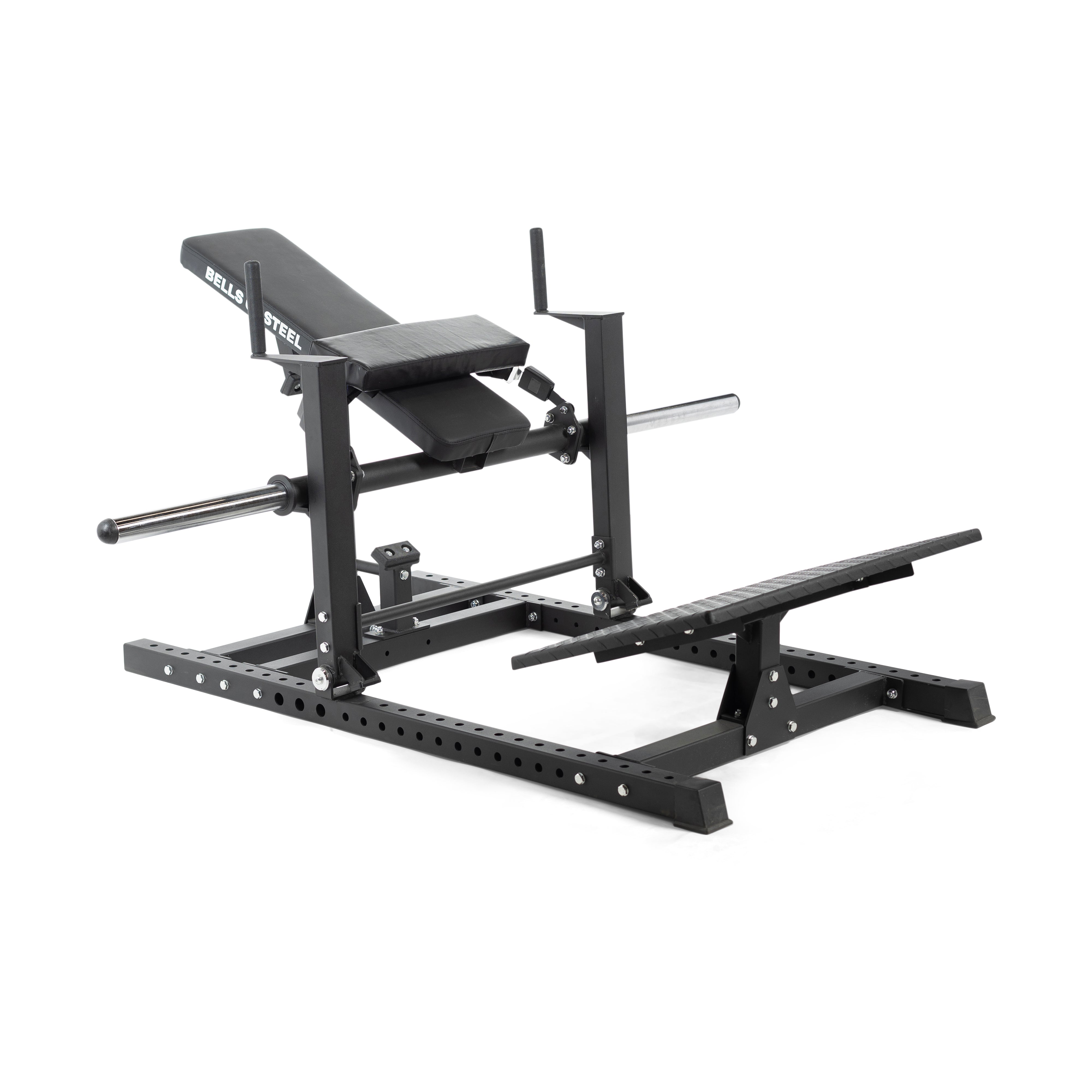
The Chest Support Row is a leverage machine designed to isolate and target your back muscles, biceps, lats, and shoulders while reducing strain on your lower back. It provides a stable and supported platform for performing a rowing motion while keeping your back straight and core engaged.
Start by adjusting the diamond-textured footplate so that your chest is comfortably supported against the chest pad when you lean forward, ensuring that your upper body is stable and supported. Load up to 400 LB Olympic-sized bumper plates onto the 13.5" long weighted sleeve. Grasp either vertical or horizontal grip handles and pull the handlebar towards your upper abdomen or lower chest, squeezing your shoulder blades together as you perform the rowing motion.
Build the back you have always wanted and take your workout to a new level with the Plate-Loaded Chest Support T-Bar Row Machine.\
What our Experts Think
-
Strict Back Training Execution – The Titan Fitness Chest-Supported T-Bar Row removes momentum from the movement, ensuring pure back muscle engagement for more effective training.
-
Reduced Lower Back Strain – The chest support pad helps stabilize the torso, minimizing stress on the lower back during heavy rowing sessions.
-
Strong Upper & Mid-Back Development – Effectively targets lats, rhomboids, traps, and rear delts for balanced pulling strength and thickness.
-
Plate-Loaded Progressive Resistance – Uses standard weight plates, allowing users to progressively increase resistance over time.
-
Heavy-Duty Stability Design – Built with a robust steel frame suitable for serious home and garage gym environments.
Q&A
Maintenance Tips
-
Wipe down frame, chest pad, and handles after each workout to remove sweat and prevent corrosion or upholstery wear.
-
Inspect all bolts, welds, and connection points regularly and tighten any loose hardware before use.
-
Check pivot joints and loading arm for smooth movement and ensure there is no grinding or misalignment.
-
Keep plate sleeves clean and lightly lubricated (if needed) to ensure smooth loading and unloading of weight plates.
-
Inspect chest support pad for wear or compression and replace if padding becomes uneven or damaged.
-
Avoid dropping weight plates onto the loading arm to prevent structural stress or bending.
-
Ensure machine is positioned on a stable, level surface for proper rowing mechanics and balance.
-
Remove dust and debris from moving joints regularly to maintain smooth operation.
-
Check grip handles periodically for wear, looseness, or surface damage.


 Damage
  Loss
Loss  Theft
Theft 







![Chery Industrial [BARGAIN] 20ft Farm Metal Driveway Gate with Diagonal Tubes - A_IF000054](http://backyardprovider.com/cdn/shop/files/farmgatewith_31.png?v=1775546952)